15 Pollinator Garden Ideas to Attract Bees, Butterflies & Hummingbirds

Gardening is not just about beauty—it’s about life, growth, and creating spaces that nurture the natural world around us. Pollinator gardens take this mission to heart, attracting bees, butterflies, hummingbirds, and other beneficial insects that support your local ecosystem. Planting the right flowers, shrubs, and habitat features transforms any yard or balcony into a lively, buzzing paradise filled with color, movement, and the gentle hum of nature. By designing a pollinator garden, you not only enhance the visual appeal of your outdoor space but also contribute to biodiversity and ecological balance.
The joy of a pollinator garden lies in its sensory richness—the bright petals, the sweet fragrance, the flutter of wings, and the soothing sounds of bees and birds. These gardens connect us emotionally to nature, offering inspiration, calm, and a sense of purpose. Even small patios, balconies, or container gardens can become thriving pollinator havens with careful plant selection, strategic layout, and thoughtful styling. Pollinator gardens are versatile, eco-friendly, and rewarding, blending beauty, function, and environmental stewardship.
In this article, you’ll explore 15 pollinator garden ideas designed to attract pollinators, enhance your outdoor aesthetic, and create a lively, productive garden space. From flower-rich beds and hummingbird feeders to butterfly puddling stations and native plant clusters, each idea combines practical tips with styling inspiration. By the end, you’ll be equipped to create a pollinator-friendly garden that’s as functional as it is breathtaking.
1. Flower-Rich Garden Beds
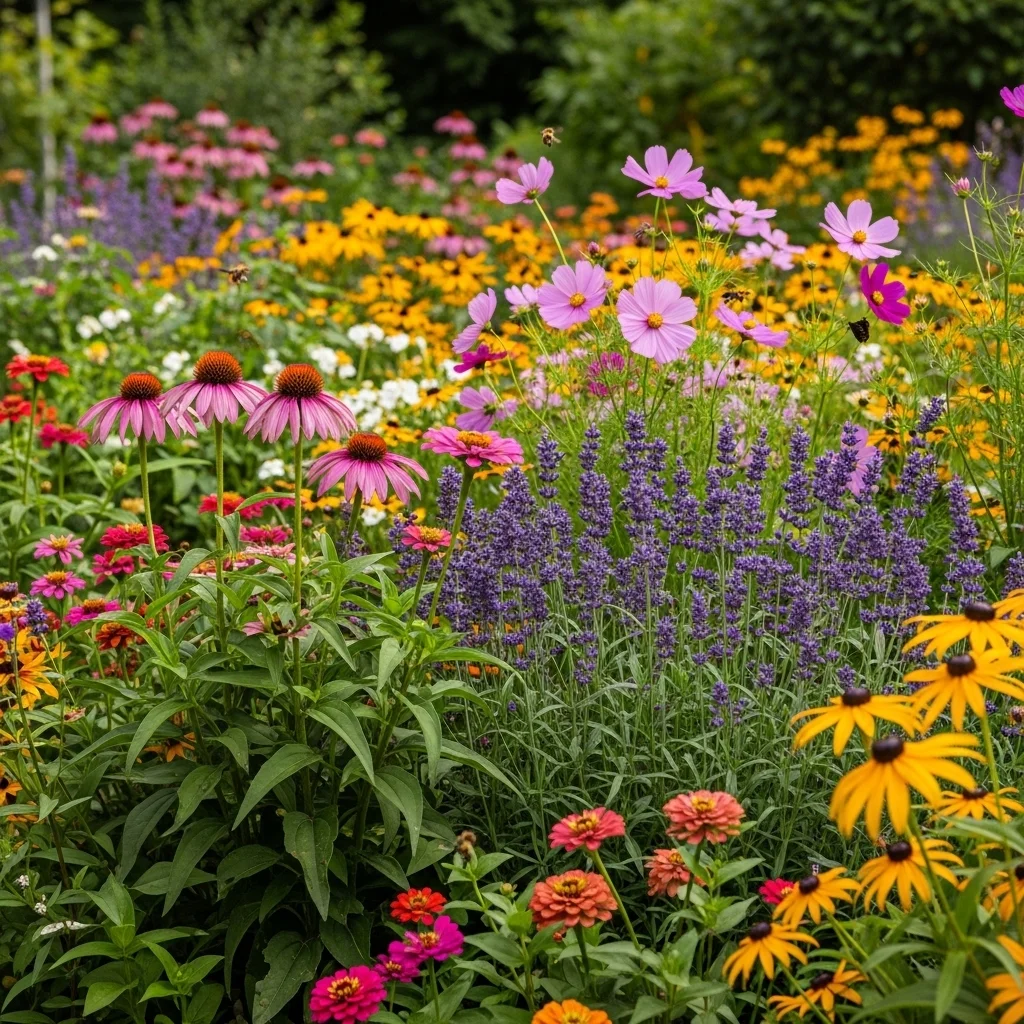
Creating garden beds densely planted with nectar-rich flowers is the foundation of a thriving pollinator garden. Bright, colorful blooms such as coneflowers, lavender, salvia, and sunflowers attract bees, butterflies, and hummingbirds. Planting in clusters ensures that pollinators can easily access multiple flowers without having to fly long distances, increasing their visits and activity. These garden beds can be organized in symmetrical rows for a formal look or layered naturally for a more wild, meadow-like effect.
Styling flower-rich beds involves mixing plant heights, colors, and bloom times to create continuous visual interest. Incorporate groundcovers, trailing flowers, and small shrubs to add texture and depth. Mulching helps retain moisture while keeping the beds neat, and adding decorative garden stones or edging defines the space aesthetically. A well-planned flower bed not only attracts pollinators but also becomes a vibrant focal point in your outdoor space.
2. Native Plant Clusters

Native plants are particularly effective at attracting local pollinators because they have evolved to provide the nectar, pollen, and habitat that insects and birds need. By grouping clusters of native plants, you create concentrated food sources and safe resting areas for pollinators. Plants like milkweed, goldenrod, and native asters offer essential support to butterflies and bees while promoting ecological balance in your region.
Styling native plant clusters involves choosing species with complementary heights and textures. Mixing perennials with seasonal blooms ensures year-round interest and resources for pollinators. Adding small natural features like rocks, logs, or shallow water basins encourages insects and birds to linger. This idea not only supports biodiversity but also gives your garden a natural, harmonious look that blends seamlessly with the surrounding landscape.
3. Container Pollinator Garden

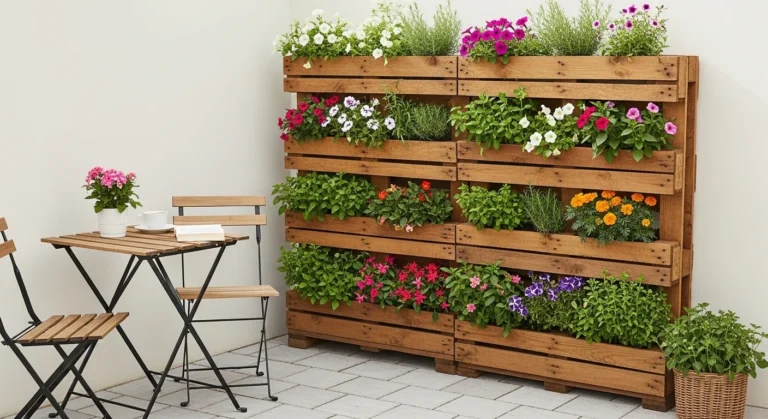
Container gardens are perfect for small patios, balconies, or rooftop spaces, allowing you to create pollinator-friendly environments even without a yard. Using pots, planters, and raised containers, you can combine nectar-rich flowers, herbs, and trailing plants to attract bees and butterflies. Containers are mobile, which means you can move plants to optimize sunlight, provide shelter during bad weather, or rotate blooms seasonally.
Styling a container pollinator garden involves using a mix of plant colors and textures to create visual appeal. Group multiple pots together to form microhabitats that pollinators can easily access. Choose containers of different heights and sizes to mimic a layered, natural environment. Incorporating small water sources or shallow dishes with stones enhances the functionality of the garden, giving pollinators places to drink and rest while adding an extra decorative touch.
4. Butterfly Puddling Stations
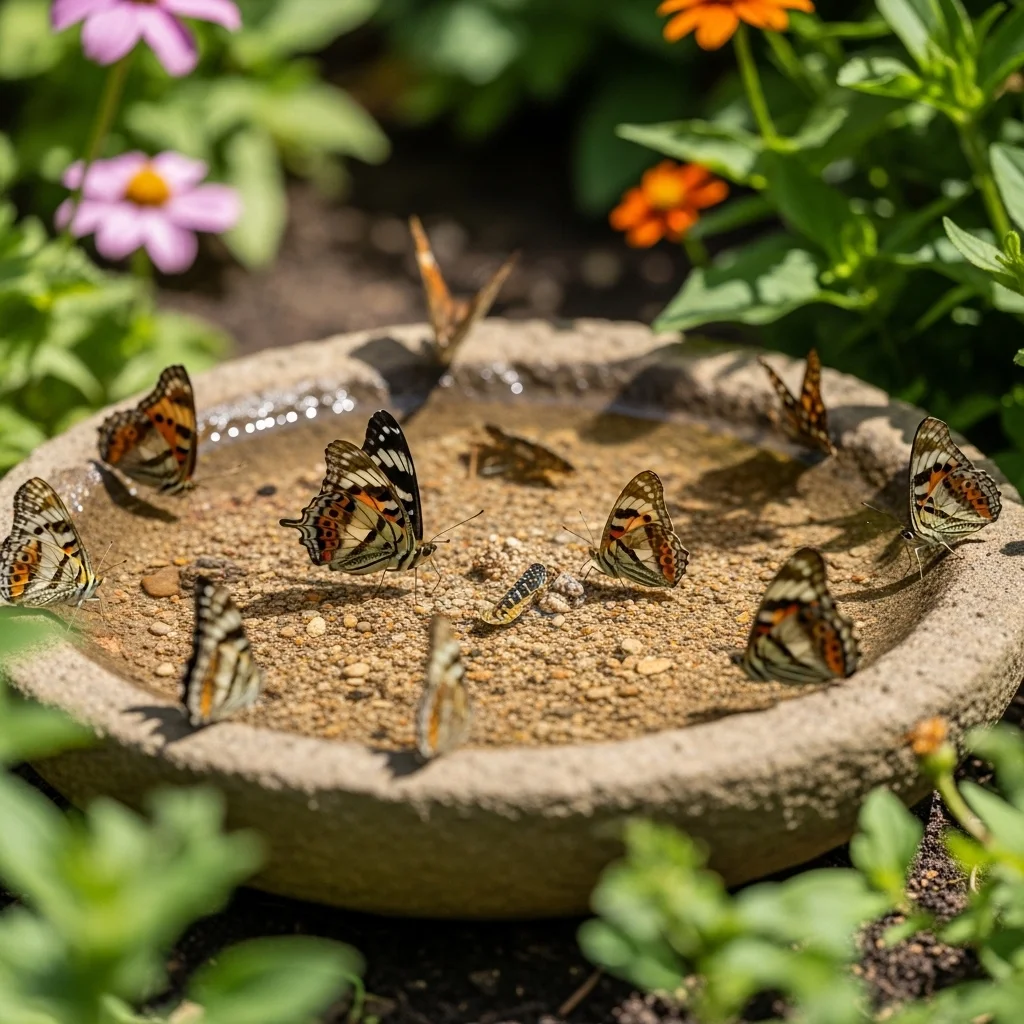
Butterflies often need more than nectar—they require water, minerals, and damp soil to supplement their diet. Puddling stations are shallow water features or small sand-soil dishes where butterflies can drink and absorb nutrients. These stations increase pollinator activity and create a mesmerizing garden spectacle as butterflies gather in vibrant groups. Materials such as shallow ceramic bowls, terracotta dishes, or low trays work perfectly when filled with wet sand, soil, or water mixed with a pinch of salt or minerals.
Styling puddling stations involves integrating them naturally among flowers, herbs, or garden beds. Surrounding the station with colorful blooms encourages butterflies to linger nearby. Ensure the water remains shallow and fresh, and consider placing stones or small sticks for butterflies to perch safely. This simple addition makes your pollinator garden more functional, supporting butterfly health while adding visual interest and movement to your outdoor space.
5. Hummingbird Feeder Corners
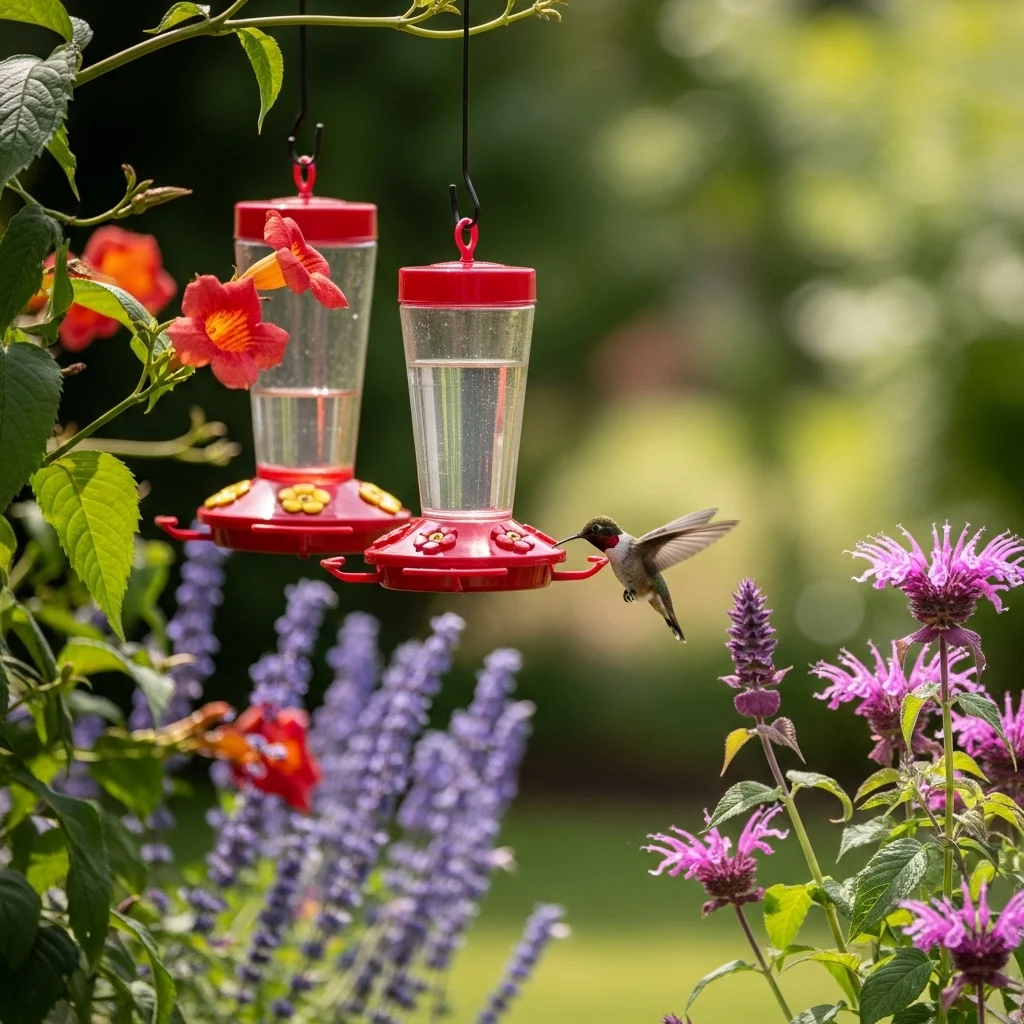
Hummingbirds are vital pollinators, and providing dedicated feeder corners ensures they frequent your garden regularly. Bright red or tubular feeders filled with nectar attract these tiny birds, adding both beauty and life to the garden. Placing feeders near flower clusters encourages hummingbirds to visit natural blooms as well, supporting pollination while offering them a supplemental food source.
Styling a hummingbird feeder corner involves selecting a sheltered, sunny spot and surrounding it with nectar-rich flowers. Position feeders at multiple heights for visual interest and easier access. Ensure feeders are cleaned regularly and filled with fresh nectar. Adding small perches, nearby trees, or hanging lanterns can enhance the aesthetic appeal while creating a welcoming microhabitat. This setup transforms a simple corner into a lively, pollinator-rich area that delights both humans and wildlife.
6. Herb Garden for Pollinators
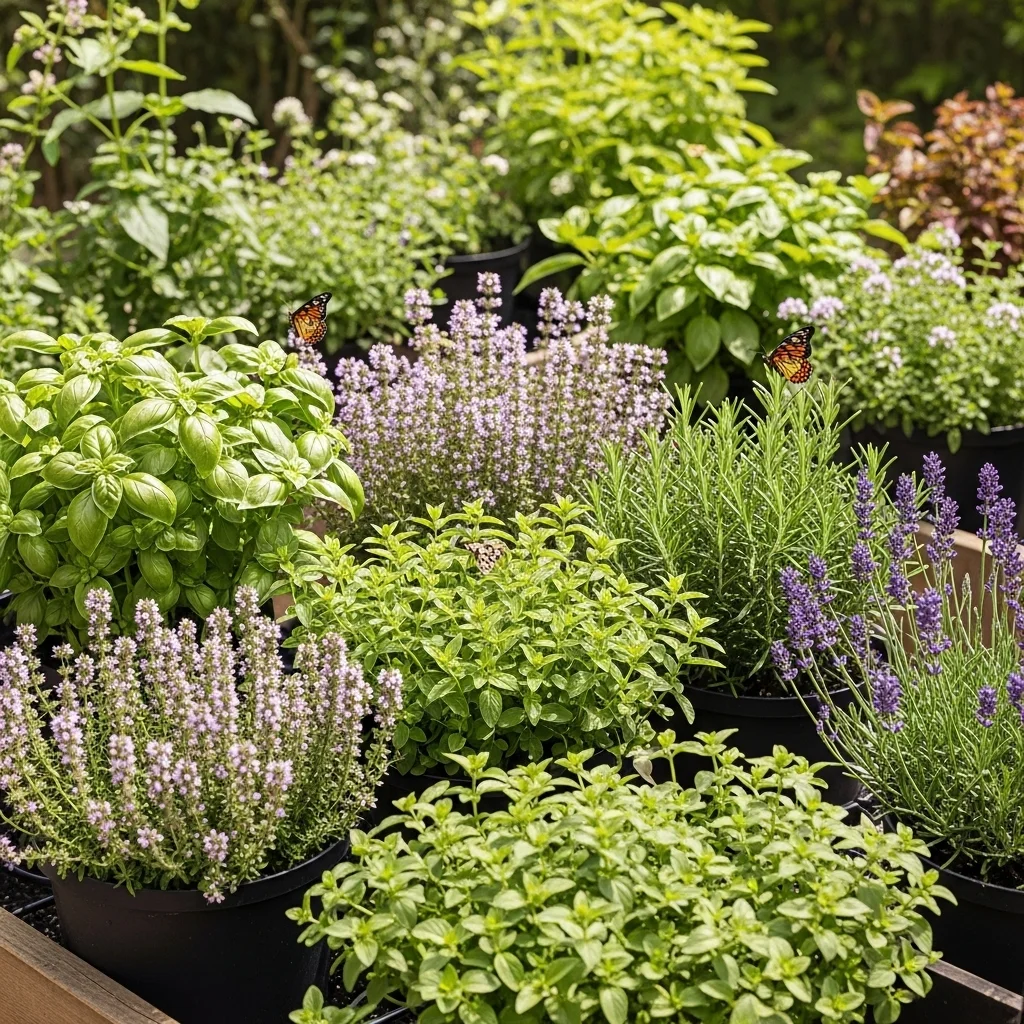
Herbs are not only great for cooking but also attract a variety of pollinators, including bees, butterflies, and hoverflies. Plants such as lavender, rosemary, thyme, oregano, and basil provide nectar-rich flowers that draw pollinators while adding fragrance and texture to your garden. Planting herbs in clusters enhances their visibility and accessibility for insects, making your garden more productive and lively.
Styling a herb pollinator garden involves mixing tall and low-growing herbs for a layered effect. Consider using raised beds, container groupings, or border plantings to define the space and create visual interest. Pair herbs with companion flowers to provide contrast and color. Incorporating small decorative markers, garden stones, or mulch helps maintain order and aesthetics while supporting healthy growth. This setup is both functional and beautiful, blending culinary utility with ecological benefits.
7. Wildflower Meadow Patch
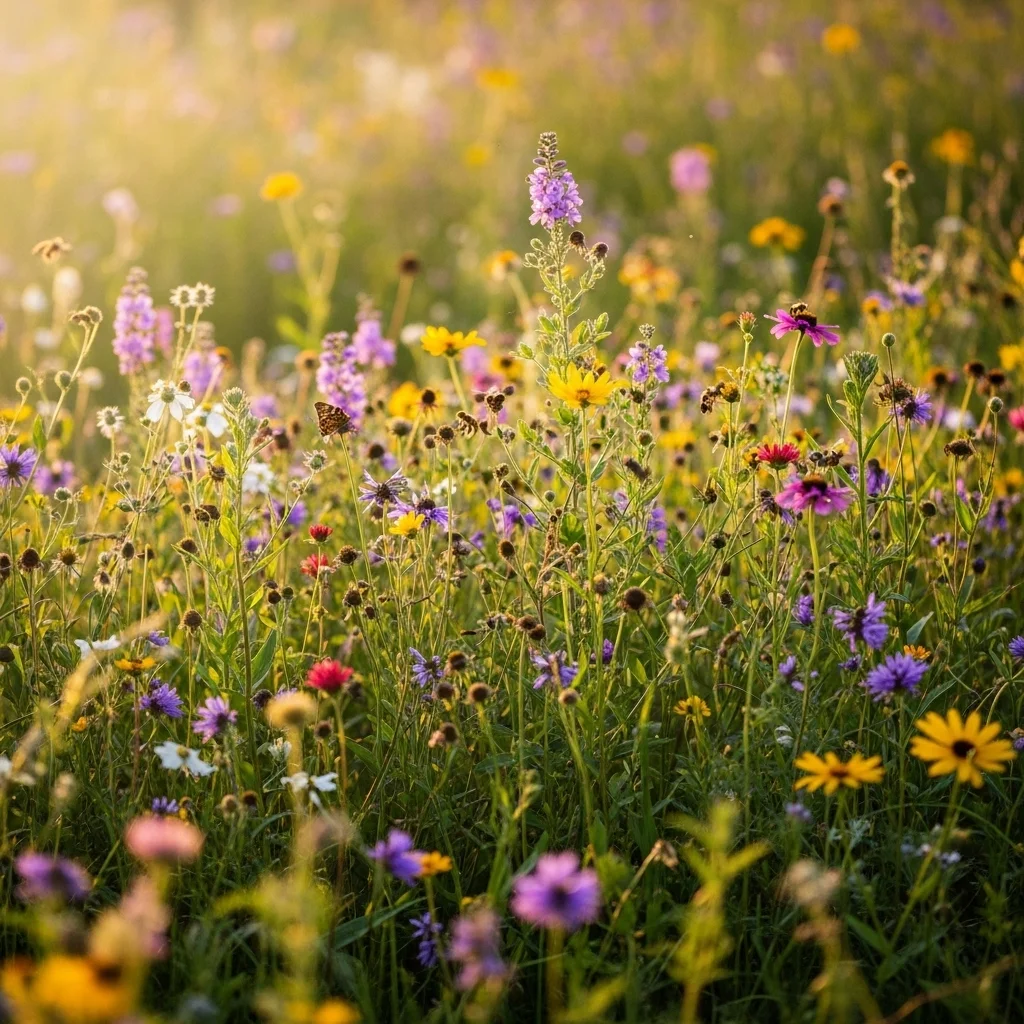
A wildflower meadow patch is a natural, low-maintenance way to attract pollinators and create a vibrant splash of color. Using native wildflower seeds, you can grow clusters of blooms such as coneflowers, black-eyed Susans, and asters, which provide essential nectar and pollen. This type of planting encourages a variety of pollinators, from bees to butterflies and even hummingbirds, and creates a lively, dynamic outdoor environment.
Styling a wildflower meadow involves scattering seeds in irregular patterns for a natural, free-flowing look. Incorporate taller flowers at the back and shorter varieties in front to create depth. Mulch lightly to retain moisture, and allow natural growth cycles to encourage diversity. This meadow-style planting feels playful, organic, and alive, bringing continuous activity and beauty to your garden.
8. Pollinator-Friendly Shrubs
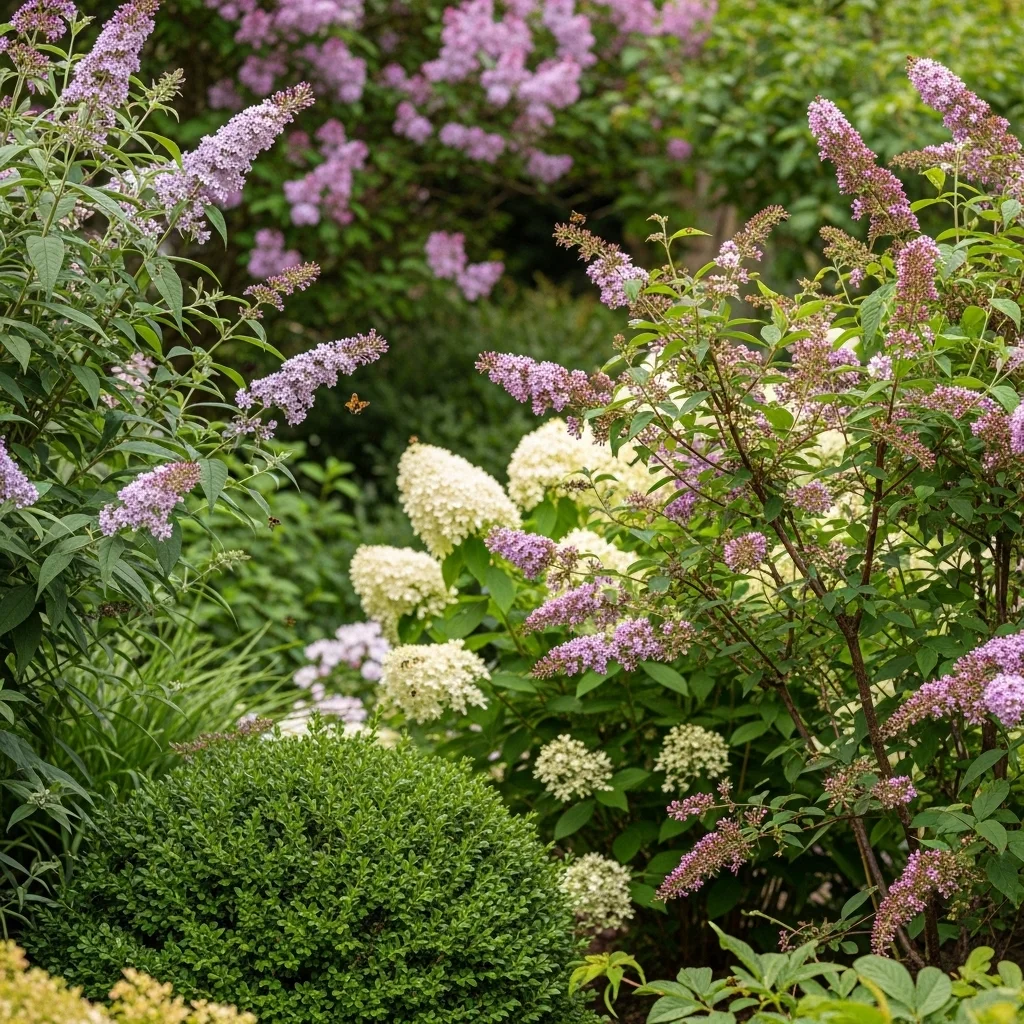
Adding flowering shrubs to your pollinator garden provides both food and shelter for insects and birds. Shrubs like butterfly bush, viburnum, lilac, and hibiscus attract pollinators with abundant blooms and create vertical interest in your garden. They also provide nesting sites for bees and perching spots for hummingbirds, making your garden more functional for wildlife.
Styling pollinator-friendly shrubs involves spacing them to allow airflow and sunlight penetration. Layering shrubs with smaller flowers and groundcovers creates a multi-dimensional habitat that supports a range of pollinators. Using shrubs with varied bloom times ensures the garden offers food throughout the season. Decorative mulch or stones around the base adds texture while maintaining a polished, cohesive look.
Read also. 25 Stunning Garden Waterfall Ideas
9. Raised Pollinator Garden Beds
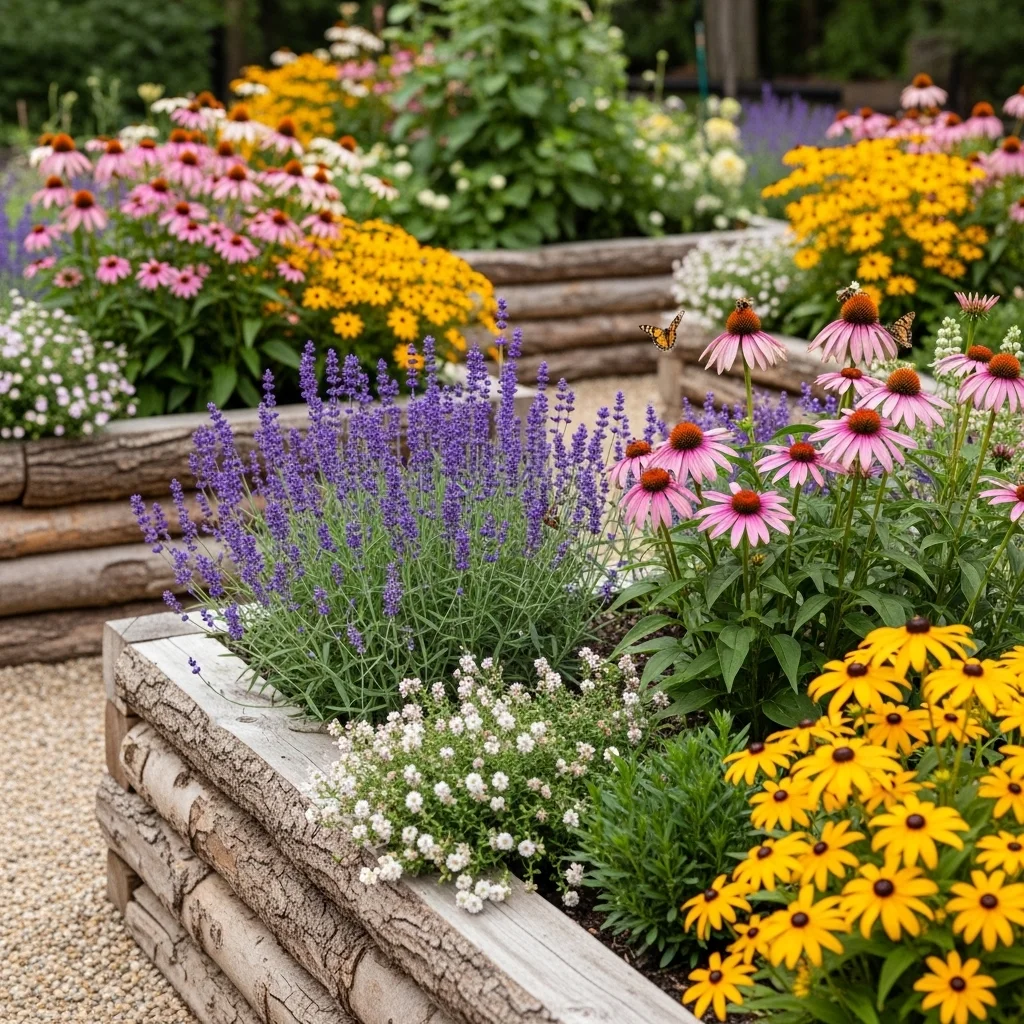
Raised beds are an excellent option for organizing plants while providing optimal soil and drainage conditions. They make planting, watering, and maintenance easier, especially when cultivating nectar-rich flowers and herbs. Pollinators can easily access these beds, and the elevated design allows for better visibility and garden impact.
Styling raised pollinator beds involves choosing contrasting plant heights and colors to create a dynamic visual flow. Adding companion plants, flowering edges, or trailing species softens the structure and adds interest. Using natural wood, stone, or brick for the raised bed frame enhances rustic appeal. This design combines practicality, accessibility, and aesthetics, creating a productive, pollinator-friendly garden that’s visually striking and ecologically supportive.
10. Water Sources for Pollinators

Pollinators need water for hydration and survival, making water sources an essential feature in any pollinator garden. Shallow bowls, birdbaths, or small ponds provide safe drinking and bathing areas for bees, butterflies, and hummingbirds. Adding stones or sticks allows insects to perch while drinking, preventing accidental drowning and encouraging repeated visits.
Styling water sources involves placing them near flowering plants to encourage pollinators to linger and move naturally through your garden. Ensure water is clean and shallow, and change it regularly to prevent stagnation. Decorative elements like small fountains, pebbles, or miniature bridges enhance both aesthetics and functionality. Incorporating water features adds tranquility, supports pollinator health, and makes your garden a thriving, active ecosystem.
11. Flowering Vines and Trellises
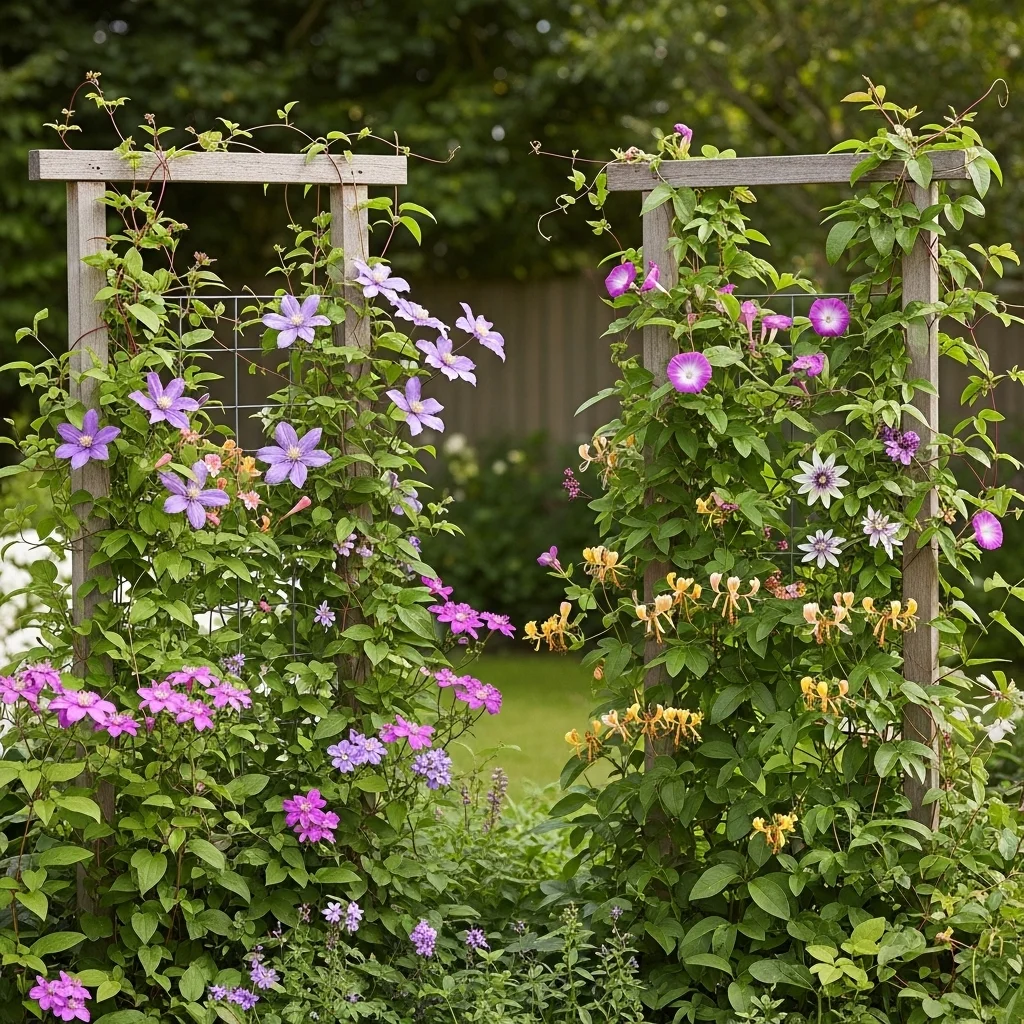
Flowering vines on trellises create vertical layers in your pollinator garden, providing nectar-rich blooms and perching opportunities for bees, butterflies, and hummingbirds. Vines like clematis, morning glory, and honeysuckle climb naturally, covering structures with vibrant colors and sweet scents. They not only attract pollinators but also add height, texture, and drama to your garden space.
Styling flowering vines involves training them along wooden trellises, fences, or pergolas. Mixing different bloom colors and plant types creates visual depth and ensures seasonal interest. Incorporating decorative elements like hanging lanterns or small wind chimes adds charm and personality. This approach maximizes space vertically, turning unused walls or corners into lively, pollinator-friendly focal points.
12. Seasonal Bloom Rotation

Maintaining continuous blooms throughout the year ensures pollinators have a steady supply of nectar and pollen. By rotating seasonal flowers—spring tulips, summer coneflowers, fall asters—you keep your garden visually dynamic while supporting pollinator health. This strategy encourages bees, butterflies, and hummingbirds to visit consistently, enhancing biodiversity and ecological stability.
Styling seasonal bloom rotation involves careful planning of bloom times, plant spacing, and color harmony. Layer taller flowers in the back and shorter varieties in front to maintain visibility and create depth. Complementing flowers with low-maintenance groundcovers or perennials keeps the garden full and lively throughout the year. This approach combines ecological responsibility with aesthetic appeal, making your garden both functional and beautiful in every season.
13. Pollinator-Friendly Lawn Edges
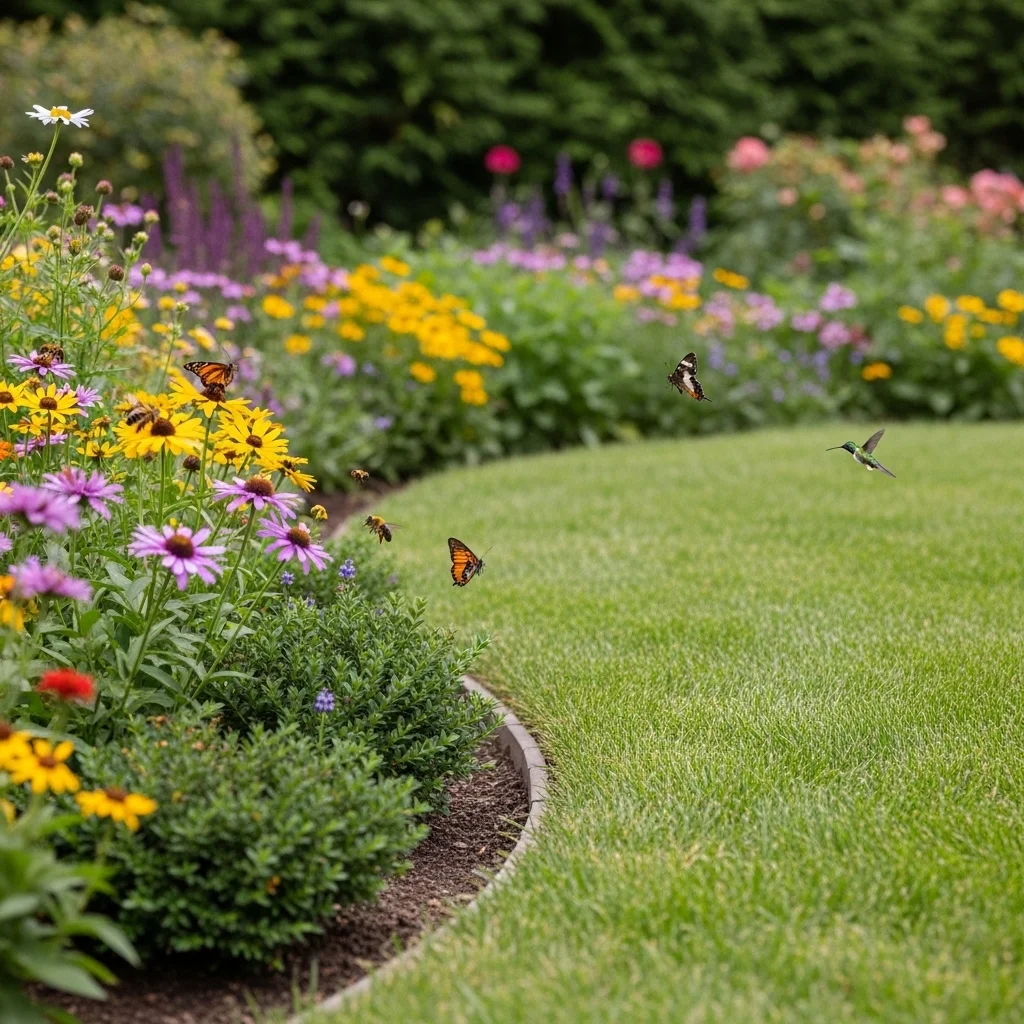
Even your lawn can be a pollinator haven if edged with flowering plants or herbs. Creating a buffer of nectar-rich flowers along lawn perimeters draws pollinators from the grass to your garden beds. Plants like marigolds, coreopsis, and thyme provide both beauty and function while softening the boundaries between grass and flower beds.
Styling pollinator-friendly lawn edges involves selecting low-maintenance, drought-tolerant plants that can withstand foot traffic. Curved or irregular edges create a more natural, organic look compared to rigid straight lines. Adding decorative stones or mulch along edges helps retain moisture and enhances the visual appeal. This subtle approach integrates pollinator-friendly elements into everyday garden spaces while maintaining a polished, cohesive design.
14. Mini Wildflower Pockets

Mini wildflower pockets are small, contained areas planted with native flowers, perfect for attracting pollinators to limited spaces such as balconies, patios, or small yards. These pockets can be built using containers, raised beds, or even repurposed wooden crates. By concentrating colorful blooms in a compact area, you create microhabitats that are highly attractive to bees, butterflies, and hummingbirds.
Styling mini wildflower pockets involves layering flowers of varying heights and textures for visual depth. Pairing blooms with small decorative stones, moss, or groundcovers enhances aesthetic appeal and provides perching or resting spaces for pollinators. These compact, charming plantings are perfect for urban gardens, offering the benefits of a full-sized pollinator garden in a limited footprint.
15. Habitat Features for Pollinators
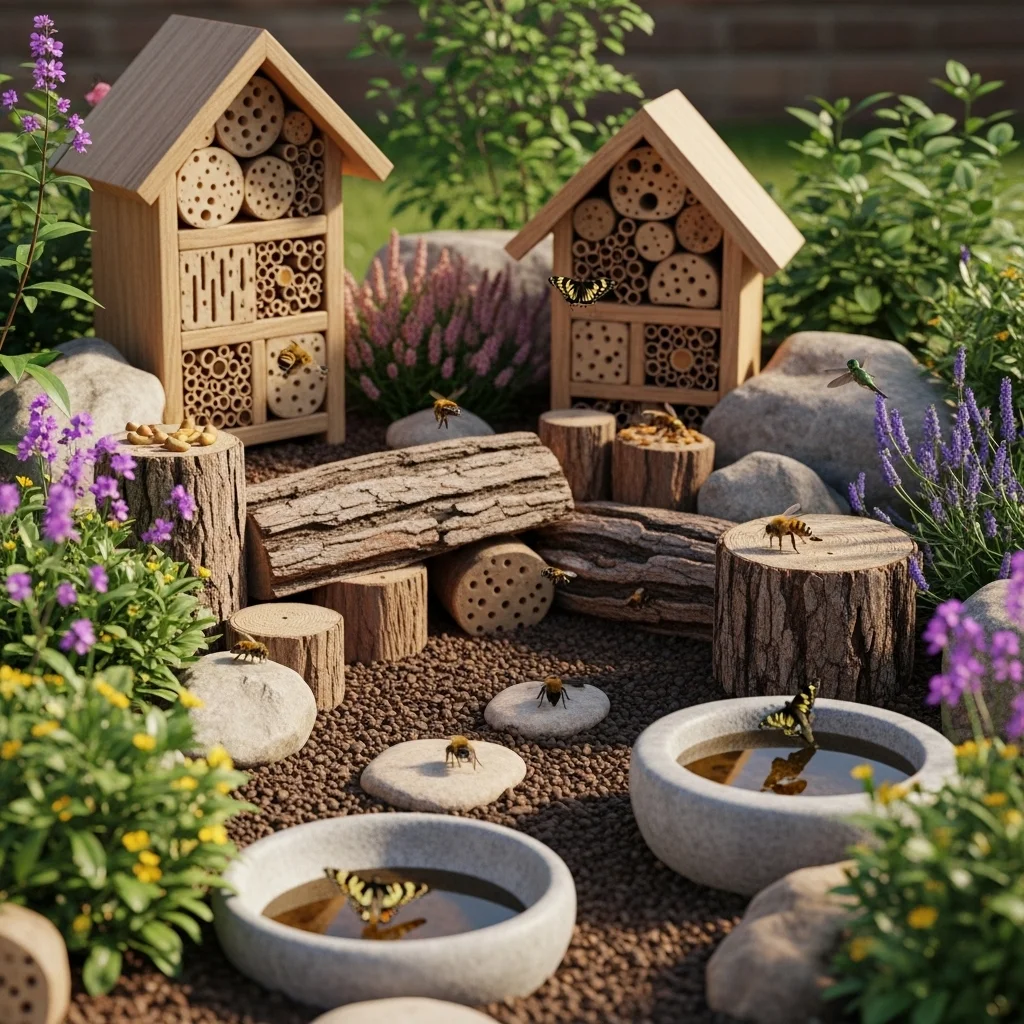
Adding small habitat features such as bee hotels, nesting boxes, or small brush piles creates shelter and breeding opportunities for pollinators. These structures support insect health, increase pollination rates, and encourage repeat visits to your garden. Hummingbirds benefit from perches, while solitary bees and butterflies thrive with protective nooks.
Styling habitat features involves placing them near nectar sources while blending them with the overall garden design. Wooden bee hotels, painted insect boxes, or small decorative logs enhance both utility and aesthetics. Combining habitat features with flowering plants and water sources creates a fully integrated ecosystem that nurtures pollinators while adding charm, texture, and interest to your garden space.
16. Native Grass Patches
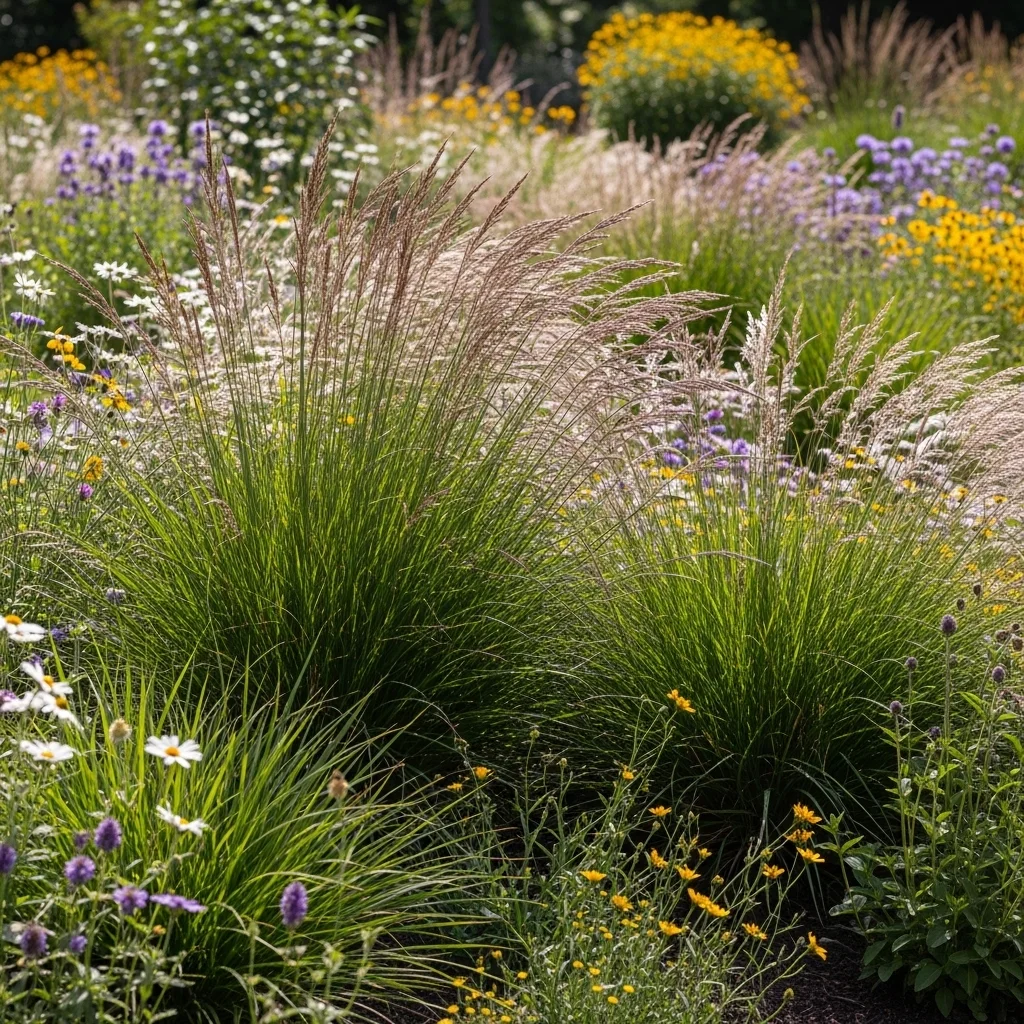
Integrating native grasses into your pollinator garden provides shelter, resting areas, and additional nectar sources for insects and birds. Grasses like switchgrass or little bluestem create soft movement in the wind, adding texture and a natural rhythm to your garden. Pollinators use these grasses for temporary perches and protection from predators, making your garden more functional.
Styling native grass patches involves layering them with flowers and shrubs to create height contrast and depth. Group taller grasses at the back and shorter varieties near the edges for balance. Adding small stones or mulch around the base enhances moisture retention and visual appeal. These patches add a dynamic, naturalistic element that supports wildlife while enriching the garden’s aesthetic.
17. Shade-Tolerant Pollinator Plants
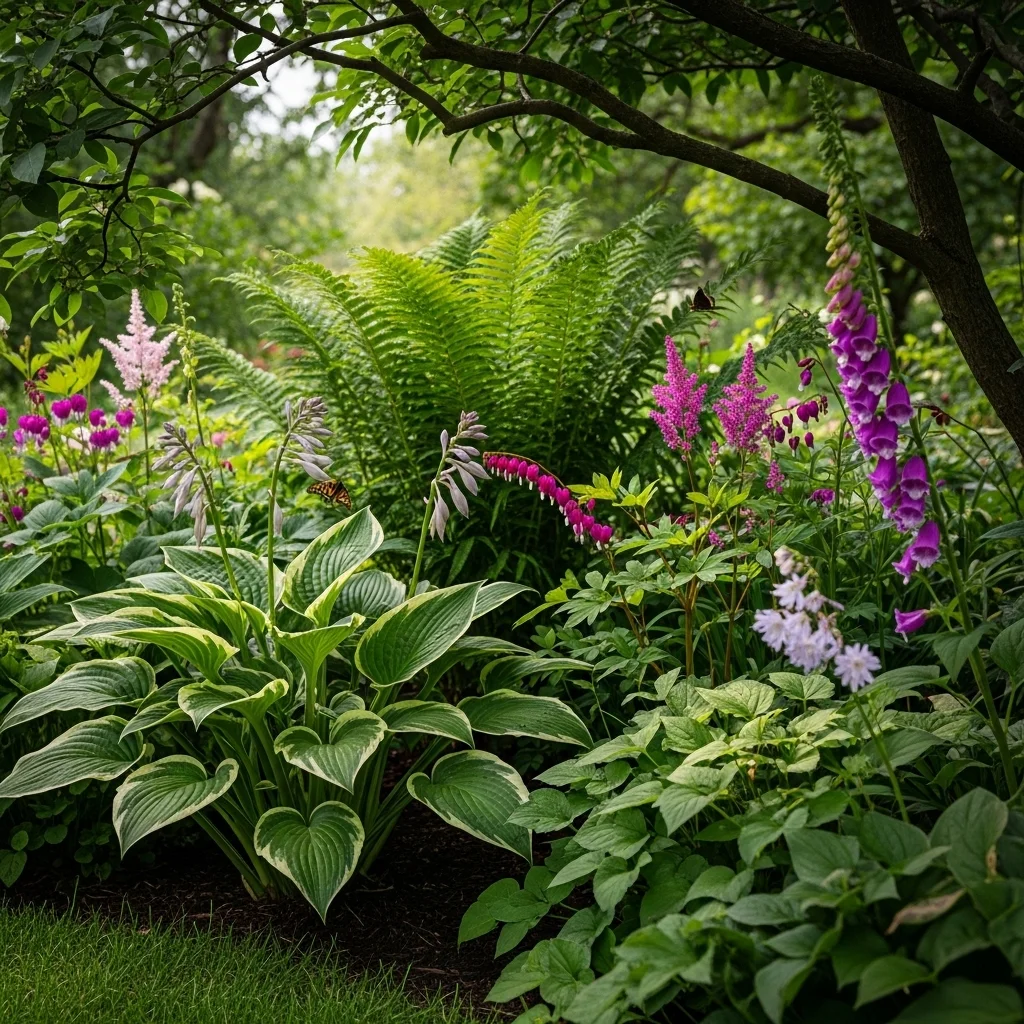
Not all pollinator gardens need full sun. Incorporating shade-tolerant flowers and plants like hostas, ferns, astilbes, and bleeding hearts allows pollinators to access resources in shaded garden corners or under trees. These plants attract bees and butterflies while adding a calming, cool ambiance.
Styling shade-tolerant pollinator areas involves arranging plants with varying textures and leaf colors for visual interest. Adding small decorative elements such as moss-covered stones or shaded water dishes enhances both function and aesthetics. This approach maximizes underutilized areas, turning them into lush, pollinator-friendly havens.
18. Rooftop Pollinator Garden
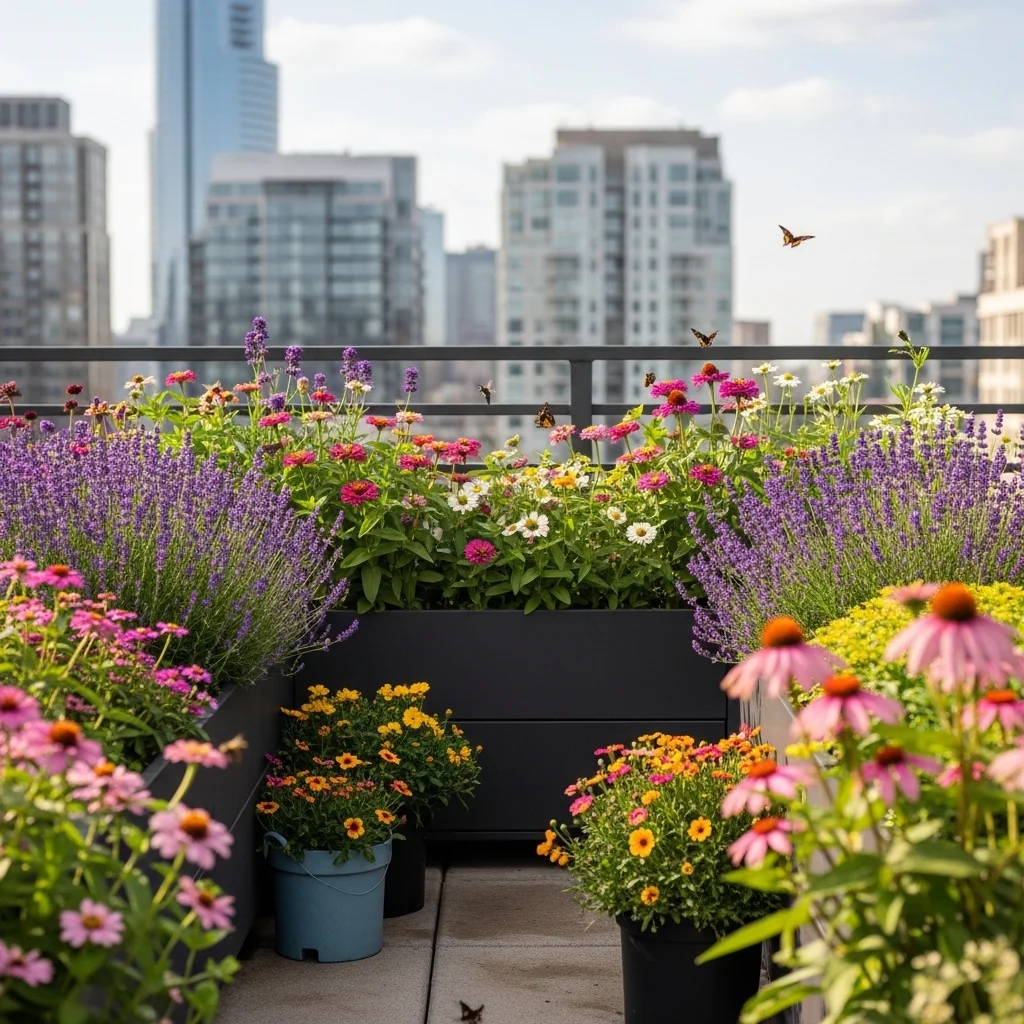
Urban rooftops can become buzzing sanctuaries for pollinators with the right plants and containers. Using shallow raised beds, large pots, and railing planters, you can grow flowers, herbs, and small shrubs that attract bees, butterflies, and hummingbirds. Rooftop gardens also help mitigate heat while adding greenery to city landscapes.
Styling a rooftop pollinator garden involves arranging containers to optimize sunlight and airflow. Layering plants by height, adding vertical trellises, and including water sources ensures a thriving ecosystem. Lightweight soil mixes and wind protection are key for sustainability. This approach transforms overlooked rooftop spaces into lively, pollinator-rich retreats.
19. Seasonal Flower Rotation in Containers

Container gardening allows you to rotate seasonal flowers to provide pollinators with a year-round nectar supply. Plant spring blooms like tulips, summer flowers like coneflowers, and fall asters in portable pots that can be rearranged to follow sunlight or bloom patterns. This strategy keeps pollinators active and engaged throughout the seasons.
Styling involves grouping containers of varying heights and sizes for visual depth, and selecting complementary colors for a cohesive look. Adding shallow water dishes and small decorative stones enhances functionality and aesthetic appeal. Seasonal rotation keeps your pollinator garden dynamic, ensuring it’s always inviting for insects and birds.
20. Companion Planting for Pollinators

Using companion planting strategies helps attract pollinators while supporting plant health and growth. Flowers like marigolds, nasturtiums, and calendula planted alongside vegetables or herbs provide nectar and protection, encouraging pollination and boosting yields. Bees and butterflies are drawn to these flowers while benefiting the surrounding plants.
Styling companion planting involves carefully arranging blooms with compatible vegetables or herbs. Consider plant heights, bloom times, and colors for a layered, visually appealing garden. Mulching and grouping plants strategically ensures that pollinators can easily navigate your garden while providing maximum ecological benefit. This technique blends productivity, beauty, and biodiversity seamlessly.
Final Thoughts
Pollinator gardens are not only visually stunning but also crucial for supporting bees, butterflies, hummingbirds, and other beneficial insects. By incorporating these 20 pollinator garden ideas, you create a space that is alive with movement, color, and fragrance, while also contributing to ecological balance. From flower-rich beds and native plant clusters to rooftop gardens and companion planting, every idea combines beauty with function, turning ordinary yards, patios, and balconies into thriving sanctuaries.
Designing a pollinator-friendly garden encourages creativity and personalization. You can mix textures, plant heights, and bloom colors to craft a dynamic and visually appealing environment. Adding water sources, shaded areas, and habitat features ensures pollinators thrive year-round, while decorative elements like stones, lanterns, and trellises enhance aesthetics. Each component supports biodiversity and creates a lively, sensory-rich experience that inspires connection to nature.
Ultimately, pollinator gardens are versatile, rewarding, and eco-friendly. Whether you have a small urban balcony or a sprawling backyard, these 20 ideas allow you to design a space that nurtures wildlife, boosts plant health, and fills your garden with life, beauty, and purpose. By thoughtfully layering plants and incorporating functional features, your pollinator garden becomes both a feast for the senses and a vital ecological haven.
FAQs
1. What plants are best for a pollinator garden?
Nectar-rich flowers, native plants, flowering shrubs, herbs, and climbing vines attract a wide variety of pollinators including bees, butterflies, and hummingbirds.
2. Can I create a pollinator garden in a small space?
Yes! Container gardens, mini wildflower pockets, and vertical setups are perfect for balconies, patios, and small urban areas.
3. How do I keep my pollinator garden healthy year-round?
Rotate seasonal blooms, maintain soil quality, provide water sources, and prune plants regularly to ensure continuous pollinator activity.
4. Will pollinator gardens help my vegetables and fruits?
Absolutely. Attracting pollinators increases cross-pollination, improves yields, and supports overall plant health.
5. Can I combine different garden styles in a pollinator garden?
Yes, mixing minimalist, boho, rustic, or modern styles along with varied plant types creates a unique, functional, and visually appealing pollinator garden.