How Much to Paint a Bedroom: Cost Breakdown, Painting Tips & Budget Guide
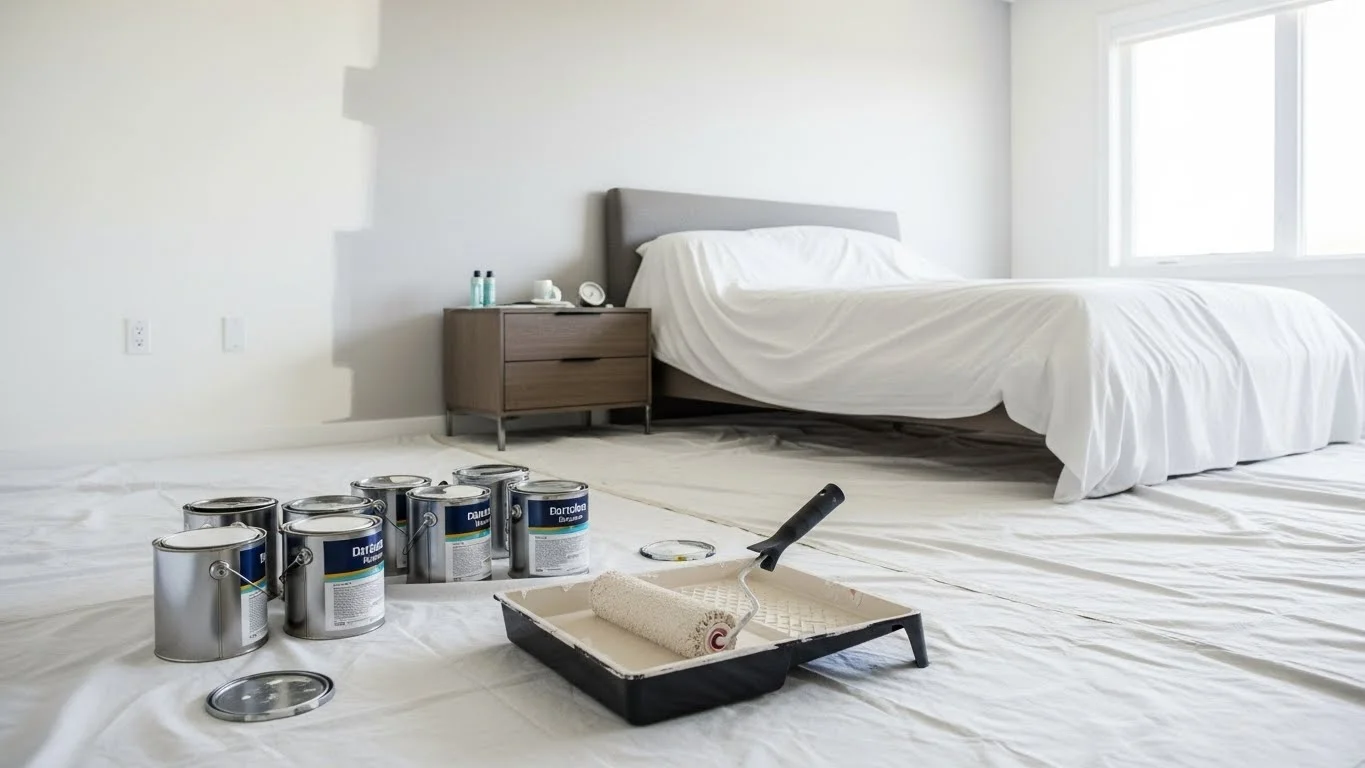
Painting your bedroom is one of the most affordable ways to refresh your space and transform its energy. But before opening that paint can, you may be wondering: how much to paint a bedroom realistically costs. The answer depends on factors like room size, paint quality, labor, and whether you’ll do it yourself or hire professionals.
A well-planned painting project not only changes your walls but also uplifts the mood of your entire home. Understanding pricing in advance helps you set a clear budget, avoid hidden costs, and choose the right products without compromise. Whether you’re updating a single wall or redesigning your entire room, having a clear bedroom painting cost estimate keeps your project stress-free and efficient.
In this guide, you’ll learn about average costs, DIY versus professional pricing, preparation tips, and smart budgeting advice to help you plan your next bedroom refresh with confidence.
1. Average Cost to Paint a Bedroom
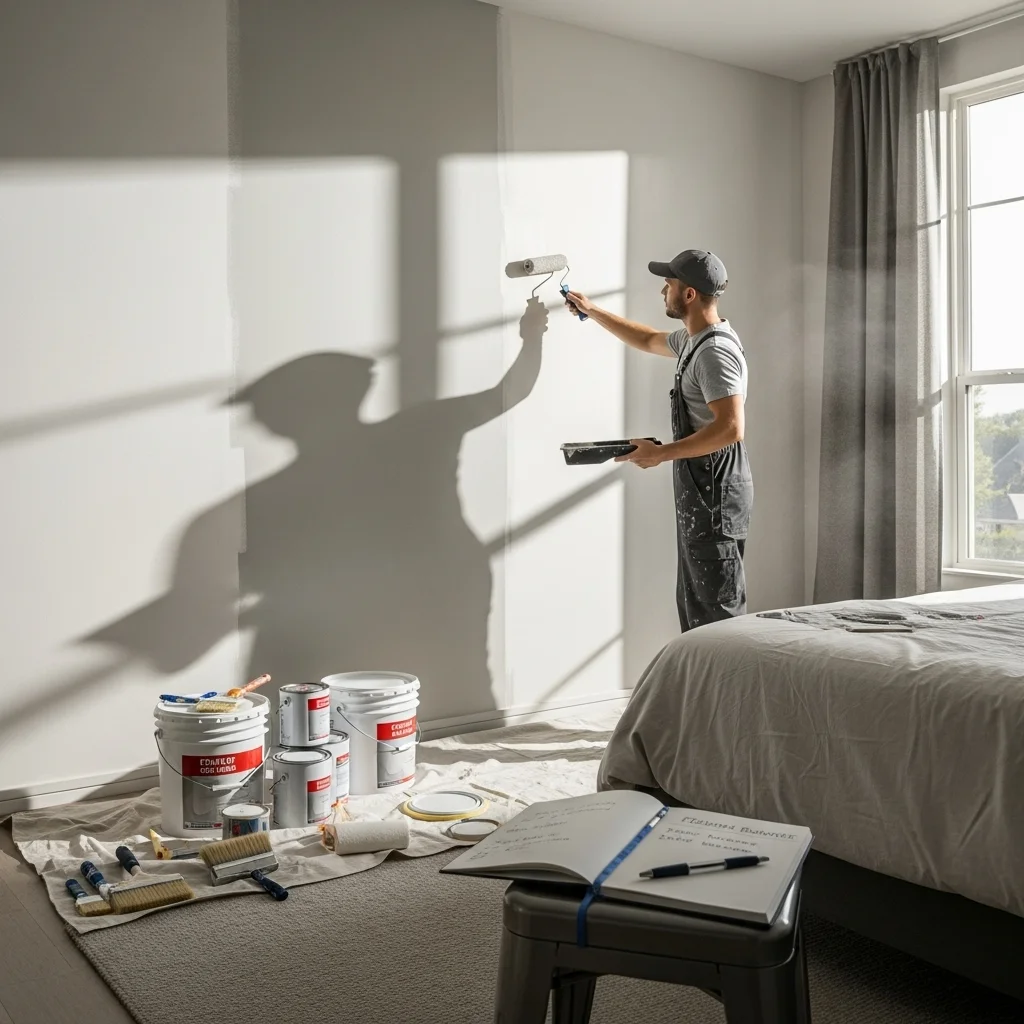
On average, painting a standard 10×12-foot bedroom costs between $300 and $800, depending on the quality of materials and whether you hire a professional. This estimate includes paint, supplies, and labor if you choose to outsource the job.
If you’re painting yourself, you could spend as little as $100–$200, mostly on paint and basic tools. However, professional painters charge around $2–$4 per square foot, making pricing vary based on ceiling height and wall texture. Knowing these numbers helps clarify how much to paint a bedroom in both DIY and professional contexts.
2. Factors That Affect the Total Cost
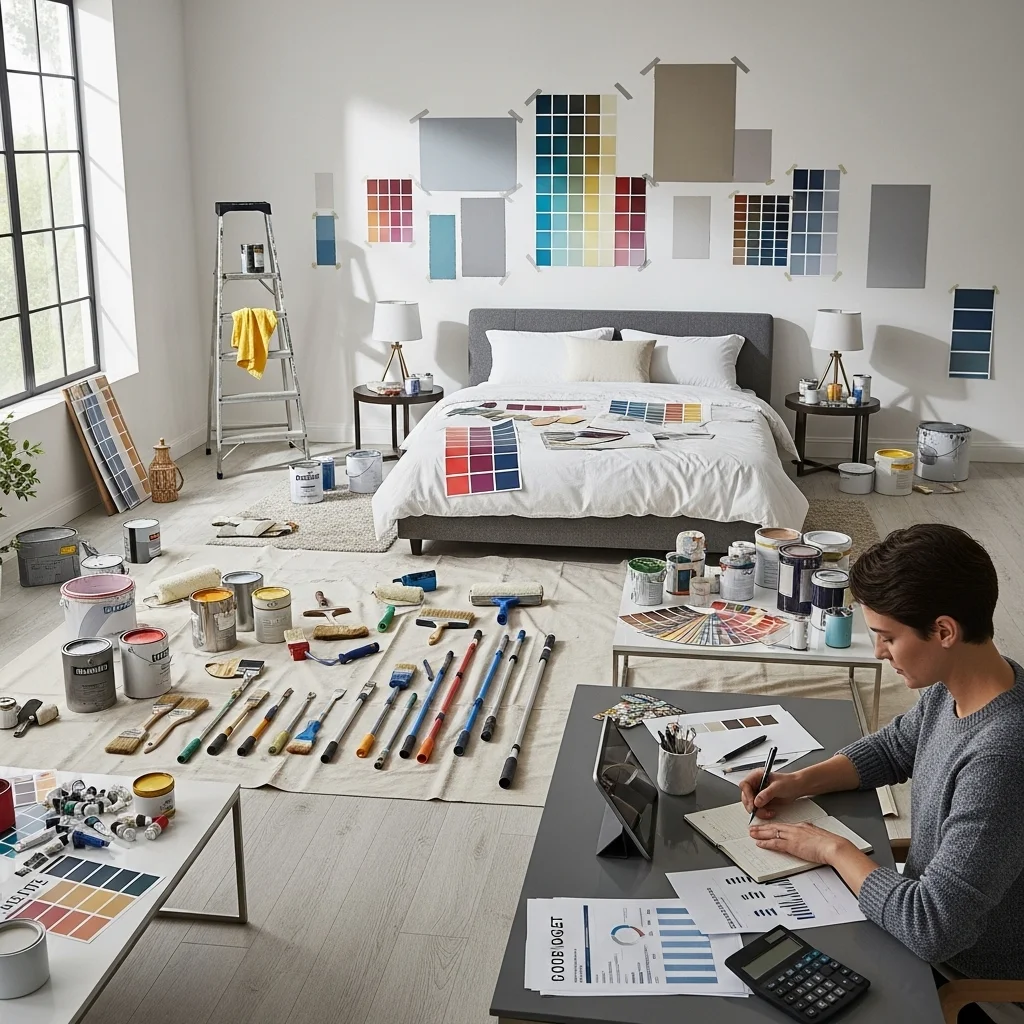
Several variables determine the total price of painting your bedroom:
- Room Size: Larger rooms require more paint and time.
- Paint Quality: Premium paints cost more but provide better coverage and longevity.
- Wall Condition: Damaged or textured walls need patching or priming first.
- Labor Rates: Contractor costs vary by region and experience level.
- Number of Coats: Darker colors or low-quality paint may need multiple layers.
Understanding these elements helps you customize your painting budget breakdown to suit your room and resources.
3. Cost Breakdown by Category
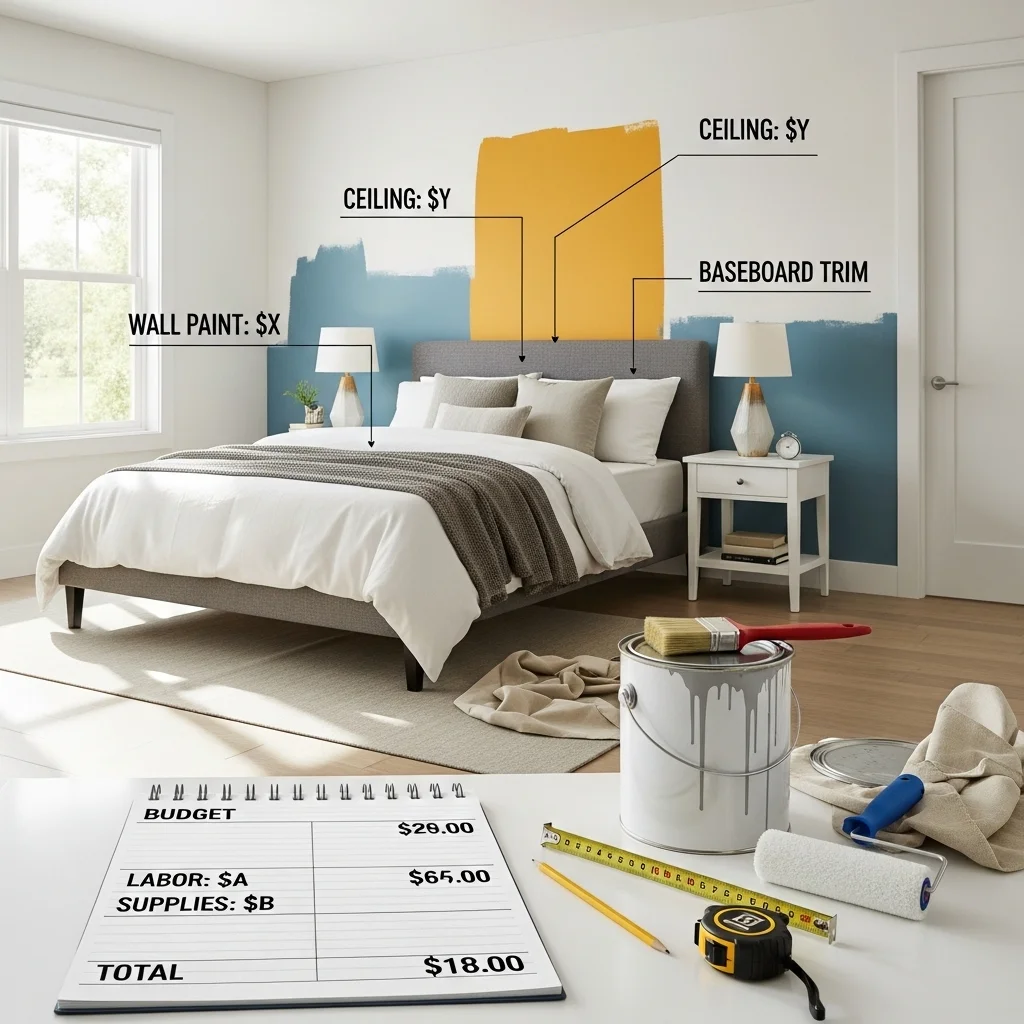
Here’s how a typical painting budget divides:
- Paint: $50–$150 (1–2 gallons for average room)
- Primer: $20–$40 (if needed)
- Tools (rollers, brushes, tape, trays): $30–$60
- Labor: $200–$500 (for professionals)
- Cleanup/Supplies: $10–$30
For a mid-range bedroom makeover, expect total costs around $400–$700 — a small investment for a fresh, beautiful environment. Breaking down these numbers early aligns with smart home improvement planning and cost management.
4. DIY Painting vs Professional Costs
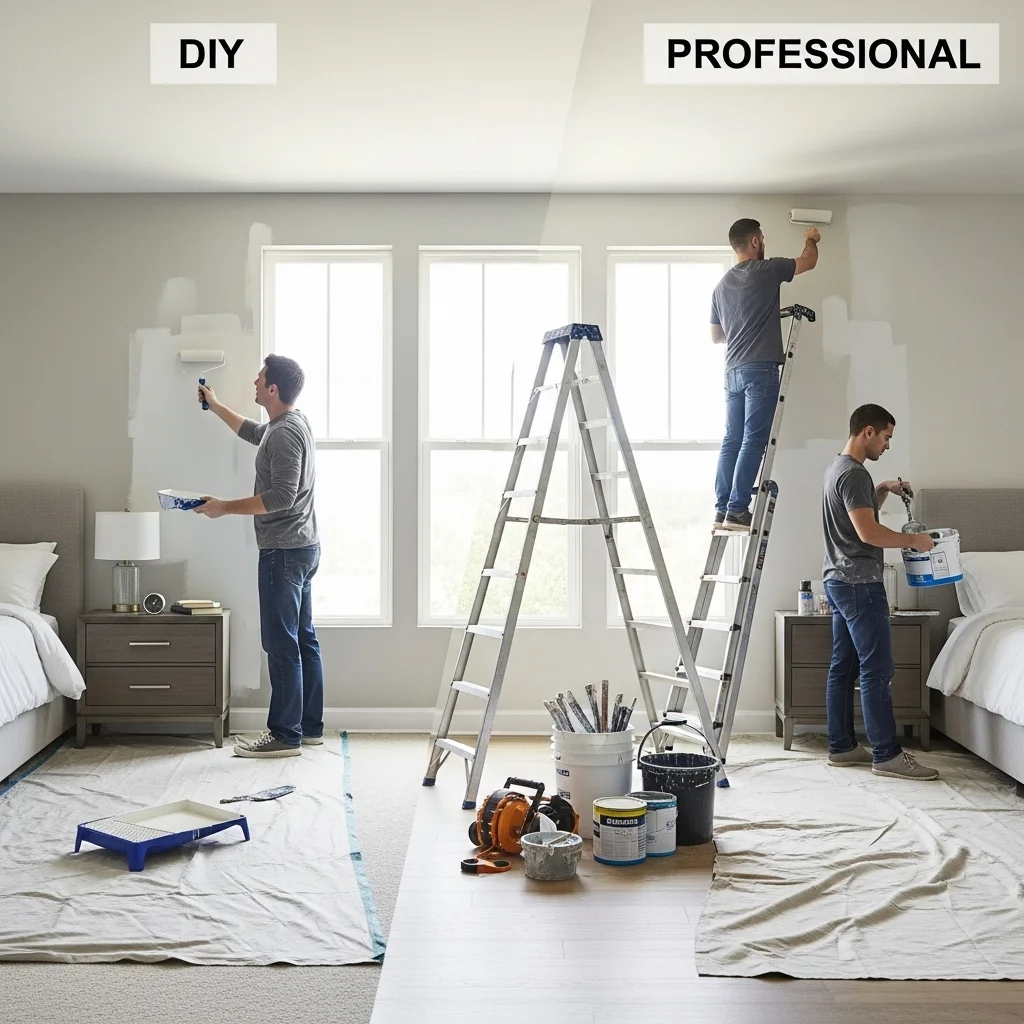
Painting yourself saves on labor, but it requires time, precision, and patience. A DIY painting vs professional decision comes down to your confidence level and schedule.
DIY jobs are ideal for smaller rooms or light color changes, while hiring pros ensures perfect edges, even coverage, and cleanup. Professionals also finish faster — often within one to two days — while a DIY project could stretch across a weekend. Balancing time versus cost will help you decide which path best fits your needs.
5. How Paint Type Affects Cost
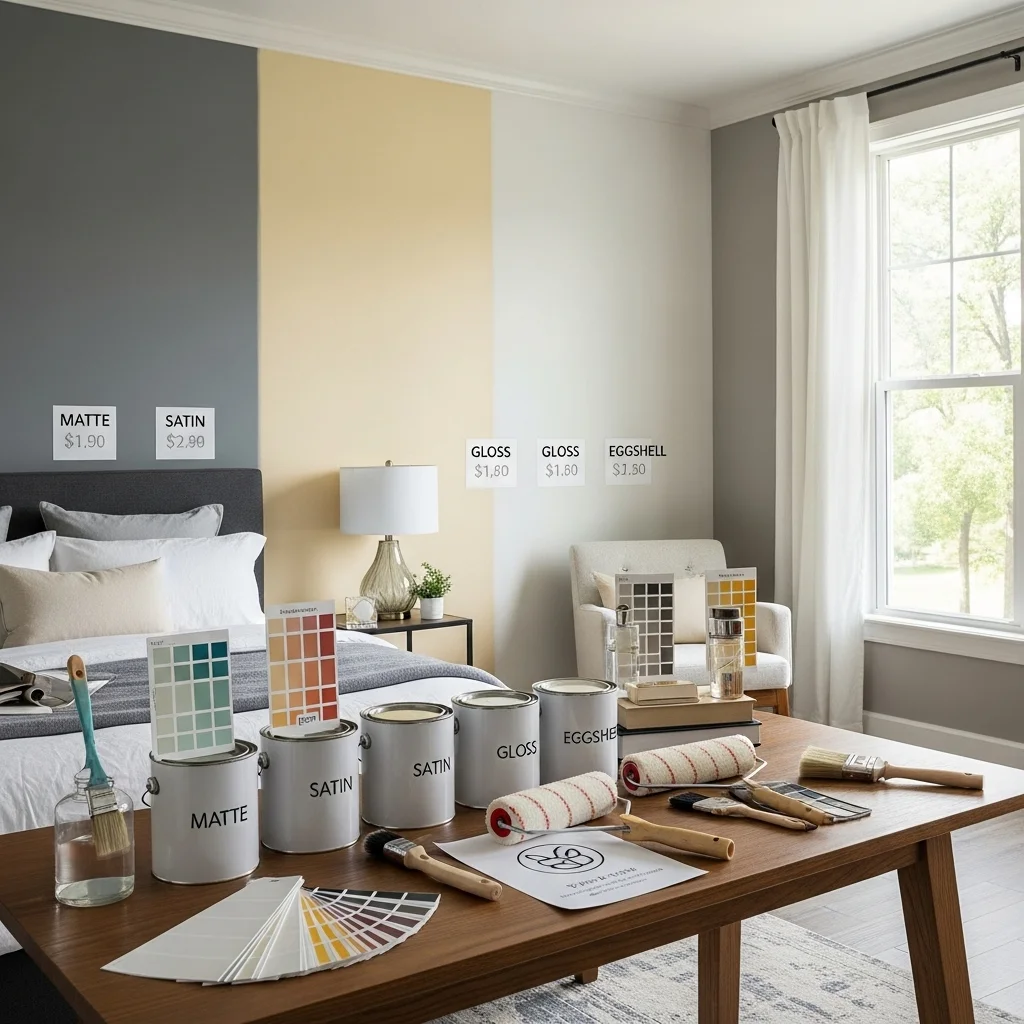
Paint price varies significantly by finish and formulation:
- Matte or Flat: $20–$40 per gallon — affordable, soft finish but less washable.
- Eggshell or Satin: $30–$60 — ideal for bedrooms, easy to clean, and slightly glossy.
- Semi-Gloss: $40–$70 — durable, great for trim but can show imperfections.
- Low-VOC or Eco-Friendly Paints: $45–$80 — healthier and odor-free options.
Choosing the right type ensures both longevity and comfort. A higher-quality paint might raise your bedroom painting cost, but it saves you from frequent touch-ups.
6. Room Preparation Costs
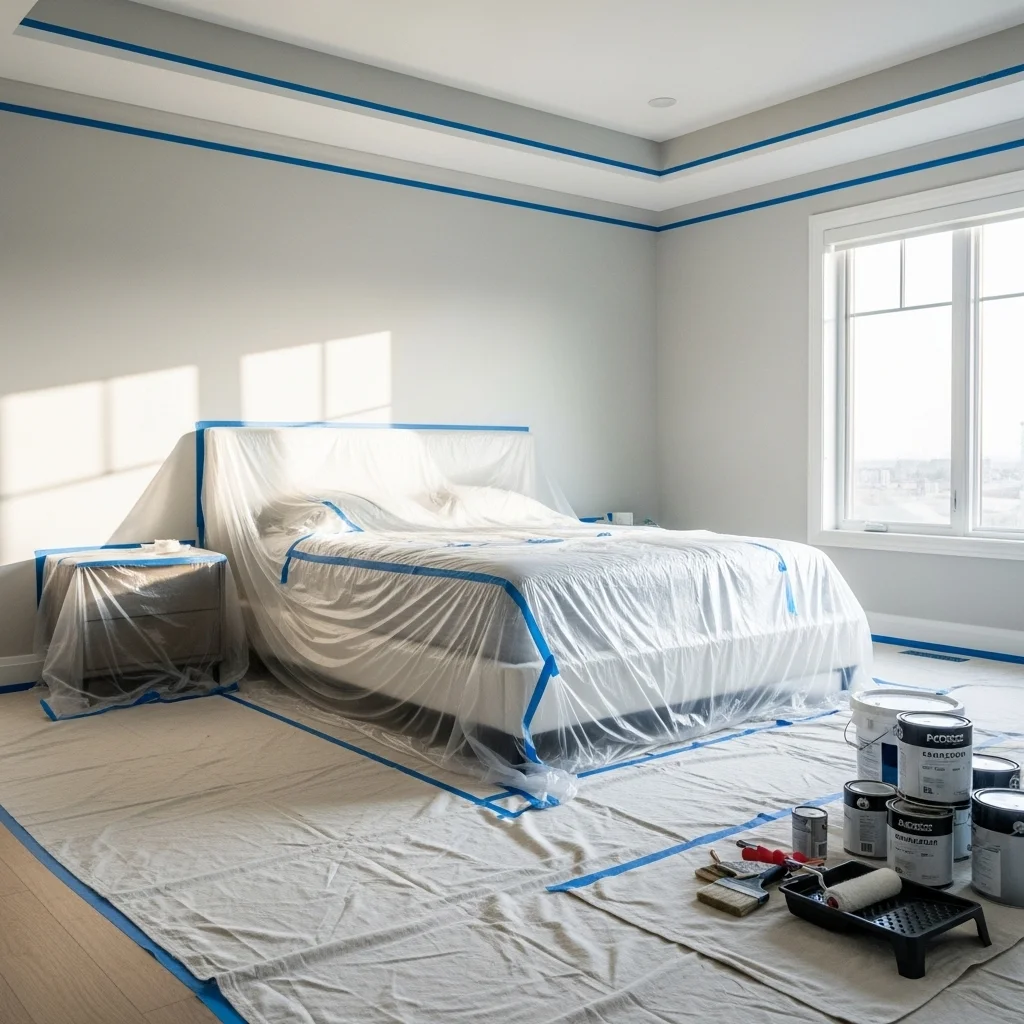
Preparation is the unsung hero of great painting results. This includes moving furniture, repairing cracks, sanding, taping edges, and cleaning walls. Professionals often include this in their quote, while DIY painters should allocate extra time and about $20–$50 for supplies.
Skipping prep can double your workload later. Proper prep work not only ensures smooth coverage but also supports your overall interior painting tips strategy for flawless results.
7. How Long It Takes to Paint a Bedroom
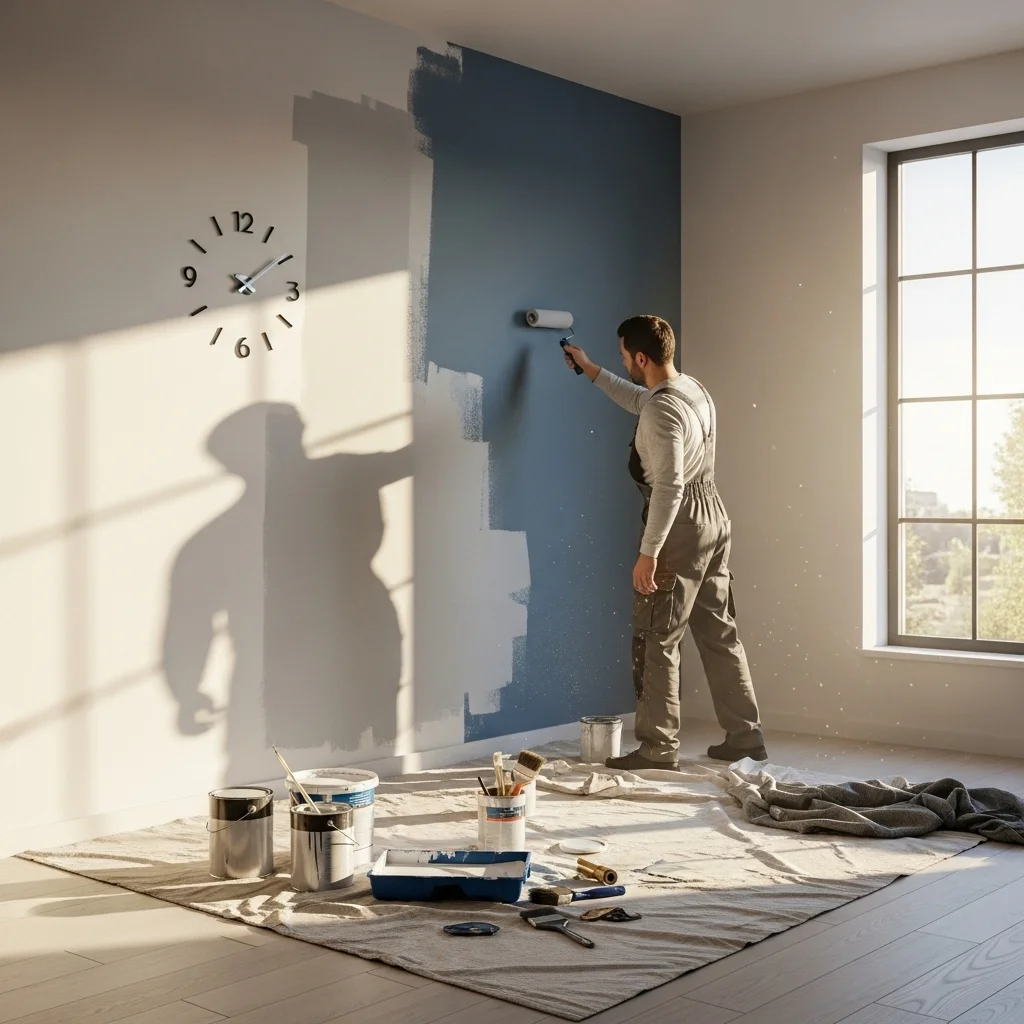
Painting typically takes 1–2 days for professionals and 2–3 days for DIYers, including prep and drying time. Smaller bedrooms might be finished in a single day, while textured walls or complex color schemes can take longer.
Factoring time into your home improvement planning keeps expectations realistic and your schedule stress-free.
8. Saving Money on Bedroom Painting
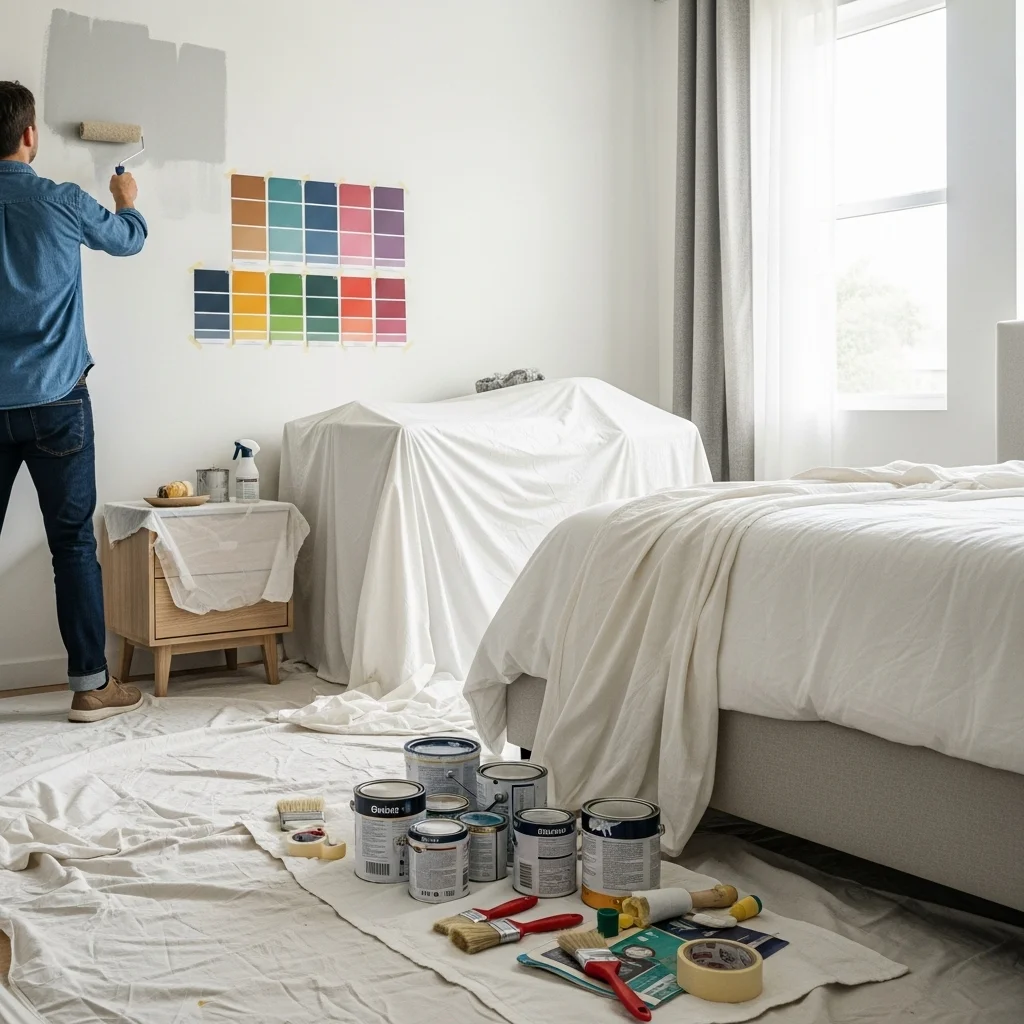
If your budget is tight, there are ways to cut costs without sacrificing quality:
- Reuse brushes and rollers if cleaned properly.
- Paint accent walls instead of the entire room.
- Choose mid-range paints that offer good coverage.
- Handle prep and cleanup yourself.
A little effort can save hundreds while maintaining style. This balanced approach to painting budget breakdown makes your project both affordable and rewarding.
9. Hiring the Right Professional
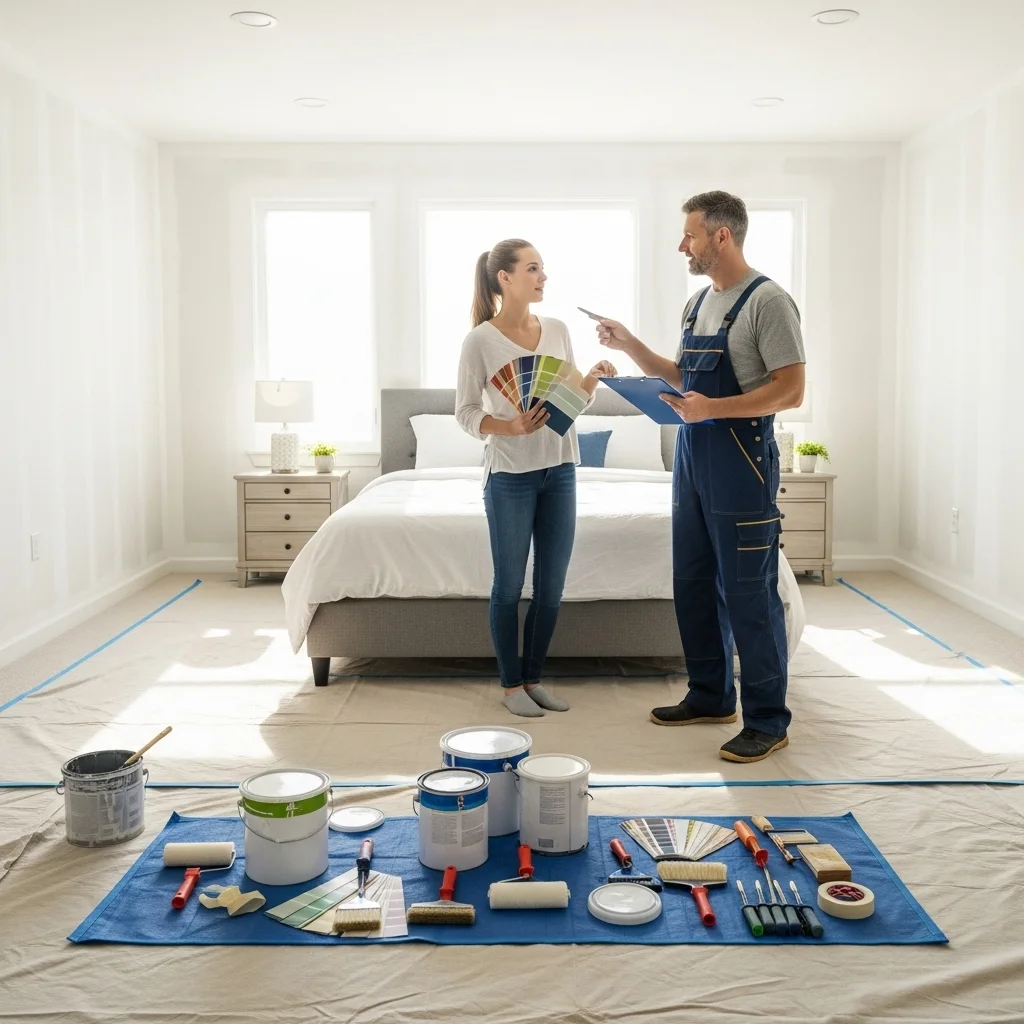
If you decide to hire a painter, get at least three quotes and check reviews before choosing. Discuss timelines, number of coats, and brand of paint included.
Reputable painters often warranty their work, adding peace of mind. Investing in skilled help can actually save money long-term, especially if your walls need repairs. It’s a wise choice in your DIY painting vs professional consideration.
10. Choosing the Right Paint Color
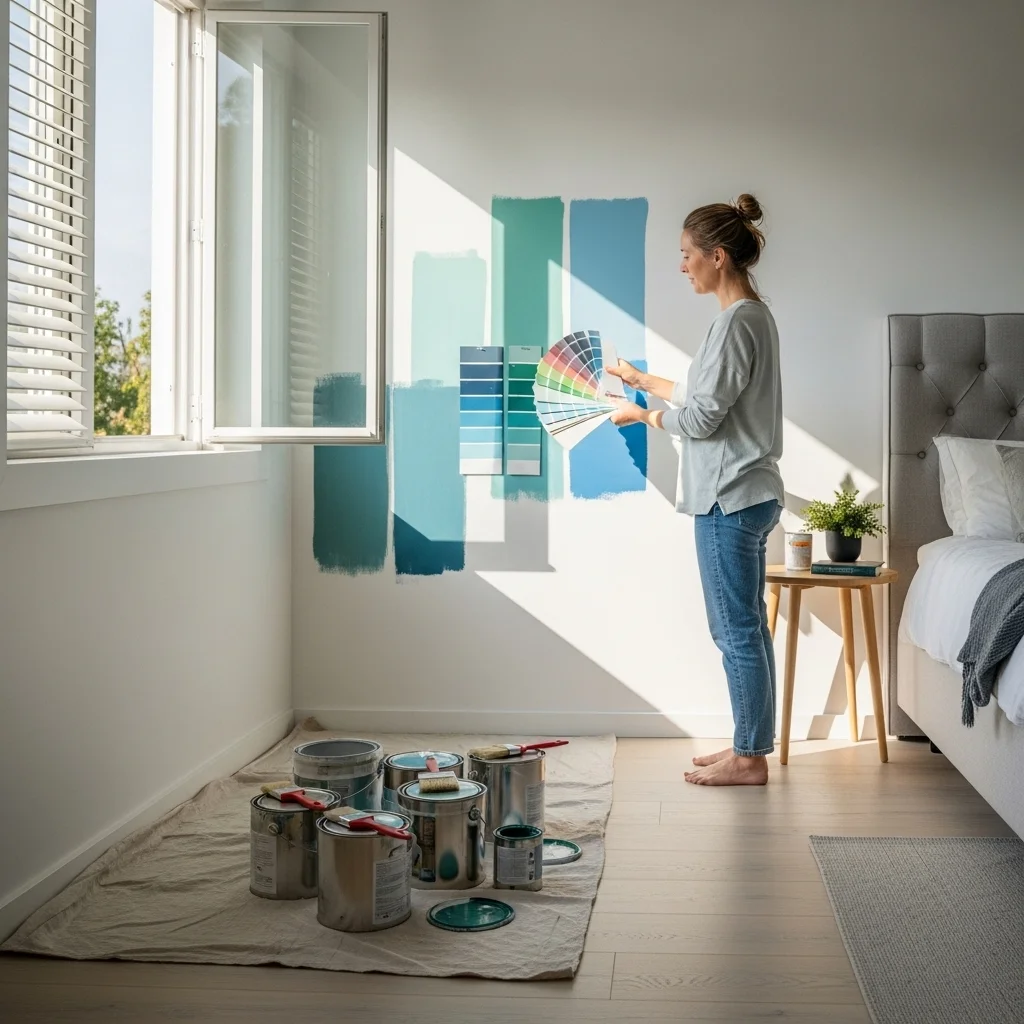
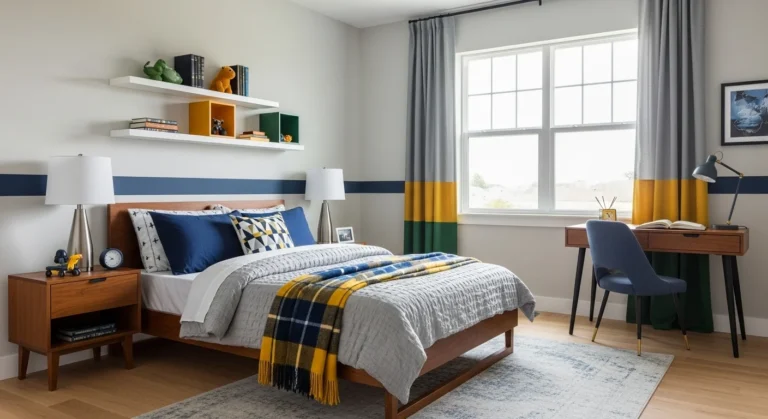
Color affects not only mood but also perceived space. Soft neutrals like beige, taupe, or sky blue make bedrooms calm and open. Deeper tones like forest green or navy create cozy intimacy.
Always test swatches on your walls under natural and artificial light before committing. Color testing is one of the simplest interior painting tips for achieving the exact atmosphere you want.
11. Cost of Painting Ceilings and Trim
If you’re refreshing ceilings or trim along with walls, expect to add about $1–$2 per square foot. Ceilings often need special flat paint, and trim requires smaller brushes and steady hands.
Including these in your initial quote prevents mid-project budget surprises. Attention to detail keeps your bedroom painting cost transparent and well-planned.
12. Regional Pricing Differences
Location can influence labor rates and paint prices. Urban areas generally have higher costs due to labor demand and travel expenses. In smaller towns, local painters may charge less, but timelines can vary.
Always compare regional averages to refine your estimate for how much to paint a bedroom accurately.
13. When to Repaint a Bedroom
Most bedrooms need repainting every 5–7 years, though high-traffic areas may need touch-ups sooner. Signs it’s time to repaint include fading, cracking, or visible scuffs.
Routine upkeep keeps your home feeling fresh, aligning with good home improvement planning habits for long-term value.
14. Additional Costs to Consider
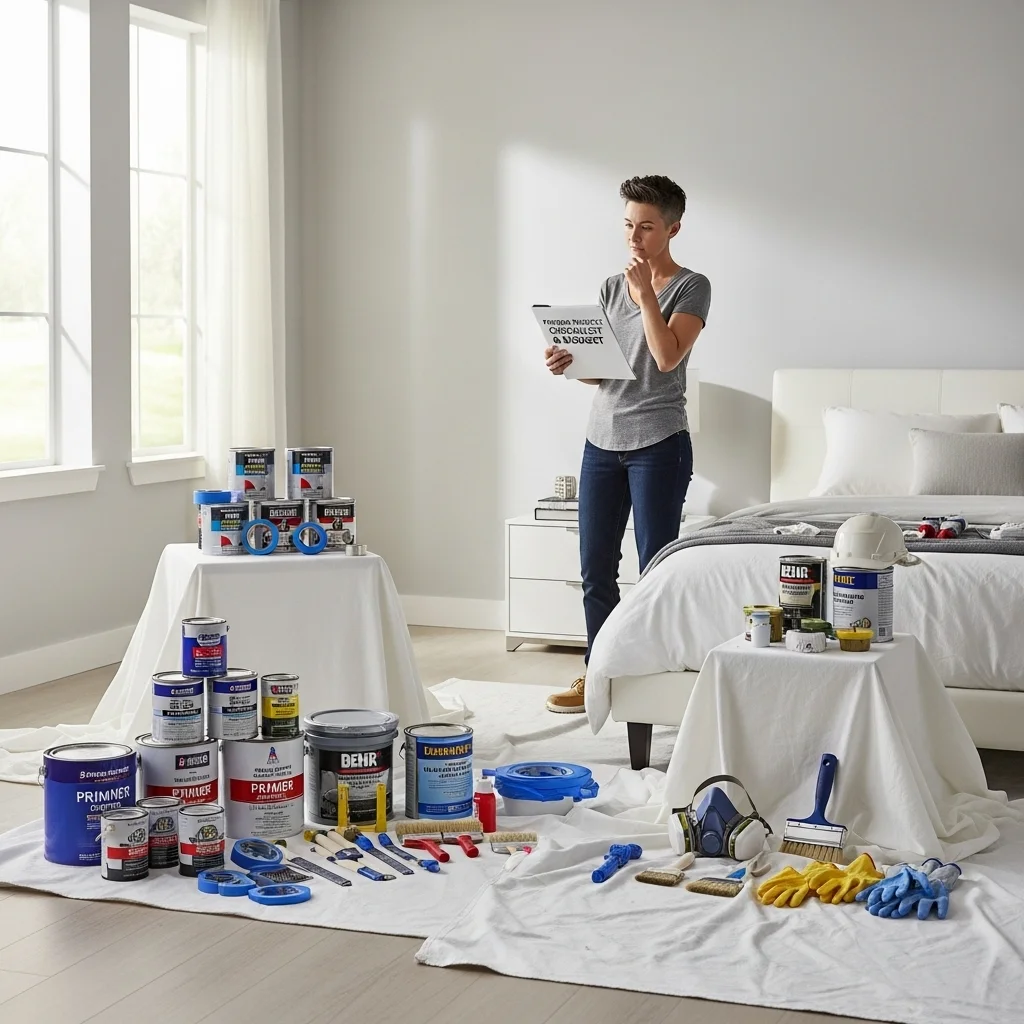
Sometimes hidden costs arise — repairing drywall, upgrading finishes, or buying primer for dark colors. Always add a 10–15% contingency to your budget to stay safe.
A realistic painting budget breakdown ensures you’re ready for small surprises without financial stress.
15. Final Cost Summary
To summarize:
- DIY Bedroom Painting: $100–$250
- Professional Painting: $300–$800
- Luxury/Custom Projects: $1,000+
These estimates cover most bedroom sizes and situations. Ultimately, how much to paint a bedroom depends on your desired finish, labor choice, and level of detail.
Final Thoughts
Painting your bedroom is one of the fastest, most affordable ways to refresh your home. Understanding the factors behind how much to paint a bedroom helps you plan realistically and choose between DIY effort and professional ease.
By setting a clear painting budget breakdown, choosing high-quality materials, and following smart interior painting tips, you can transform your space into a haven of comfort and beauty — without breaking the bank.