25 Japandi Style Kitchen Ideas for Calm, Minimalist, and Modern Zen Interiors
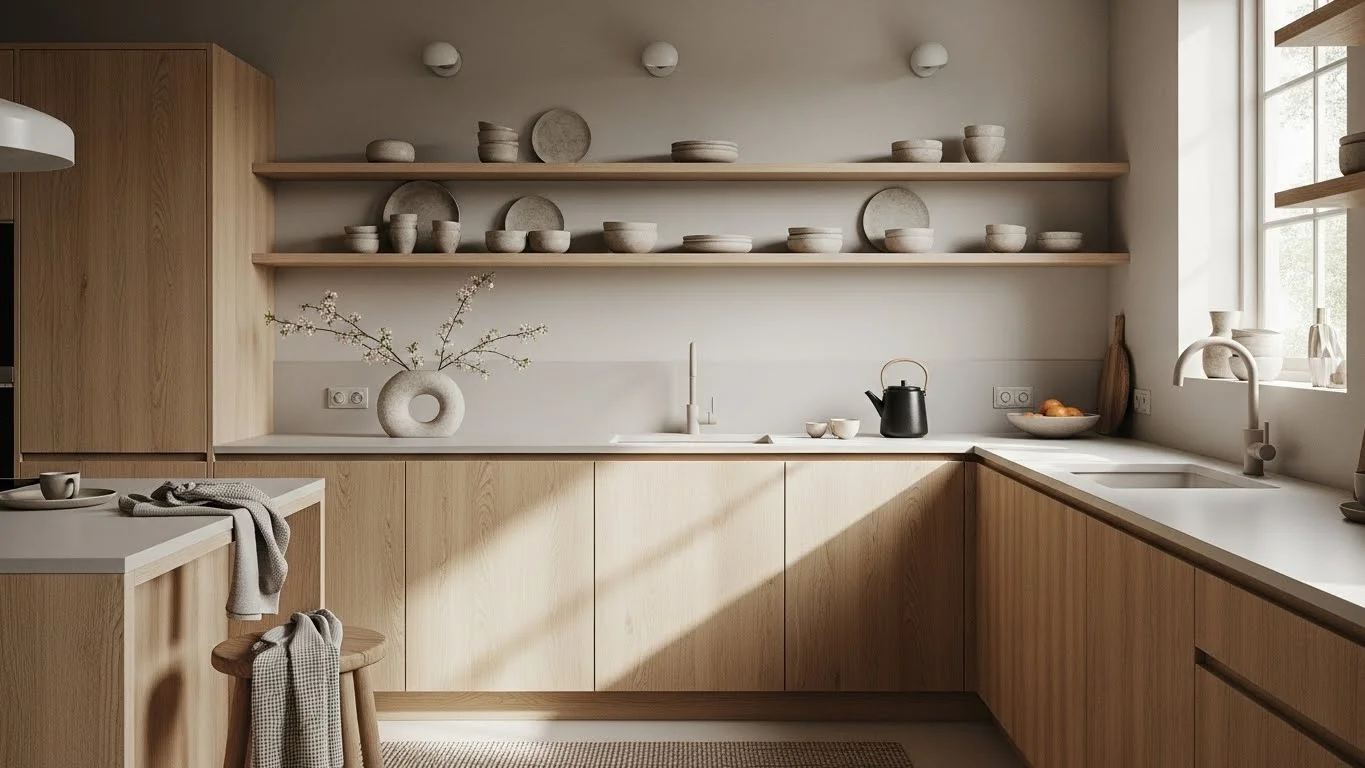
The Japandi aesthetic is where serenity meets functionality — a perfect harmony between Japanese elegance and Scandinavian simplicity. It celebrates clean lines, natural textures, and the quiet beauty of imperfection. These Japandi style kitchen ideas offer a balance between minimalism and warmth, creating spaces that feel calm, grounded, and deeply intentional.
At the heart of Japandi design is the philosophy of “less, but better.” Every detail serves a purpose — from the shape of a ceramic bowl to the curve of a wooden handle. This approach doesn’t sacrifice comfort for aesthetics; instead, it embraces simplicity as a form of luxury. It’s ideal for modern homes seeking tranquility amid life’s busyness.
In this collection of Japandi style kitchen ideas, you’ll find inspiration to design a space that nurtures both body and mind. Whether it’s natural materials, warm neutral palettes, or timeless craftsmanship, Japandi style transforms your kitchen into a sanctuary of peace and presence.
1. Embrace Natural Materials
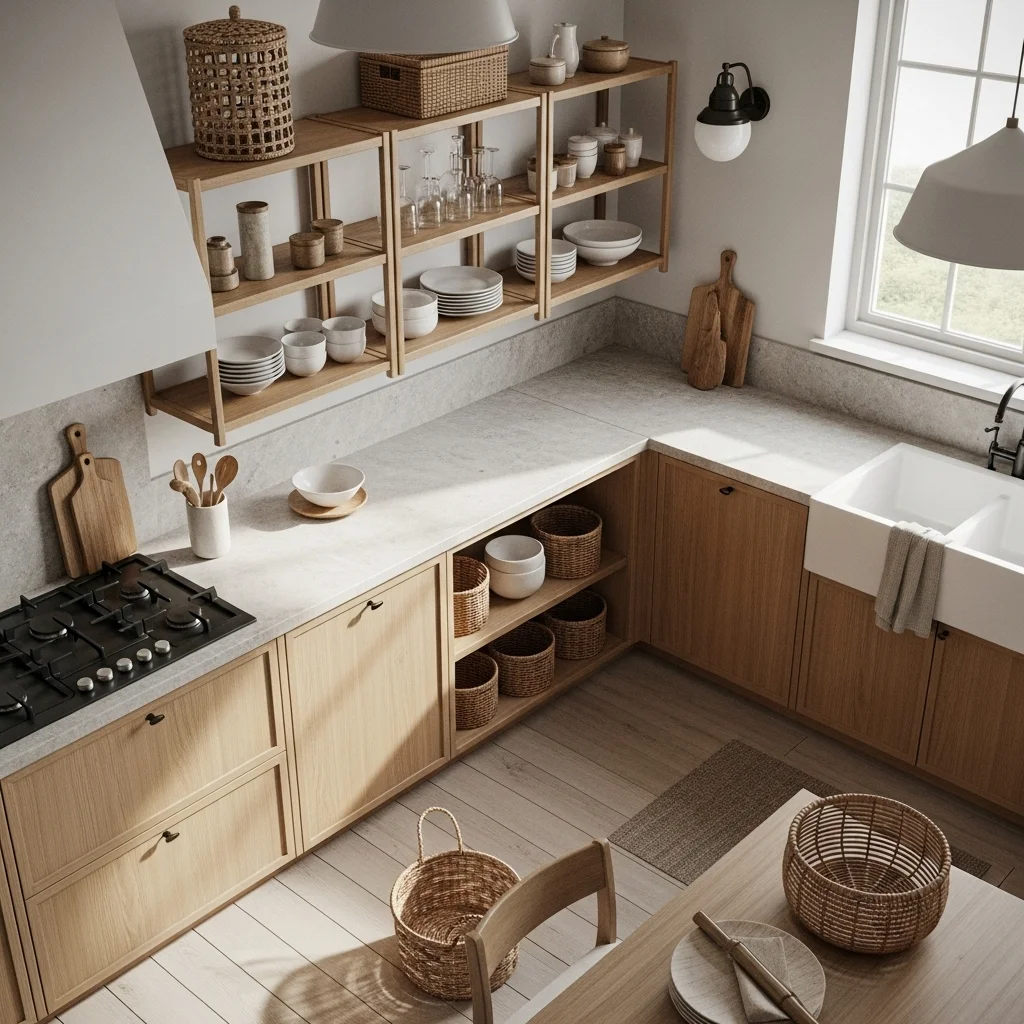
Nature lies at the core of Japandi design. Incorporate organic materials like wood, bamboo, and stone to create warmth and authenticity. Wooden cabinets with smooth grain patterns pair beautifully with stone countertops, adding both texture and calmness to your kitchen.
Natural materials not only look timeless but also age gracefully, enhancing the beauty of your space over time. These Japandi style kitchen ideas remind us that true luxury is found in simplicity and craftsmanship, where each surface tells a story of balance and connection to nature.
2. Choose a Warm Neutral Palette
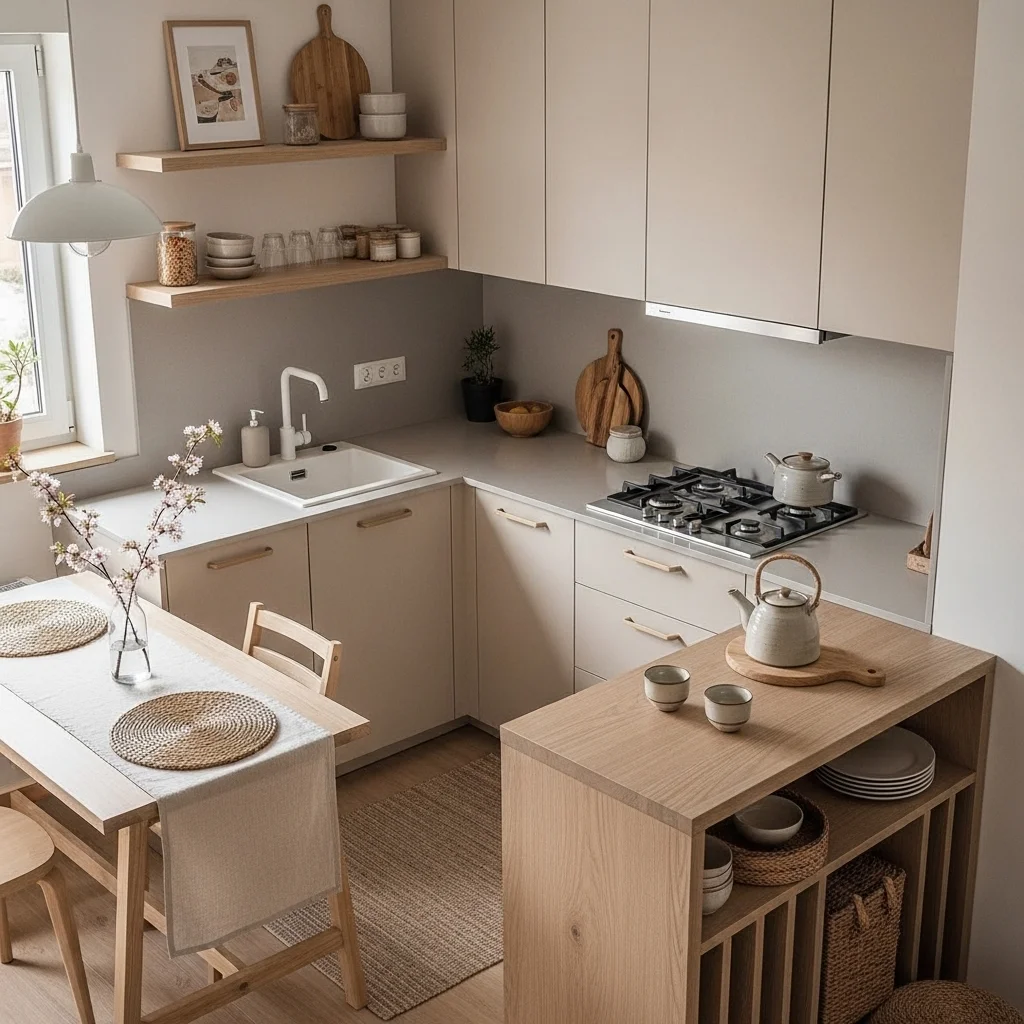
Color in Japandi design is subtle yet soulful. Soft whites, muted beiges, and warm grays form the foundation, while accents of black or earthy browns add contrast and structure. This palette evokes serenity, making your kitchen feel open, soothing, and light-filled.
Using a warm neutral palette creates visual unity throughout the space. It allows natural textures to shine and invites the mind to rest. These tones embody the gentle stillness that defines modern Zen interiors, where calmness becomes part of daily life.
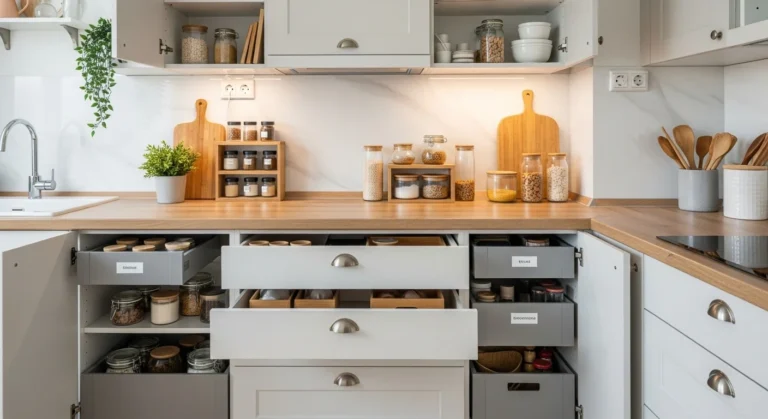
3. Opt for Clean Lines and Functionality
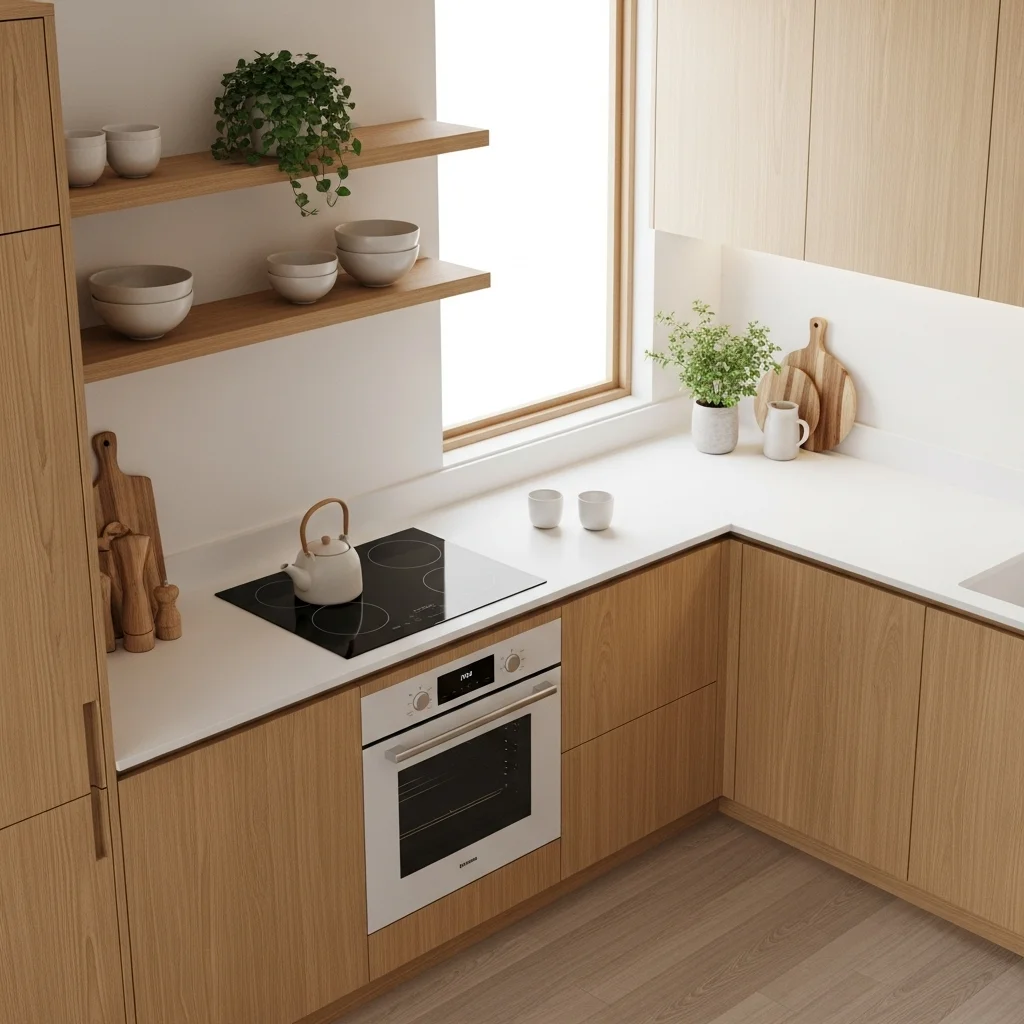
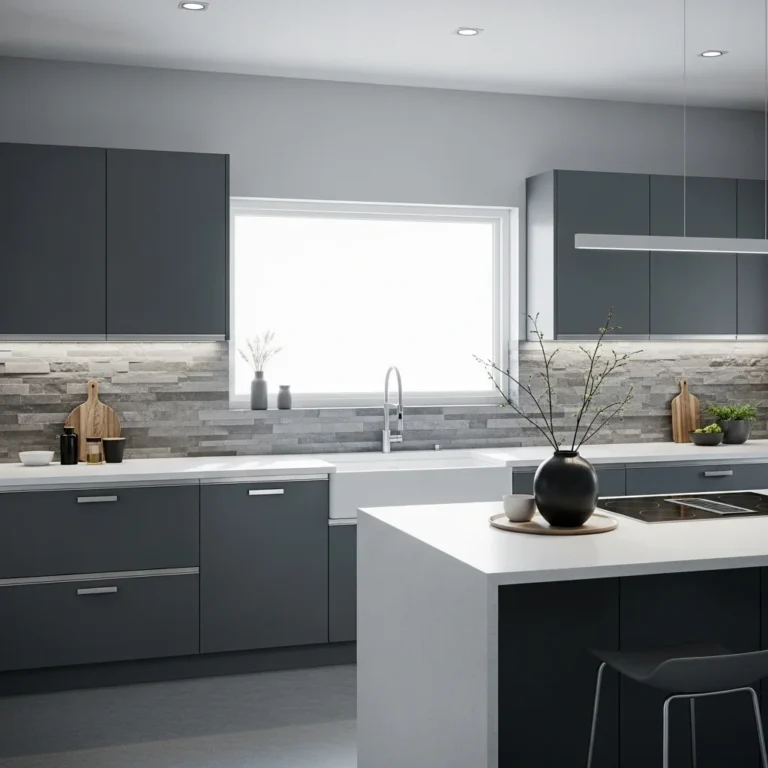
The beauty of Japandi lies in its purposeful simplicity. Choose cabinets and counters with sleek lines, minimal hardware, and hidden storage. Every element should feel intentional — nothing unnecessary, nothing excessive.
This approach captures the heart of minimalist kitchen design, where form follows function. Clean lines encourage mindfulness, allowing your kitchen to become a space for presence rather than clutter.
4. Add Open Shelving with Thoughtful Display
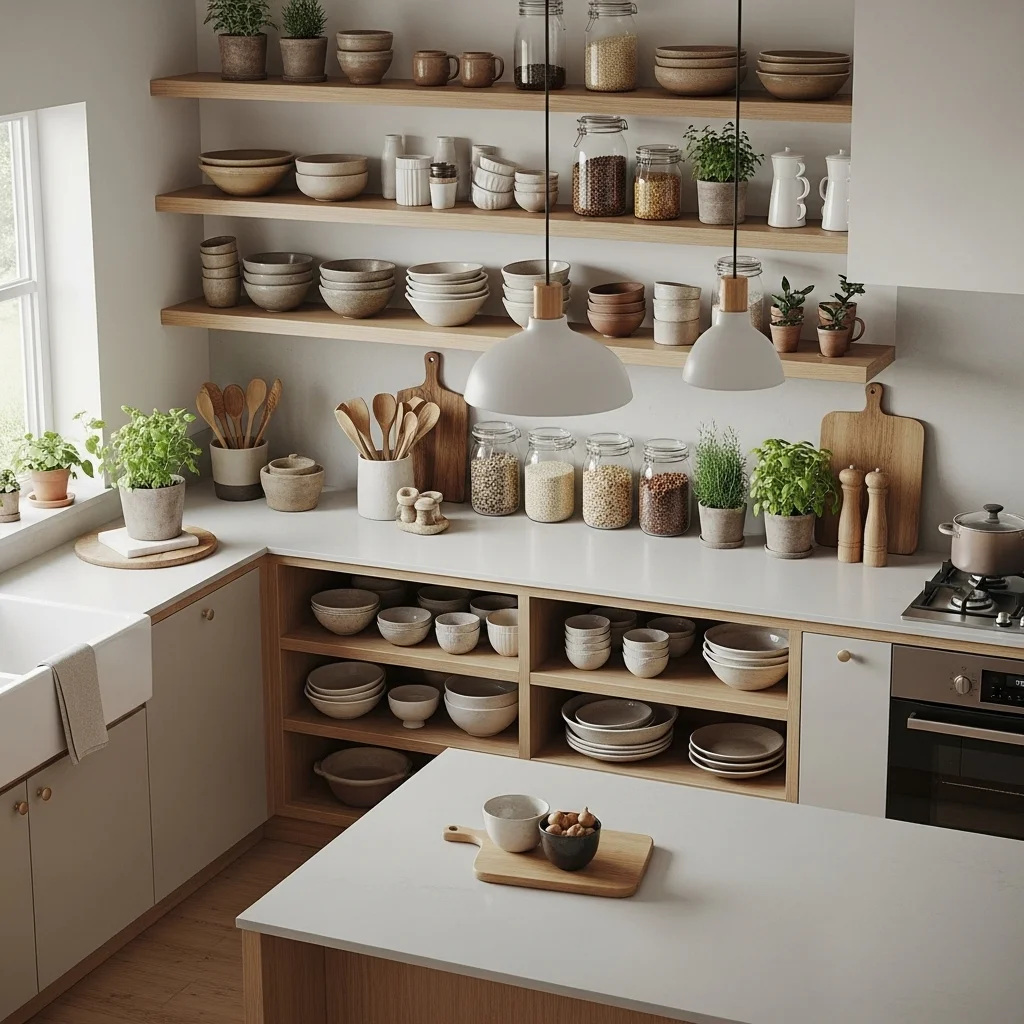
Instead of overloading upper cabinets, embrace open shelving to display carefully chosen pieces — ceramics, wooden bowls, or glass jars. Keep the arrangement balanced and intentional, highlighting craftsmanship over quantity.
This concept reflects Scandinavian Japanese decor, where each item has meaning and purpose. Open shelving adds warmth while maintaining airiness, blending practicality with artistry in perfect harmony.
5. Incorporate Soft Lighting
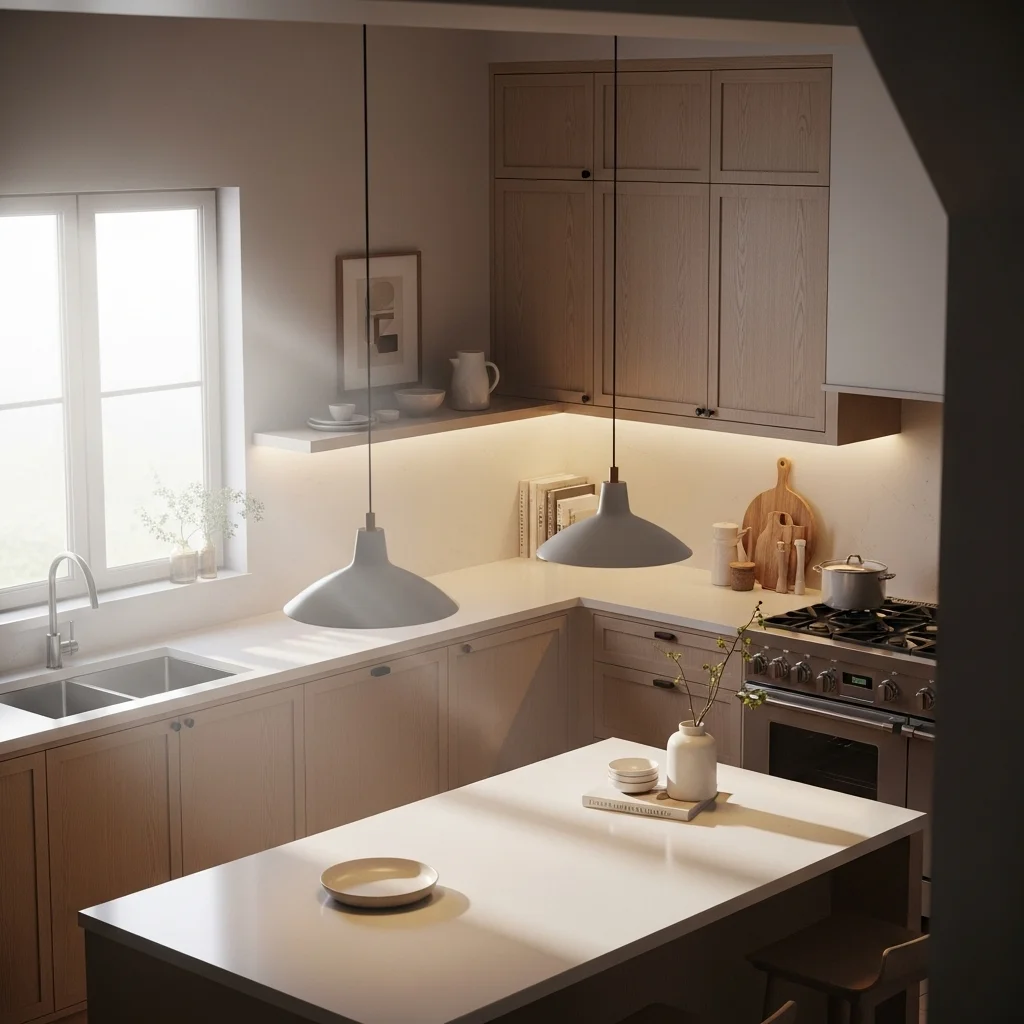
Lighting in a Japandi kitchen should feel natural and warm. Use paper lanterns, pendant lights with fabric shades, or soft recessed lighting to create a peaceful ambiance.
The goal is to mimic daylight’s gentle glow. Thoughtful lighting complements modern Zen interiors, turning your kitchen into a space that encourages mindfulness and gentle focus.
6. Blend Matte and Textured Finishes
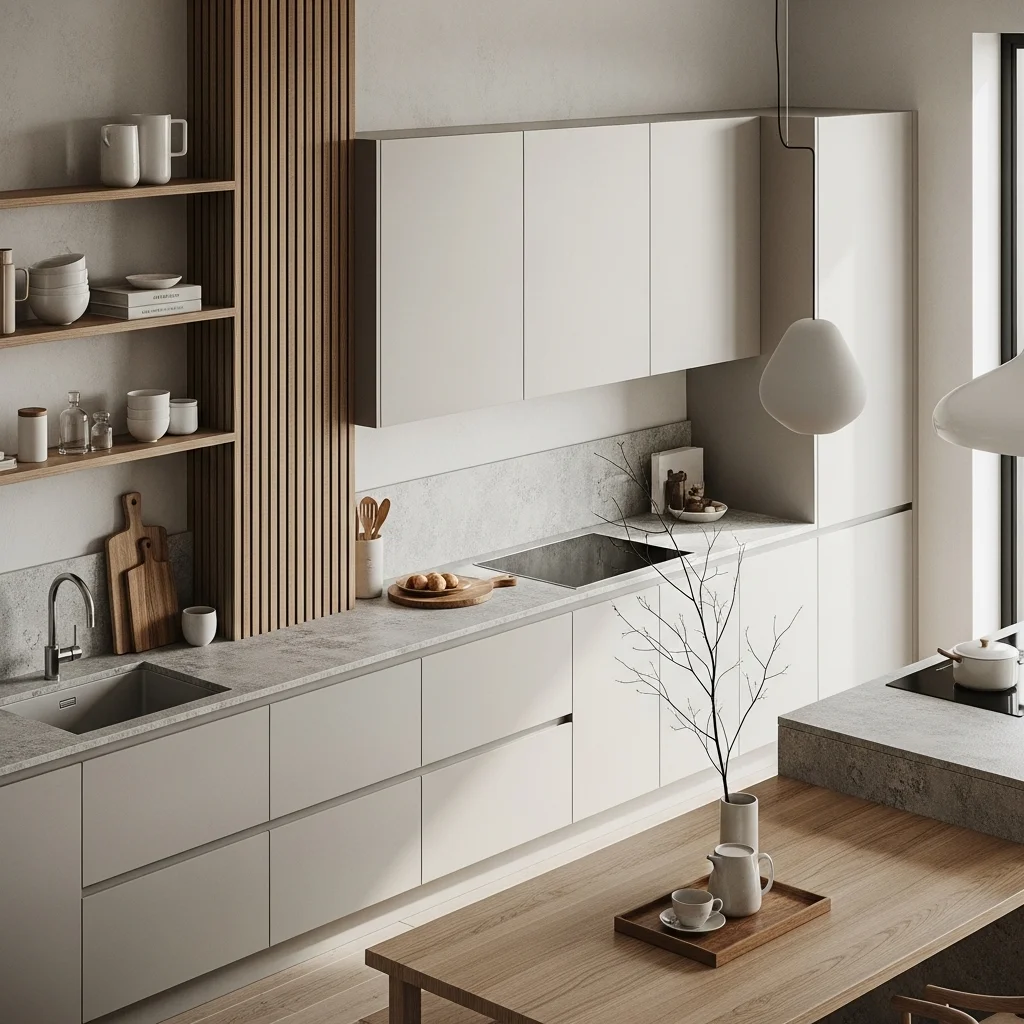
Smooth surfaces meet tactile textures in Japandi design. Combine matte cabinetry with rough stone, woven baskets, or linen textiles. This interplay creates depth while keeping the visual palette calm.
These Japandi style kitchen ideas celebrate imperfection — the wabi-sabi philosophy that finds beauty in the unfinished. The result is a kitchen that feels natural, lived-in, and genuinely serene.
7. Introduce Greenery
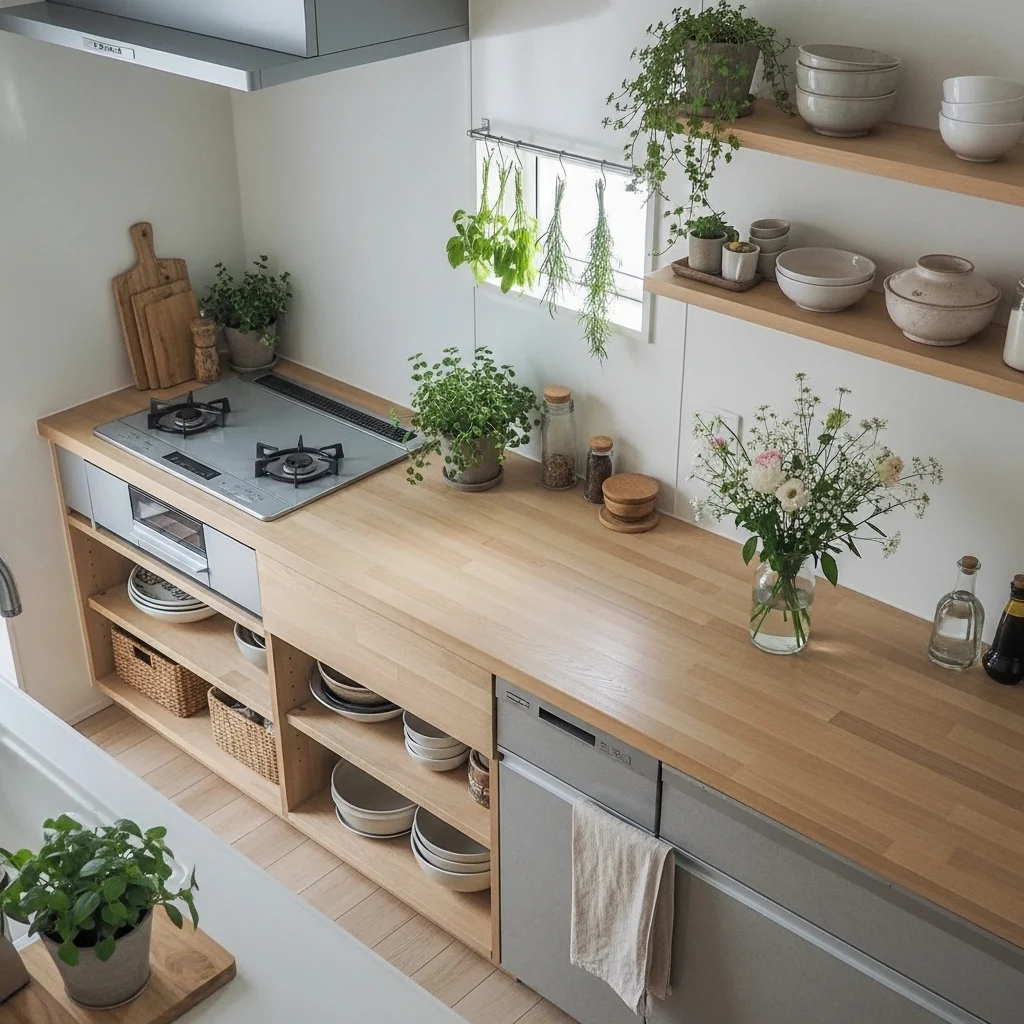
Plants bring life and balance to Japandi interiors. Add potted herbs on windowsills, a single bonsai, or a vase with seasonal branches to infuse vitality into your kitchen.
Greenery softens structured design elements, grounding the minimalist aesthetic in organic warmth. These natural touches reflect Scandinavian Japanese decor, reminding us that simplicity thrives best alongside nature.
8. Highlight Wood Tones
Wood defines Japandi’s essence. From light oak to rich walnut, wood adds tactile warmth and visual continuity to your space. It connects your kitchen to the natural world while offering enduring comfort.
Use consistent wood tones across furniture and cabinetry for cohesion. In minimalist kitchen design, wood bridges modernity with nature, creating a timeless and balanced look that feels both fresh and comforting.
9. Choose Streamlined Hardware
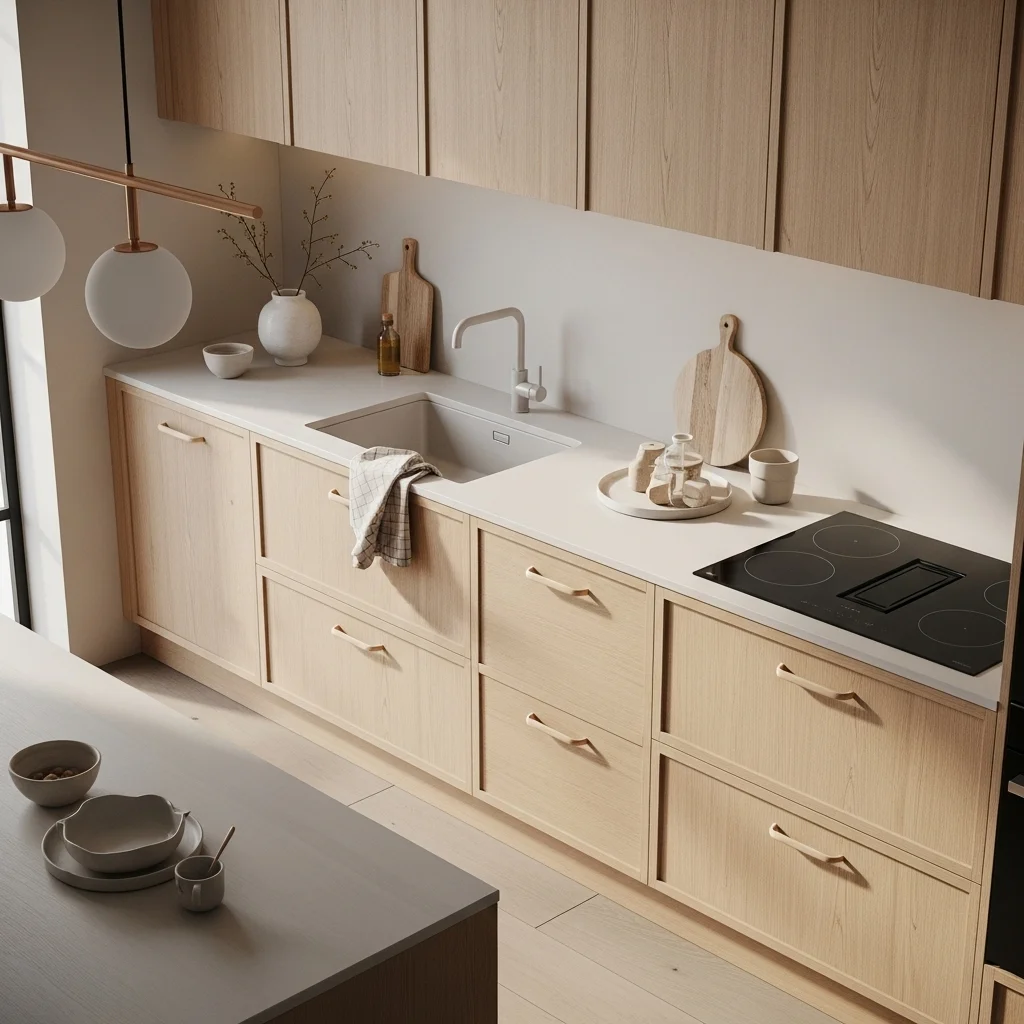
Simplicity extends even to hardware choices. Opt for minimalist handles in matte black, brass, or wooden finishes. Keep them low-profile and unobtrusive, complementing the purity of your design.
Hardware should support the quiet elegance of Japandi style kitchen ideas, not dominate it. This subtle detailing reinforces the sense of serenity that defines the entire aesthetic.
10. Integrate Hidden Storage
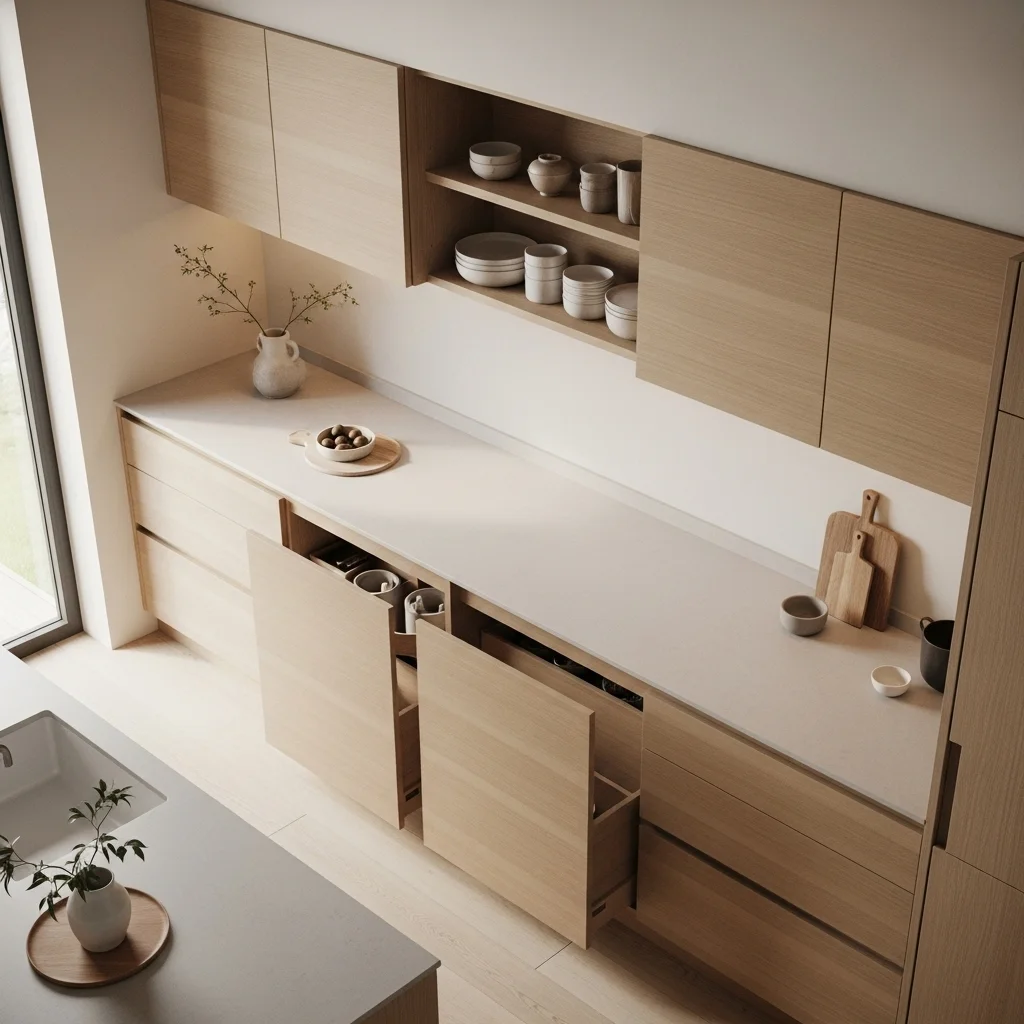
Clutter disrupts calm, so hidden storage is essential. Use built-in drawers, concealed shelves, and seamless cabinetry to keep surfaces clear.
A clutter-free kitchen enhances both function and peace. Hidden storage reflects modern Zen interiors, allowing simplicity and stillness to define the atmosphere.
11. Balance Black Accents
While Japandi favors softness, touches of black — in fixtures, window frames, or table legs — add grounding contrast. Black enhances structure without overpowering the space.
This balance of light and dark brings harmony, echoing the yin-yang philosophy within Scandinavian Japanese decor. It’s the perfect way to anchor a soft, organic design with visual confidence.
12. Add Handcrafted Details
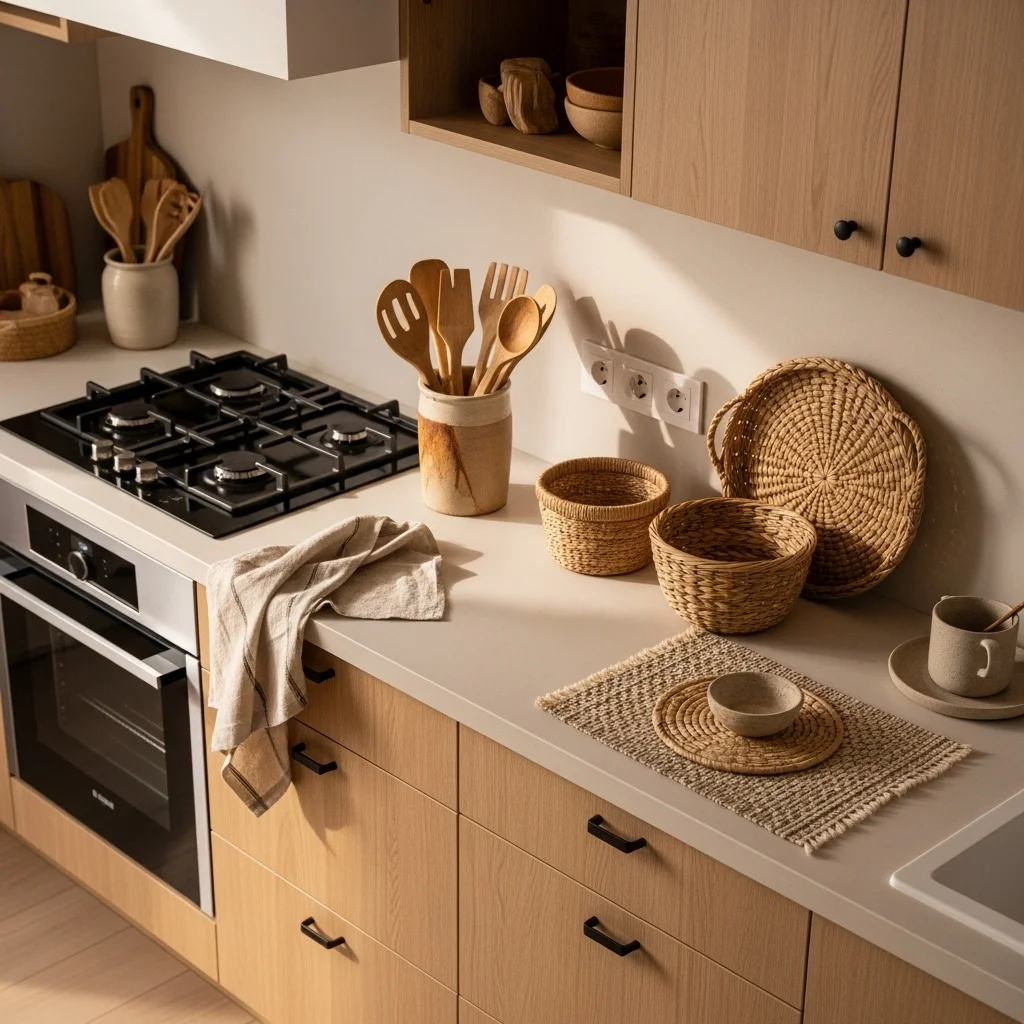
Craftsmanship is the soul of Japandi. Incorporate hand-thrown ceramics, woven textiles, or artisan-made furniture. Each handmade piece adds authenticity and story.
These details embody the human touch central to natural material finishes, transforming your kitchen into a space of beauty and quiet appreciation for skill and craft.
13. Keep Decor Minimal but Meaningful
In Japandi, less truly is more — but what remains must have meaning. Choose just a few decorative items, like a single art print, a wooden bowl, or a piece of pottery that reflects your values.
This philosophy aligns perfectly with minimalist kitchen design — serenity achieved not by adding, but by refining. It’s a practice of restraint that makes beauty feel intentional and enduring.
14. Create a Seamless Indoor-Outdoor Connection
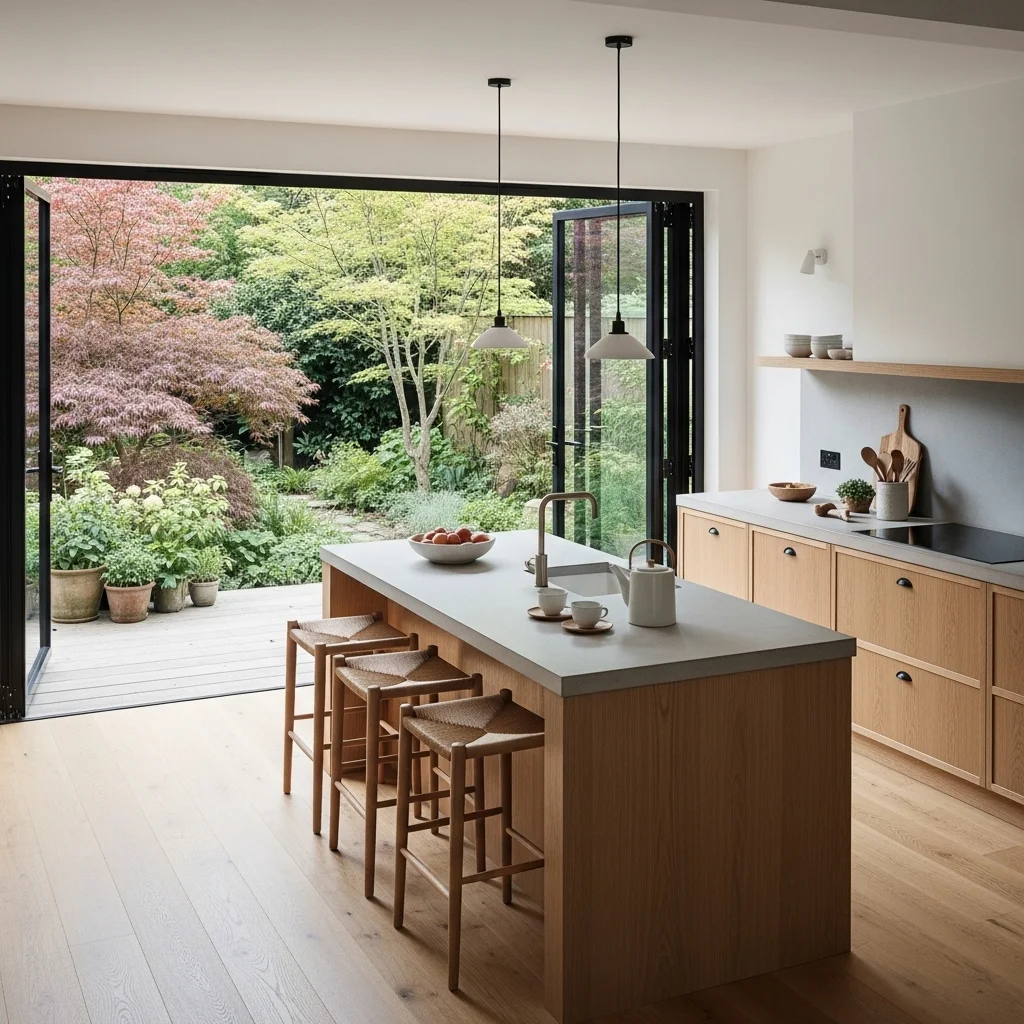
Japandi design blurs the boundary between inside and outside, encouraging harmony with nature. Incorporate wide windows, glass doors, or even a small kitchen garden to invite daylight and fresh air into the space. The flow of natural light enhances wood tones, stone textures, and soft neutral colors, creating a kitchen that feels alive and breathing.
This connection is central to modern Zen interiors, where every ray of sunlight becomes part of the décor. By embracing openness, you turn your kitchen into a sanctuary that honors both simplicity and vitality — a place where cooking feels like meditation surrounded by nature’s calm energy.
15. Add a Simple Kitchen Island
A streamlined island brings both functionality and aesthetic balance to your kitchen. Choose one with clean lines, soft edges, and minimal hardware, allowing it to blend seamlessly with the rest of the space. Keep décor minimal — perhaps just a wooden bowl or a ceramic vase to maintain visual serenity.
This island becomes a grounding centerpiece in your Japandi style kitchen ideas, where form and purpose coexist. It offers extra workspace and storage without interrupting flow, reflecting the design philosophy that every element should enhance life without demanding attention.
16. Use Sliding Doors or Panels
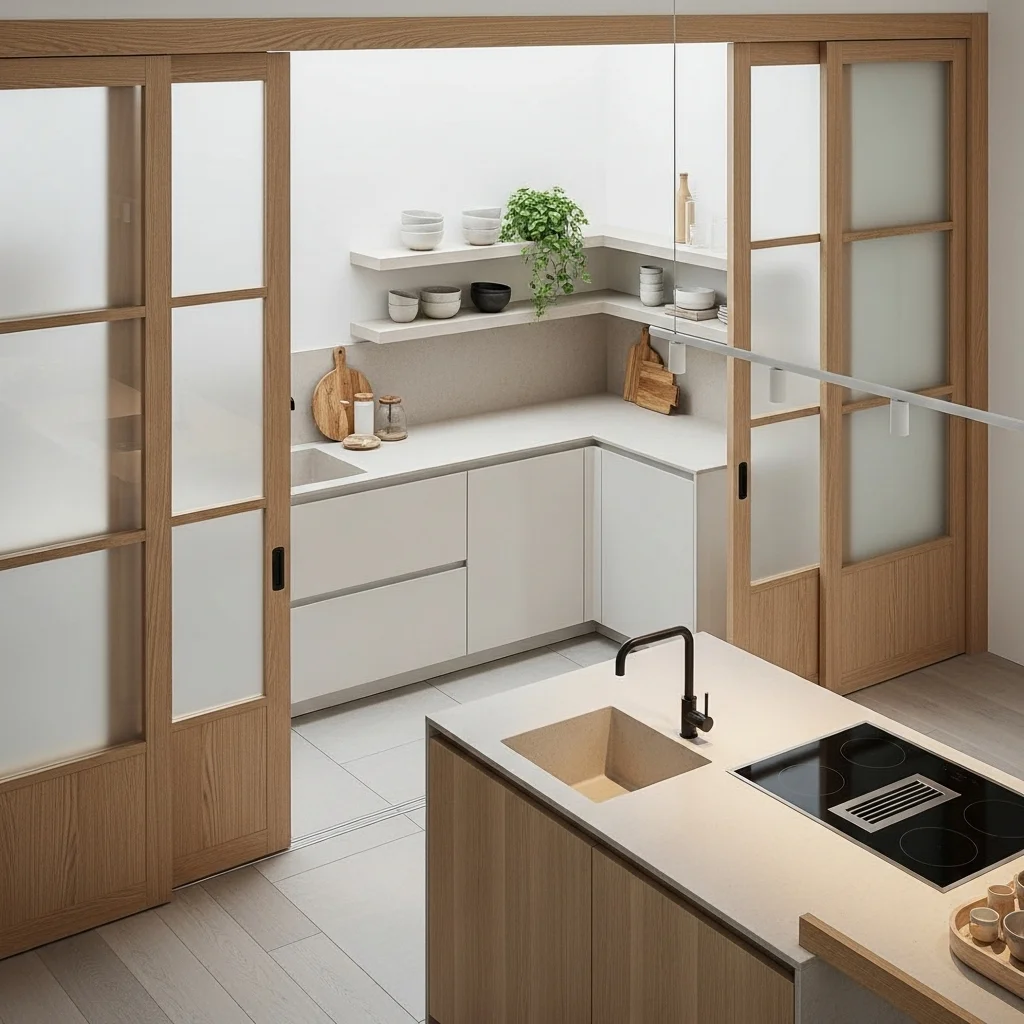
Sliding doors, a hallmark of Japanese interiors, promote spatial efficiency and simplicity. Replace standard doors with shoji-inspired panels or minimalist sliding doors in wood and glass to maintain openness while defining zones.
This design choice embodies Scandinavian Japanese decor, allowing light to travel freely while preserving privacy. Sliding doors feel effortless and elegant — a symbol of thoughtful design that values ease and connection.
17. Incorporate Stone Countertops
Natural stone countertops such as marble, granite, or soapstone lend authenticity and tactile richness. Their subtle veining adds visual depth without overpowering the space, creating a timeless balance of strength and softness.
Stone reflects the grounding energy found in natural material finishes, offering durability with organic elegance. Each slab tells its own quiet story, connecting your kitchen to nature’s raw beauty while reinforcing the Japandi principle of enduring quality.
18. Introduce Subtle Contrast
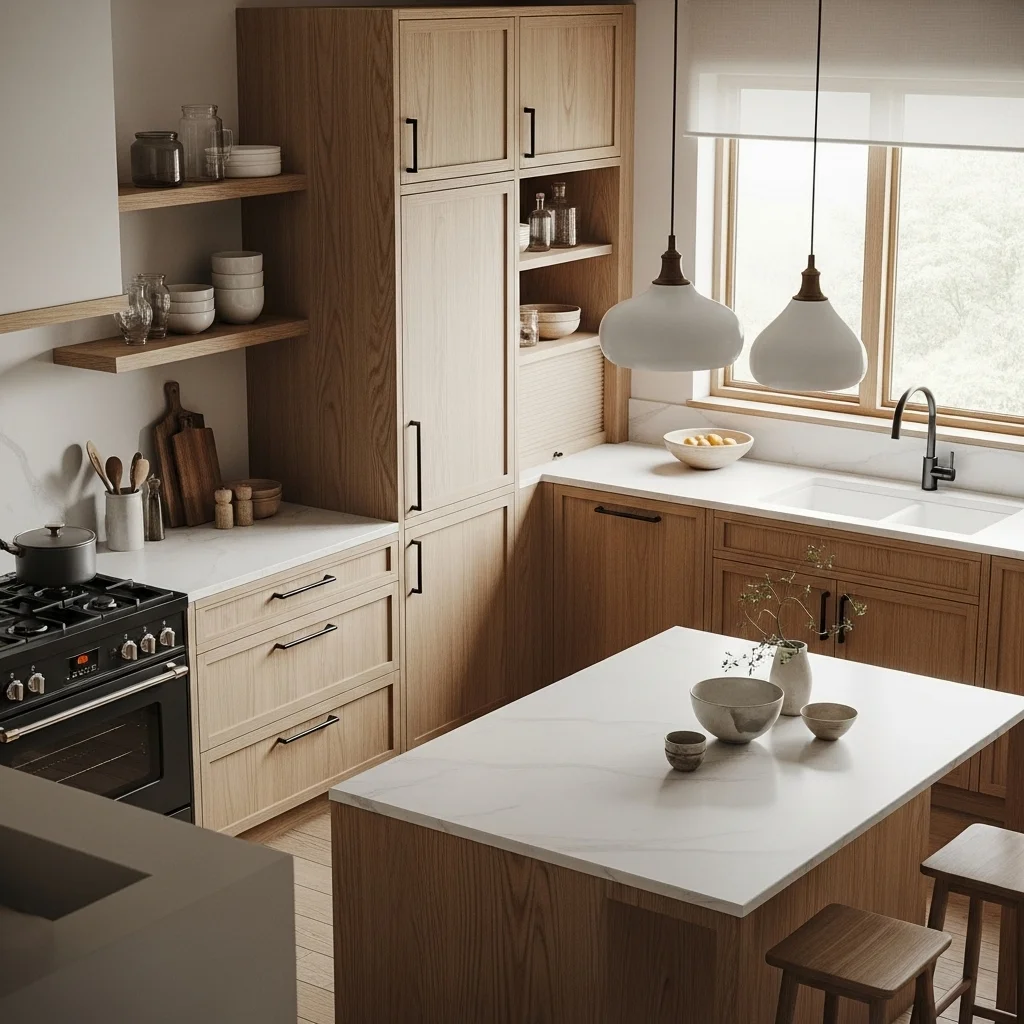
While Japandi is rooted in restraint, contrast adds interest and balance. Pair dark wood cabinetry with light countertops or soft cream walls with matte black fixtures. These gentle differences create rhythm and harmony throughout the space.
Subtle contrast is key to warm neutral palette design, ensuring your kitchen feels multidimensional yet tranquil. The interplay of tones enhances visual serenity while preventing monotony, giving every corner depth and quiet intrigue.
19. Include a Breakfast Nook or Zen Corner
A small, thoughtfully designed nook brings warmth to your kitchen. Use low-profile furniture, soft cushions, and natural fabrics to create a serene spot for tea or morning rituals.
This space reflects modern Zen interiors, where functionality meets mindfulness. It becomes a daily retreat — a reminder to slow down, savor simplicity, and find peace even in everyday moments.
20. Use Soft Fabrics and Natural Textiles
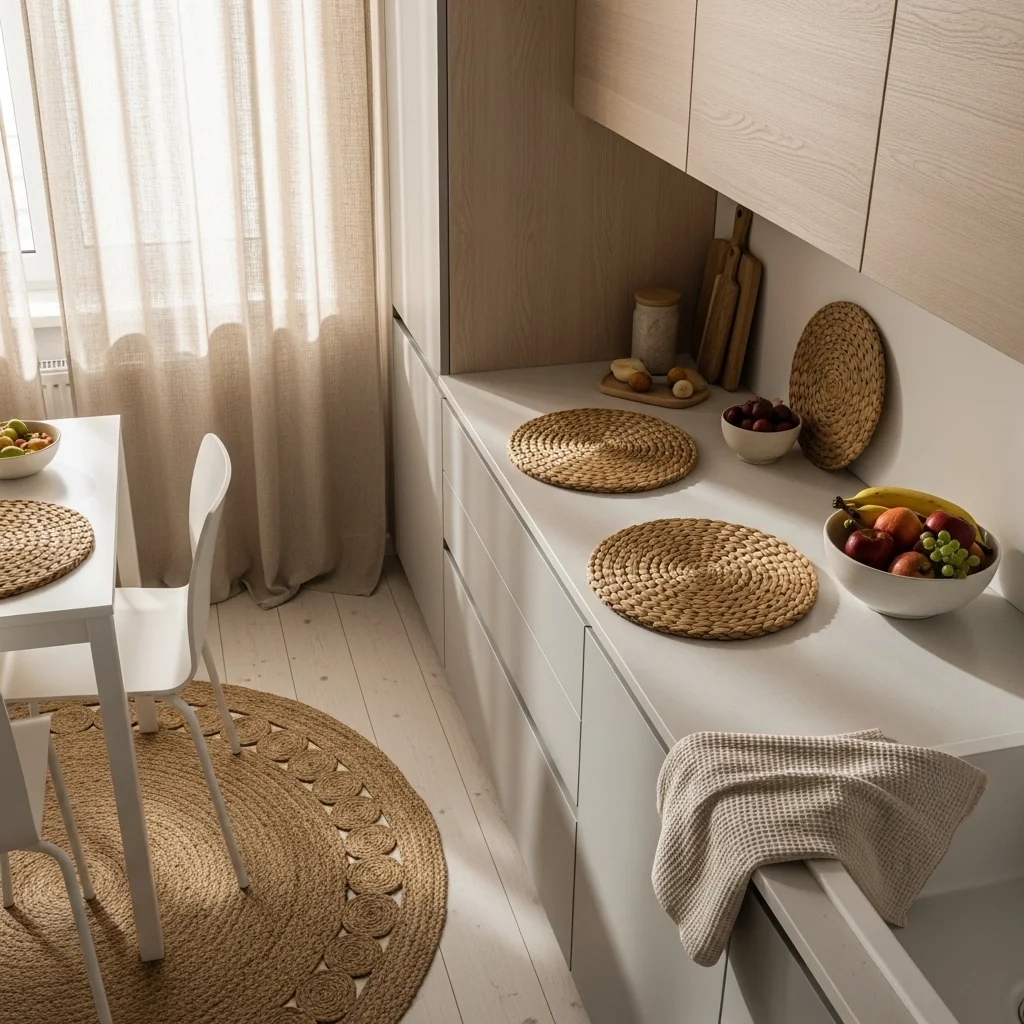
Fabrics play a subtle yet powerful role in Japandi design. Choose linen curtains, cotton table runners, or woven seat cushions that introduce softness to your minimalist surroundings.
These materials connect texture with tranquility, a defining element of Japandi style kitchen ideas. Natural textiles filter light beautifully and invite touch, balancing hard surfaces with warmth and gentle imperfection.
21. Incorporate Built-In Seating
Built-in benches or dining nooks maximize space while maintaining seamless lines. Use wooden finishes that complement your cabinetry and add cushions in muted tones for comfort.
Built-in seating reflects the balance of practicality and grace that defines minimalist kitchen design. It anchors the dining area subtly, making every gathering feel intimate yet uncluttered.
22. Focus on Balanced Symmetry
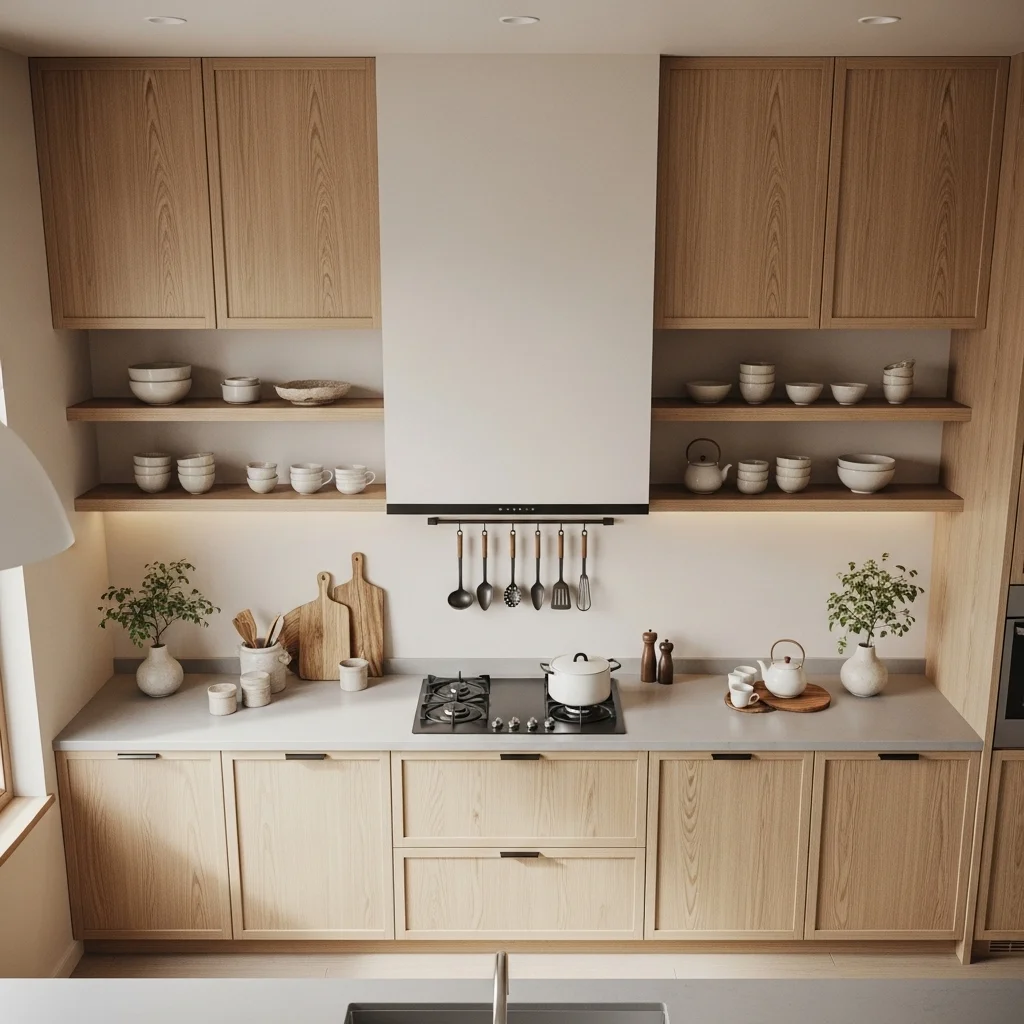
Symmetry instills order and calm, making it central to Japandi layouts. Align cabinets, shelving, and lighting fixtures evenly to create visual flow and harmony.
This symmetry enhances the peaceful rhythm of Scandinavian Japanese decor, where beauty is found in balance. A symmetrical layout soothes the mind and helps your kitchen feel centered, spacious, and effortlessly organized.
23. Introduce Subtle Artistic Touches
Japandi art is minimal but meaningful. Hang a single ink print, a hand-painted scroll, or display a sculpture with clean lines. Keep your artwork grounded in natural colors or abstract shapes.
Art adds personality while maintaining tranquility. These refined expressions mirror modern Zen interiors, where creativity lives quietly within simplicity, enriching your kitchen with soulful intention.
24. Choose Sustainable and Ethical Materials
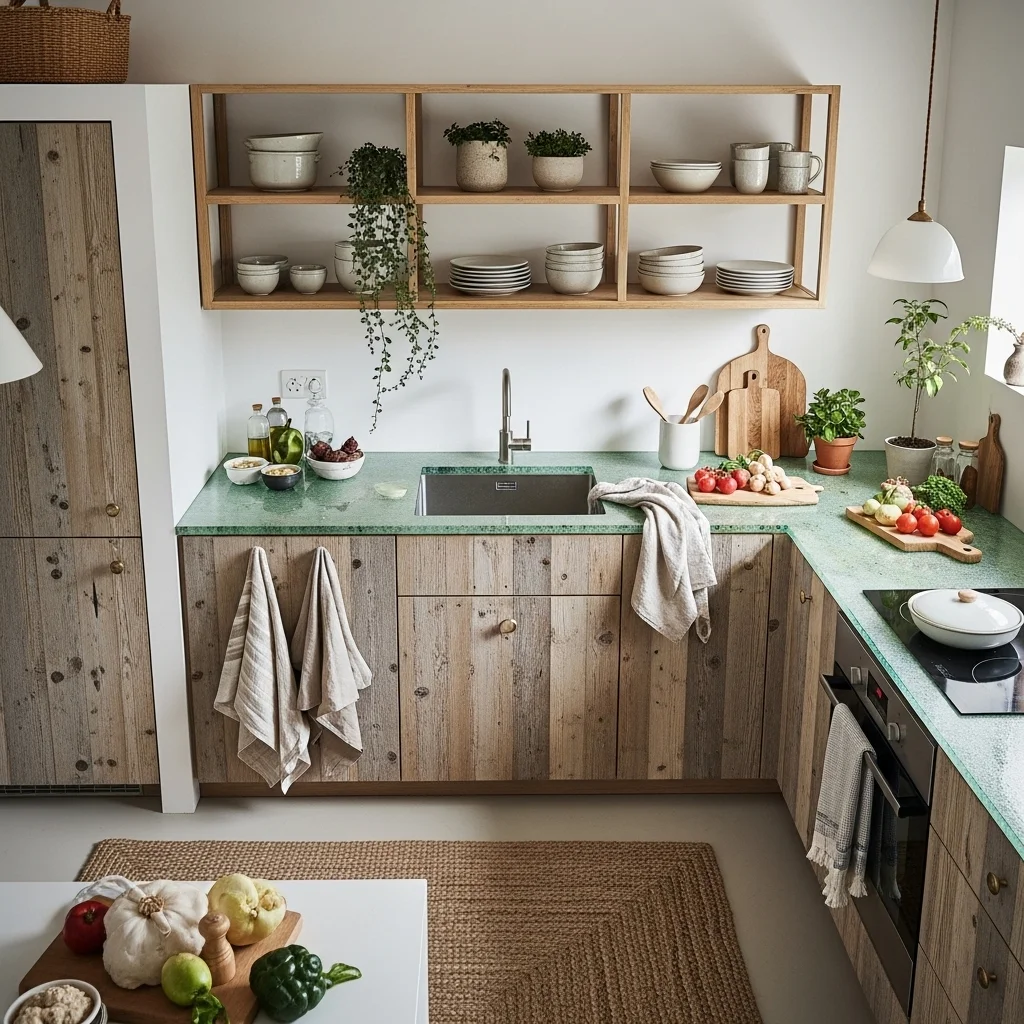
Sustainability aligns naturally with the Japandi ethos. Use eco-friendly materials — reclaimed wood, recycled stone, or responsibly sourced textiles — to build a space that respects both design and the planet.
Sustainability deepens the authenticity of natural material finishes, where mindful living meets timeless aesthetics. It’s not just about how your kitchen looks, but how it aligns with your values and the world around you.
25. Keep the Space Airy and Uncluttered
Above all, Japandi design values openness. Limit décor to essentials and allow breathing space around each object. A clean, airy environment invites calm and clarity, letting natural materials and soft light take center stage.
This principle is the essence of Japandi style kitchen ideas — spaces that honor simplicity as luxury. The absence of excess reveals harmony, creating a kitchen that feels as peaceful as it is functional, where every element contributes to effortless beauty.
Final Thoughts
The Japandi kitchen is more than a style — it’s a philosophy. It’s where simplicity becomes serenity, and every design choice reflects mindfulness and respect for craftsmanship. These Japandi style kitchen ideas offer a guide to living beautifully with less, transforming your kitchen into a space of calm, comfort, and quiet elegance.
By merging the warmth of Scandinavian design with the purity of Japanese minimalism, you create not just a kitchen but a way of life. It’s an environment that nurtures the senses, encourages slow living, and reminds us that peace begins at home.
FAQs About Japandi Style Kitchens
Q1: What are the key colors in a Japandi kitchen?
Soft neutrals like beige, taupe, cream, and charcoal dominate the warm neutral palette, creating a gentle, calming atmosphere.
Q2: How can I make my kitchen feel more Japandi on a budget?
Focus on decluttering, natural textures, and simple accessories. Minimalist kitchen design doesn’t require extravagance — it’s about balance and purpose.
Q3: What materials best define Japandi interiors?
Wood, stone, bamboo, and ceramics form the backbone of natural material finishes, reflecting sustainability and timelessness.
Q4: Can I add color to a Japandi kitchen?
Yes, but sparingly. Stick to earthy tones and natural hues that harmonize with Scandinavian Japanese decor principles.
Q5: Why is Japandi design so popular?
Its appeal lies in its ability to combine calm, order, and warmth — a hallmark of modern Zen interiors that bring peace into daily living.