18 Japandi Style Tiny House Concepts for Minimalist Small Space Design
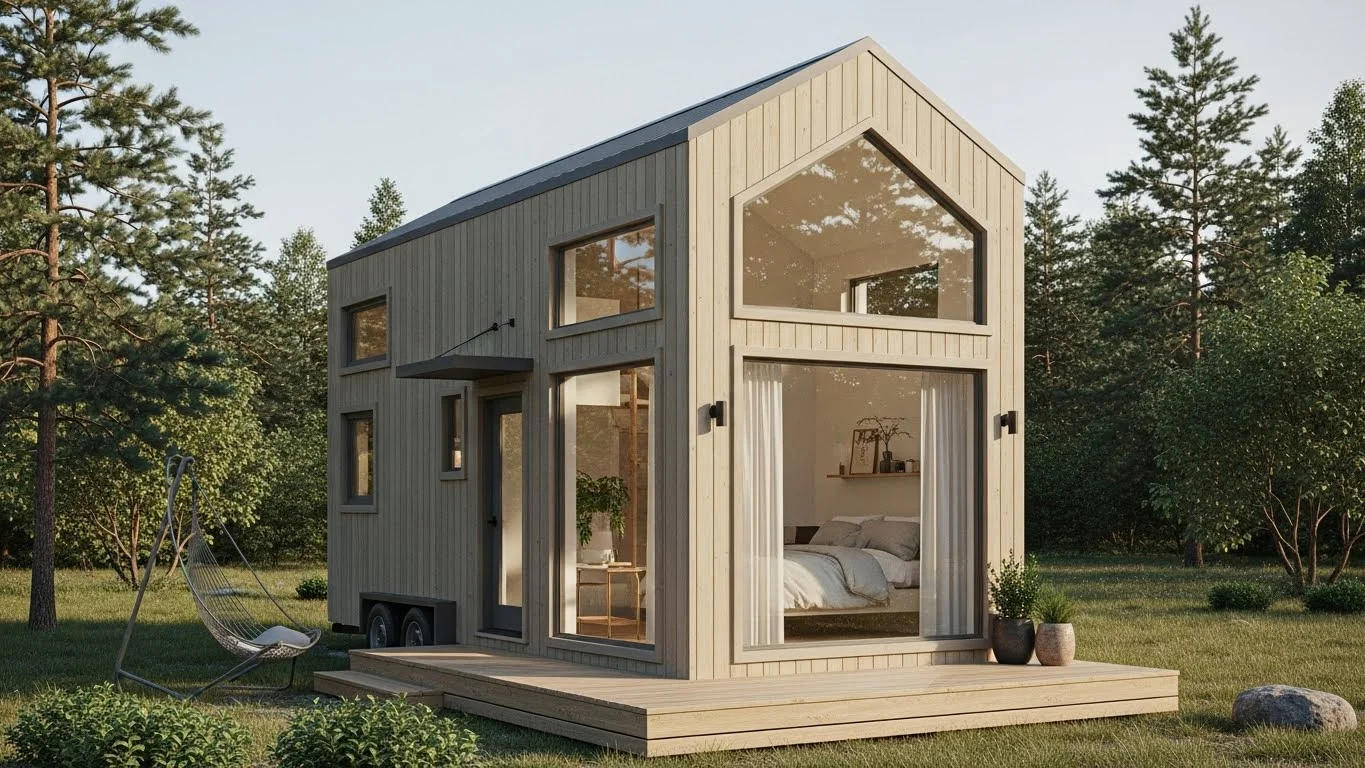
Japandi style blends the best of two design philosophies — the simplicity of Japanese minimalism and the warmth of Scandinavian comfort. It’s a perfect approach for small homes, where every inch matters and every element has purpose. These Japandi Style Tiny House Concepts focus on natural materials, clean lines, and mindful spaces that radiate calm and function in equal measure.
What makes Japandi design timeless is its celebration of imperfection and authenticity. It values craftsmanship over clutter, soft textures over excess, and neutral tones over bold hues. The result is a living space that feels both grounded and uplifting — ideal for compact living where tranquility is key.
In this guide, you’ll find 18 Japandi Style Tiny House Concepts that show how to design with intention. Whether you’re decorating a studio apartment, cottage, or compact home, these ideas help you create harmony, balance, and modern serenity in every corner.
1. Embrace Natural Materials
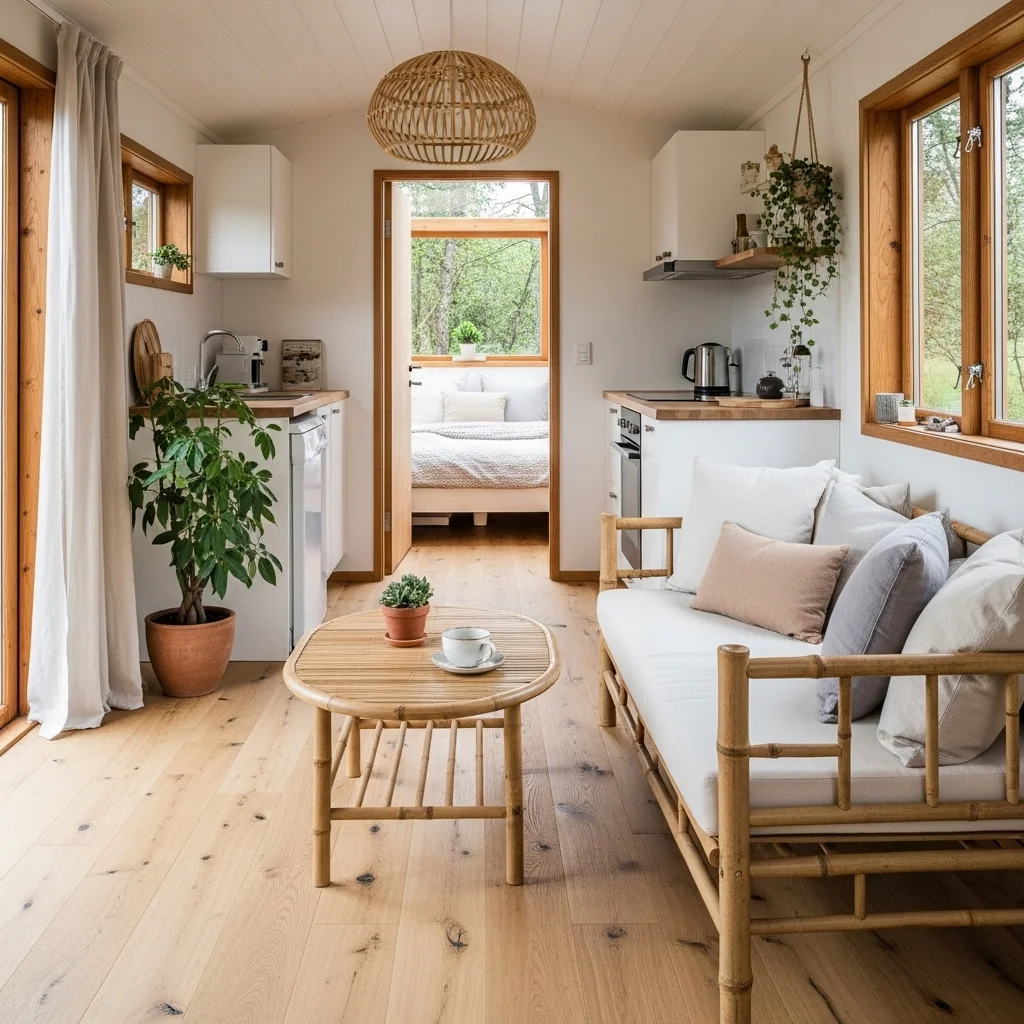
The foundation of Japandi design lies in nature. Choose raw materials like wood, bamboo, linen, and stone to create warmth and authenticity. Natural textures ground your home, making it feel connected to the outdoors.
Opt for light oak floors, rattan chairs, or linen drapes for a soft and inviting atmosphere. This organic palette sets the tone for Japandi Style Tiny House Concepts, where every element feels simple, honest, and intentional.
2. Prioritize Open Layouts
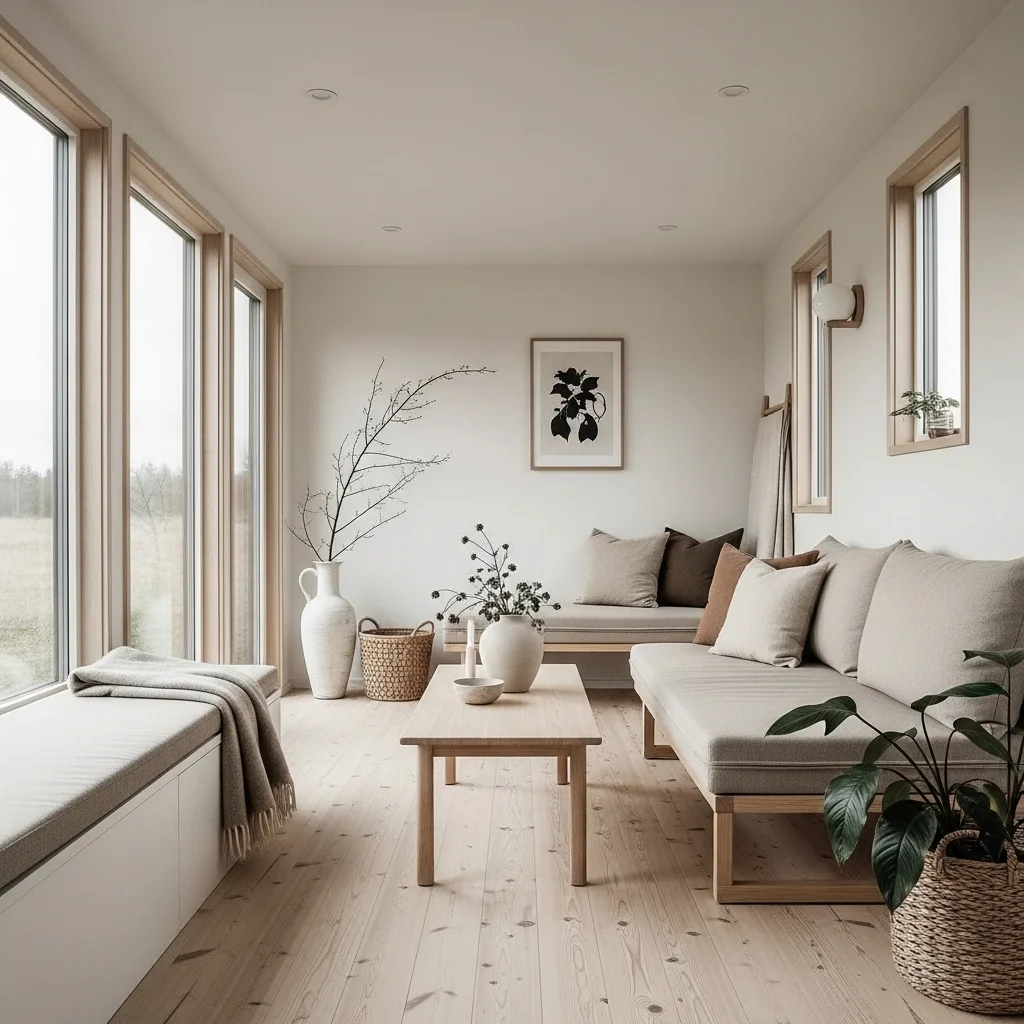
In a tiny house, openness is key. Minimize partitions and use multi-functional furniture to keep spaces airy and fluid. Japanese design favors flow, while Scandinavian design focuses on comfort — the blend creates a feeling of calm spaciousness.
Open layouts also allow natural light to move freely, enhancing the sense of tranquility. It’s one of the most effective minimalist small space design approaches for making small areas feel expansive.
3. Use Neutral and Muted Colors
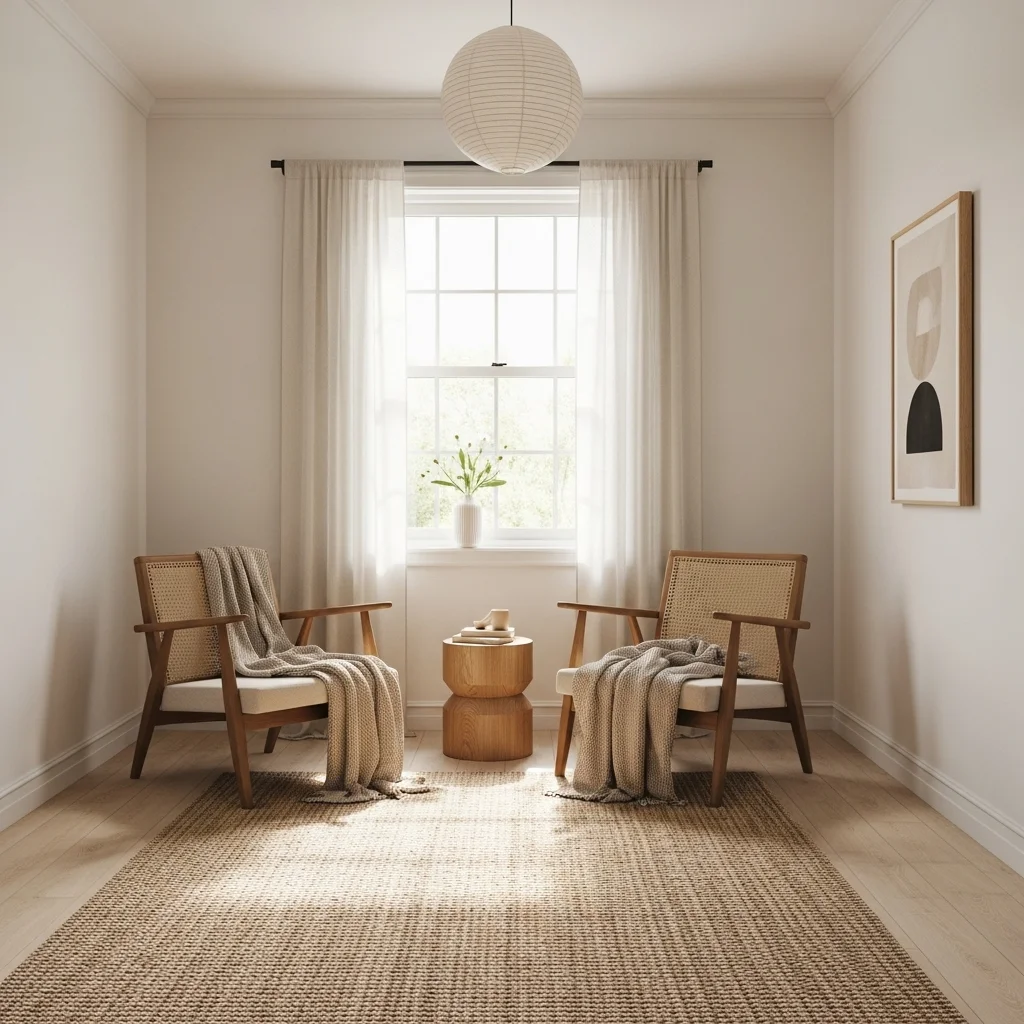
Color plays a quiet yet powerful role in Japandi interiors. Choose soft tones like beige, sand, off-white, gray, and muted earthy shades. These hues reflect nature and create visual harmony.
To add depth, layer slightly darker accents such as charcoal, espresso, or olive. This tonal simplicity anchors your Scandinavian Japanese interiors with timeless serenity and modern appeal.
4. Incorporate Low, Functional Furniture
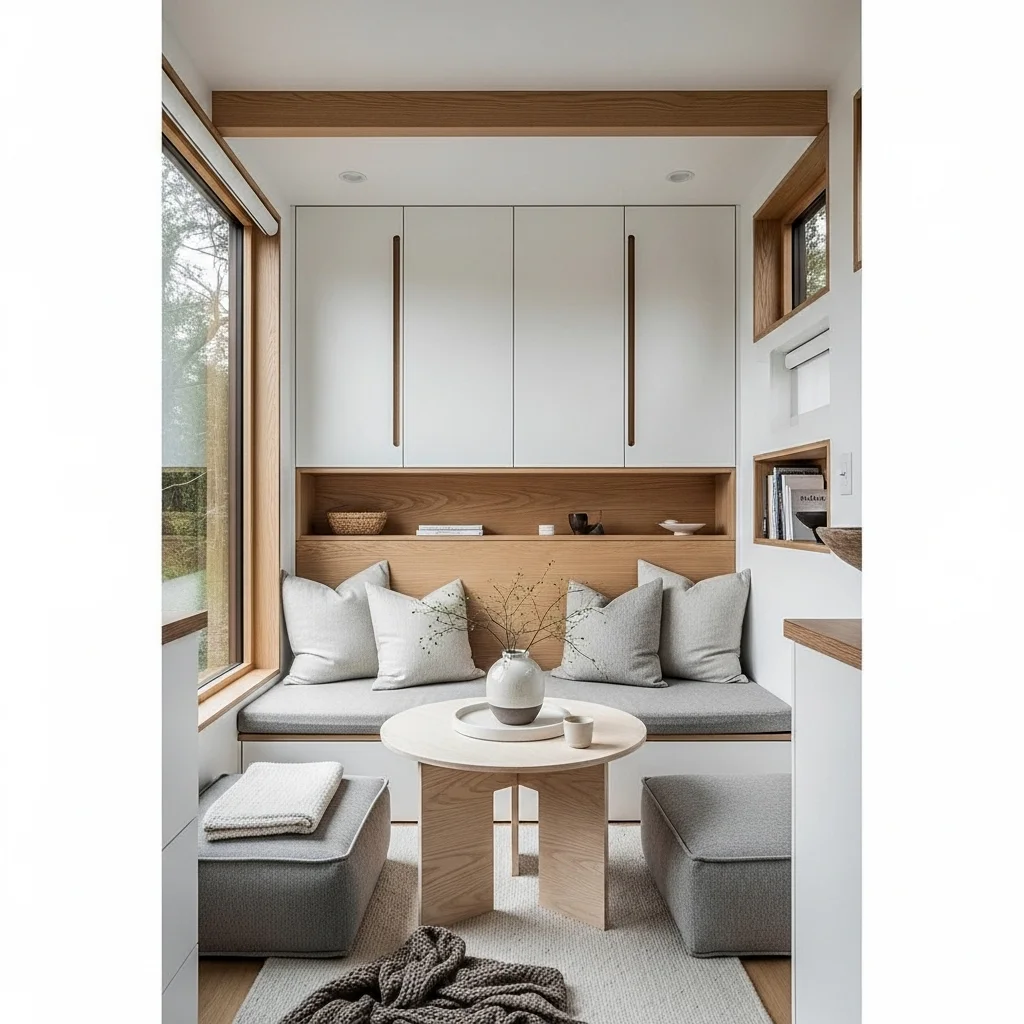
Japanese homes favor low furniture that grounds the body, while Scandinavian interiors emphasize comfort and practicality. Combine both — think low wooden beds, floor cushions, and sleek modular seating.
Low furniture opens up sightlines, making ceilings appear higher and rooms larger. This understated elegance is central to Japandi Style Tiny House Concepts, offering balance and functionality without clutter.
5. Add Natural Light and Soft Shadows
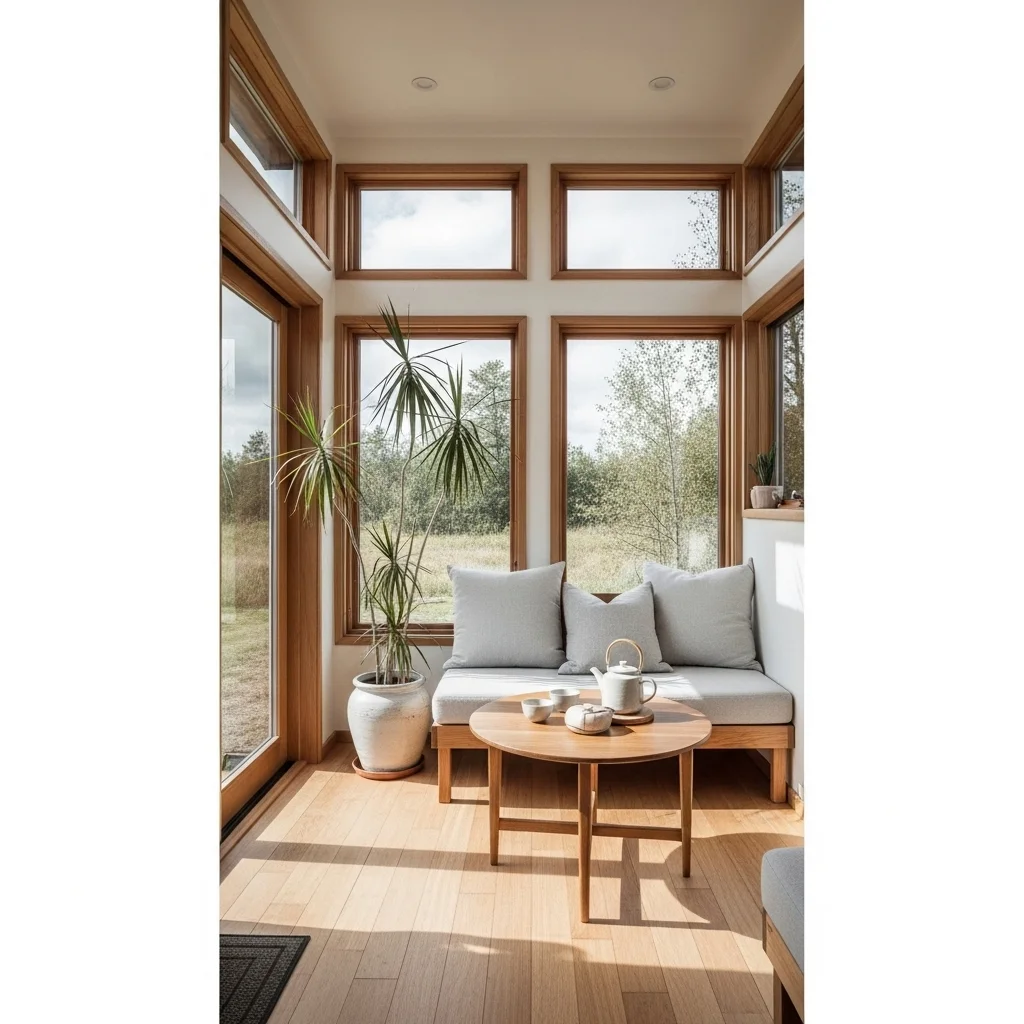
Light defines Japandi spaces. Maximize natural illumination with large windows, skylights, or sheer linen curtains. Allow shadows to play softly across textures for a poetic, tranquil effect.
In the evening, opt for warm ambient lighting — rice paper lanterns, rattan pendants, or recessed LEDs. The balance of light and shadow reflects the wabi-sabi essence of Zen interior styling beautifully.
6. Declutter and Simplify
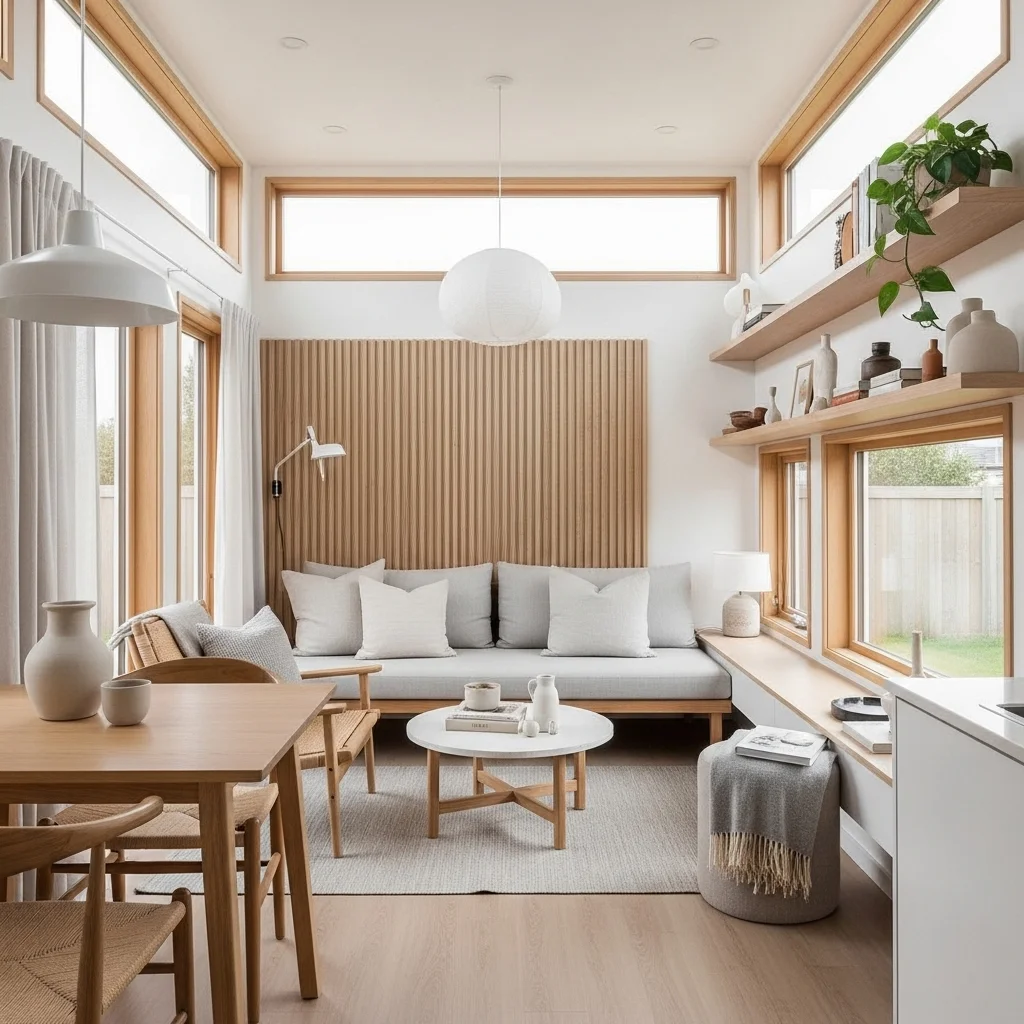
Simplicity is the heart of Japandi. Keep only what adds beauty or function. Hidden storage, built-in cabinets, and wall-mounted shelves maintain visual peace while maximizing space.
Decluttering also promotes mindfulness and ease of movement. In minimalist small space design, less isn’t just more — it’s essential to achieving true comfort and clarity.
7. Use Tatami Mats or Area Rugs
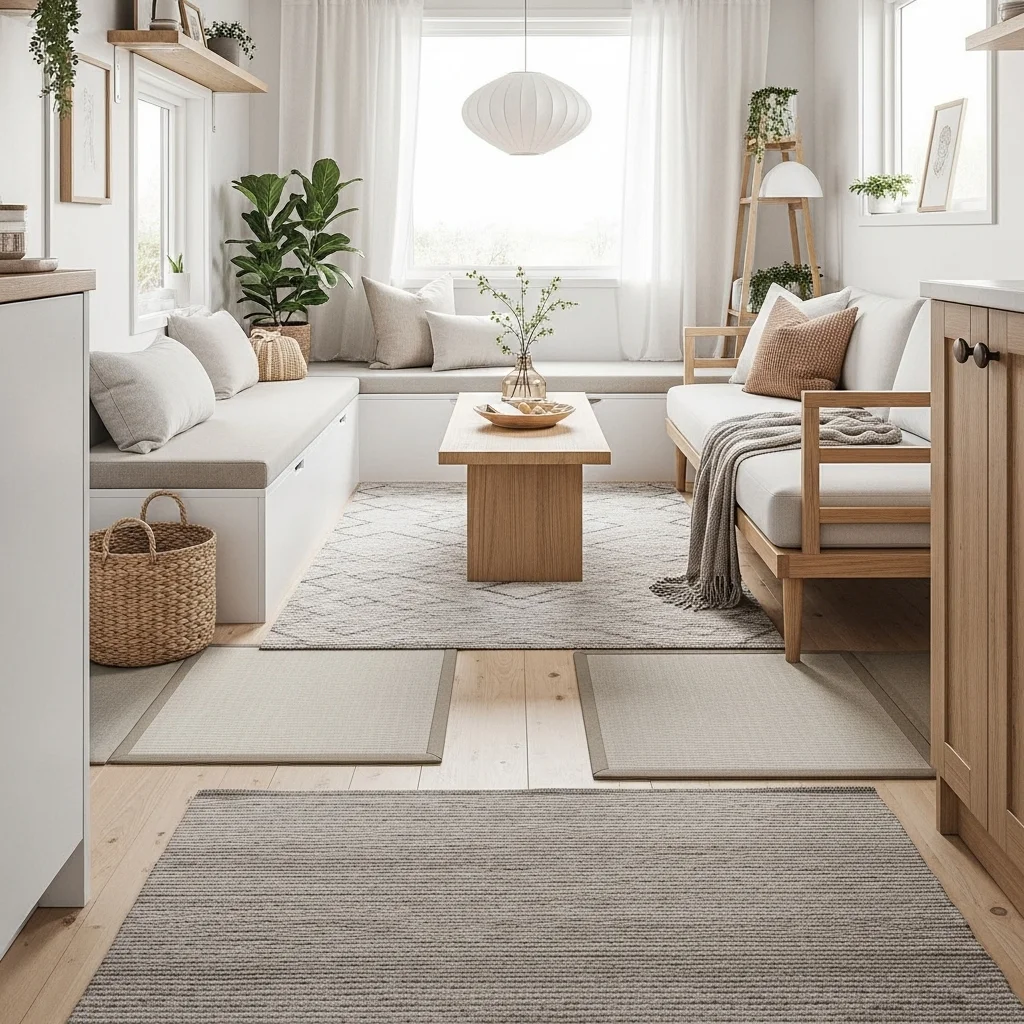
Tatami mats and woven rugs add tactile warmth to wooden floors. Their subtle texture creates contrast without overwhelming the design.
Choose neutral tones like sand or straw for visual continuity. These organic floor layers are timeless additions to Japandi Style Tiny House Concepts, adding depth and authenticity.
8. Mix Soft and Hard Textures
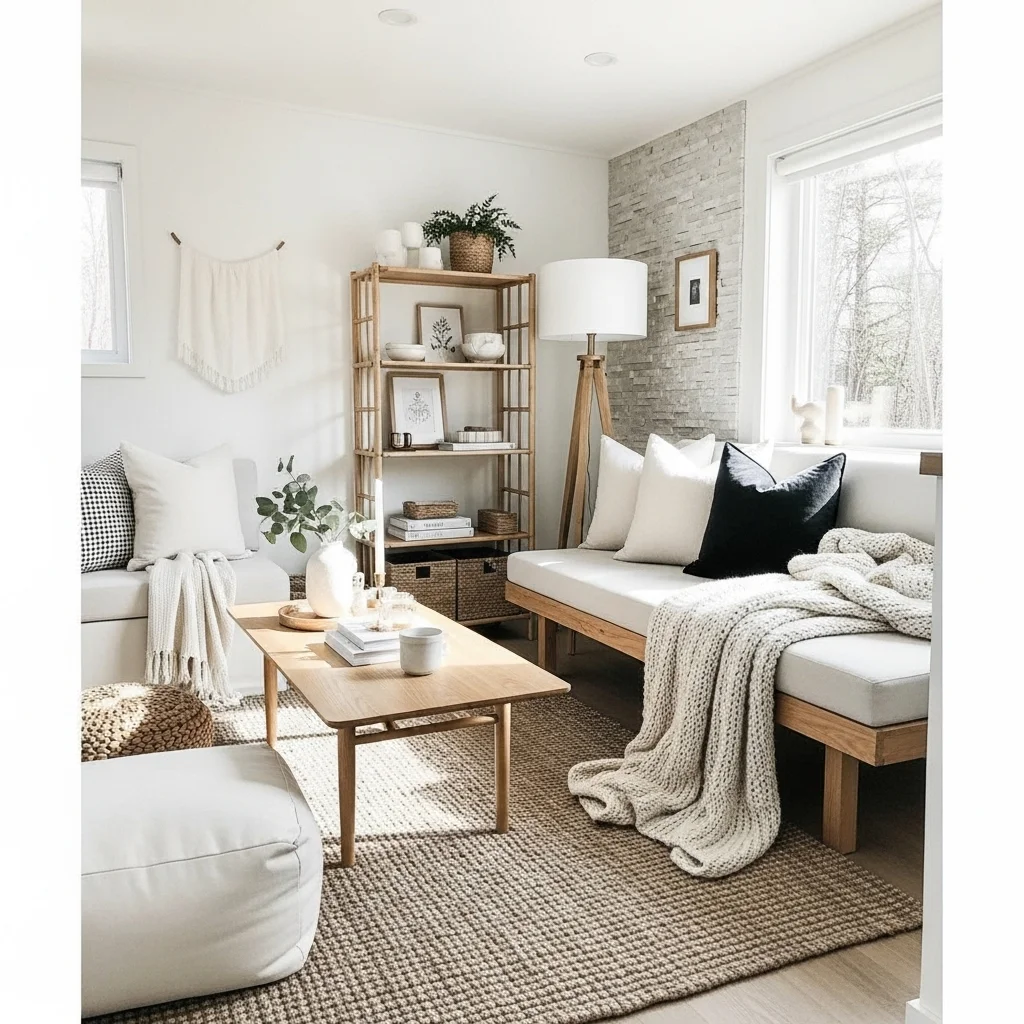
Balance is key in Japandi design — contrast soft linens with smooth wood, rough ceramics with sleek glass. This tactile variety keeps minimalism from feeling sterile.
Layering textures adds quiet luxury, enriching your Scandinavian Japanese interiors with emotion and subtle sophistication.
9. Create a Multifunctional Living Area
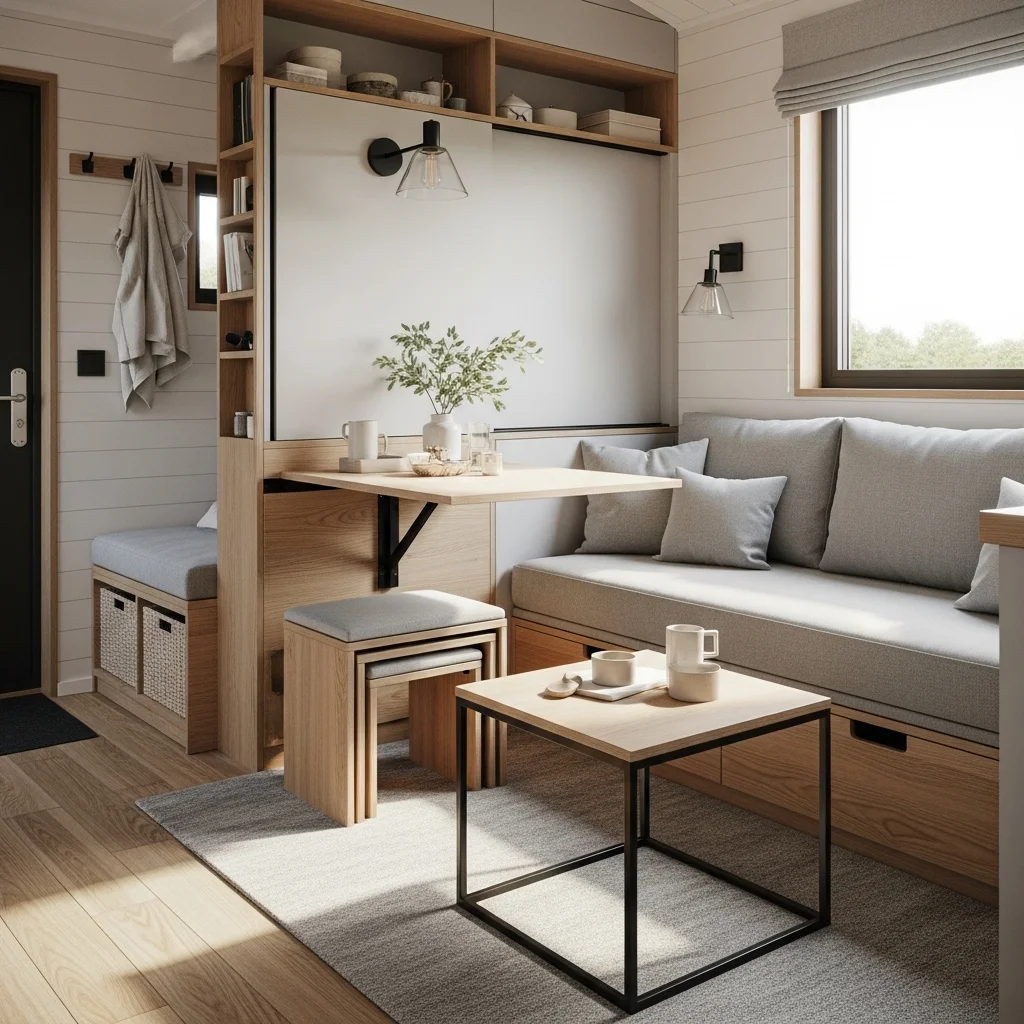
In a small space, functionality rules. Design your living area to serve multiple purposes — a sofa that converts into a bed, a coffee table with storage, or a foldable desk for remote work.
Each piece should be purposeful and compact. This smart approach defines modern tiny living, where flexibility meets harmony.
10. Incorporate Indoor Plants for Calm and Balance
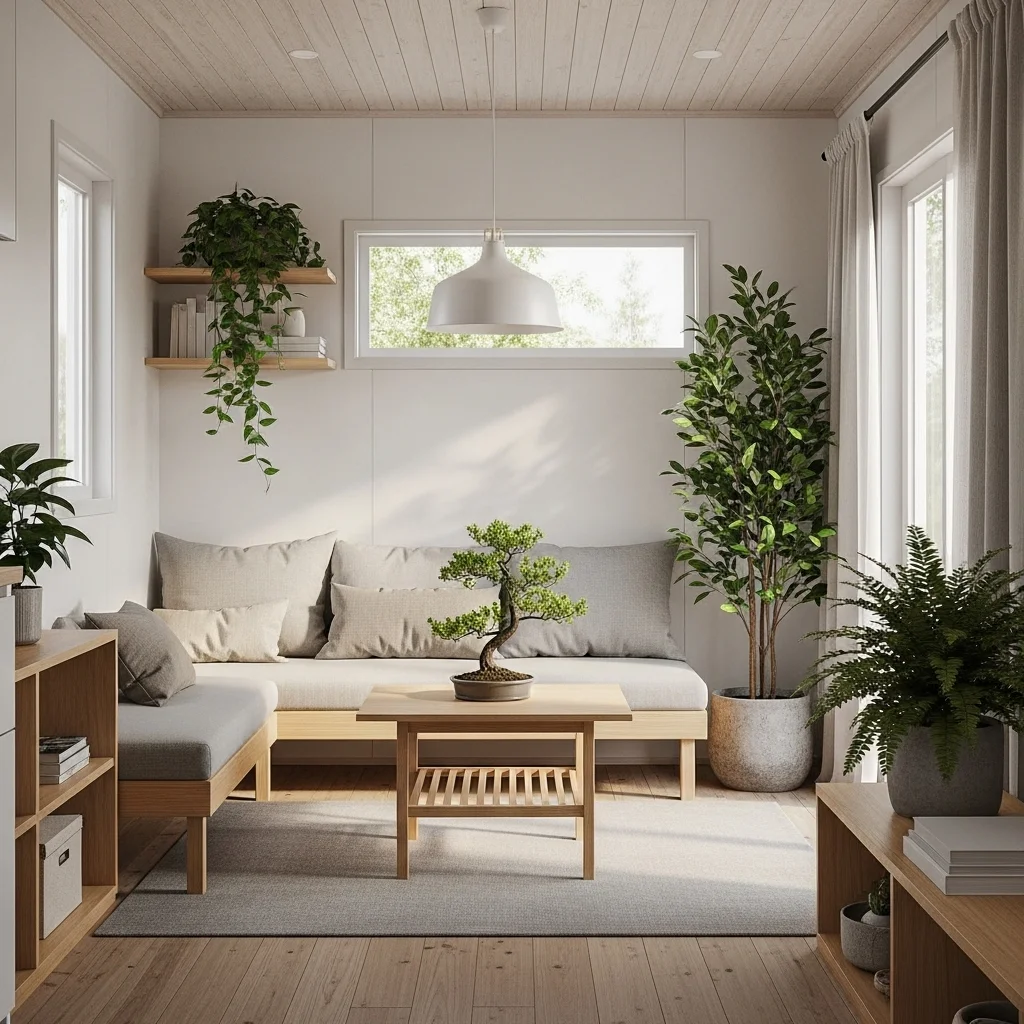
Plants play a vital role in Japandi interiors. They bring life, oxygen, and tranquility into your home while connecting indoor spaces with nature. Select plants with graceful, architectural shapes — like bonsai, fiddle-leaf figs, or snake plants.
Keep arrangements minimal — one plant per corner or tabletop. Use simple clay or stone planters to maintain balance. Greenery breathes energy into your Japandi Style Tiny House Concepts, reminding you that serenity often grows from simplicity.
11. Add Sliding Doors or Screens
Sliding doors, inspired by Japanese shoji screens, create flow and flexibility in tiny spaces. They take up less room than traditional doors and help define zones without cutting off light.
Choose frosted glass, light wood, or rice paper materials to maintain privacy while keeping your design airy. This feature reflects traditional craftsmanship and modern practicality — a hallmark of minimalist small space design that values movement and openness.
12. Highlight Imperfection with Wabi-Sabi Accents
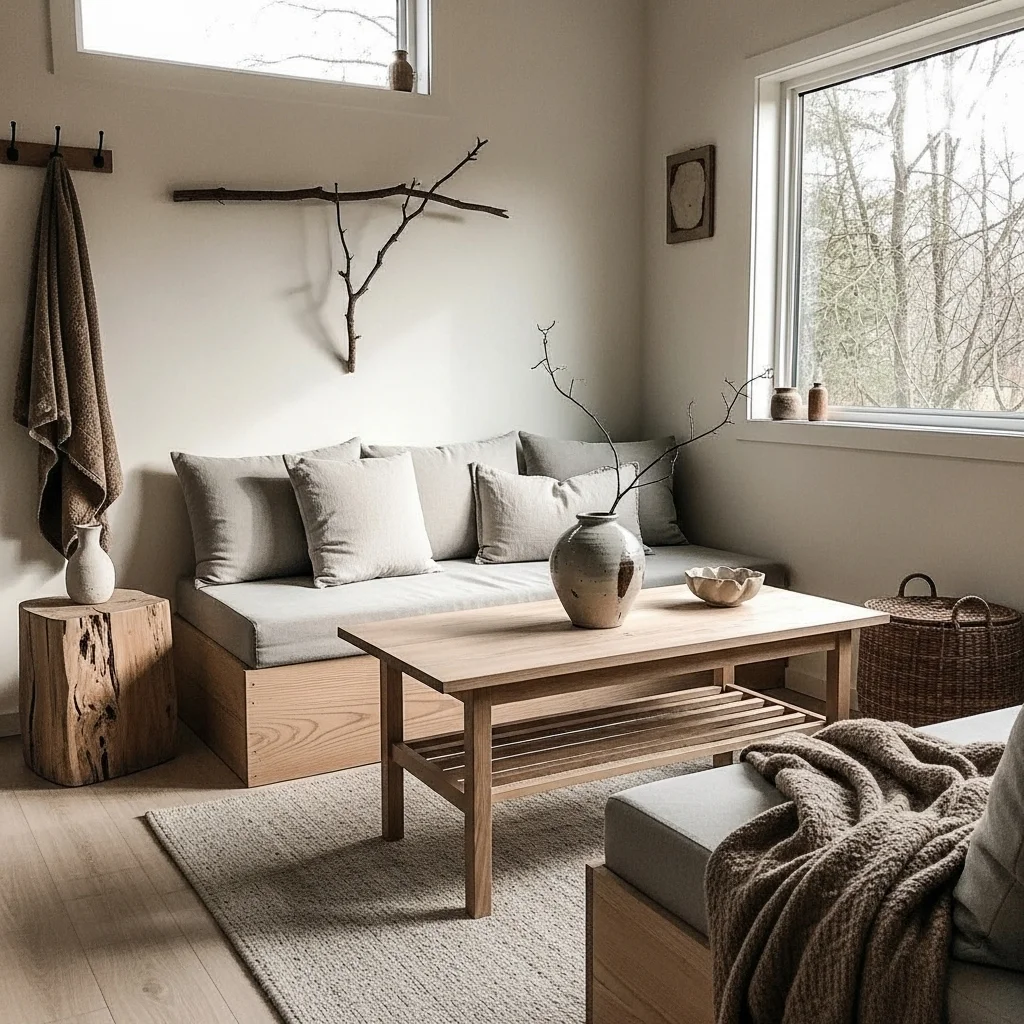
Embrace the Japanese philosophy of wabi-sabi — the beauty of imperfection and impermanence. Incorporate hand-thrown pottery, uneven ceramics, or weathered wood surfaces that tell a story.
Wabi-sabi infuses warmth and humanity into minimal spaces. These imperfect, tactile touches add soul to Scandinavian Japanese interiors, reminding you that beauty often lies in simplicity, not precision.
13. Use Warm, Organic Lighting
Lighting can make or break a Japandi home. Choose warm, diffused lights that evoke sunrise or candlelight. Bamboo pendants, paper lanterns, and woven lamp shades soften hard lines and enrich the mood.
Avoid harsh overhead lighting. Instead, layer table lamps and wall sconces for intimacy. Soft, glowing illumination enhances your Zen interior styling, turning small spaces into peaceful sanctuaries.
14. Keep Décor Minimal and Meaningful
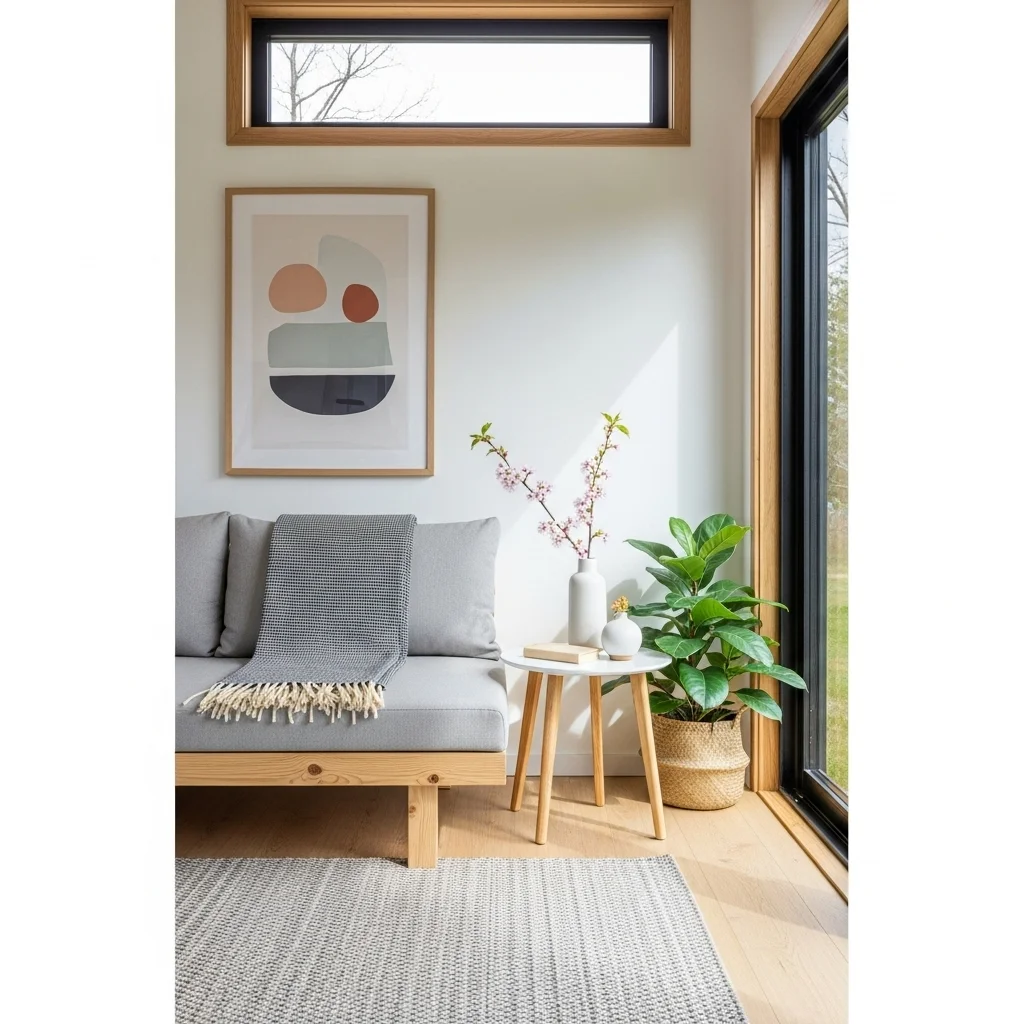
In Japandi design, every item should serve a purpose or spark joy. Avoid cluttering surfaces with trinkets. Instead, display a single vase, a ceramic bowl, or a favorite art print with space to breathe.
This minimalist approach enhances focus and calm. Each piece feels deliberate, echoing the spirit of Japandi Style Tiny House Concepts, where intentional living defines beauty.
15. Integrate Hidden Storage Solutions
Hidden storage keeps the serenity of small spaces intact. Built-in benches, raised platforms, or beds with drawers maximize functionality while keeping clutter invisible.
This method allows you to maintain visual simplicity — essential in minimalist small space design. When everything has a home, your surroundings feel peaceful, open, and effortlessly organized.
16. Add a Compact Tea or Reading Corner
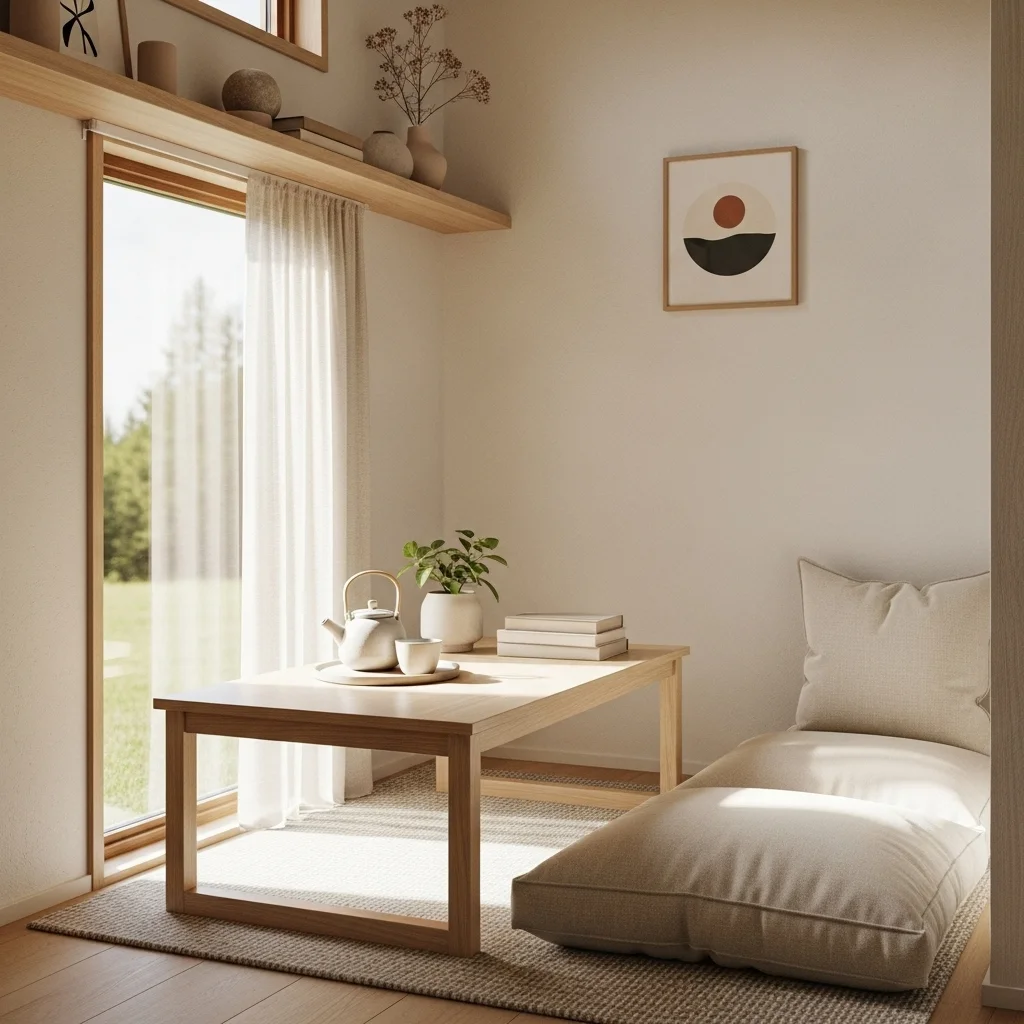
Even in a tiny house, a small area dedicated to relaxation adds luxury. A floor cushion, low stool, and side table near a window can serve as a tea or reading nook.
This quiet space reflects the Japanese love for mindfulness and the Scandinavian emphasis on comfort. It’s one of the most personal tiny home decor inspiration ideas — a sanctuary within your sanctuary.
17. Choose Sustainable and Handcrafted Pieces
Sustainability is at the heart of Japandi living. Choose handcrafted, ethically made furniture and accessories from natural materials. Quality trumps quantity — invest in fewer, better pieces that age beautifully.
Sustainable design complements the essence of modern tiny living, where mindful choices replace excess consumption, promoting balance and well-being.
18. Keep a Connection to the Outdoors
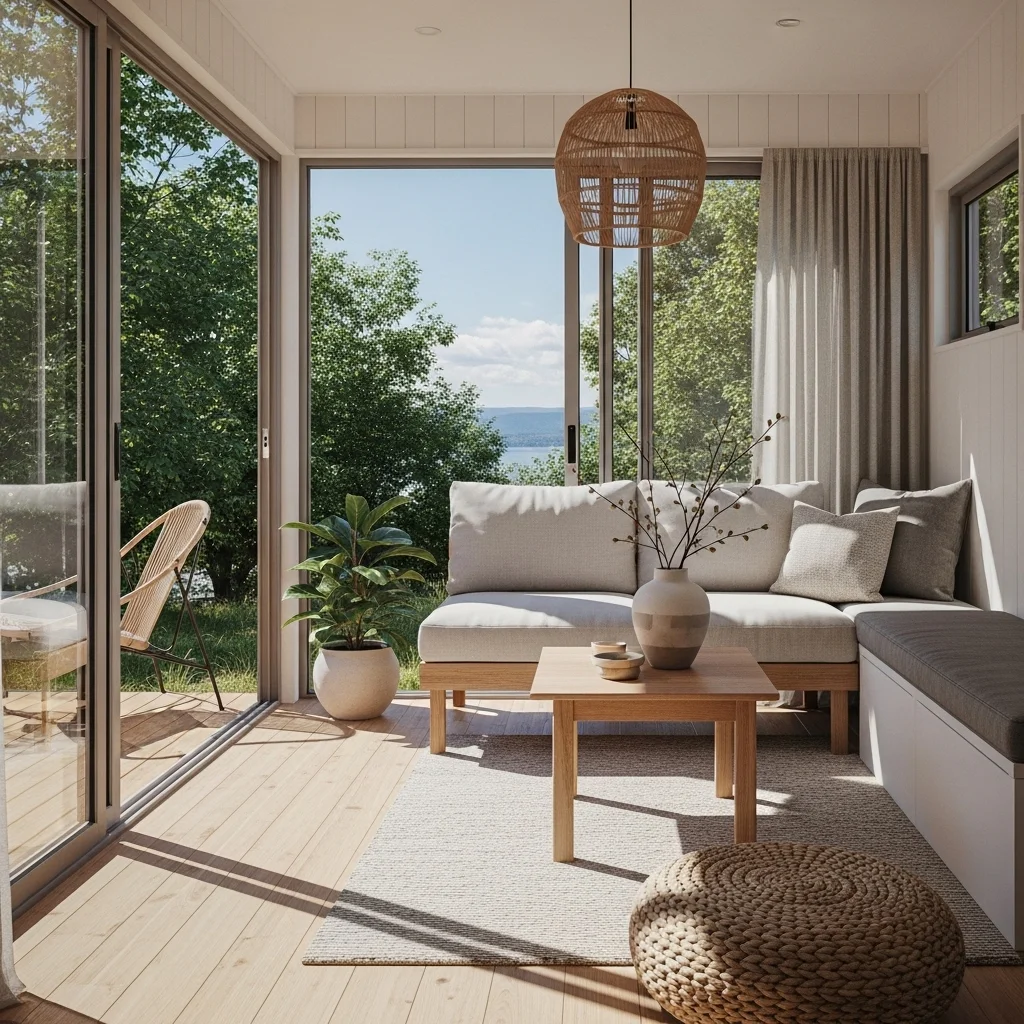
Japandi interiors always maintain harmony with nature. Frame views of your garden, add sliding doors that open to a patio, or place pebbles and bamboo near the entrance to bring the outside in.
The seamless flow between indoor and outdoor spaces strengthens your connection to the earth. It’s the final touch that completes Japandi Style Tiny House Concepts, turning compact living into soulful living.
Final Thoughts
Japandi design proves that a tiny house can still feel expansive when built with intention, balance, and care. These Japandi Style Tiny House Concepts combine minimalism, craftsmanship, and natural beauty to create a space that supports both function and inner peace.
By focusing on organic textures, warm lighting, and uncluttered layouts, you can transform even the smallest home into a serene haven. Whether it’s through sliding doors, low furniture, or handcrafted accents, every element contributes to mindfulness and simplicity.
In the end, Japandi design is not just an aesthetic — it’s a lifestyle. It’s about living purposefully, choosing beauty in simplicity, and finding stillness in the everyday rhythm of modern tiny living.
FAQs About Japandi Tiny House Design
Q1: What defines Japandi design?
Japandi design is a blend of Japanese minimalism and Scandinavian warmth. It focuses on natural materials, simplicity, and balance — perfect for minimalist small space design.
Q2: How can I make a small home feel larger with Japandi style?
Keep furniture low, color palettes neutral, and layouts open. Use multi-functional pieces and plenty of natural light to enhance tiny home decor inspiration.
Q3: What colors work best for Japandi interiors?
Earthy neutrals like beige, taupe, sand, and gray work beautifully. Muted tones highlight texture and calm in Scandinavian Japanese interiors.
Q4: Can Japandi design work in apartments or studios?
Absolutely. Japandi’s minimalist philosophy is ideal for compact living, making it one of the most functional Japandi Style Tiny House Concepts.
Q5: What materials best suit Japandi design?
Stick with wood, stone, linen, and ceramic. These organic textures form the foundation of timeless Zen interior styling.