From Small Spaces to Big Yields: 16 Smart Vegetable Garden Ideas
Starting a vegetable garden is one of the most rewarding ways to connect with nature, eat healthier, and save money. Not only does it provide you with fresh, organic produce, but it also gives you the joy of watching plants grow from seed to harvest. These vegetable garden ideas can inspire you to create a space that’s both practical and beautiful, whether you have a small balcony, a suburban yard, or a large countryside plot.
The best part about vegetable gardens is their flexibility—you don’t need acres of land to grow your own food. From raised beds and vertical gardens to container setups and companion planting techniques, there are countless ways to design a productive garden that fits your space and lifestyle. Each method offers its own benefits, from saving space to boosting plant health and yield.
When designed thoughtfully, a vegetable garden becomes more than just a place to grow food. It transforms into a green sanctuary that improves your well-being, enhances the beauty of your home, and strengthens your connection with the earth. These creative vegetable garden ideas will help you design a garden that is as visually appealing as it is fruitful.
1. Raised Bed Vegetable Garden
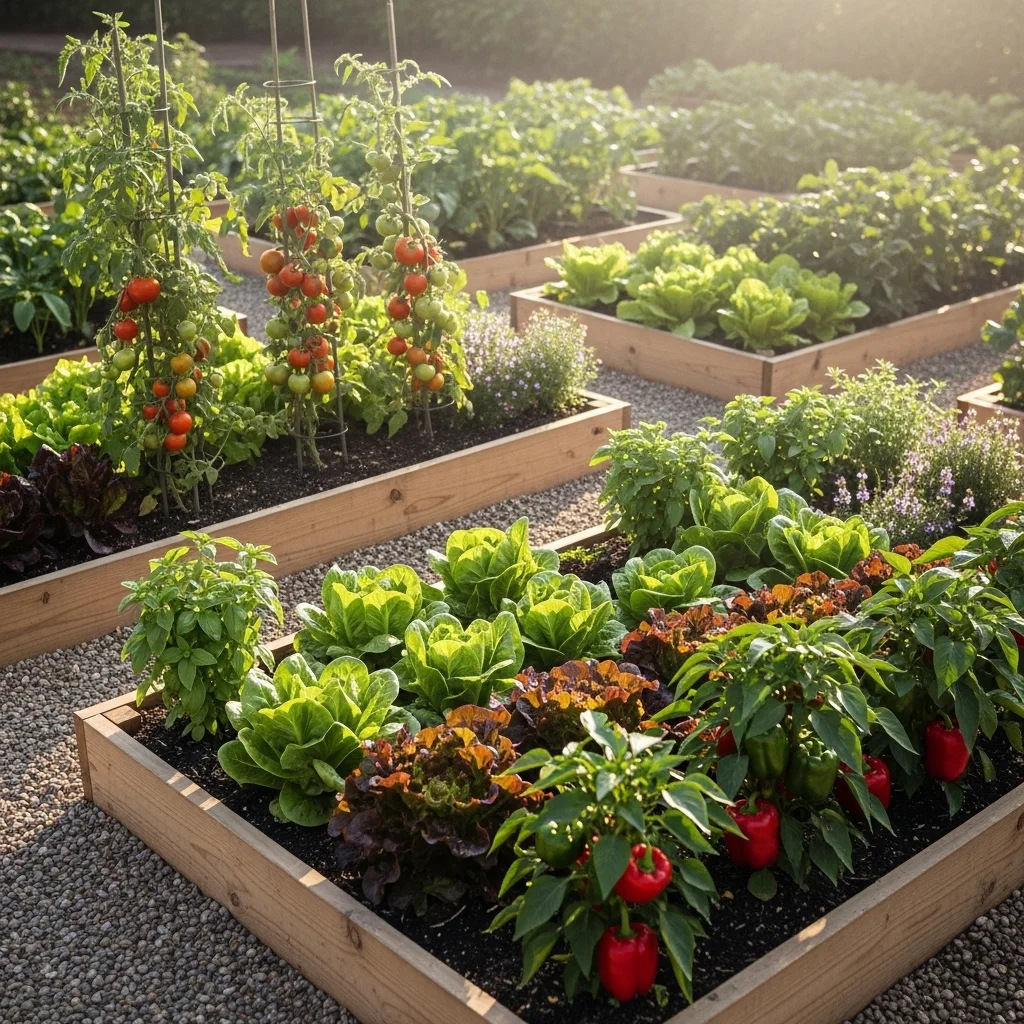
One of the most popular vegetable garden ideas is the raised bed setup, which allows you to create neat, organized sections for growing different crops. Raised beds improve soil drainage, prevent compaction, and make gardening easier on your back and knees. They are also perfect for beginners who want a controlled environment.
You can build raised beds using wood, stone, or metal, and customize the height according to your preference. By filling them with nutrient-rich soil, you’ll have better control over the growing conditions. Vegetables like tomatoes, lettuce, and carrots thrive in raised beds, and the clean layout makes harvesting a breeze.
2. Vertical Vegetable Garden
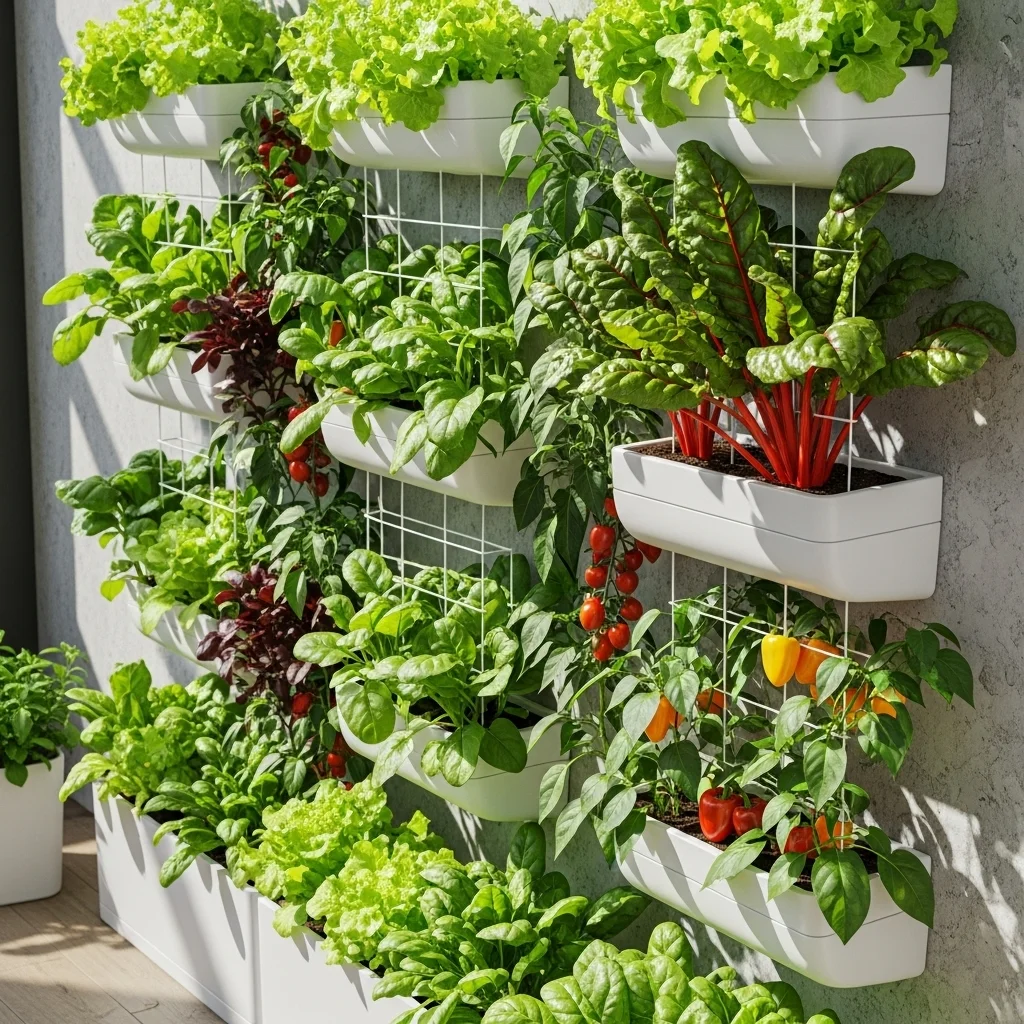
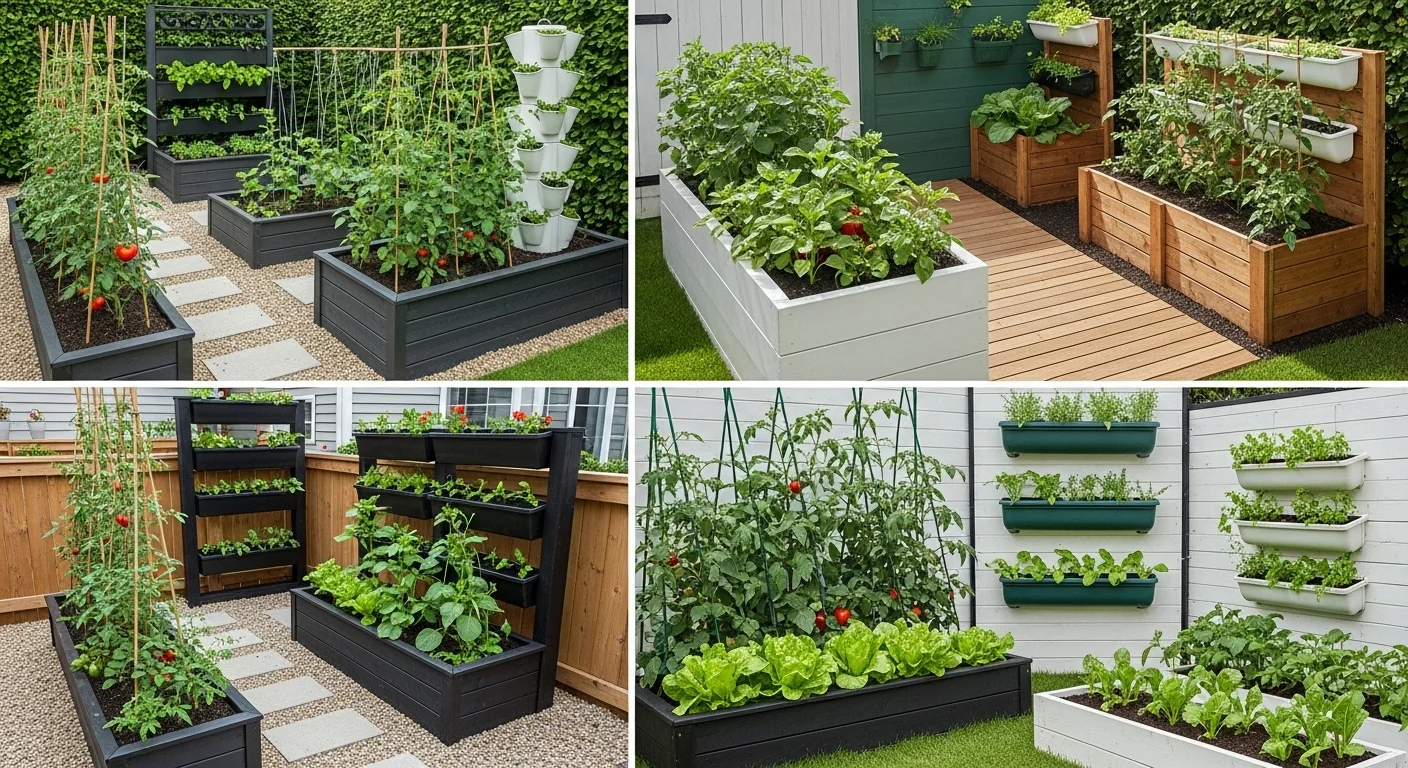
For gardeners with limited space, vertical gardening is one of the smartest vegetable garden ideas. Using trellises, wall planters, or hanging baskets, you can grow upward instead of outward. This technique not only saves space but also adds an eye-catching design element to your garden.
Climbing vegetables like beans, peas, and cucumbers are perfect for vertical gardens. You can also use tiered shelves or wall-mounted containers to grow herbs and leafy greens. Vertical gardening brings efficiency, beauty, and practicality, making it an excellent option for small spaces like balconies or patios.
Read also. 16 Garden Trellis Ideas
3. Container Vegetable Garden
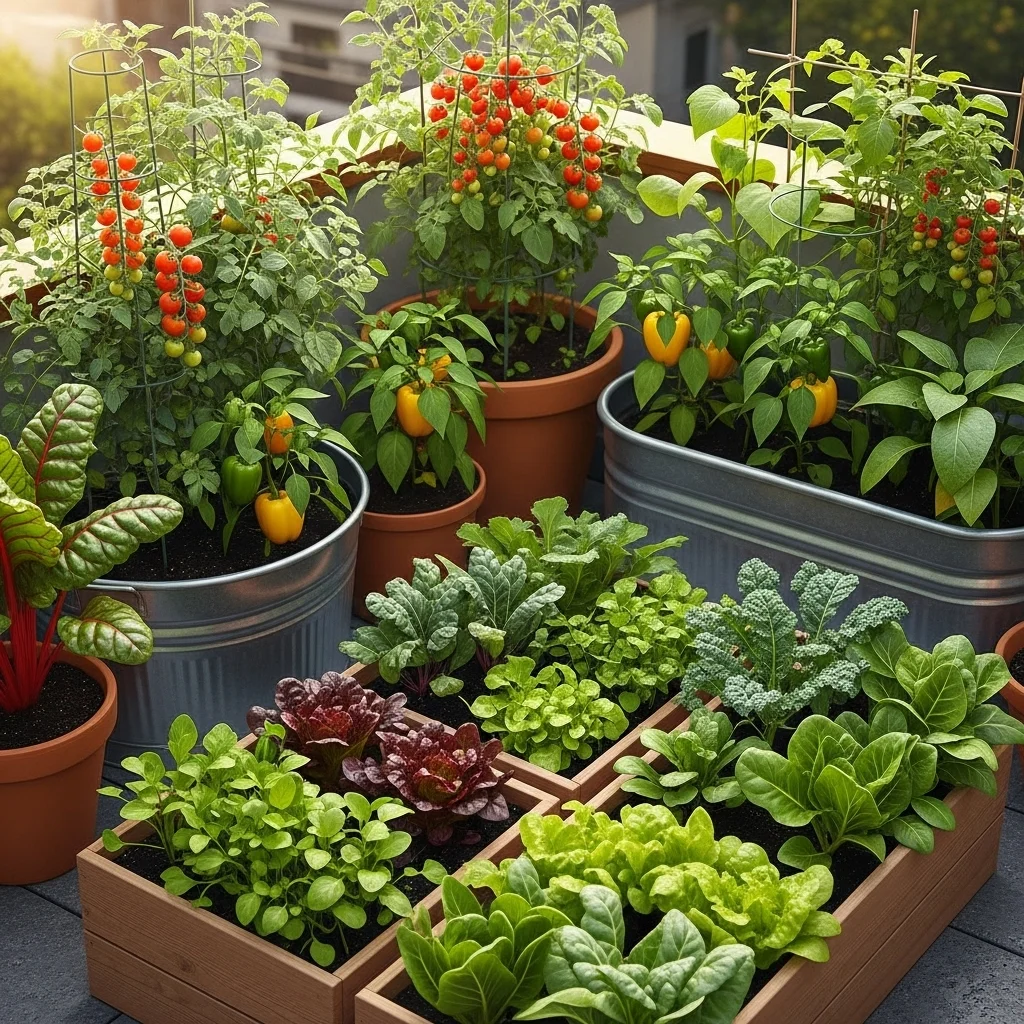
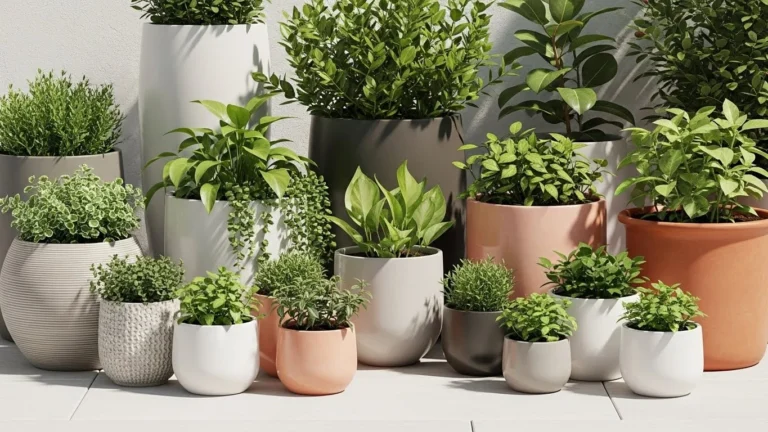
If you don’t have access to a yard, container gardening is one of the most flexible vegetable garden ideas. With pots, barrels, or grow bags, you can grow a variety of vegetables on balconies, decks, or even indoors near sunny windows. Containers allow you to move plants around to maximize sunlight exposure.
Tomatoes, peppers, lettuce, and herbs do especially well in containers. By using lightweight, well-draining soil and choosing the right pot size, you can ensure healthy growth. Container gardens are portable, easy to manage, and perfect for urban gardeners who want fresh produce in small spaces.
4. Square Foot Gardening

Square foot gardening is an efficient method that divides raised beds into small sections, each dedicated to a specific crop. This makes it one of the most organized vegetable garden ideas for maximizing yield in limited space. It also reduces waste by encouraging you to plant only what you need.
This method works well for a variety of vegetables, including radishes, spinach, and bush beans. The neat layout also makes weeding and harvesting simple. Square foot gardening is ideal for beginners, families, or anyone who wants a structured and productive garden with minimal effort.
5. Companion Planting Vegetable Garden

Among the smartest vegetable garden ideas is companion planting, where different vegetables are paired together to improve growth and deter pests. For example, planting basil near tomatoes enhances flavor, while carrots and onions repel each other’s pests. This method relies on natural plant relationships to boost productivity.
Companion planting reduces the need for chemical fertilizers and pesticides, making your garden more eco-friendly. It also adds diversity to your layout, creating a visually appealing mix of shapes and colors. With thoughtful planning, a companion planting garden becomes both efficient and sustainable.
6. Kitchen Garden Close to Home

One of the most practical vegetable garden ideas is creating a kitchen garden close to your home. This setup allows you to quickly harvest fresh herbs, greens, and vegetables while cooking. Ideally placed near your back door or kitchen window, it makes gardening a convenient part of daily life.
Herbs like parsley, mint, and chives, along with quick-growing vegetables such as lettuce and spinach, thrive in this type of garden. By keeping your kitchen garden compact and accessible, you’ll always have fresh ingredients within arm’s reach, which encourages healthier eating habits and reduces food waste.
7. Greenhouse Vegetable Garden
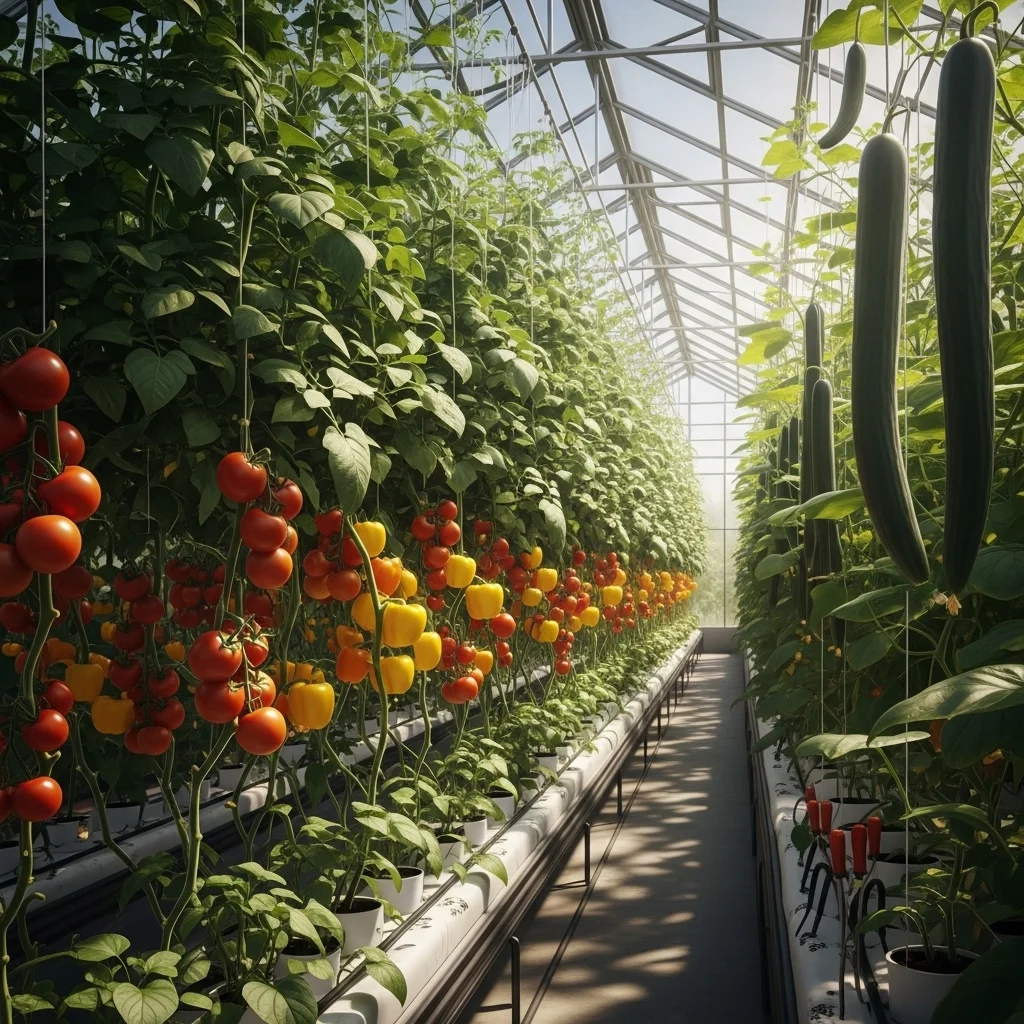
A greenhouse offers year-round growing possibilities, making it one of the most efficient vegetable garden ideas for serious gardeners. The controlled environment protects your plants from extreme weather, pests, and diseases, while extending the growing season.
You can grow tomatoes, cucumbers, peppers, and even exotic vegetables that usually struggle outdoors. With a greenhouse, you can experiment with different crops and ensure a steady supply of fresh produce, regardless of the season. Though it requires an initial investment, the long-term rewards are worth it.
8. Raised Row Vegetable Garden
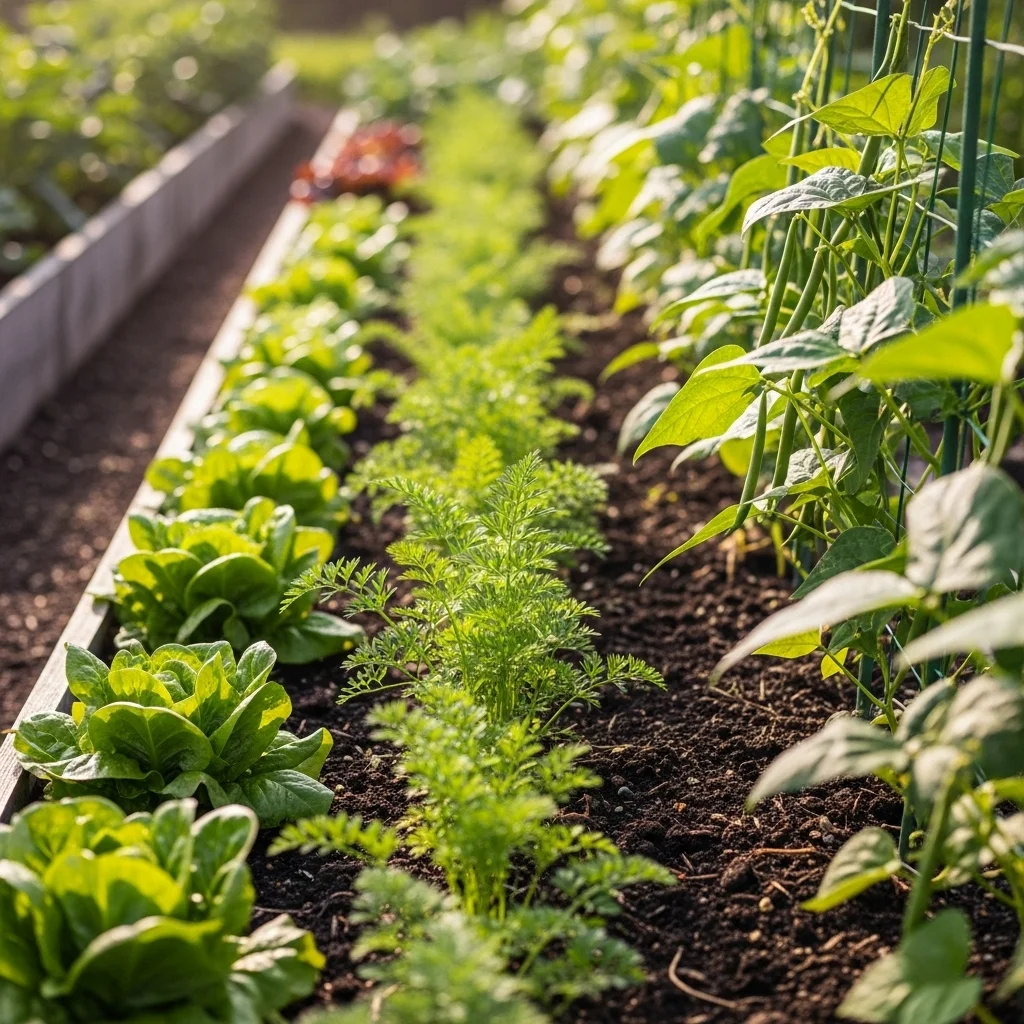
A raised row garden is a simple yet effective approach for those who prefer a low-cost alternative to raised beds. Instead of building structures, you shape soil into raised rows separated by pathways. This method improves drainage, warms the soil faster in spring, and keeps your garden neat.
Vegetables like zucchini, beans, and root crops perform exceptionally well in raised rows. Adding mulch between the rows prevents weeds and retains moisture. This is one of the most budget-friendly vegetable garden ideas, offering both productivity and structure without the need for expensive materials.
9. Indoor Vegetable Garden
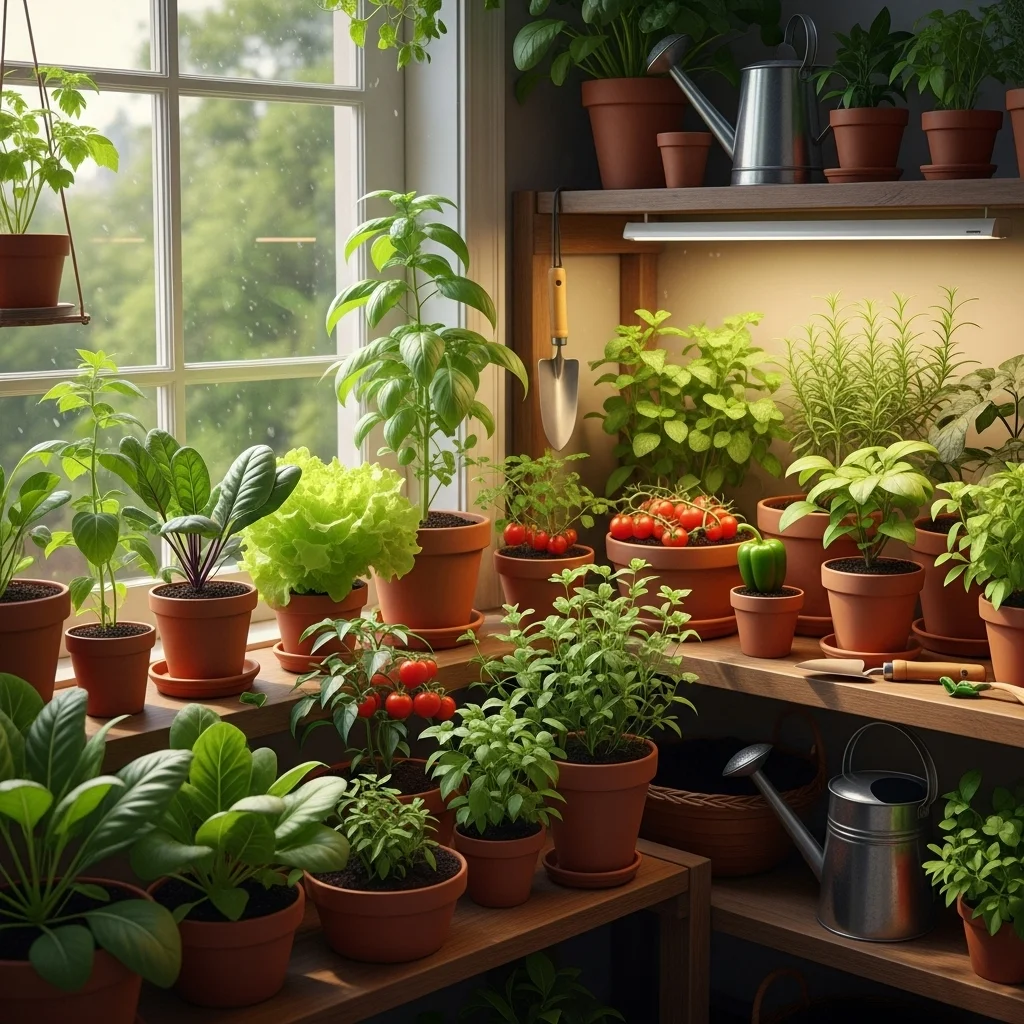
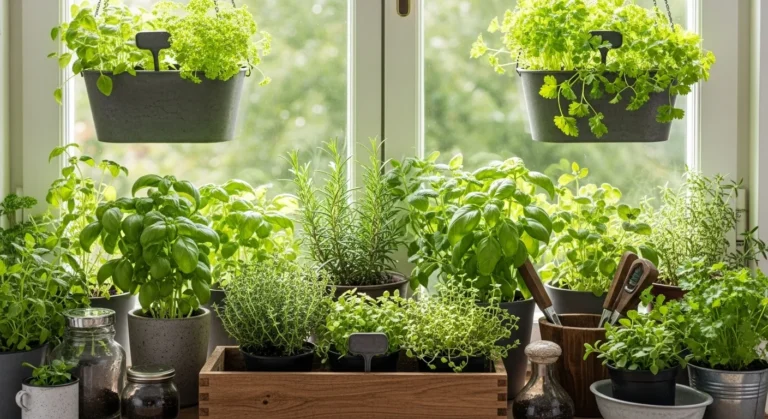
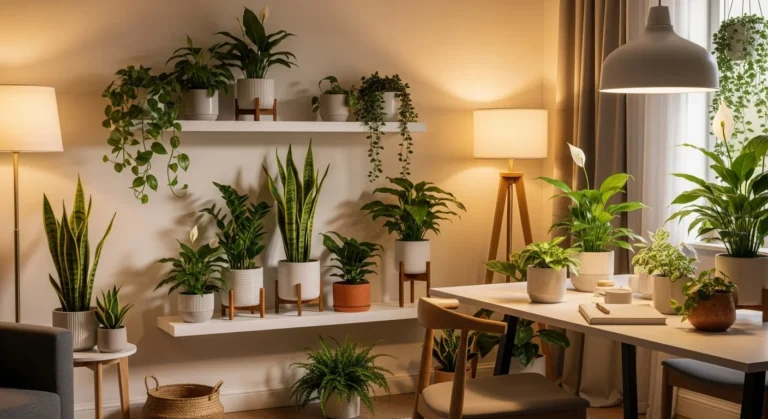
For those living in apartments or colder climates, an indoor vegetable garden is one of the most rewarding vegetable garden ideas. With grow lights, shelves, or sunny windows, you can cultivate herbs, microgreens, and small vegetables indoors.
This type of garden brings greenery into your living space and ensures access to fresh, chemical-free produce year-round. Crops like lettuce, cherry tomatoes, and peppers adapt well indoors. Not only does an indoor vegetable garden provide food, but it also adds beauty and freshness to your home environment.
10. Community Vegetable Garden
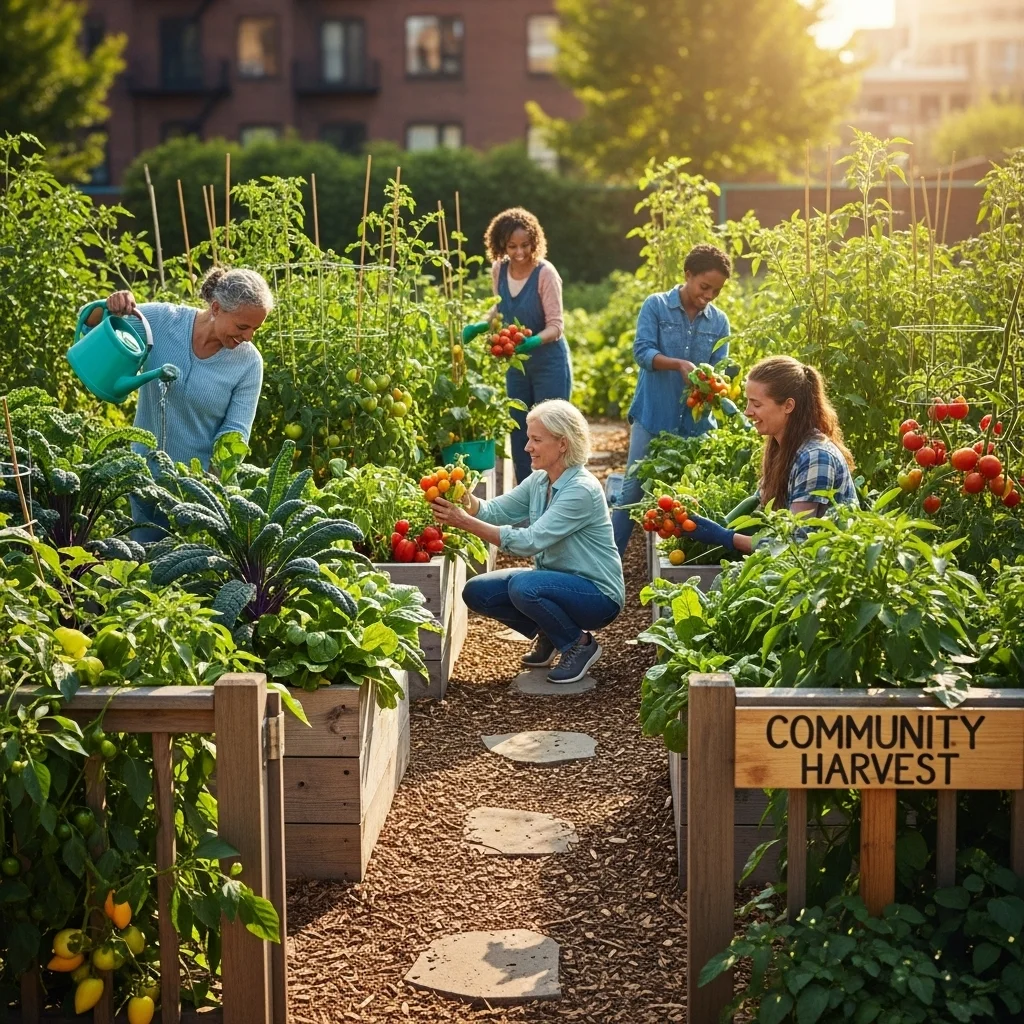
A community garden is one of the most socially rewarding vegetable garden ideas. By sharing land with neighbors or local organizations, you can grow vegetables while building friendships and learning from others. Community gardens promote sustainability, reduce grocery bills, and create a sense of belonging.
These gardens usually provide plots for individuals or families, making them perfect for people without private yards. Growing alongside others fosters teamwork and inspires creativity. Beyond fresh produce, a community garden enriches your lifestyle by bringing people together through gardening.
11. Vertical Trellis Vegetable Garden
A vertical trellis system is one of the most space-saving vegetable garden ideas, especially for climbing plants like cucumbers, beans, or peas. By growing vertically, you free up ground space for other crops while keeping vines off the soil, which reduces rot and pest issues.
Trellises can be built from wood, metal, or even repurposed materials like old ladders or pallets. They not only make harvesting easier but also give your garden a beautiful, structured look. A vertical trellis garden combines practicality and aesthetics, turning small areas into highly productive vegetable-growing spaces.
12. Themed Vegetable Garden

A themed garden adds personality to your space while focusing on specific crops. For example, you can create an Italian-themed garden with tomatoes, basil, and zucchini, or a Mexican-style garden with peppers, cilantro, and corn. Themed vegetable garden ideas make planting fun and ensure you always have the right produce for your favorite dishes.
These gardens are also excellent conversation starters and can be styled with matching décor, such as terracotta pots or rustic wood beds, to complement the chosen theme. A themed vegetable garden combines creativity with functionality in a way that feels personal and inspiring.
13. Companion Planting Vegetable Garden
Companion planting is one of the smartest vegetable garden ideas that uses nature’s synergy to boost growth and deter pests. Certain plants thrive when grown together—for example, tomatoes and basil improve each other’s flavor and health, while carrots and onions repel common pests.
This method not only maximizes your harvest but also reduces the need for chemical fertilizers or pesticides. A companion planting garden is eco-friendly, promotes biodiversity, and ensures your vegetables stay healthy while saving space in your garden beds.
14. Container Vegetable Garden
If you’re short on outdoor space, a container setup is one of the most practical vegetable garden ideas. Large pots, buckets, or even wooden crates can be transformed into thriving mini-gardens. Herbs, peppers, lettuce, and even potatoes can grow well in containers.
This method is flexible because you can move the containers around to catch the best sunlight or protect plants from harsh weather. It also helps control soil quality, making container gardens perfect for beginners who want easy management and quick results.
15. Succession Planting Vegetable Garden
Succession planting ensures continuous harvests throughout the season. Instead of planting all your seeds at once, you stagger plantings every few weeks. For instance, sowing lettuce or beans in intervals guarantees fresh produce for months.
This approach makes it one of the most efficient vegetable garden ideas, especially for families who want steady supplies rather than one big harvest. It reduces waste, maximizes your gardening space, and keeps your meals supplied with fresh, homegrown vegetables.
16. Ornamental Vegetable Garden
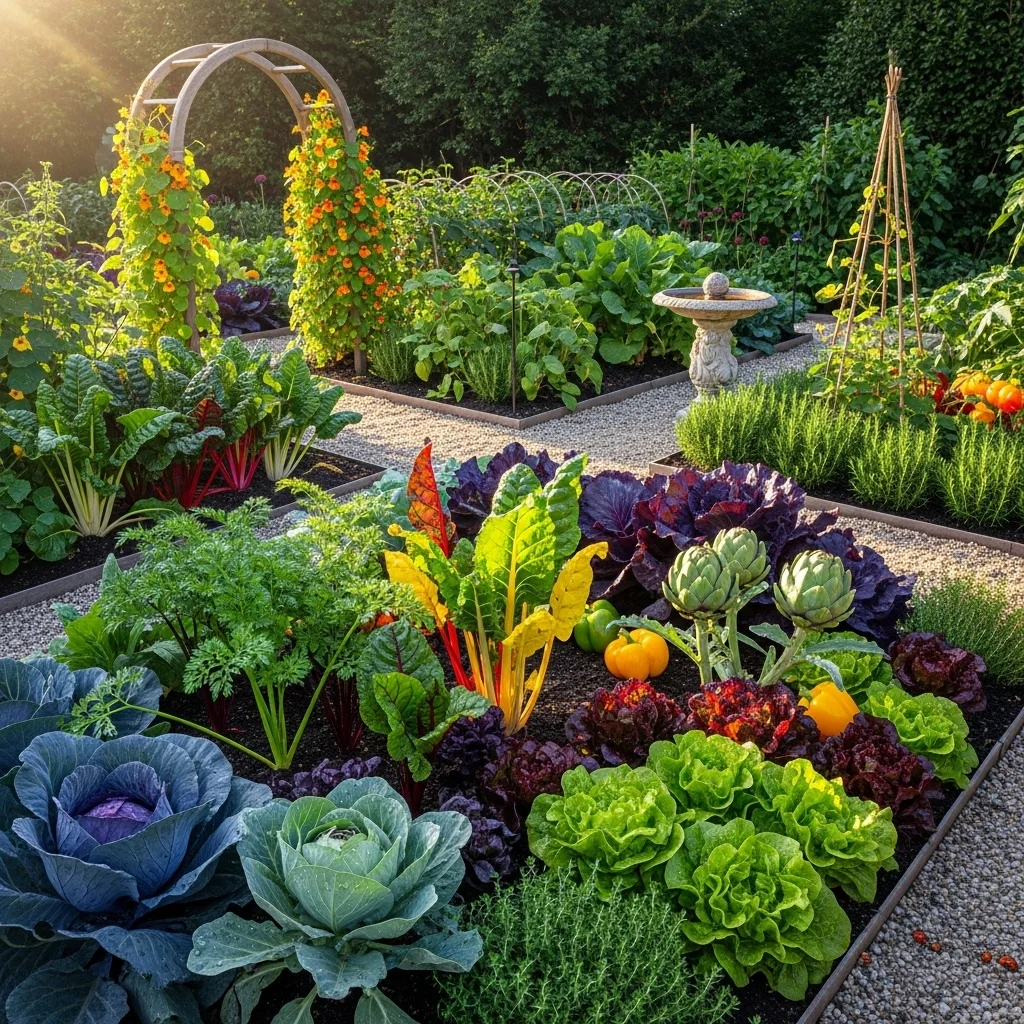
An ornamental vegetable garden combines beauty with functionality. By mixing colorful vegetables like purple cabbage, rainbow chard, and red peppers with flowers and decorative plants, you create a stunning landscape that is also edible.
This design-focused approach is among the most stylish vegetable garden ideas. It makes your garden look like a work of art while still providing fresh produce. Ornamental gardens are ideal for front yards or visible spaces where you want your vegetable garden to be both practical and visually appealing.
Final Thoughts
Exploring different vegetable garden ideas allows you to transform any outdoor or indoor space into a source of freshness, beauty, and health. Whether you prefer the practicality of raised beds, the creativity of themed gardens, or the convenience of indoor planters, there’s always a design that suits your lifestyle. These ideas not only enhance your home’s aesthetics but also ensure you and your family enjoy the benefits of organic, chemical-free produce.
Gardening is more than just planting seeds—it’s about connecting with nature, reducing stress, and finding joy in watching something grow under your care. By choosing from these versatile vegetable garden ideas, you’ll discover ways to maximize space, improve harvests, and even turn your yard into a stunning feature of your home.
Ultimately, the best garden is the one that fits your needs. From beginner-friendly container setups to advanced greenhouse systems, these ideas inspire creativity and practicality. Once you start, you’ll see how a vegetable garden not only feeds your body but also nourishes your soul.
FAQs
1. What vegetables are easiest to grow for beginners?
Lettuce, radishes, beans, zucchini, and tomatoes are some of the easiest vegetables to start with because they require minimal care and grow quickly.
2. How do I maximize space in a small vegetable garden?
You can use vertical trellises, container gardening, and companion planting to save space while increasing yields in a small area.
3. How often should I water my vegetable garden?
Most vegetable gardens need about 1–2 inches of water per week, but this depends on soil type, climate, and plant variety.
4. Can I grow vegetables indoors year-round?
Yes, with the right conditions. Using grow lights, proper containers, and good soil, you can grow herbs, leafy greens, and even small peppers indoors all year long.
5. What’s the best soil mix for a vegetable garden?
A nutrient-rich mix of compost, topsoil, and organic matter works best for most vegetables, ensuring good drainage and fertility.