Why Does My Bathroom Smell Like Sewage? 7 Causes & Easy Fixes
Few things are more unpleasant than walking into your bathroom and being hit with a foul, sewer-like odor. It’s frustrating, embarrassing, and often confusing — especially when your bathroom looks spotless. So, why does this happen? The truth is, if your bathroom smells like sewage, it’s usually a sign of underlying plumbing or ventilation issues, not poor hygiene.
While that smell might seem alarming, it’s not always a plumbing disaster. Sometimes it’s caused by something as simple as a dried-out drain trap, a clogged vent, or a buildup of organic matter. However, ignoring the problem can make it worse over time, leading to health hazards and costly repairs.
In this guide, we’ll explore why your bathroom smells like sewage, the most common causes, and step-by-step solutions to eliminate the odor for good. Whether it’s your drain, toilet, or sink giving off that awful smell, you’ll learn how to identify the source and restore freshness to your bathroom.
1. Dried-Out P-Trap
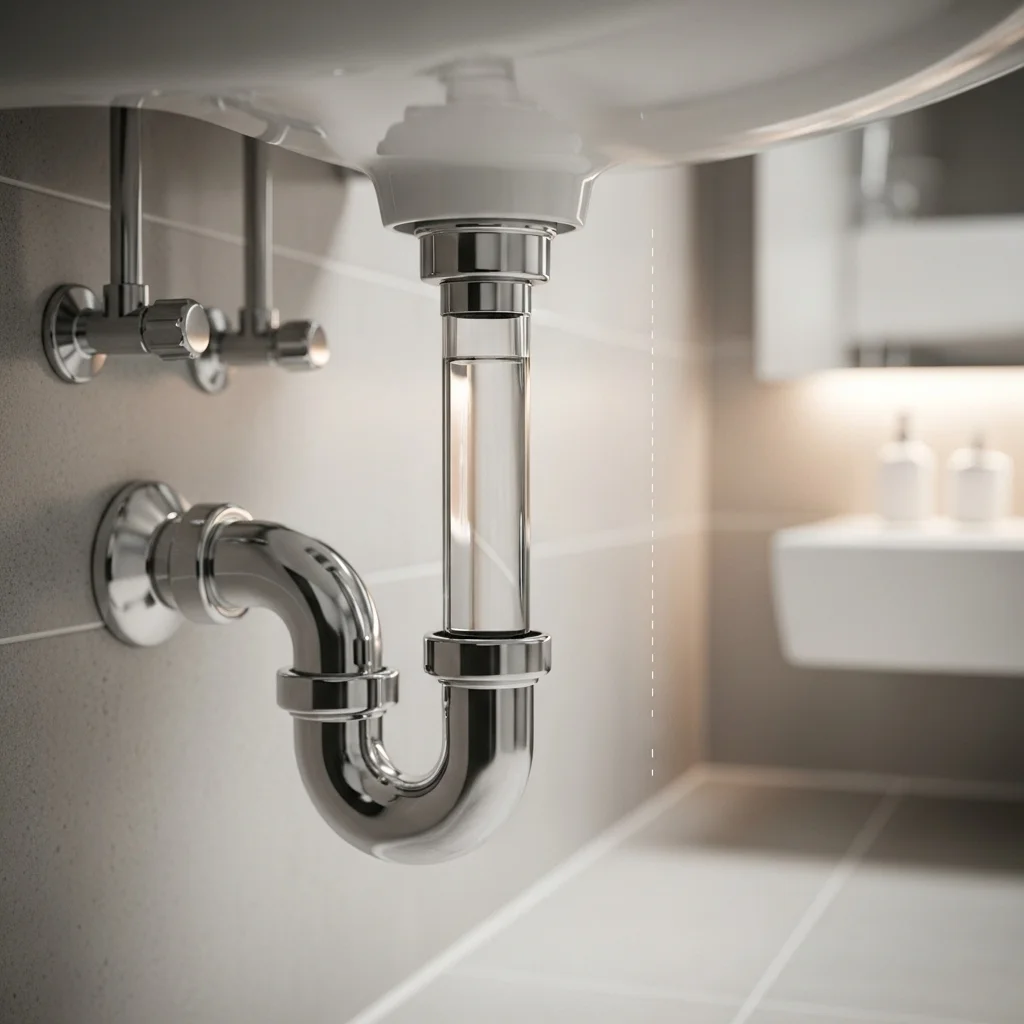
The P-trap is the curved pipe under your sink, shower, or bathtub that holds water to block sewer gases from escaping. When not used regularly, the water in the trap can evaporate, allowing those gases to rise back into your bathroom.
If you have a guest bathroom or rarely used drain, this is often the culprit. To fix it, run water for a minute or two to refill the trap. Adding a few drops of mineral oil afterward slows evaporation. Proper bathroom drain maintenance keeps these traps effective and prevents that unmistakable sewer smell.
2. Clogged or Dirty Drains
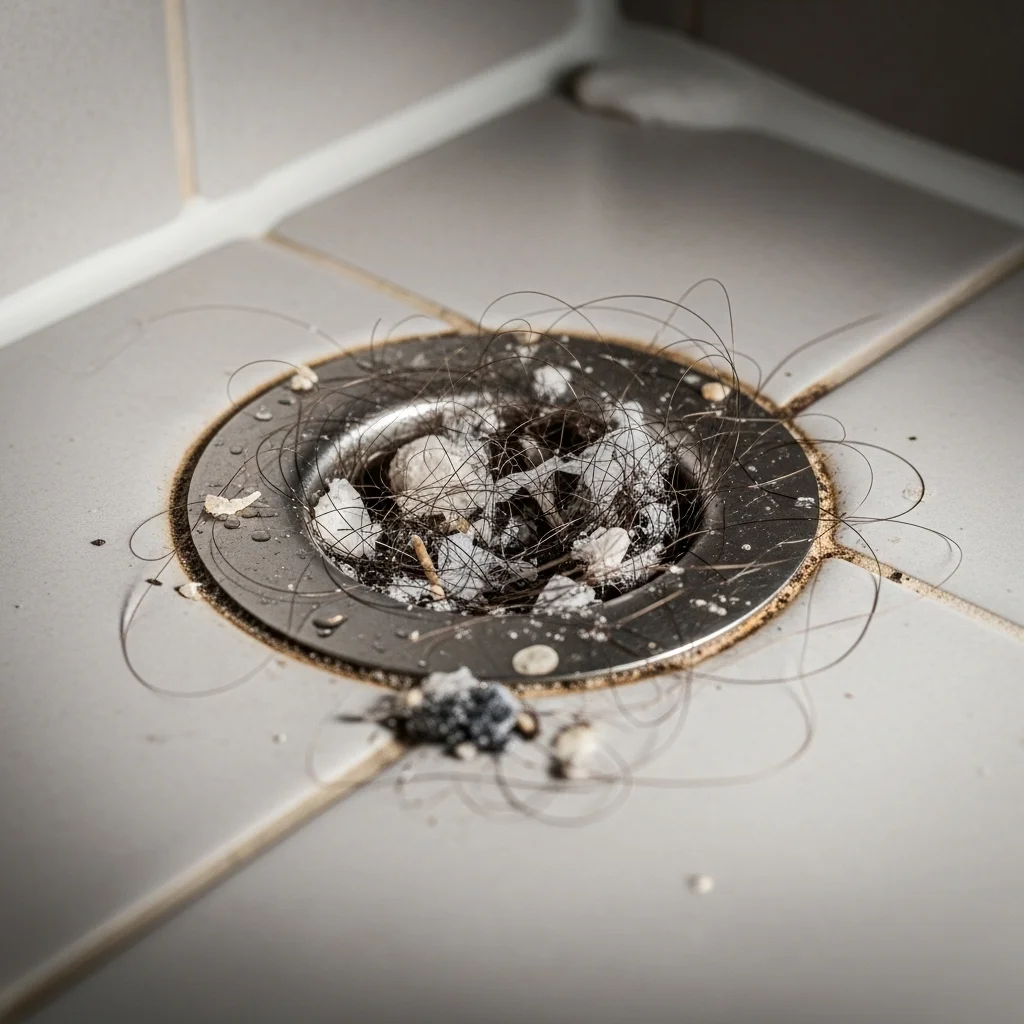
Over time, hair, soap scum, toothpaste, and other debris accumulate in your drains, creating a sticky buildup where bacteria thrive. As this organic matter decomposes, it releases foul gases that mimic the smell of sewage.
To solve this, clean your drains with a mixture of baking soda and vinegar followed by hot water. For tougher clogs, use a drain snake or enzyme-based cleaner. Regular cleaning is key — this simple habit can prevent most bathroom odor causes before they start.
3. Leaky Wax Ring Around the Toilet
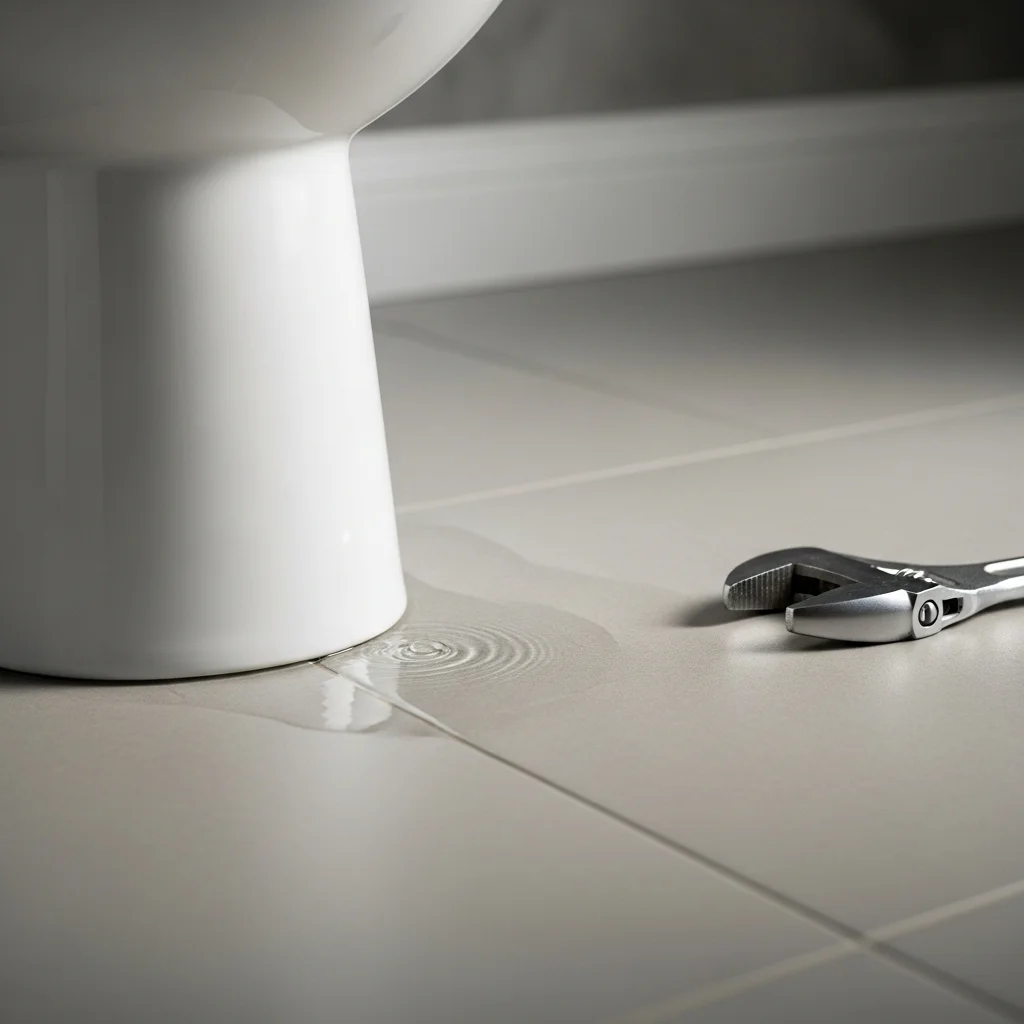
If the smell seems to come from the base of your toilet, you might have a damaged wax ring seal. This small but crucial component seals the connection between your toilet and the drain pipe, preventing sewer gases from escaping.
Over time, wax rings can dry out, crack, or become misaligned. Replacing it is a relatively simple DIY task but must be done carefully. A fresh wax seal not only stops smells but also protects your floor from moisture damage — a must-do plumbing smell solution for lasting freshness.
4. Vent Pipe Blockage
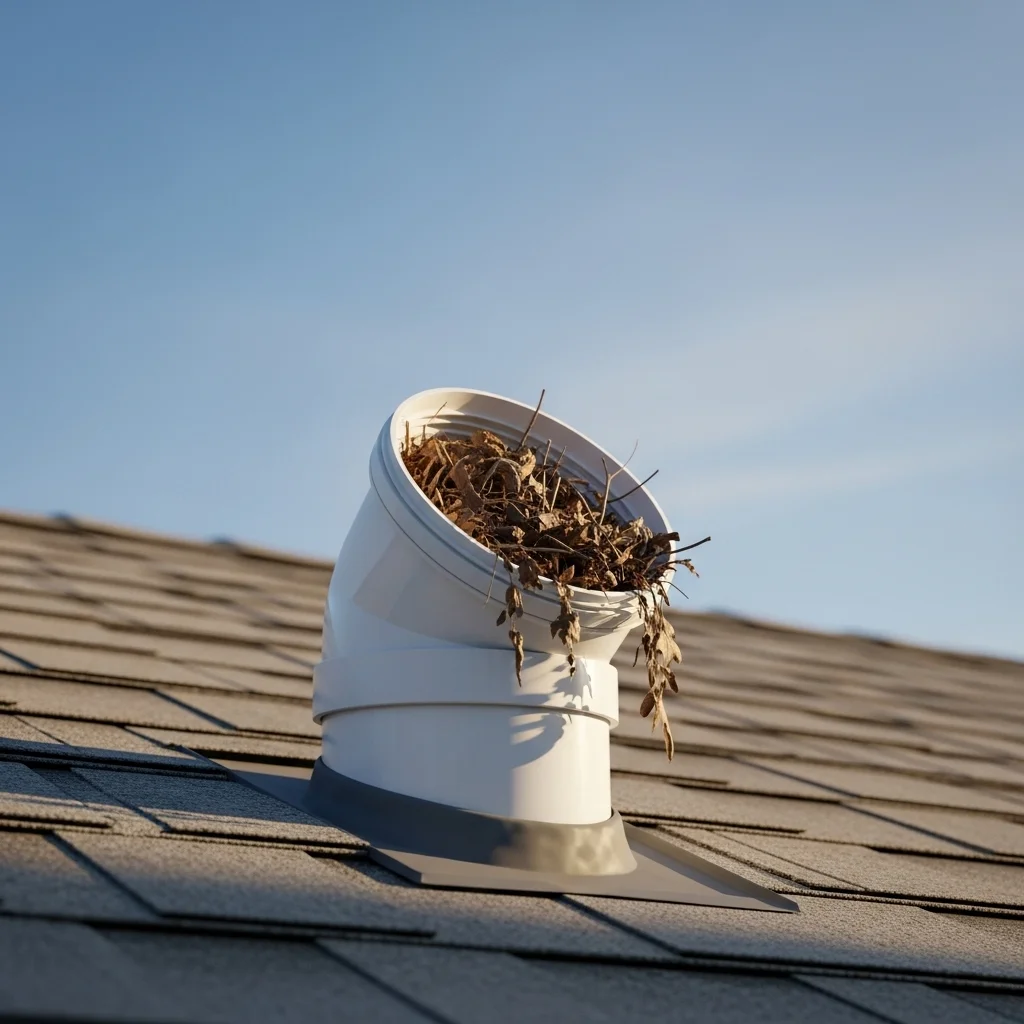
Your home’s plumbing system relies on vent pipes to equalize pressure and allow gases to escape safely through the roof. When these vents become blocked — by leaves, bird nests, or ice — sewer gases can get trapped and back up into your bathroom.
If you notice gurgling sounds in your drains or a persistent odor, a blocked vent could be the reason. You’ll likely need a plumber to clear it, as roof vent access can be tricky. Keeping vents clear ensures proper air circulation — one of the most overlooked yet essential home plumbing tips.
5. Cracked or Damaged Drain Pipes
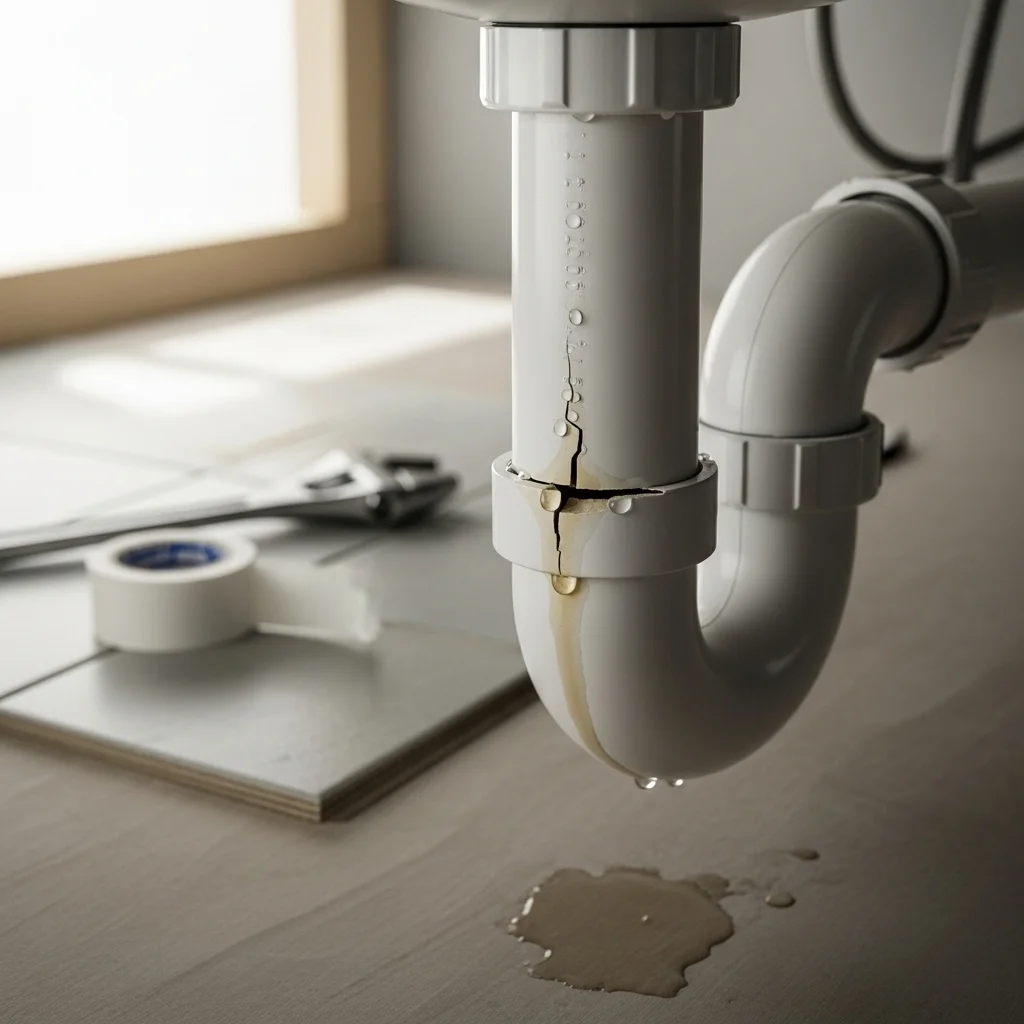
A damaged pipe beneath the floor or behind the wall can release sewage gases directly into your home. Unlike surface-level issues, this one often comes with a constant, lingering odor and may require professional inspection.
Because pipe cracks often develop in hidden areas, early signs include slow drainage, damp flooring, or visible water stains. If you suspect this, contact a licensed plumber immediately. Repairing small cracks early can prevent major leaks, mold growth, and costly structural repairs.
Read also. 19 Half Bathroom Decor Ideas
6. Biofilm Buildup in the Toilet Bowl
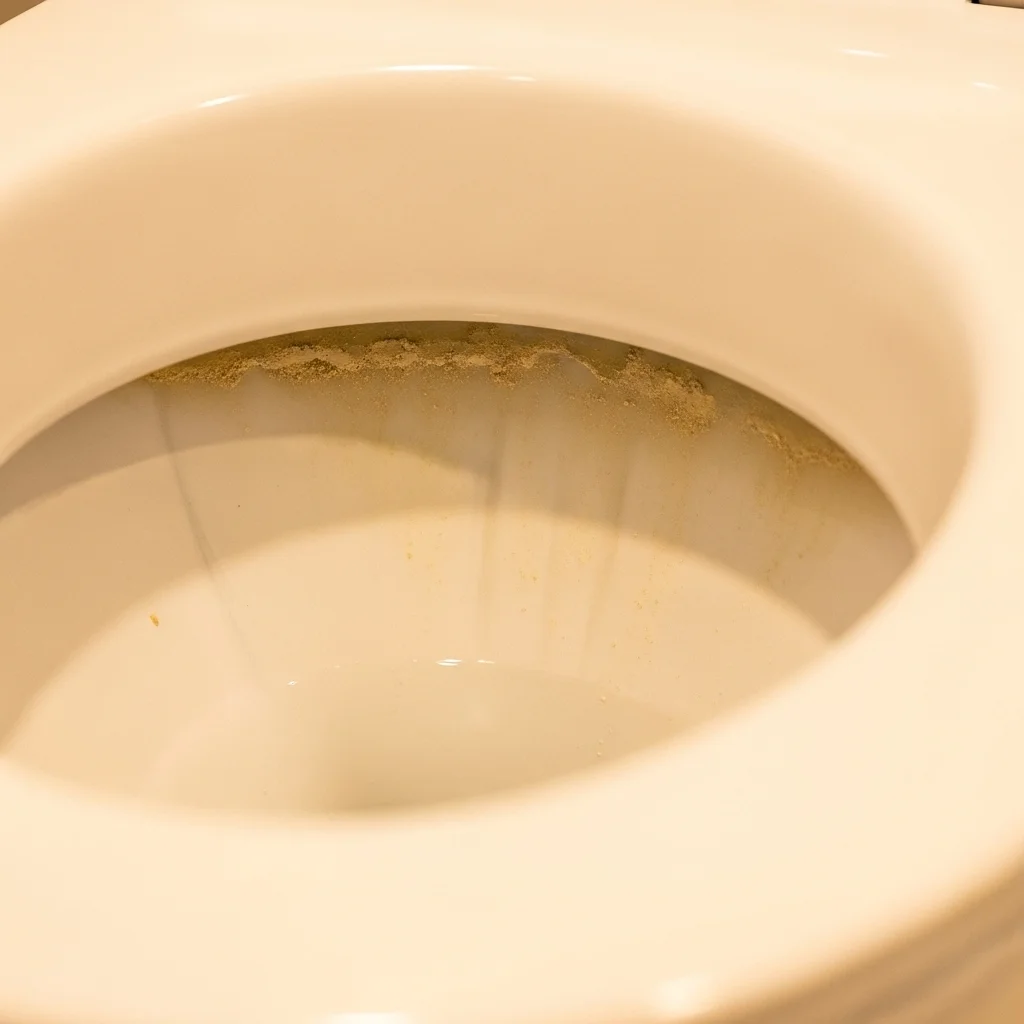
Even if your toilet looks clean, bacteria can accumulate under the rim or in the siphon jet holes. This sticky film — called biofilm — thrives in moist environments and releases unpleasant odors that can resemble sewage.
Scrub under the rim with a stiff brush and use an antibacterial cleaner weekly. For a natural solution, pour a mix of vinegar and baking soda into the bowl and let it sit overnight. Maintaining a clean toilet interior is one of the easiest bathroom drain maintenance routines to prevent odors from returning.
7. Unused or Improperly Installed Fixtures
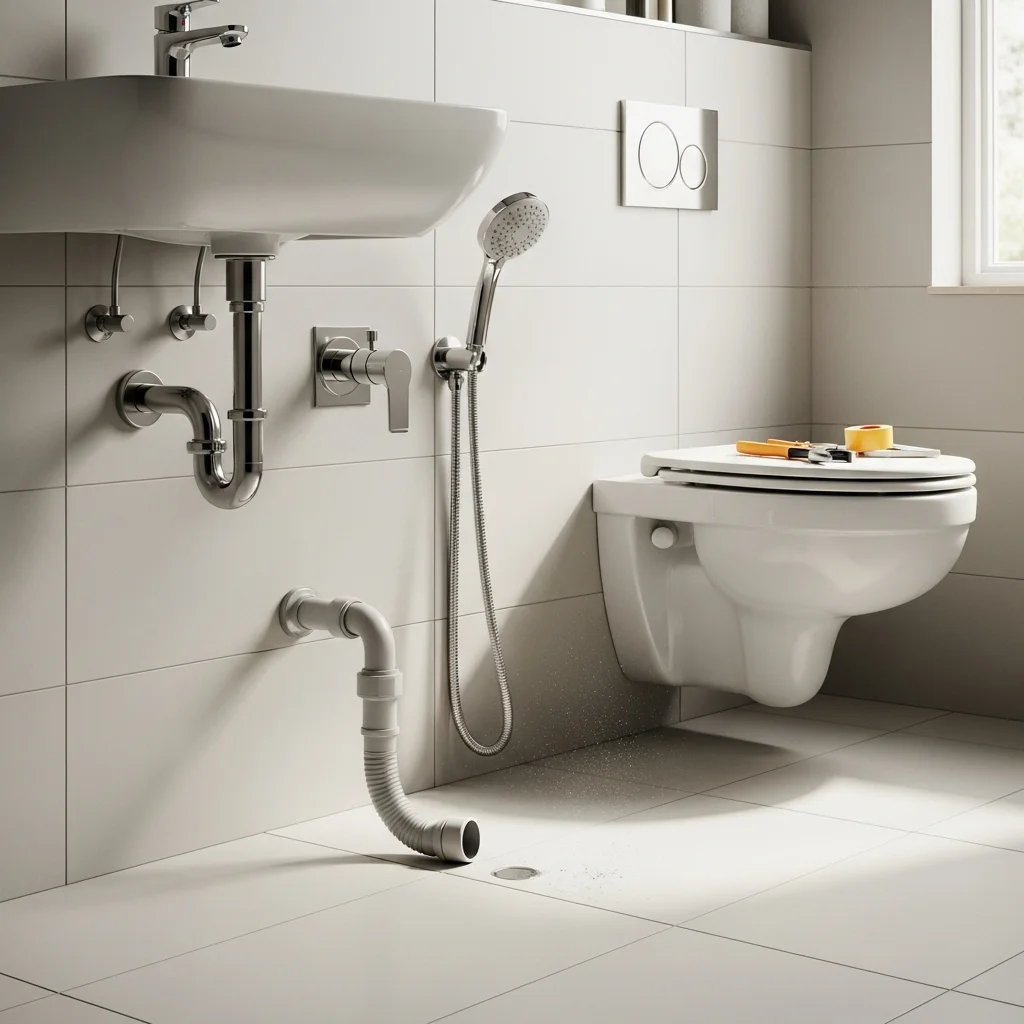
Occasionally, a new or rarely used fixture can be the culprit. Showers or tubs installed without proper venting or traps can allow gases to seep in, while unused fixtures lead to dried-out seals.
If this is the case, you might need a professional to inspect and adjust the installation. Routine use of all bathroom fixtures helps maintain seal integrity and keeps air flowing smoothly through the system. Consistent use and smart plumbing smell solutions ensure your bathroom remains fresh and hygienic.
How to Get Rid of Sewer Smells in Your Bathroom
- Flush and refill all drains weekly to prevent traps from drying out.
- Clean drains regularly with a natural cleaner or enzyme-based solution.
- Inspect toilet seals for leaks or looseness.
- Check roof vents for obstructions after heavy storms or fall debris.
- Keep fixtures in use — even unused guest bathrooms need occasional water flow.
- Use deodorizers like baking soda bowls or essential oils to maintain freshness.
By incorporating these simple habits, you’ll eliminate odors and strengthen your long-term bathroom odor prevention strategy.
Final Thoughts
A bathroom that smells like sewage is not just an inconvenience — it’s a warning sign. The good news? Most causes are simple to fix once you identify them. Whether it’s a dry trap, clogged drain, or leaky wax seal, taking swift action keeps your home clean, healthy, and comfortable.
Your bathroom should be your sanctuary, not a source of stress. With regular maintenance and awareness of potential plumbing issues, you can keep foul odors away for good. If you’ve tried these fixes and the smell persists, don’t hesitate to call a professional plumber — lingering sewer smells are best addressed early.
A fresh-smelling, clean bathroom not only improves your home’s comfort but also enhances your overall sense of well-being. Treat your plumbing system with care, and it will return the favor with years of quiet, odor-free performance.
FAQs About Bathroom Sewer Smells
Q1: Is a sewage smell in the bathroom dangerous?
Yes. Prolonged exposure to sewer gases can cause headaches, nausea, and fatigue. It’s crucial to address bathroom odor causes immediately.
Q2: Can I fix a sewer smell myself?
Yes, if the issue is minor (like a dry trap or dirty drain). For damaged seals or pipes, you’ll need professional plumbing smell solutions.
Q3: How can I tell if my wax ring is leaking?
Look for water around the toilet base or a strong odor when flushing. Replacing the wax ring usually resolves the problem.
Q4: Why does my bathroom smell worse after a shower?
Showering can displace air pressure, forcing trapped gases from drains. Regular bathroom drain maintenance helps prevent this.
Q5: What’s the best cleaner for smelly drains?
Use a mix of baking soda, vinegar, and boiling water weekly — it’s natural, effective, and safe for most pipes.