
15 Best Chicken Coop Bedding Ideas for a Fresh and Happy Flock
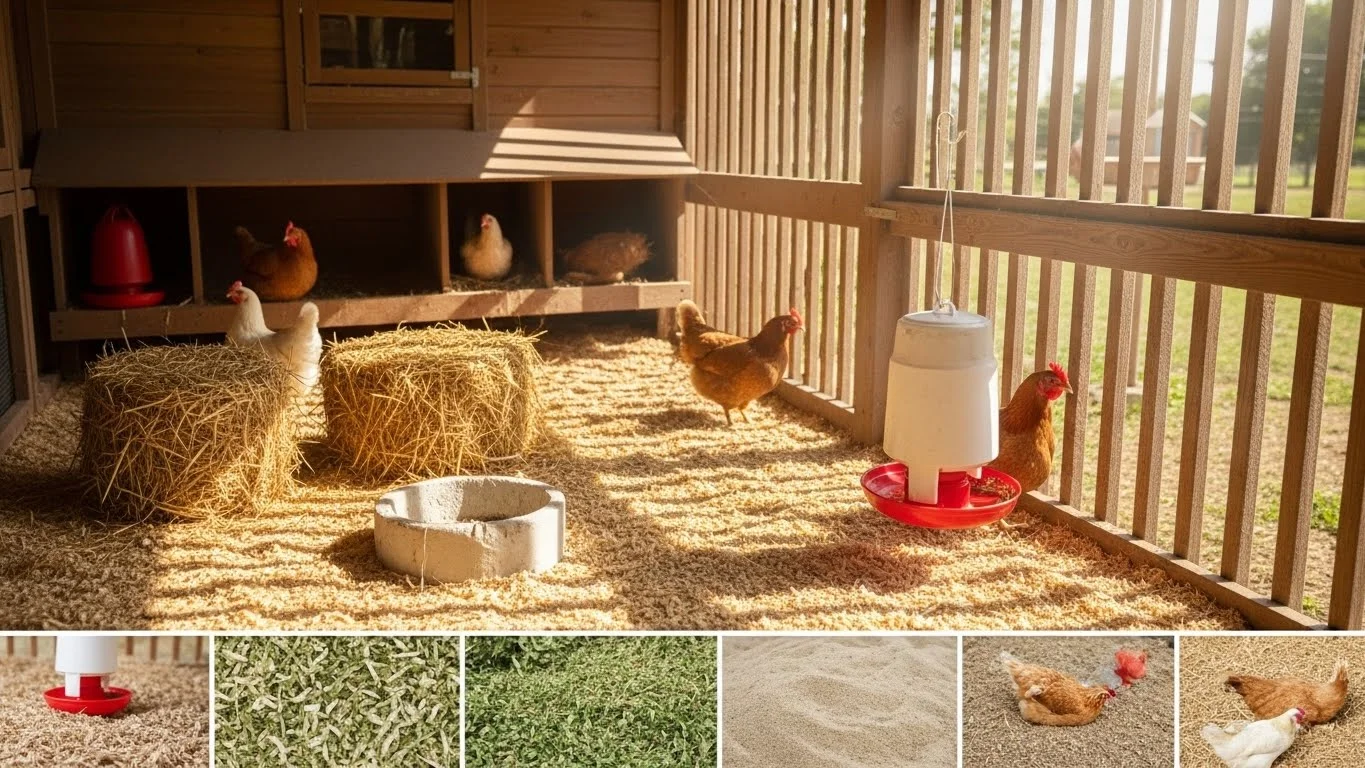
The right bedding can make all the difference in maintaining a clean, dry, and odor-free chicken coop. Bedding not only supports hygiene but also enhances comfort, insulation, and even egg production. A cozy, well-managed coop ensures that your flock stays healthy and content throughout the year.
Choosing the best chicken coop bedding depends on several factors like climate, coop size, and cleaning frequency. Natural materials such as straw, pine shavings, or hemp are popular because they’re absorbent, soft, and eco-friendly. The right bedding balances comfort, cost, and practicality.
In this guide, we explore 15 chicken coop bedding ideas to help you find the perfect option for your hens — from traditional materials to modern, sustainable choices that simplify upkeep and improve coop hygiene.
1. Pine Shavings
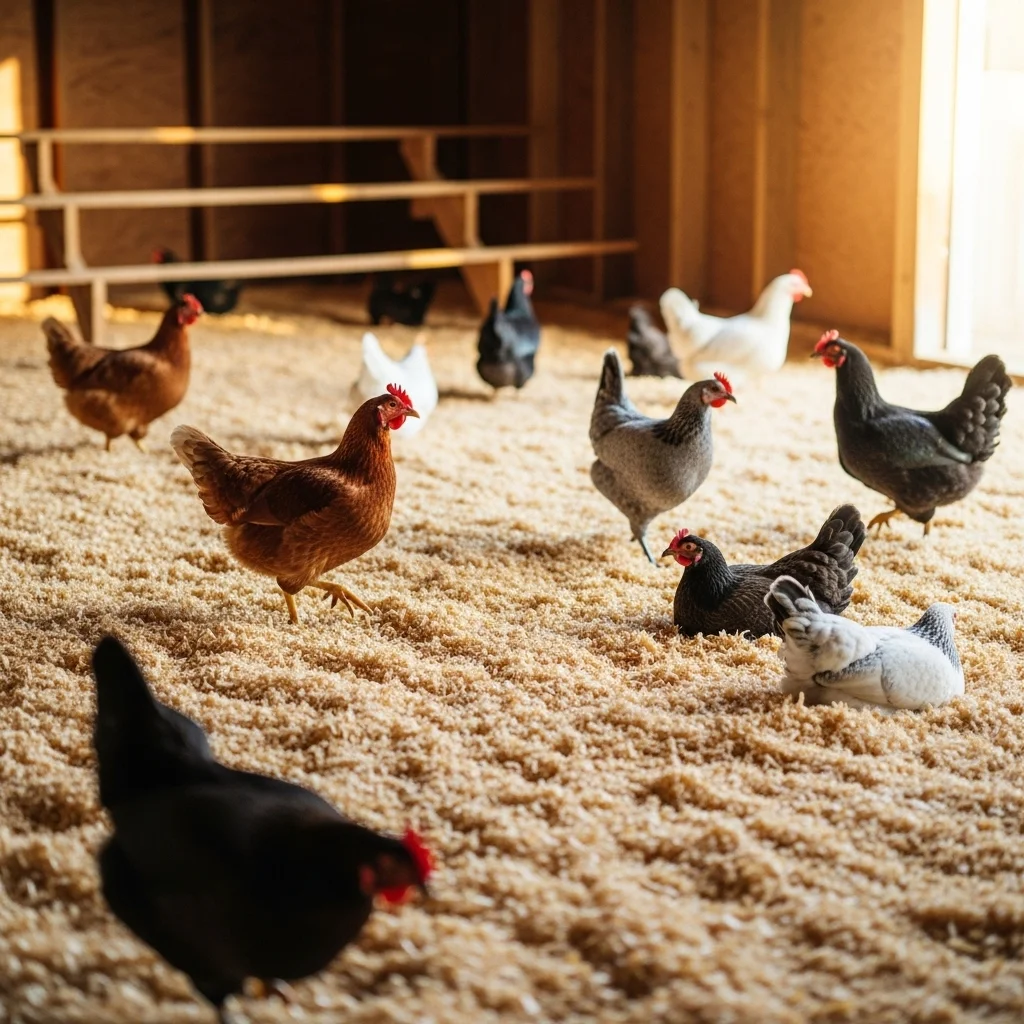
Pine shavings are a classic favorite for chicken coops due to their softness, absorbency, and pleasant scent. They control moisture effectively, keeping coops fresh and reducing odor.
This bedding option is easy to clean and replace, making it ideal for both small and large flocks. Just ensure proper ventilation to avoid dust buildup.
2. Straw Bedding

Straw provides warmth and natural insulation during colder months. Its hollow structure traps air, keeping the coop cozy for hens.
Although affordable, straw requires frequent cleaning to prevent mold. It’s best used in dry climates or combined with other absorbent materials.
3. Hemp Bedding

Hemp is an eco-friendly and highly absorbent material gaining popularity among chicken keepers. It’s dust-free and decomposes quickly, making it garden-friendly.
Hemp’s odor control properties and long lifespan make it a great low-maintenance option for sustainable coops.
4. Aspen Shavings

Aspen shavings are an excellent alternative to pine or cedar because they’re non-toxic and hypoallergenic. They control odor and moisture effectively without releasing harmful oils.
Aspen is soft underfoot and suitable for chicks or adult chickens, ensuring comfort while keeping the environment healthy.
5. Sand Bedding
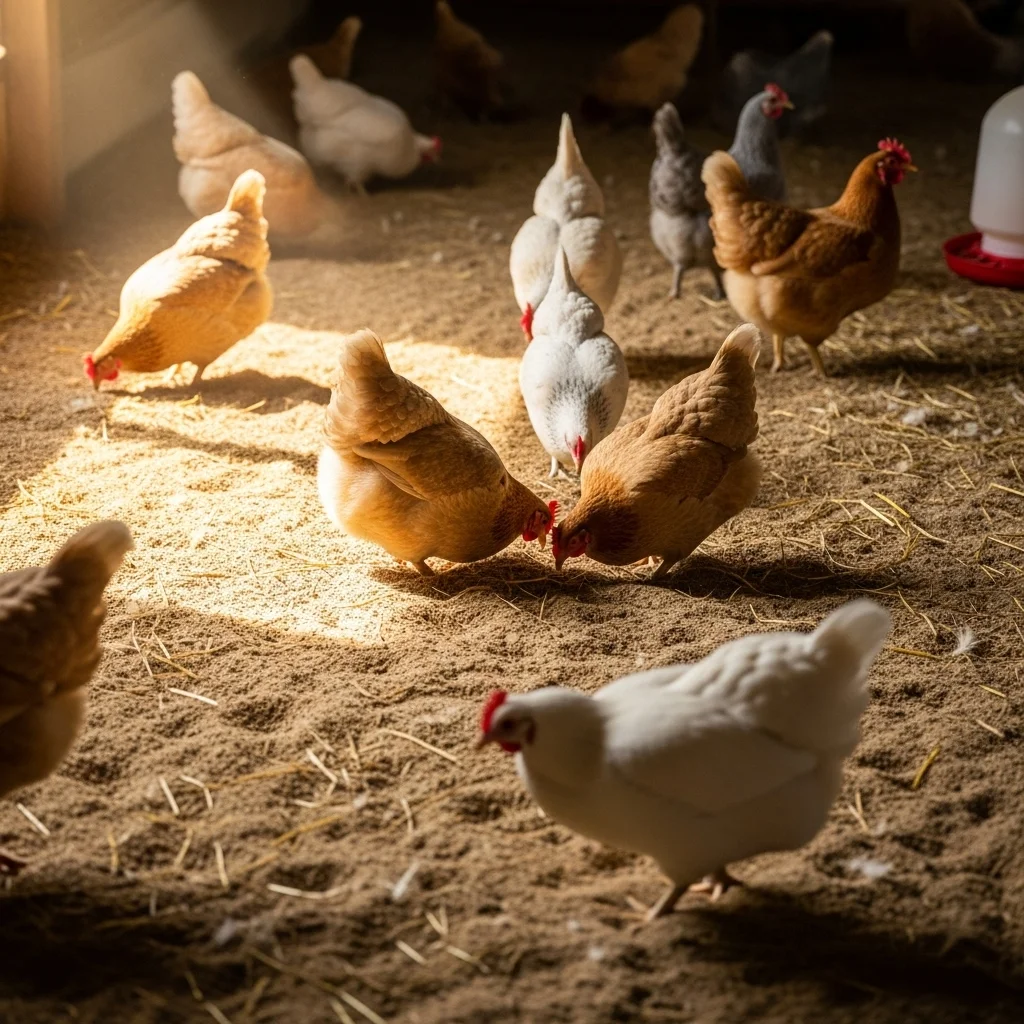
Washed construction sand offers excellent drainage and is easy to clean using a scoop, much like a cat litter box.
It keeps coops dry and minimizes odor, especially in warmer climates. Sand also helps chickens dust bathe naturally, promoting hygiene.
6. Wood Pellets

Wood pellets are compact, absorbent, and easy to clean. Once expanded with water, they turn into soft, fluffy bedding that effectively controls odor and moisture.
Pellets reduce dust compared to shavings, making them ideal for chicken coops with sensitive flocks. They also compost well, providing a sustainable disposal option.
7. Sand and Straw Mix
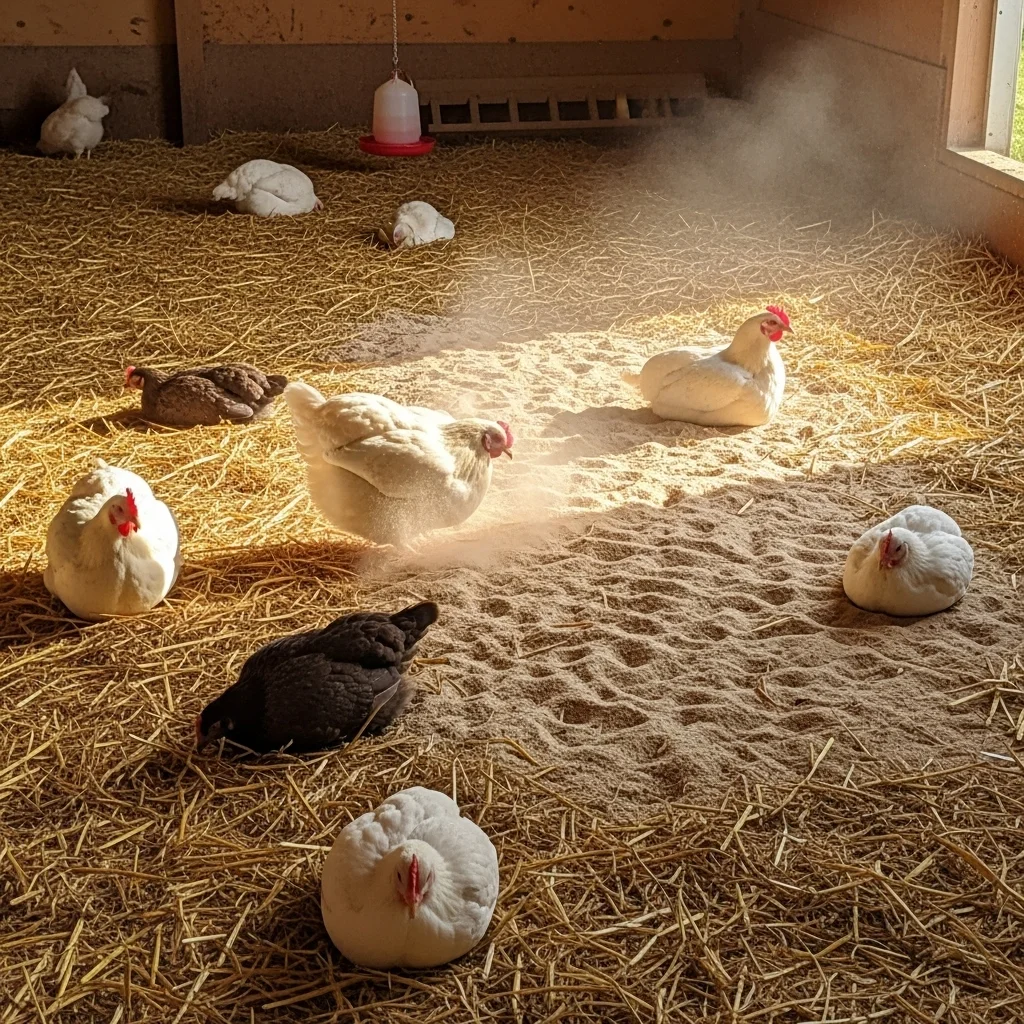
Combining sand and straw offers both drainage and insulation. Sand keeps the coop dry, while straw adds warmth and softness.
This hybrid bedding works well in varied climates, allowing hens to stay comfortable while minimizing cleaning frequency. It balances absorbency with coziness.
8. Shredded Paper

Shredded newspaper or plain paper is an inexpensive and eco-friendly bedding option. Layer it thickly to absorb moisture and control odor.
Although less insulating than straw, shredded paper is lightweight, compostable, and easy to replace, making it ideal for small coops or temporary bedding.
Read also. 20 Inside Chicken Coop Designs
9. Hay Bedding

Hay provides warmth and a natural feel underfoot. Choose dry, clean hay to avoid mold or dust that can irritate chickens’ respiratory systems.
Hay works best in combination with shavings or sand to enhance absorbency. It’s a cost-effective option for keeping hens cozy during cold months.
10. Coconut Coir

Coconut coir, made from shredded coconut husks, is highly absorbent and environmentally friendly. It holds moisture without becoming soggy and naturally controls odor.
Coir is soft for chickens and can be composted after use, offering a sustainable alternative to traditional bedding materials.
11. Rubber Mats
Rubber mats provide a durable, reusable bedding option. They’re easy to clean by hosing down and allow good drainage, keeping the coop dry.
Add a thin layer of shavings or straw on top for comfort. Rubber mats reduce waste and are ideal for coops where hygiene and low maintenance are priorities.
12. Sawdust

Sawdust is finely textured and highly absorbent, making it a traditional choice for chicken coops. It controls moisture and reduces odor effectively.
Ensure the sawdust is dust-free and sourced from untreated wood to avoid respiratory issues. It works well alone or layered with straw for added comfort.
13. Corn Cob Bedding
Ground corn cobs are lightweight and absorbent. They provide a natural, biodegradable option for coop bedding.
Corn cob bedding reduces odor and is easy to scoop out during cleaning. Its soft texture is gentle on hens’ feet, enhancing comfort in the coop.
14. Peat Moss

Peat moss offers excellent moisture absorption and odor control. It’s a natural material that stays soft underfoot and composts easily.
Layering peat moss with straw or shavings improves insulation and comfort. It’s especially useful in colder climates where warmth is a priority.
15. Mixed Bedding Layers
Combine two or more materials, like pine shavings and sand or straw and coir, for optimal comfort, absorbency, and hygiene.
Layered bedding allows for customizable solutions based on climate, flock size, and maintenance preferences. It balances warmth, odor control, and ease of cleaning for the healthiest coop environment.
Final Thoughts
Choosing the right chicken coop bedding is crucial for maintaining a healthy, clean, and comfortable environment for your flock. Each material offers unique benefits, from odor control and moisture absorption to warmth and comfort.
Experimenting with different bedding types or combining materials can optimize hygiene, reduce maintenance, and enhance your chickens’ well-being. A well-bedded coop promotes healthier hens, higher egg production, and a more enjoyable chicken-keeping experience.
With these 15 chicken coop bedding ideas, you can select the perfect solution that fits your climate, flock size, and maintenance routine while ensuring comfort, cleanliness, and sustainability.
FAQs
1. What is the best chicken coop bedding for odor control?
Pine shavings, hemp, or wood pellets are highly effective at controlling moisture and odor. Secondary keyword: chicken coop bedding.
2. How often should I replace coop bedding?
Bedding should be spot-cleaned daily and completely replaced every 1–2 weeks depending on flock size.
3. Can I use sand as coop bedding?
Yes, sand provides excellent drainage and is easy to clean. Tertiary keyword: sand bedding for chickens.
4. Is straw better than wood shavings?
Straw provides warmth but less absorbency; wood shavings are more absorbent and better at odor control.
5. Can I mix bedding types?
Yes, mixing materials like sand with straw or pine shavings creates a balance of comfort, absorbency, and hygiene.