How Many Lamps in a Living Room? Lighting Tips for a Bright & Cozy Space
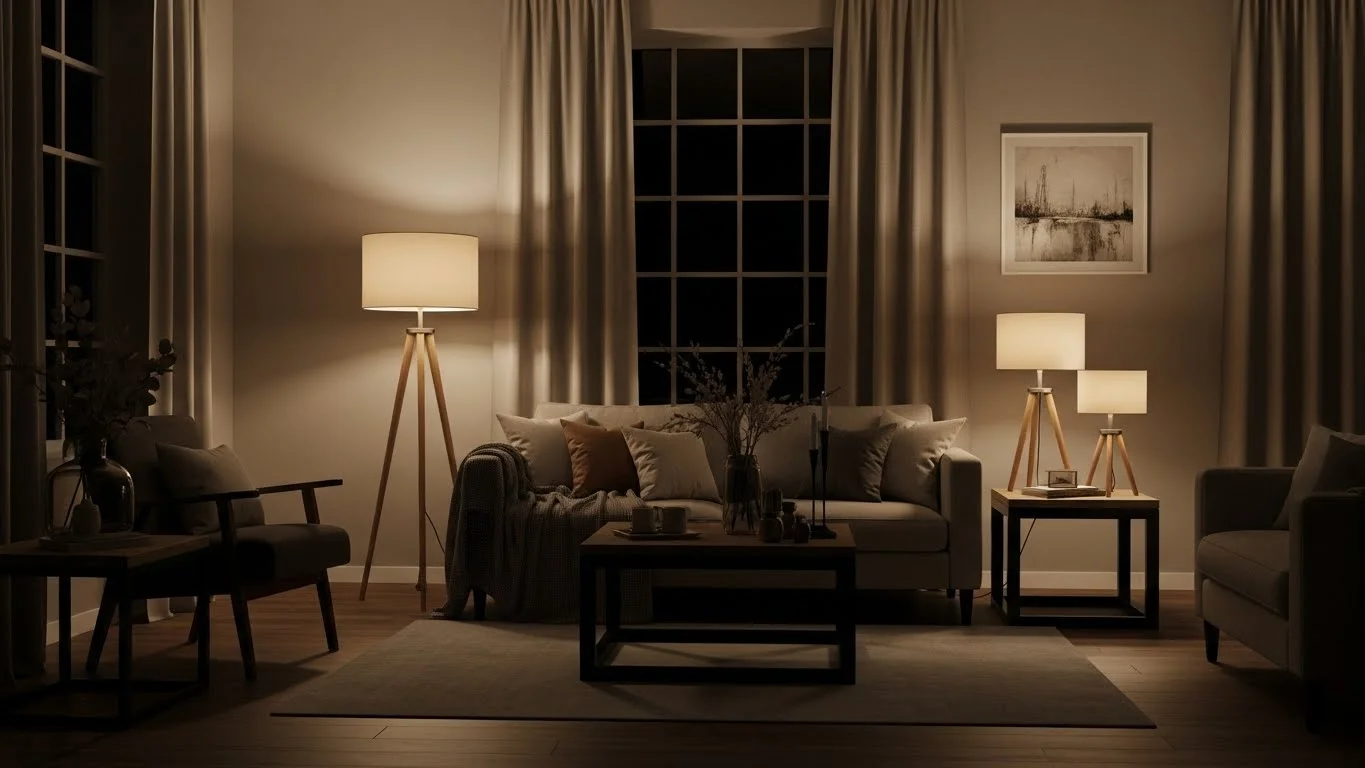
Lighting can completely transform your living room — turning it from flat and dull to warm, balanced, and inviting. But when it comes to the question how many lamps in a living room, there isn’t a one-size-fits-all answer. The ideal number depends on room size, natural light, and how you use the space. A perfectly lit living room combines different light sources to create ambiance, functionality, and comfort.
The secret lies in layered lighting design — using a mix of ambient, task, and accent lighting to create depth and flexibility. Lamps play a crucial role here, helping you control brightness, highlight features, and set a mood. A well-lit living room doesn’t just look better; it feels better.
In this guide, you’ll learn exactly how to choose the right number and type of lamps, how to position them for balance, and how to achieve that effortlessly cozy home aesthetic every modern living space deserves.
1. Start with the Rule of Three
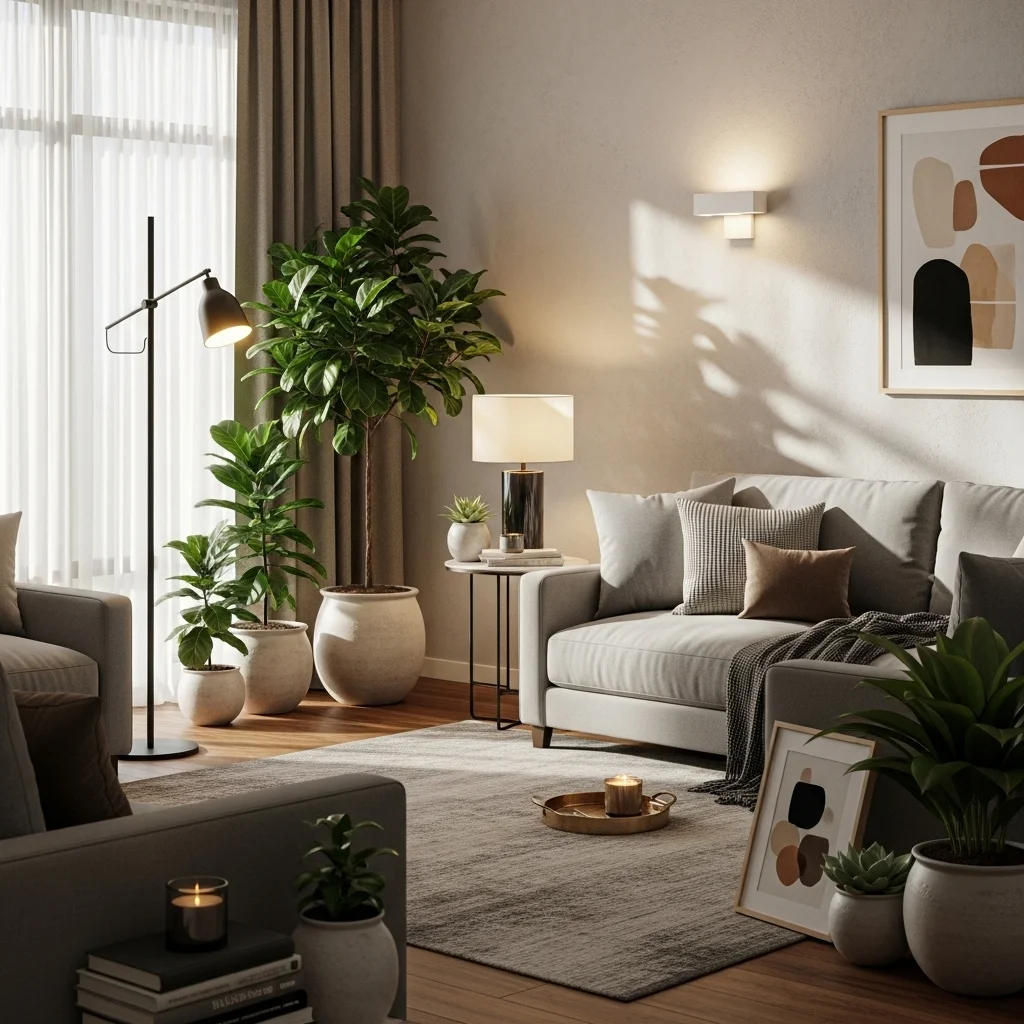
When considering how many lamps in a living room, the general rule is to start with three. One for overall illumination, one for reading or tasks, and one for accent or decorative lighting. This trio ensures your space feels layered and dynamic.
Three lamps provide enough light variety without cluttering the room. You can always add or reduce depending on your layout and natural light levels. This “rule of three” is a cornerstone of all living room lighting tips for creating warm, inviting spaces.
2. Adjust by Room Size

Room dimensions heavily influence lamp quantity. A small living room may need only two — one floor lamp and one table lamp. Larger spaces, especially open-plan living areas, can benefit from four to five strategically placed lamps to ensure balanced coverage.
Use brighter bulbs in bigger rooms to maintain consistent illumination. The key is proportion — your lighting should scale with your space, enhancing function and comfort simultaneously.
3. Use Different Types of Lamps

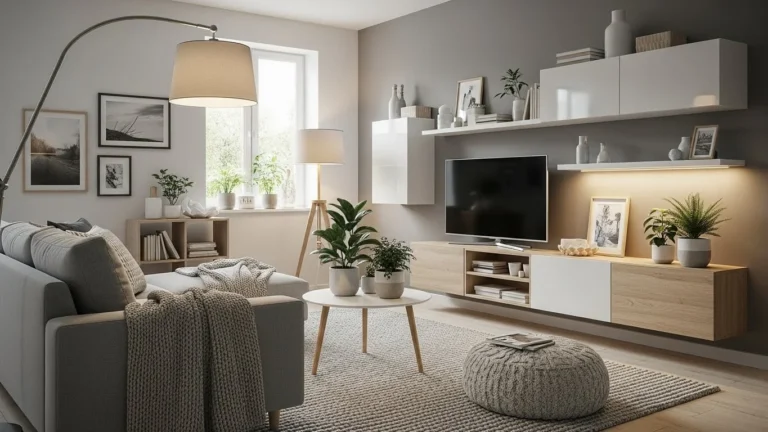
Mixing lamp types adds versatility and visual interest. Combine a tall floor lamp for height, table lamps for symmetry, and wall lamps or sconces for accent lighting. Each layer serves a distinct purpose and together they create harmony.
If you’re wondering how many lamps in a living room setting feels natural, think of mixing lamp heights and styles rather than just counting units. Balance both illumination and aesthetic value.
4. Consider Your Natural Light
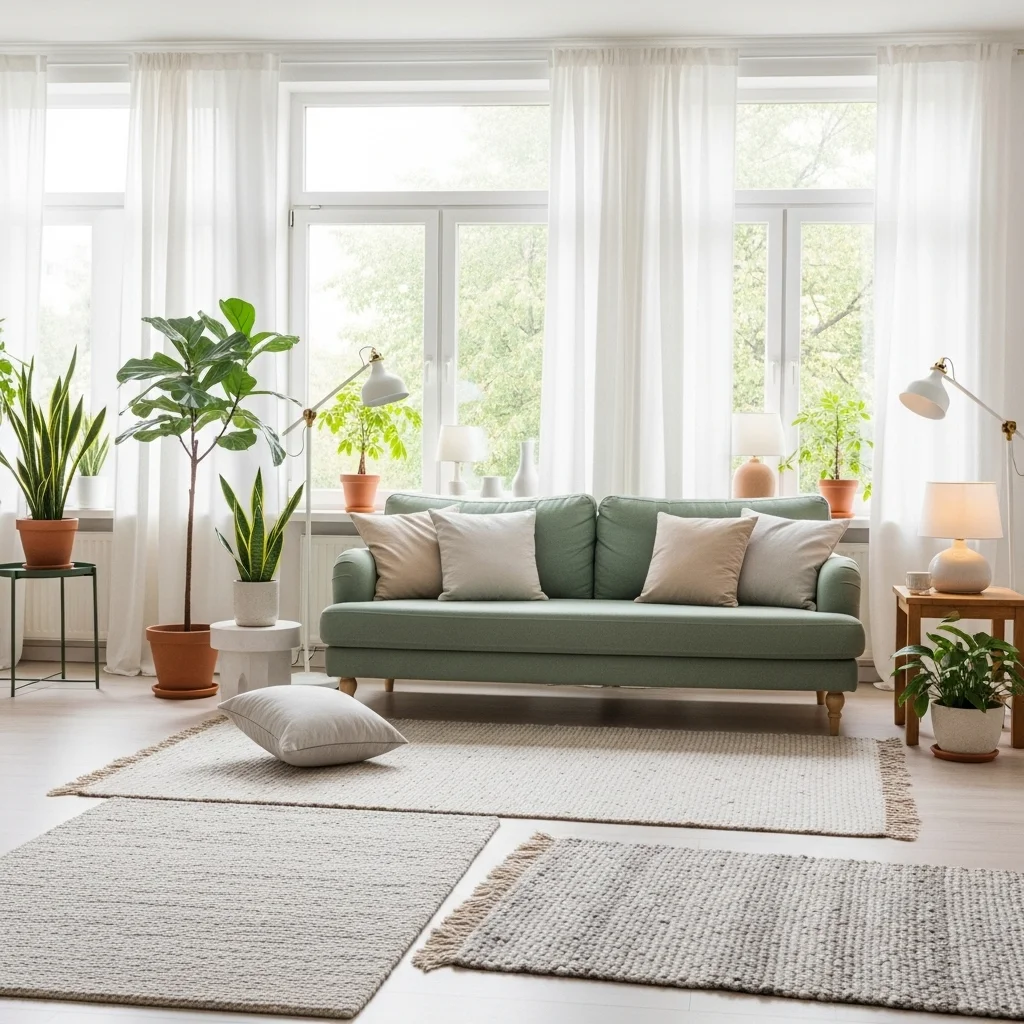
Natural light drastically impacts artificial lighting needs. If your living room receives abundant sunlight, you might need fewer lamps — perhaps just two for evening ambiance. For dim or north-facing rooms, four or more light sources might be necessary.
Observe your room at different times of day. Lamps should complement, not compete with, daylight. Integrating this awareness with living room lighting tips ensures efficiency and comfort.
5. Distribute Light Evenly
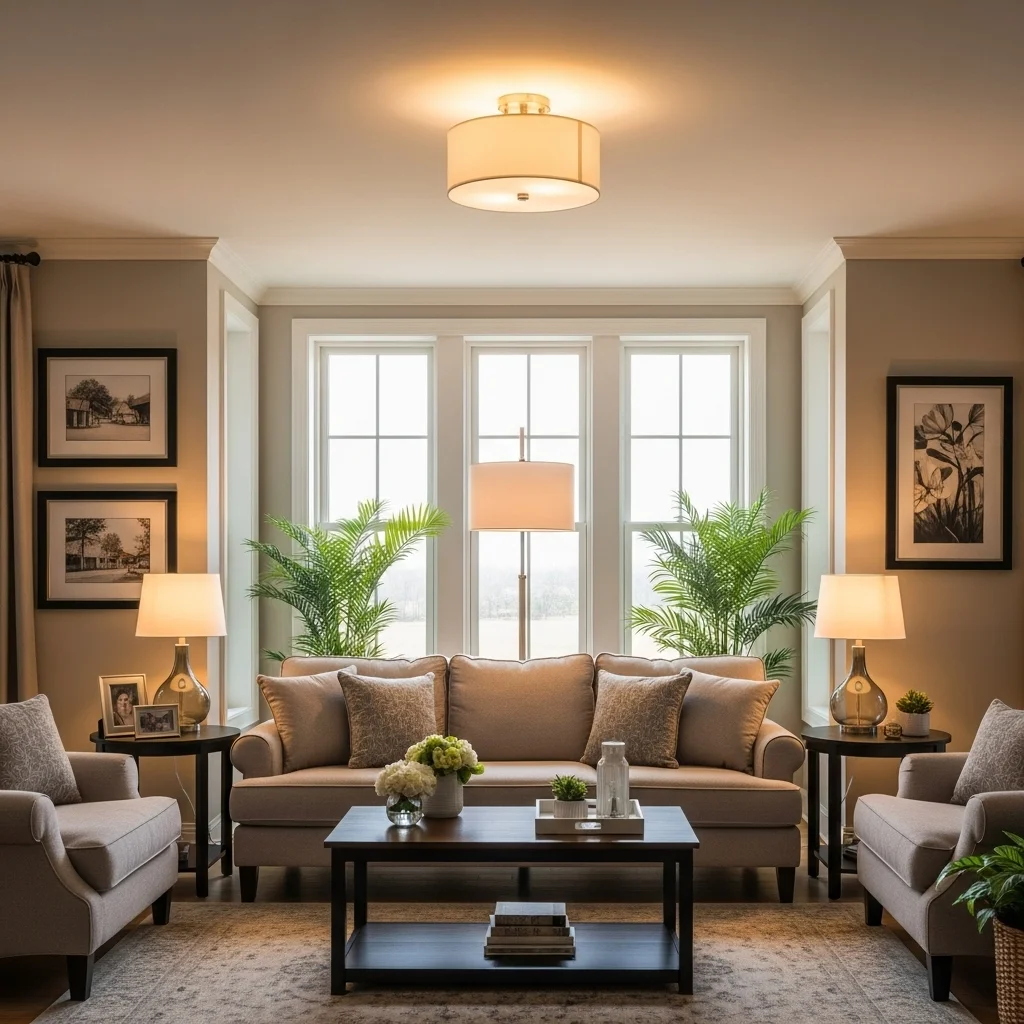
Avoid clustering all your lamps in one area. Spread them throughout the space — one near the sofa, another by the reading chair, one near the TV wall, and one in a darker corner. Even distribution reduces shadows and enhances comfort.
This approach works especially well in open layouts where multiple zones coexist. Balanced illumination makes your room feel cohesive and naturally inviting.
6. Focus on Functionality
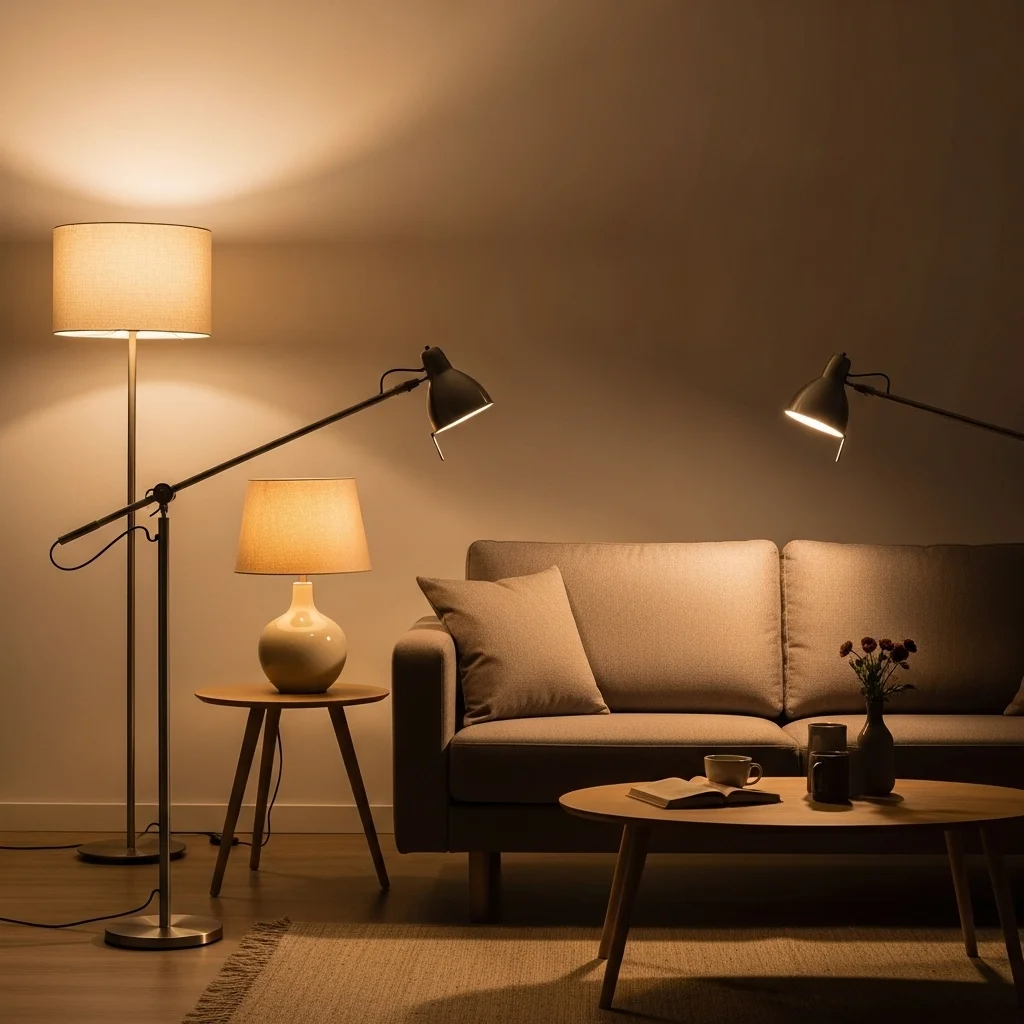
Every lamp should have a purpose. Use a task lamp for reading, a floor lamp for general brightness, and a smaller accent lamp for atmosphere. Over-lighting can feel harsh; under-lighting feels gloomy. The right combination ensures comfort at all times.
Functional balance is a key element in layered lighting design — a perfect blend of practicality and aesthetic harmony.
7. Match Lamp Styles to Your Decor
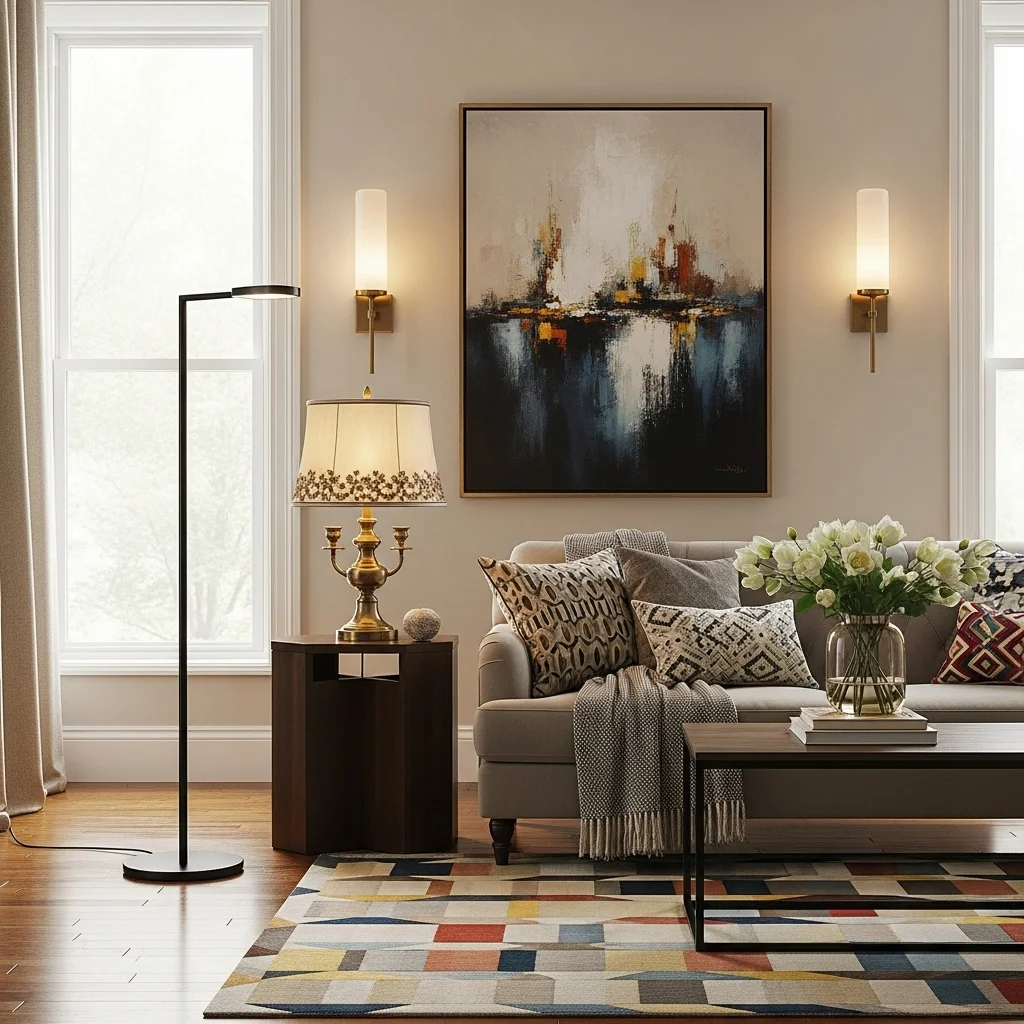
Lighting should complement your furniture and décor style. Sleek metallic lamps work well in modern interiors, while rustic wood or ceramic bases enhance a farmhouse feel. Matching finishes and shades ties the entire space together visually.
Consider using neutral lampshades that diffuse light softly, adding to the cozy home aesthetic without overpowering your décor palette.
8. Use Symmetry for Visual Balance
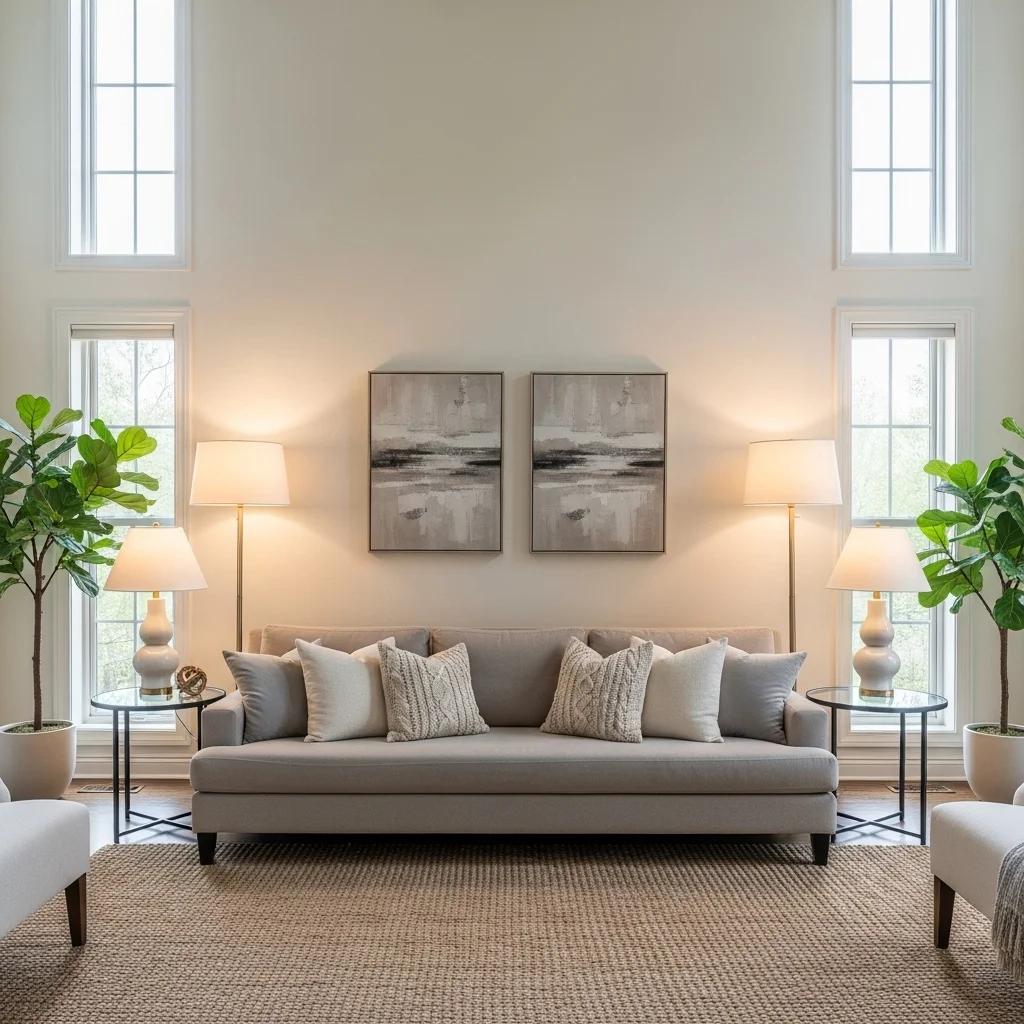
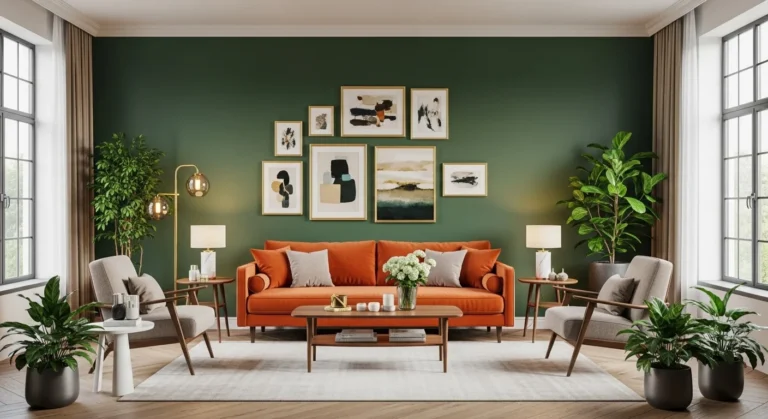
If your room feels visually uneven, place identical table lamps on each end of a sofa or console table. This creates symmetry and makes your space feel structured. It’s an easy trick that instantly upgrades your living room’s sophistication.
However, don’t overdo it — balance symmetry with variety. You can offset two matching lamps with one statement floor lamp elsewhere.
Read also. 25 Painted Fireplace Ideas
9. Add Dimmers for Flexibility
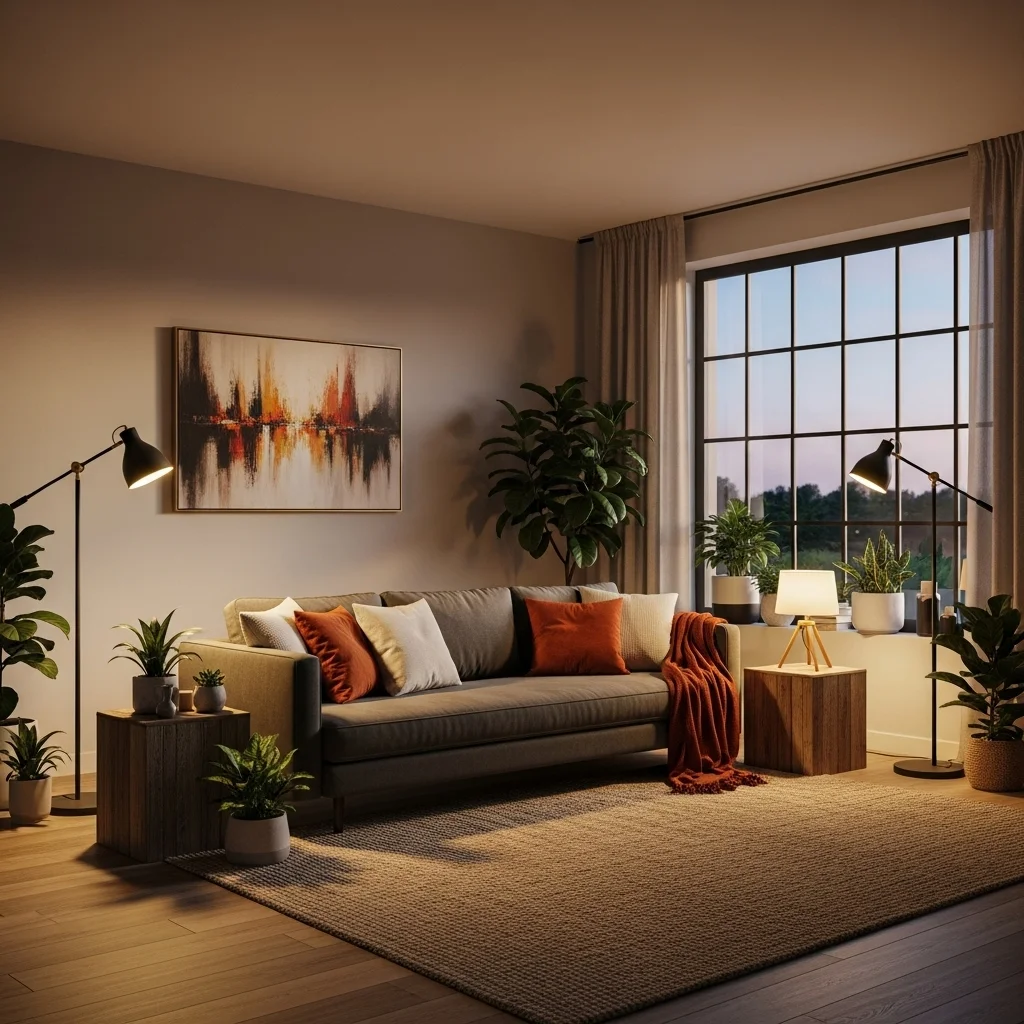
The number of lamps isn’t the only factor — brightness control matters just as much. Dimmers let you adjust mood lighting effortlessly. You can go from bright and lively to calm and romantic with one simple turn.
Use smart bulbs or plug-in dimmers if your lamps don’t already have built-in controls. Adjustability enhances the value of your living room lighting tips, making your space versatile for any occasion.
10. Highlight Key Features
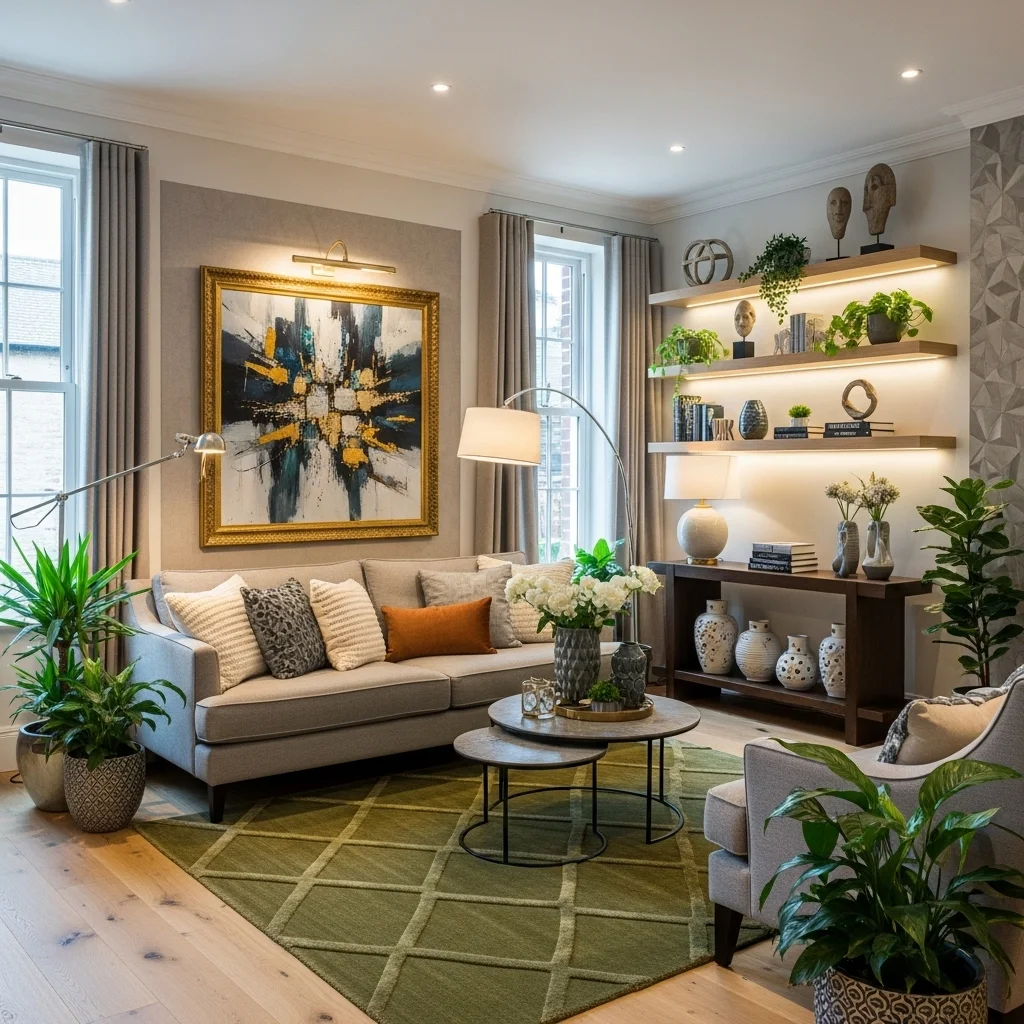
Lamps aren’t only about illumination — they’re also design tools. Use accent lighting to highlight artwork, plants, or architectural features. A small lamp on a bookshelf or a console draws attention subtly while adding atmosphere.
Strategic placement is key in lamp placement ideas — guiding the eye through your room’s focal points for visual depth and beauty.
11. Maintain Layered Lighting Levels
Every well-designed living room needs a blend of ambient, task, and accent lighting. Overhead lights handle the ambient layer, lamps contribute to task and accent layers. This mix creates balance and visual interest.
If your overhead lighting is too harsh, compensate with softer lamp lighting to achieve harmony. The art of combining ambient and task lighting brings warmth and depth to your living space.
12. Avoid Overcrowding
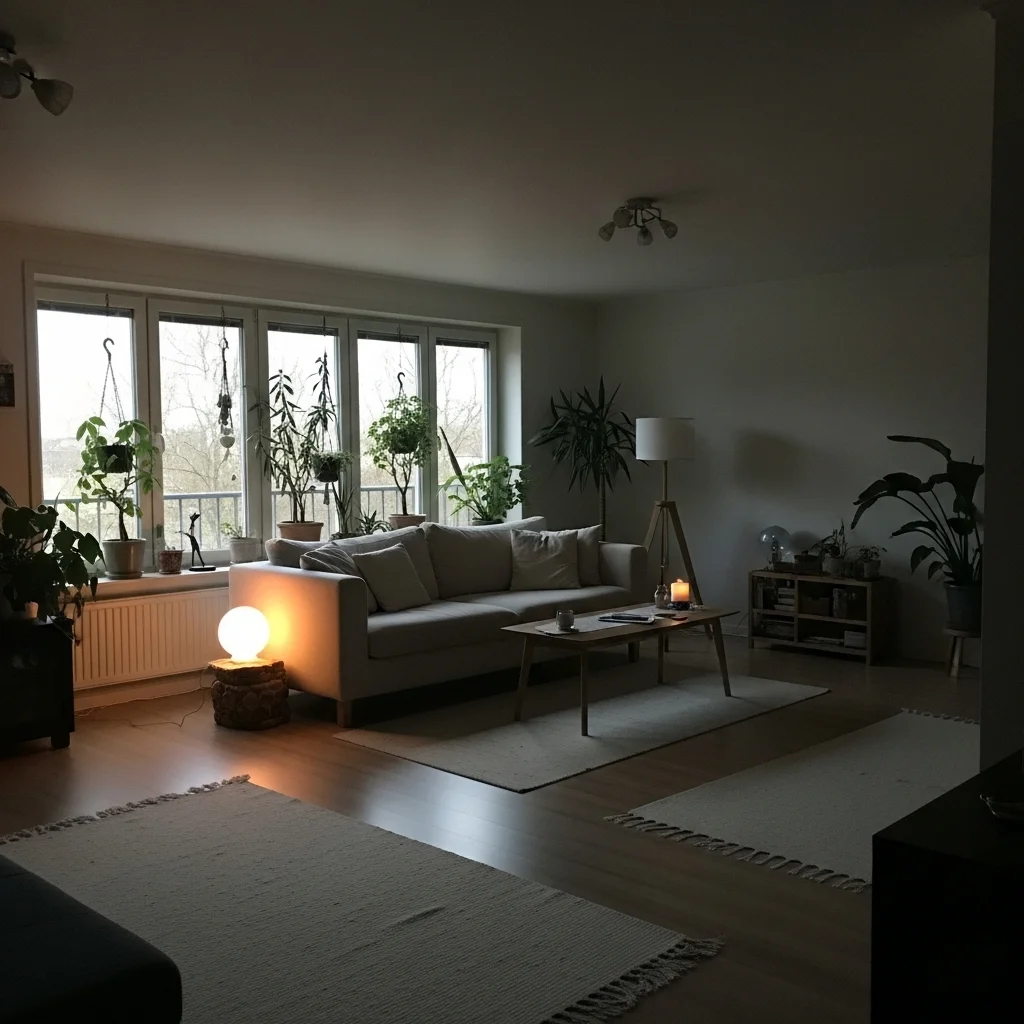
More lamps don’t always mean better lighting. Too many can make your living room feel cluttered or overly bright. Stick to a purposeful layout that feels open and balanced.
When in doubt, start with fewer lamps and adjust gradually. Remember, good lighting is about creating atmosphere — not just filling space.
13. Think About Traffic Flow
Lighting should enhance, not hinder, how you move around your space. Avoid placing lamps where cords cross walking paths or where they block furniture. Safety and flow should always guide your setup.
This thoughtful arrangement helps your room function smoothly while maintaining style — a small but important detail in every living room lighting tip guide.
14. Incorporate Warm Bulbs for Comfort
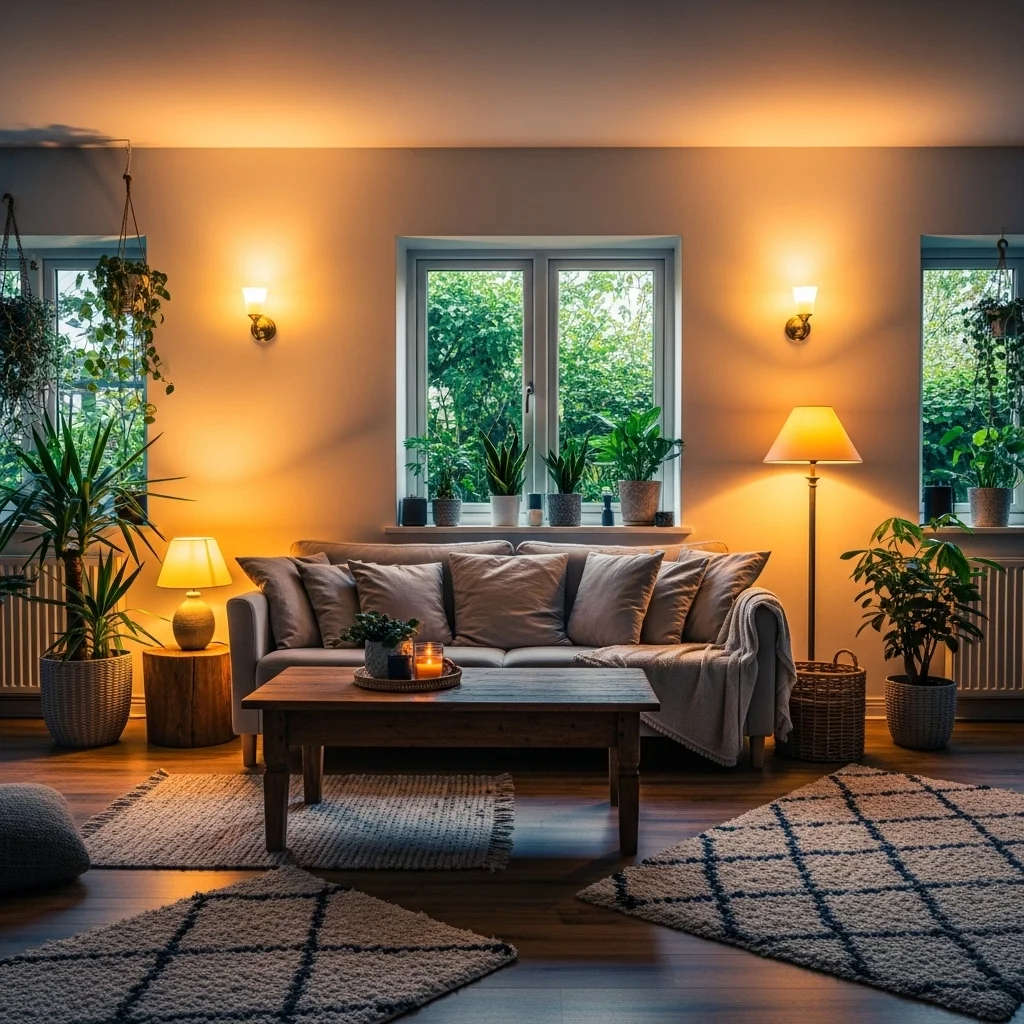
Use bulbs with a color temperature between 2700K and 3000K for a soft, cozy glow. Cool white lights can feel too sterile for living spaces. Warm lighting complements beige, taupe, and earthy palettes beautifully.
This warmth enhances your overall cozy home aesthetic, making your living room feel welcoming from day to night.
15. Evaluate and Adjust Regularly
Lighting needs can change as your layout or habits evolve. Rearrange furniture? Add or remove a lamp. New art piece or reading nook? Adjust accordingly. The perfect number of lamps is flexible — based on how you live.
Reevaluating every season keeps your lighting efficient and fresh. When refining how many lamps in a living room truly works for you, consistency and adaptability make all the difference.
Final Thoughts
The ideal number of lamps in a living room isn’t fixed — it’s about finding harmony between functionality, atmosphere, and style. Whether you prefer two statement lamps or a balanced mix of four, the goal is to create a layered, inviting glow that reflects your lifestyle.
By combining different lamp types, paying attention to placement, and embracing flexibility, you’ll master layered lighting design that feels natural, comfortable, and endlessly cozy. Let your lighting reflect who you are — warm, thoughtful, and beautifully balanced.