20 Community Garden Ideas for Vibrant, Sustainable, and Socially Connected Outdoor Spaces
Community gardens are more than shared patches of soil — they are living, breathing spaces where neighbors grow food, build friendships, and cultivate a sense of belonging. These community garden ideas are designed to help you transform any outdoor area — vacant lots, schoolyards, apartment grounds, or small neighborhood corners — into inviting, productive environments that uplift everyone involved. A well-designed community garden nurtures both plants and people, offering a place for creativity, collaboration, and connection.
What makes a community garden meaningful is its ability to bring people together through intentional design and shared purpose. When you combine thoughtful layouts, accessible pathways, sustainable practices, and inviting gathering spaces, the garden becomes more than a place to grow vegetables — it becomes a sanctuary of cooperation and harmony. With the right elements, the garden fosters learning, wellness, and collective pride, transforming your neighborhood into a more resilient and joyful place to live.
In this guide to 20 community garden ideas, you’ll discover layouts, features, and creative approaches that strengthen unity while supporting healthy, flourishing plants. These ideas invite neighbors of all ages to participate, contribute, and enjoy the beauty and purpose of a shared green space.
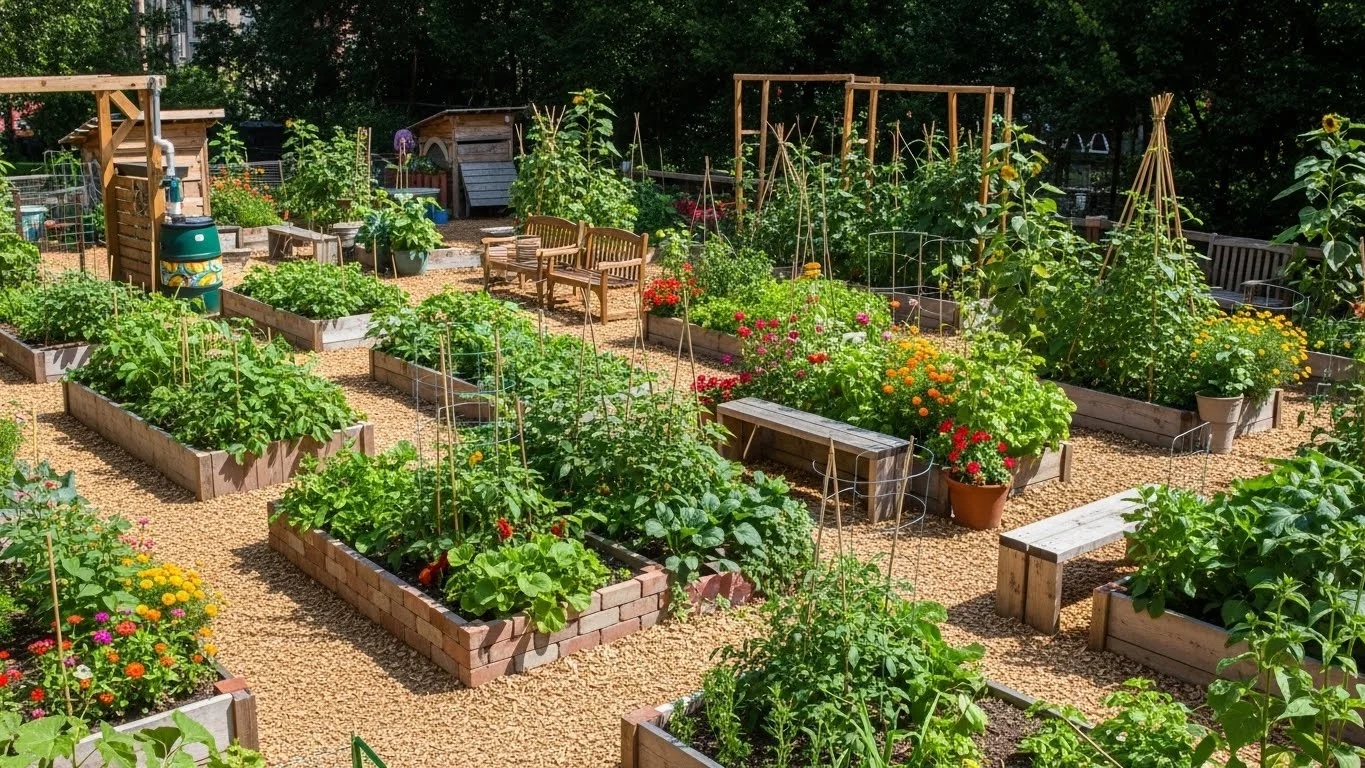
1. Create Individual Raised Beds for Each Member
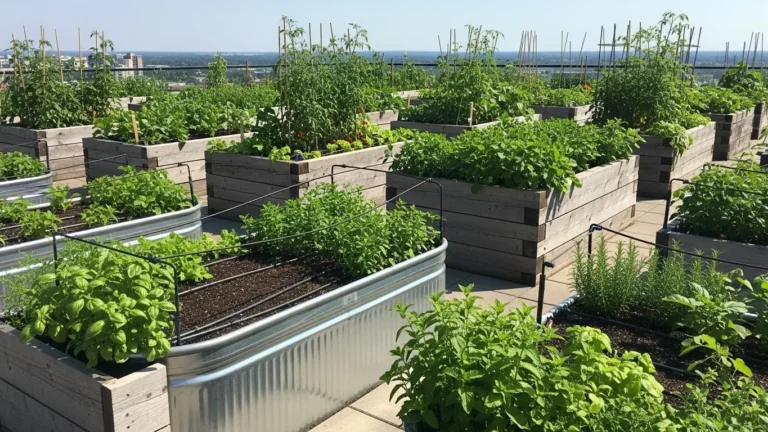
Raised beds give each gardener their own defined space, letting them grow crops according to their preferences while staying connected to the larger community layout. They make gardening easier, improve soil quality, and allow members to take personal ownership of their plots. Wooden, metal, or stone beds can be arranged in grids or curves, depending on your garden’s size.
This idea highlights the thoughtful structure behind community garden ideas, allowing individuality and unity to coexist. Raised beds help gardeners stay motivated, encourage creativity, and make it easier to manage crops while still fostering collaboration in shared areas.
2. Build a Communal Herb Garden
A shared herb section filled with rosemary, basil, mint, thyme, and chives creates a fragrant, useful corner that everyone can enjoy. Herbs grow quickly, require minimal space, and offer continuous harvests throughout the season. Even beginners feel empowered when tending to herbs, making this a welcoming entry point for new members.
This idea celebrates the collaborative spirit of shared garden projects, offering a sensory experience that enhances cooking, health, and community bonding. A communal herb area becomes a natural gathering spot where neighbors share recipes, tips, and aromatic harvests.
3. Add Accessible Garden Beds for All Abilities
Accessible raised beds at wheelchair height or with wide pathways ensure that everyone can participate fully. These beds allow seniors, individuals with mobility challenges, and children to engage in gardening comfortably and safely. Accessibility encourages inclusivity and broadens participation.
This approach reflects the inclusive nature of neighborhood gardening inspiration, emphasizing that community gardens should be welcoming to all. Creating spaces that honor different abilities strengthens unity, compassion, and shared purpose.
4. Include a Shared Tool Shed
A central tool shed stocked with community tools — shovels, rakes, gloves, watering cans, wheelbarrows — keeps the garden organized and reduces the need for everyone to bring their own equipment. Labeling, sign-out sheets, and proper storage systems encourage respect and cooperation.
This idea supports the organizational harmony within community garden ideas, making gardening smoother and more efficient for all. A shared tool shed reflects responsibility, shared ownership, and thoughtful stewardship of the space.
5. Add a Composting Station for Sustainable Growth
A compost area allows gardeners to recycle kitchen scraps, plant trimmings, and leaves into nutrient-rich organic matter. Composting reduces waste, enriches soil, and teaches members about ecological responsibility. A multi-bin system helps separate new compost from finished, ready-to-use material.
This idea enhances the sustainability essence behind eco-friendly gardening tips, contributing to a cycle of mindful growth. Composting becomes a shared practice that strengthens environmental awareness and reinforces the garden’s long-term health.
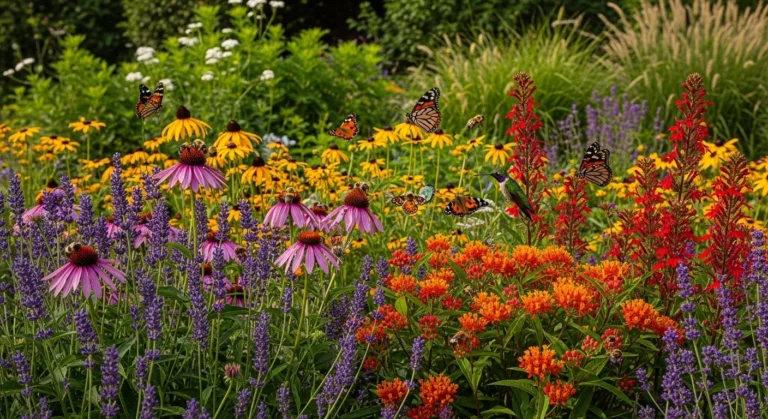
6. Create a Pollinator Garden With Native Plants
Planting flowers that attract bees, butterflies, and beneficial insects increases pollination rates and boosts overall harvests. Native flowers such as coneflowers, lavender, milkweed, and sunflowers bring beauty and ecological balance, supporting local wildlife while enhancing crop productivity.
This idea celebrates the environmental connection within community garden ideas, creating a garden that supports nature as much as it supports people. Pollinator beds also bring color, movement, and seasonal variation that uplift the entire space.
7. Install a Rainwater Harvesting System
Rain barrels or cisterns help collect and store rainwater for garden use, reducing dependency on municipal water. This eco-friendly solution saves money and teaches members about sustainable water management. Placing barrels near sheds or gutters improves efficiency.
This concept strengthens the resourceful mindset behind sustainable outdoor collaboration, giving the community greater self-sufficiency. Rainwater harvesting becomes a shared commitment to environmental care and mindful gardening practices.
8. Design a Relaxing Seating Area
A garden isn’t just for growing food — it’s also a place to rest, reflect, and build community. Adding benches, picnic tables, or shaded areas encourages members to gather, enjoy conversations, or simply admire the plants. Seating makes the garden feel like a social sanctuary.
This idea supports the human-centered essence of neighborhood gardening inspiration, reminding us that gardens nourish the mind and spirit as much as the soil. A comfortable seating area strengthens connection and makes the space feel welcoming and communal.
9. Add Art, Murals, or Painted Garden Signs
Creative elements like murals, colorful signs, painted stones, and handmade decorations bring personality and joy to the garden. Art makes the space feel vibrant and unique, encouraging community pride and adding visual excitement that complements the natural greenery.
This idea highlights the expressive heart of community garden ideas, showing how art fosters identity, creativity, and emotional warmth. Each artistic contribution becomes a symbol of shared effort and neighborhood unity.
10. Build a Children’s Gardening Corner
A section designed specifically for kids — with smaller raised beds, playful plant markers, and easy-to-grow crops like strawberries or cherry tomatoes — helps children learn responsibility and enjoy hands-on learning. This special corner encourages families to participate and teaches younger generations about nature.
This idea embraces the nurturing philosophy behind shared garden projects, cultivating curiosity and joy among children. A dedicated space for kids ensures the garden becomes a multigenerational environment where learning and creativity flourish.
11. Create a Seed-Sharing Library
A seed library encourages gardeners to contribute, borrow, and exchange seeds freely throughout the season. Storing them in small envelopes with labels, planting dates, and instructions helps members learn and experiment with new crops. This shared resource promotes diversity in the garden while reducing costs for everyone.
This idea reflects the generous spirit behind community garden ideas, nurturing a culture of sharing and curiosity. A seed library becomes a symbol of trust and cooperation, strengthening relationships while fostering a deeper appreciation for biodiversity and continuous learning.
12. Establish a Native Edible Plant Zone
Introduce edible native plants such as wild berries, native herbs, or perennial greens that thrive naturally in your climate. These plants require less maintenance, promote ecological balance, and connect the community to local food traditions. Native edible zones also provide sustainable, long-term harvests season after season.
This approach supports the grounded authenticity of neighborhood gardening inspiration, blending cultural heritage with ecological stewardship. The area becomes a living lesson in local ecosystems, offering food, beauty, and environmental harmony.
13. Add Vertical Gardening Structures
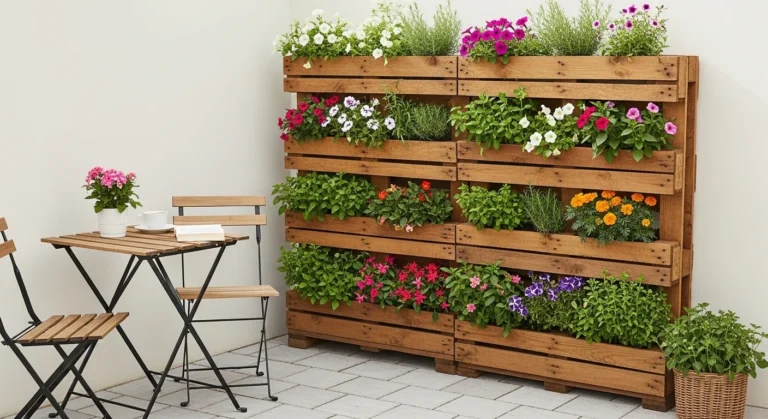
Trellises, arbors, wall planters, and vertical towers allow members to grow climbing crops like beans, peas, cucumbers, and flowering vines even in small spaces. Vertical gardens add height, texture, and visual interest, transforming the garden into a dynamic, multi-layered space that feels vibrant and efficient.
This idea aligns with the creative adaptability central to sustainable outdoor collaboration, maximizing productivity while adding sculptural elegance. Vertical gardening makes smart use of limited ground space, helping the community grow more with less.
14. Include a Community Bulletin Board
A central bulletin board helps gardeners stay updated on meetings, maintenance schedules, harvest days, and shared responsibilities. It can also display tips, plant care reminders, and seasonal guides. This communication hub keeps everyone informed, connected, and aligned with the garden’s rhythm.
This idea enhances the organizational heart of shared garden projects, promoting transparency and unity. A bulletin board encourages responsibility, teamwork, and shared awareness — the key ingredients to a thriving community space.
15. Add Water Features for Calm and Visual Beauty
A small fountain, birdbath, or pond introduces soothing sound and movement to the garden. Water attracts birds, pollinators, and beneficial insects while creating a peaceful ambiance. Even a simple solar fountain can bring tranquility to the space, making the garden feel more like a sanctuary.
This concept embodies the restful beauty in community garden ideas, reminding us that nature thrives in balance. Water features elevate the sensory experience, inviting mindfulness, relaxation, and deeper connection with the environment.
16. Build a Greenhouse or Hoop House
A greenhouse extends the gardening season by protecting seedlings and delicate plants from cold weather. Members can start seeds earlier, experiment with new crops, and enjoy harvests for a longer period. A shared greenhouse inspires collaboration and shared learning among gardeners.
This idea strengthens the supportive learning environment within neighborhood gardening inspiration, offering tools that elevate skill-building and year-round growth. The greenhouse becomes a hub for experimentation, nurturing both plants and community spirit.
17. Plant a Fruit Tree Row
Fruit trees such as apples, pears, figs, or peaches add long-term value to the garden. They provide shade, beauty, and seasonal harvests for everyone to share. Planting a row of fruit trees along borders or pathways also helps define the garden’s structure.
This idea reflects the long-term vision behind community garden ideas, symbolizing growth, patience, and sustainability. As the trees mature, they offer nourishment, habitat for wildlife, and a sense of permanence that enriches the entire space.
18. Start a Sharing Farm Stand
A small stand where gardeners can leave extra produce for neighbors encourages generosity and reduces food waste. Members can trade vegetables, herbs, flowers, or seedlings, creating a small-scale exchange system that benefits the entire community.
This idea embodies the communal heart of shared garden projects, showing how abundance grows when it is shared. The farm stand fosters connection and ensures that harvests are enjoyed widely, not just by individual gardeners.
19. Introduce Educational Workshops or Skill-Sharing Days
Invite gardeners or local experts to teach composting, pruning, seed starting, herbal medicine, or water conservation. Hosting workshops builds knowledge while strengthening bonds between members. Children and new gardeners especially benefit from hands-on learning.
This idea deepens the cultural richness within sustainable outdoor collaboration, creating a garden that supports growth of both plants and minds. Workshops turn the space into a living classroom filled with community-driven wisdom.
20. Create a Gathering Circle for Events and Celebrations
A dedicated gathering area with benches, logs, or simple seating allows the community to hold meetings, celebrations, potlucks, or harvest festivals. This central space becomes the heart of the garden, where stories, food, and joy are shared.
This idea captures the soulfulness behind community garden ideas, reminding us that gardens flourish most beautifully when people come together. The gathering circle becomes a symbol of unity, grounding the garden in connection, gratitude, and shared purpose.
Final Thoughts
A community garden is more than a place to grow vegetables — it is a living expression of collaboration, creativity, and collective care. These community garden ideas highlight the powerful impact that intentional design, shared responsibility, and environmental mindfulness can have on a neighborhood. When people work together in a garden, they create a space that nourishes both the land and the human spirit, transforming empty areas into vibrant havens of growth and connection.
What makes community gardens extraordinary is how they blend practicality with emotion. The beds, pathways, and structures offer function and beauty, while the shared experiences evoke belonging, partnership, and joy. With every seed planted, every conversation sparked, and every harvest shared, the garden becomes a testament to unity and resilience. These ideas help create spaces that not only feed people but also strengthen communities in deeply meaningful ways.
With thoughtful planning and inclusive features, a community garden becomes a haven for learning, wellness, and relationships. Whether your garden is large or small, each idea adds intention, creativity, and harmony — nurturing a landscape where people and plants can thrive side by side.
FAQs About Community Gardens
Q1: What is the ideal size for a community garden?
There’s no fixed size. Even small lots can support raised beds, herbs, and communal features when designed efficiently.
Q2: How do you maintain shared responsibility?
Use sign-up sheets, weekly rotations, and clear communication tools like bulletin boards to stay organized.
Q3: What should you avoid planting in community gardens?
Highly invasive plants or crops that spread aggressively (like mint without barriers) can take over shared spaces.
Q4: How can beginners get involved?
Start with easy crops like lettuce, herbs, or tomatoes and join workshops or mentorship programs in the garden.
Q5: Do community gardens require permits?
Some do — depending on your city’s regulations. Always check local requirements before starting construction.