
Does a Bedroom Need a Window? Bedroom Design & Ventilation Tips Explained
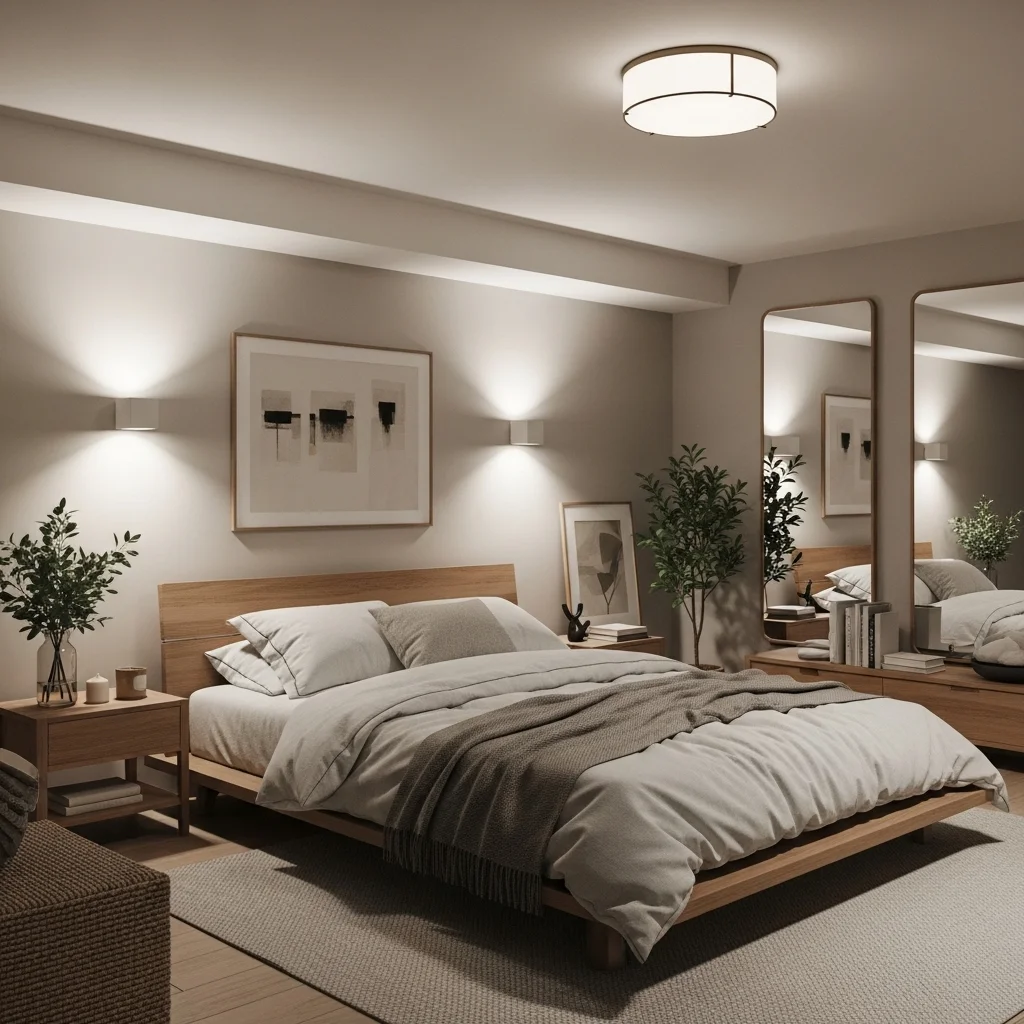
Whether you’re designing a new home, converting a basement, or renting a small apartment, the question often arises — does a bedroom need a window? It’s not just about aesthetics or comfort; it’s about health, safety, and design compliance. Windows affect air quality, mood, and even how well you sleep at night. In many countries, having a window isn’t just a preference — it’s a legal requirement for a room to qualify as a “bedroom.”
A bedroom’s design should support both physical comfort and mental well-being. Windows play a vital role in regulating temperature, allowing sunlight to enter, and providing ventilation. Without one, a room can feel enclosed, stuffy, and disconnected from the natural rhythm of day and night. Understanding the importance of windows can help you make smarter, healthier design decisions.
In this guide, we’ll explore the functional, legal, and wellness-based reasons why windows matter — along with alternatives for rooms without them. Whether you’re planning a renovation or simply curious about bedroom design requirements, you’ll find the answers here.
1. Why Bedrooms Usually Require Windows

Most building codes consider a window essential for a room to legally qualify as a bedroom. This is mainly for safety and ventilation. In the event of an emergency like a fire, a window provides a secondary escape route — a life-saving feature that’s part of building code bedroom rules in many regions.
Windows also ensure natural airflow, helping to remove carbon dioxide and moisture buildup that can occur overnight. This fresh air circulation supports better sleep, clearer thinking, and overall health. From both a legal and physiological standpoint, the answer to does a bedroom need a window is almost always yes.
2. The Role of Natural Light in Bedrooms
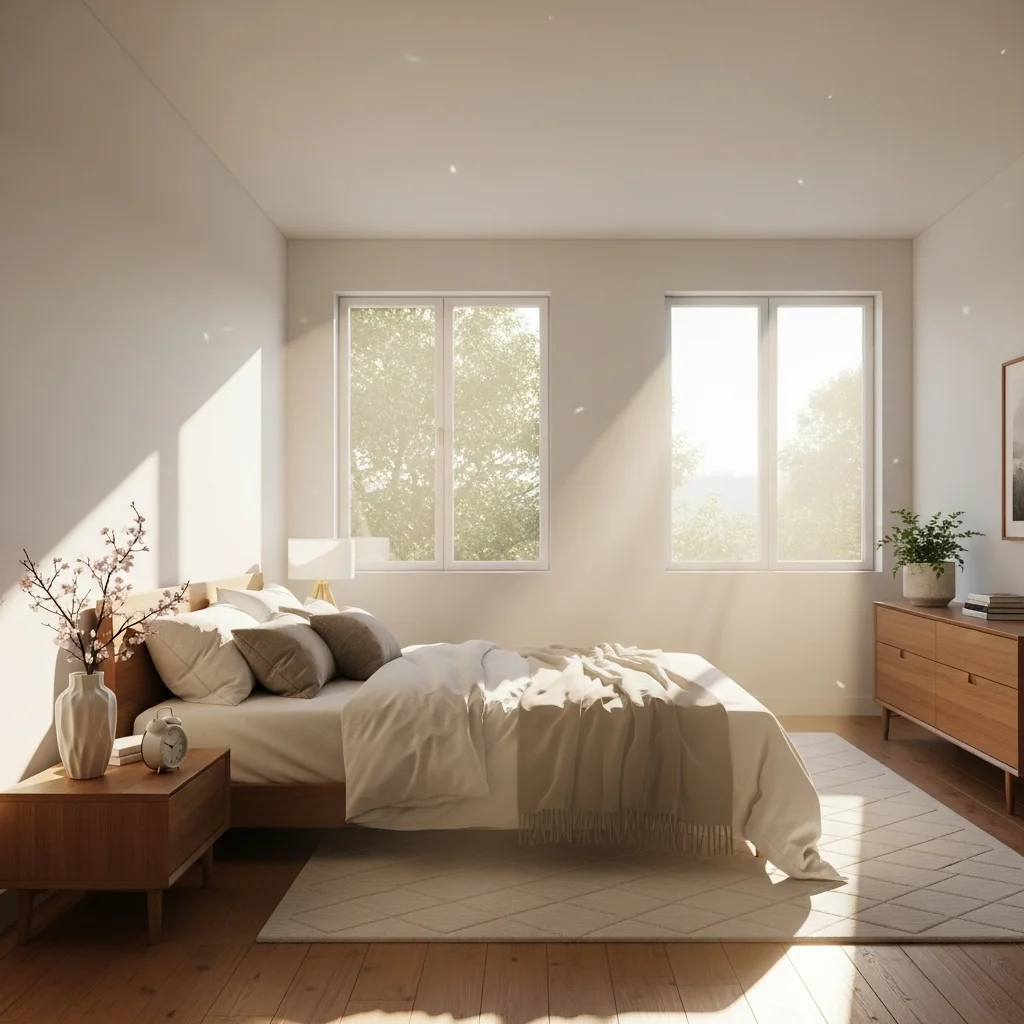
Natural light influences our circadian rhythm — the internal clock that regulates sleep and wake cycles. Exposure to sunlight in the morning signals your body to wake up, while darkness helps trigger melatonin for restful sleep. A window allows this natural rhythm to function properly.
Beyond sleep, natural light enhances mood and energy levels. Rooms without sunlight can feel gloomy and claustrophobic. When considering bedroom design requirements, prioritize a window that allows balanced daylight — not too harsh, but bright enough to uplift your mornings.
3. Air Circulation and Freshness

Fresh air is crucial for a healthy sleeping environment. Stagnant air can lead to headaches, poor sleep, and even mold buildup. Opening a window for just 15–30 minutes a day significantly improves indoor air quality.
Proper airflow also controls humidity levels, preventing dampness and musty odors. These bedroom ventilation tips are simple but powerful — clean, moving air keeps your space fresher and your mind clearer.
4. Legal and Safety Requirements
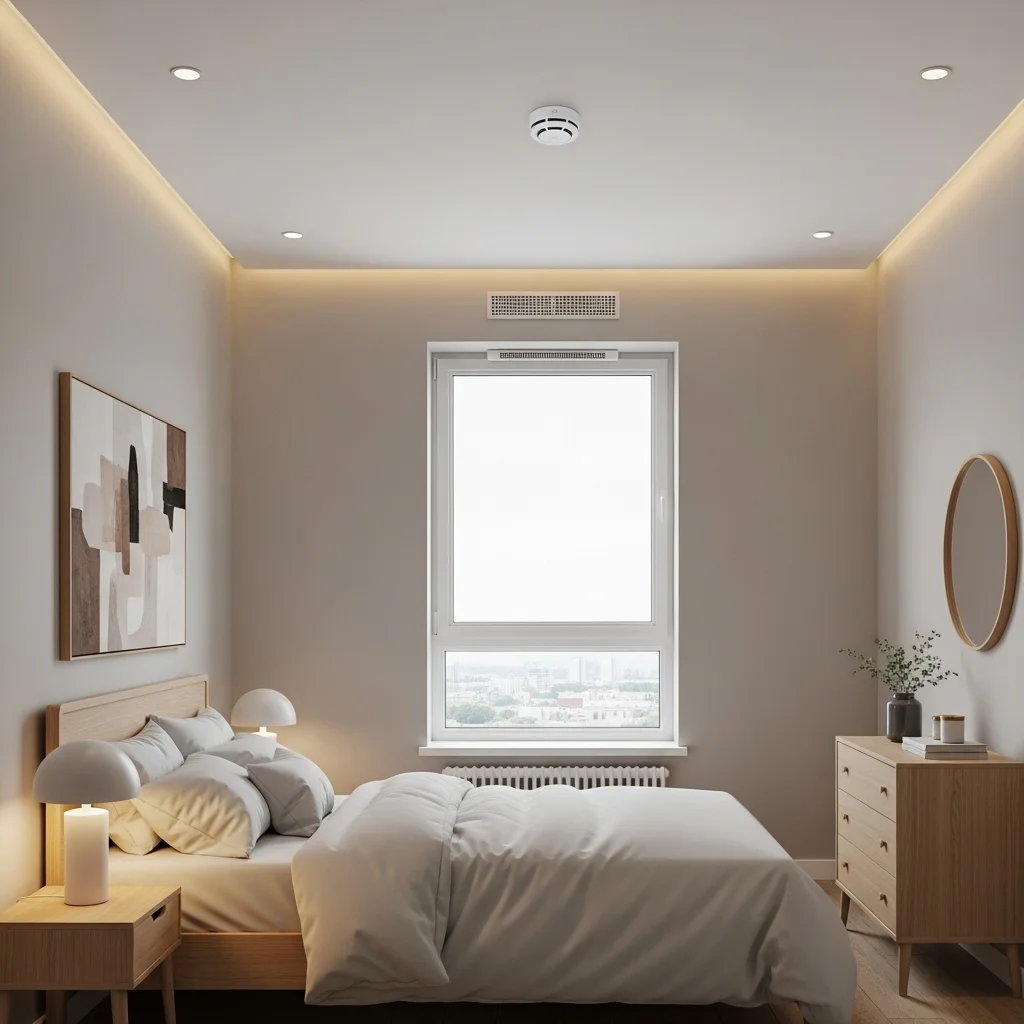
In many regions, bedrooms without windows don’t meet minimum housing standards. For example, U.S. building codes require at least one operable window for both egress (escape) and ventilation. The size of this window is also regulated — typically at least 24 inches high and 20 inches wide, with a total opening area of 5.7 square feet.
The reasoning is simple: access to light and air is non-negotiable for livable conditions. Always check your local building code bedroom rules before converting any windowless space into a sleeping area.
5. Can You Have a Bedroom Without a Window?

Technically, yes — but only if it’s for temporary use or doesn’t serve as someone’s primary sleeping space. A windowless room can function as a guest bedroom, media room, or office with some creative design adjustments. However, it may not legally count as a “bedroom” in real estate listings or appraisals.
If you must use a windowless space, focus on enhancing airflow and brightness. Incorporate bedroom ventilation tips such as exhaust fans, air purifiers, or ducted ventilation systems to simulate natural conditions.
Read also. How Much to Paint a Bedroom:
6. Design Tricks for Windowless Bedrooms
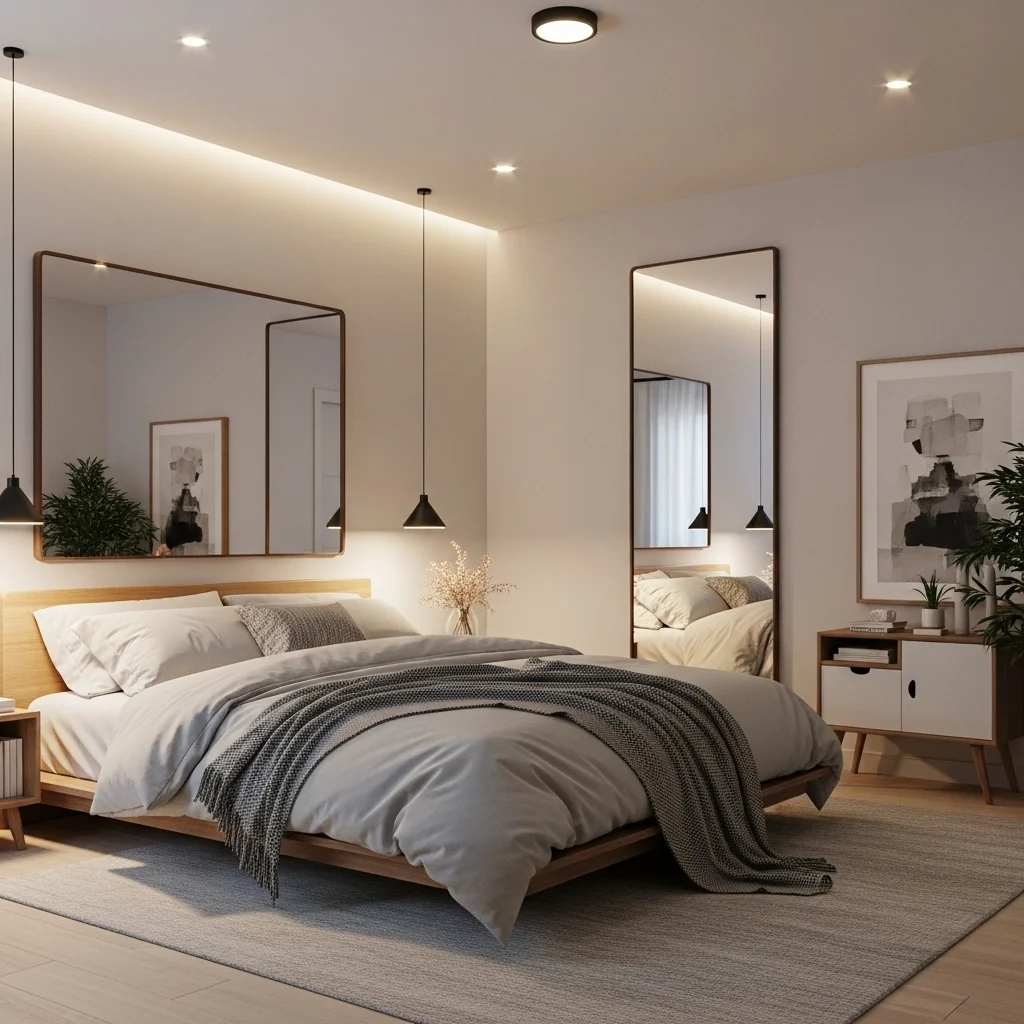
Even without windows, you can make your bedroom feel airy and open. Use light, reflective colors on walls and ceilings — whites, creams, or pale grays. Add mirrors to mimic light reflection and visually expand the space.
Artificial lighting also plays a major role. Layer different types — ambient, task, and accent lighting — to recreate natural sunlight variation. These bedroom design requirements ensure your windowless room still feels warm and inviting.
7. Improving Air Quality Without a Window

If your bedroom lacks windows, maintaining air freshness is essential. Use a high-quality air purifier and a dehumidifier to keep humidity balanced and remove airborne pollutants.
Houseplants like snake plants, peace lilies, and pothos can also help purify the air naturally. Pairing these with regular cleaning and proper ventilation systems fulfills basic health benefits of fresh air, even without direct outdoor access.
8. Creating the Illusion of Natural Light
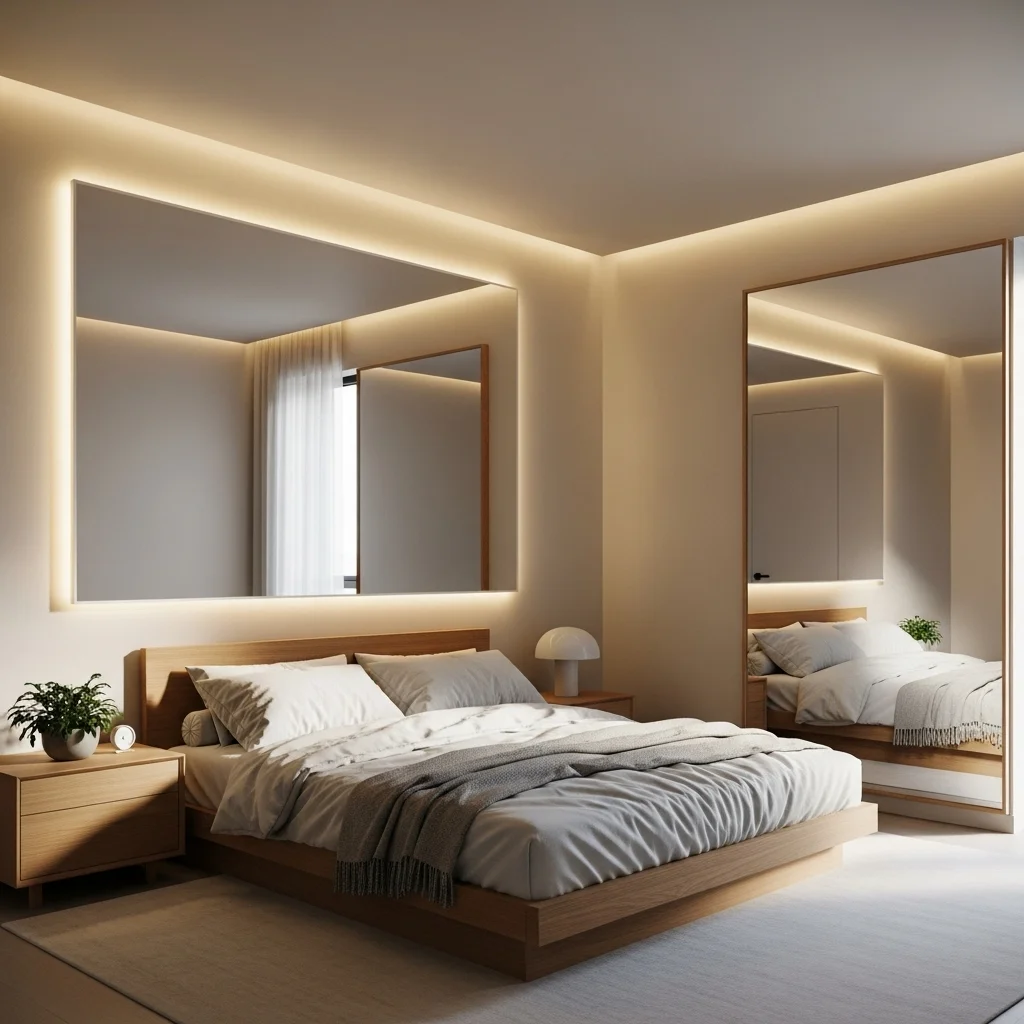
Strategic lighting can transform a windowless room. Install full-spectrum LED bulbs that mimic daylight. Wall sconces or backlit headboards create depth, while hidden cove lighting gives a soft, indirect glow.
Adding artwork featuring landscapes or large mirrors behind lamps enhances the feeling of openness. When answering does a bedroom need a window, remember — design creativity can substitute natural light visually, if not physically.
9. The Health Connection: Why Fresh Air Matters

Clean, oxygen-rich air supports better sleep and overall wellness. Poor ventilation can lead to fatigue, headaches, and allergy flare-ups. That’s why fresh air — whether from a window or an air purifier — is a must.
When fresh air circulates, it regulates humidity and removes toxins. This is one of the major health benefits of fresh air, proving that ventilation and window access are more than just design features — they’re lifestyle essentials.
10. The Emotional and Psychological Benefits

A window connects you to the outside world — sunlight, weather, and nature. This connection reduces stress and fosters calmness. Waking up to daylight or hearing rain through glass reminds you of time and rhythm — small sensory cues that anchor your well-being.
Rooms without windows often feel disconnected and can even trigger mild anxiety in some people. A well-placed window enhances comfort and happiness — subtle but vital aspects of natural light in bedrooms.
11. Choosing the Best Window Type for Your Bedroom
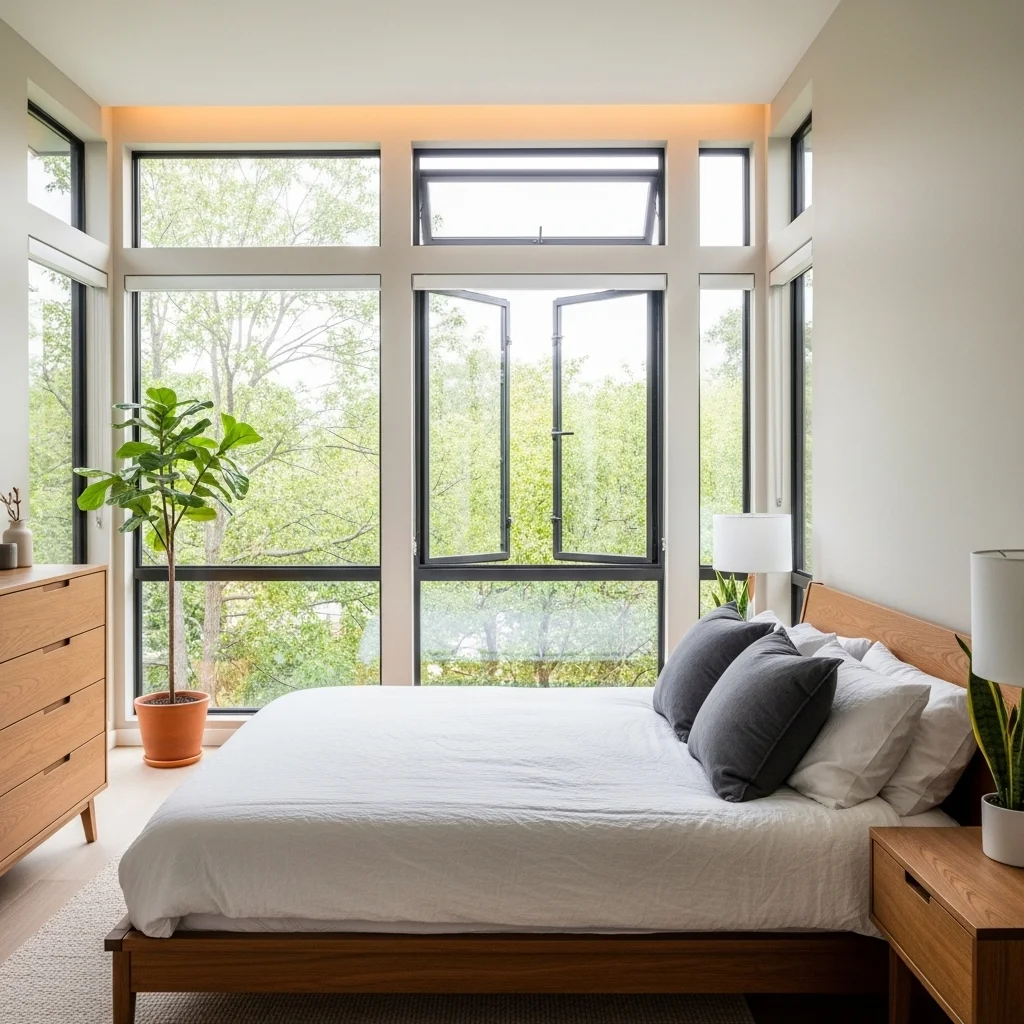
If you’re planning or renovating, the type of window matters. Casement or awning windows provide superior airflow, while bay or picture windows offer beautiful views and more sunlight.
Consider privacy, sound insulation, and direction of sunlight before choosing. Well-planned bedroom ventilation tips include cross-ventilation — windows on opposite walls — to maximize freshness and comfort.
12. Alternatives for Basement or Interior Bedrooms
For basement bedrooms or interior spaces without exterior walls, ventilation systems and light tubes can simulate natural conditions. Install egress windows if possible for safety.
If structural windows aren’t an option, use light wells, artificial skylights, and reflective surfaces to mimic the feel of openness. These clever solutions bridge the gap between design limitations and comfort — a growing trend in modern bedroom design requirements.
Final Thoughts
So, does a bedroom need a window? In most cases, absolutely — for safety, health, and overall well-being. Windows provide natural light, ventilation, and emotional balance that no artificial system can fully replicate. But if you’re working with a windowless space, creative lighting and advanced air systems can make a huge difference.
A window brings nature indoors — it’s not just a structural feature, but a gateway to wellness. Following these bedroom ventilation tips will help you design a space that feels fresh, comfortable, and truly livable, no matter its size or structure.