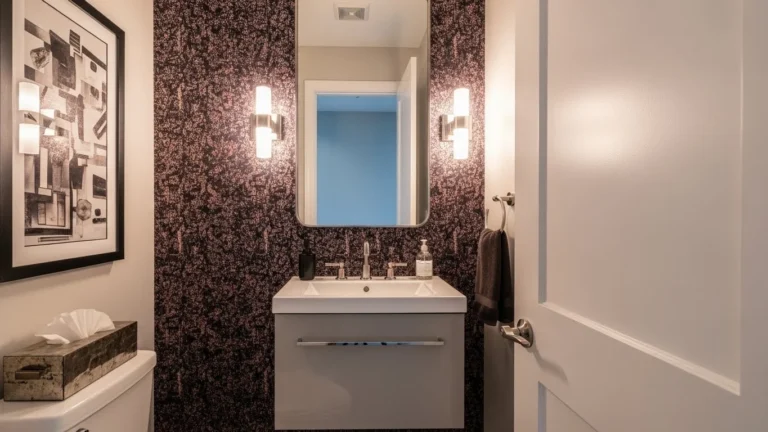
16 Handicap Bathroom Ideas for Safe, Stylish, and Accessible Bathroom Design
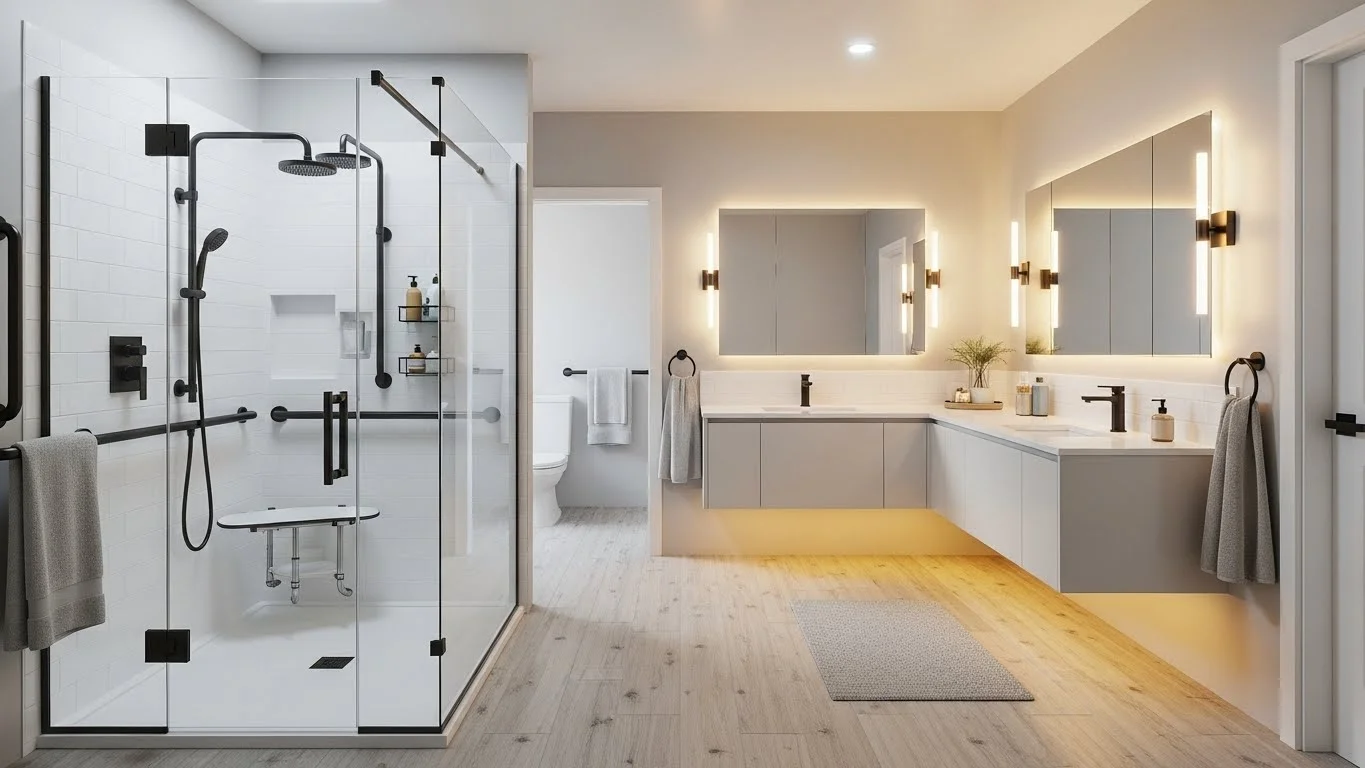
Designing a bathroom that is both beautiful and functional for everyone is an act of care and creativity. Accessibility doesn’t mean sacrificing elegance — today’s handicap bathroom ideas blend safety, comfort, and aesthetics seamlessly. With the right planning, you can create a space that supports mobility and independence while looking polished and modern.
An accessible bathroom is about thoughtful design choices: wider walkways, level floors, easy-to-reach fixtures, and slip-resistant materials. These features ensure dignity and safety for seniors, people with disabilities, and anyone who values comfort and usability. But they also elevate the bathroom experience for everyone, proving that universal design is both inclusive and timeless.
In this guide, you’ll discover 16 handicap bathroom ideas that merge safety with sophistication. From barrier-free showers to luxurious grab bars and modern vanities, each concept is tailored to enhance mobility, promote ease, and reflect the warmth of thoughtful living.
1. Install a Walk-In or Roll-In Shower
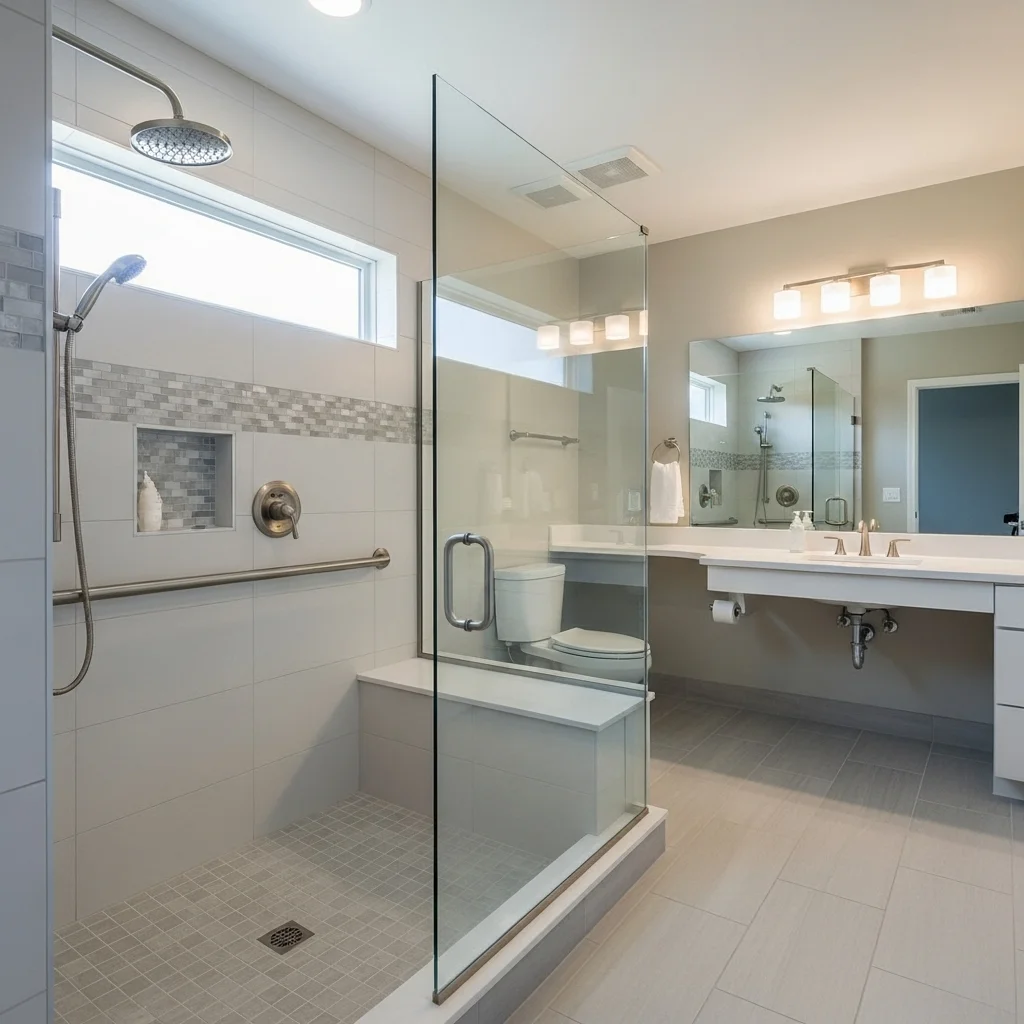
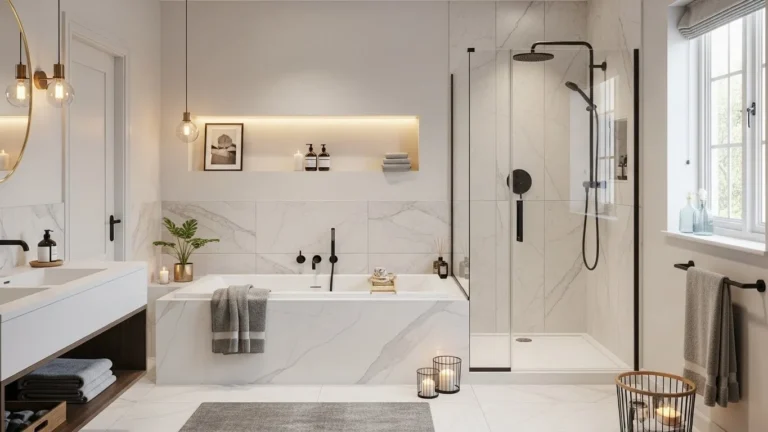
Traditional tubs can pose challenges for mobility, so replace them with a walk-in or roll-in shower featuring a low or zero-threshold entry. This design allows wheelchair users and those with limited mobility to move safely and comfortably.
Opt for textured tiles or non-slip flooring inside and outside the shower to reduce the risk of falls. A roll-in shower exemplifies barrier-free shower solutions that make daily routines more secure and dignified while maintaining a sleek, open aesthetic.
2. Add Grab Bars in Key Areas
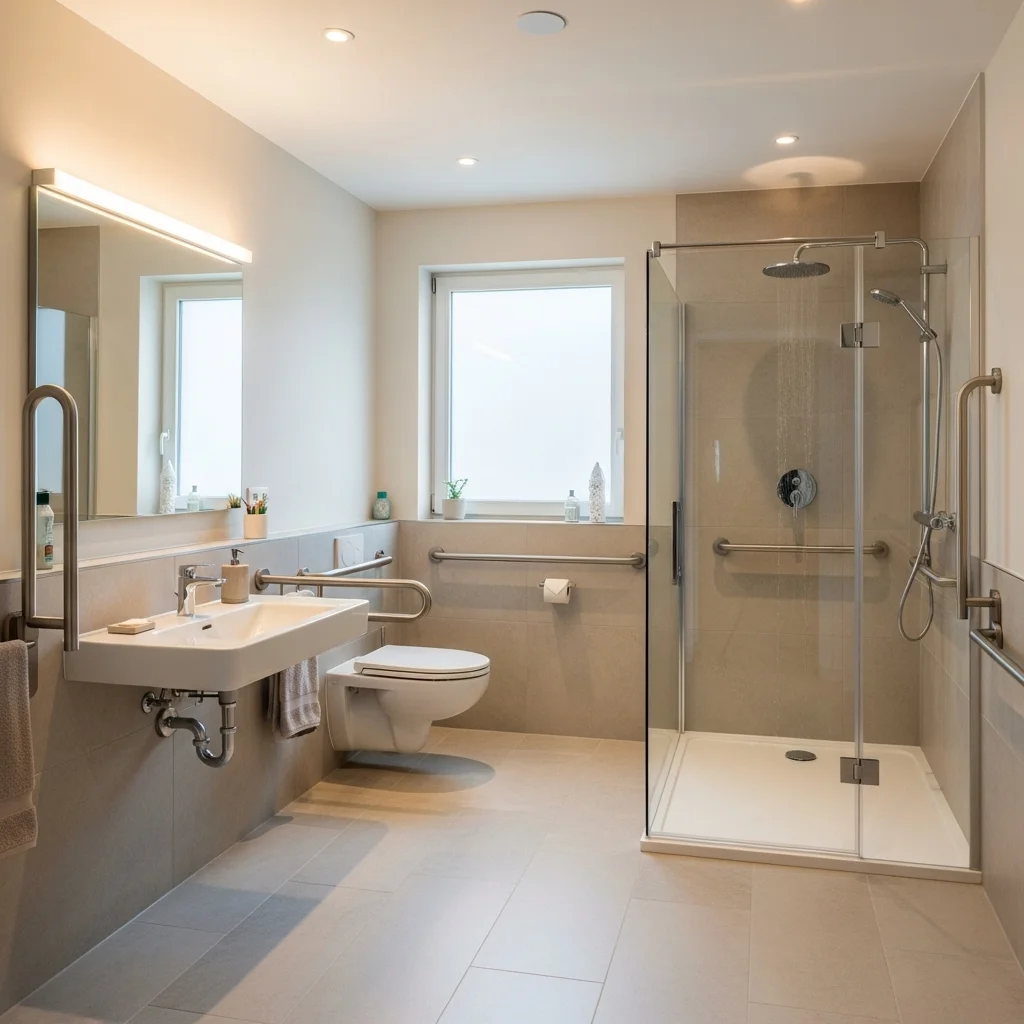
Grab bars are one of the most essential safety features in any accessible bathroom. Install them near the toilet, shower, and bathtub for extra stability and support.
Today’s designs are far from industrial — modern finishes like matte black or brushed gold make grab bars part of the décor. They’re practical yet elegant, embodying the essence of ADA bathroom remodel tips for safety without sacrificing beauty.
3. Opt for a Comfort-Height Toilet
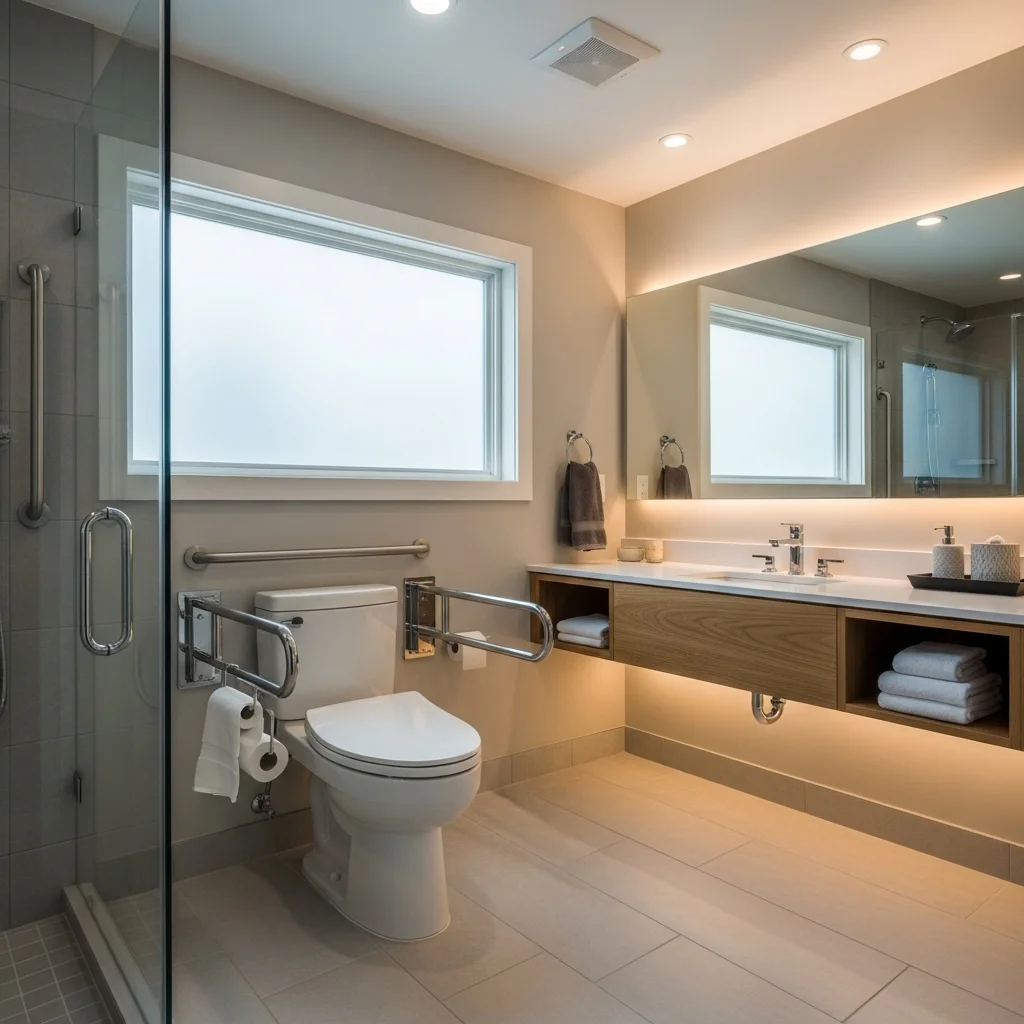
A raised or “comfort-height” toilet makes sitting and standing much easier. These toilets are typically two to three inches higher than standard ones, reducing strain on knees and hips.
Pair them with side grab bars for extra support. This update is one of the simplest handicap bathroom ideas to implement yet offers tremendous daily comfort and independence.
4. Choose Slip-Resistant Flooring
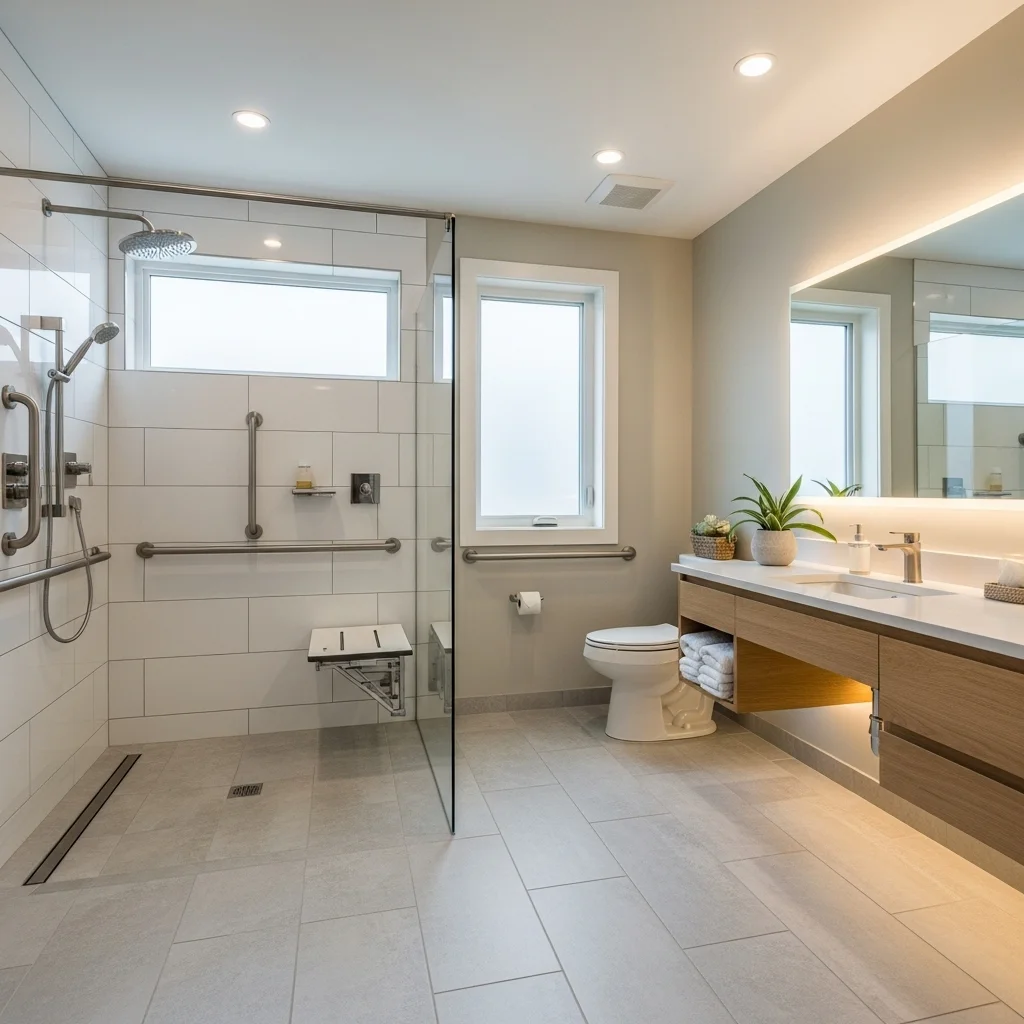
Bathroom floors can be hazardous when wet. Choose slip-resistant materials such as textured porcelain, vinyl, or rubber flooring for better traction.
Matte finishes are best for both style and safety. Incorporating non-slip textures is a smart move in accessible bathroom design, ensuring peace of mind without compromising visual appeal.
5. Install a Handheld Showerhead
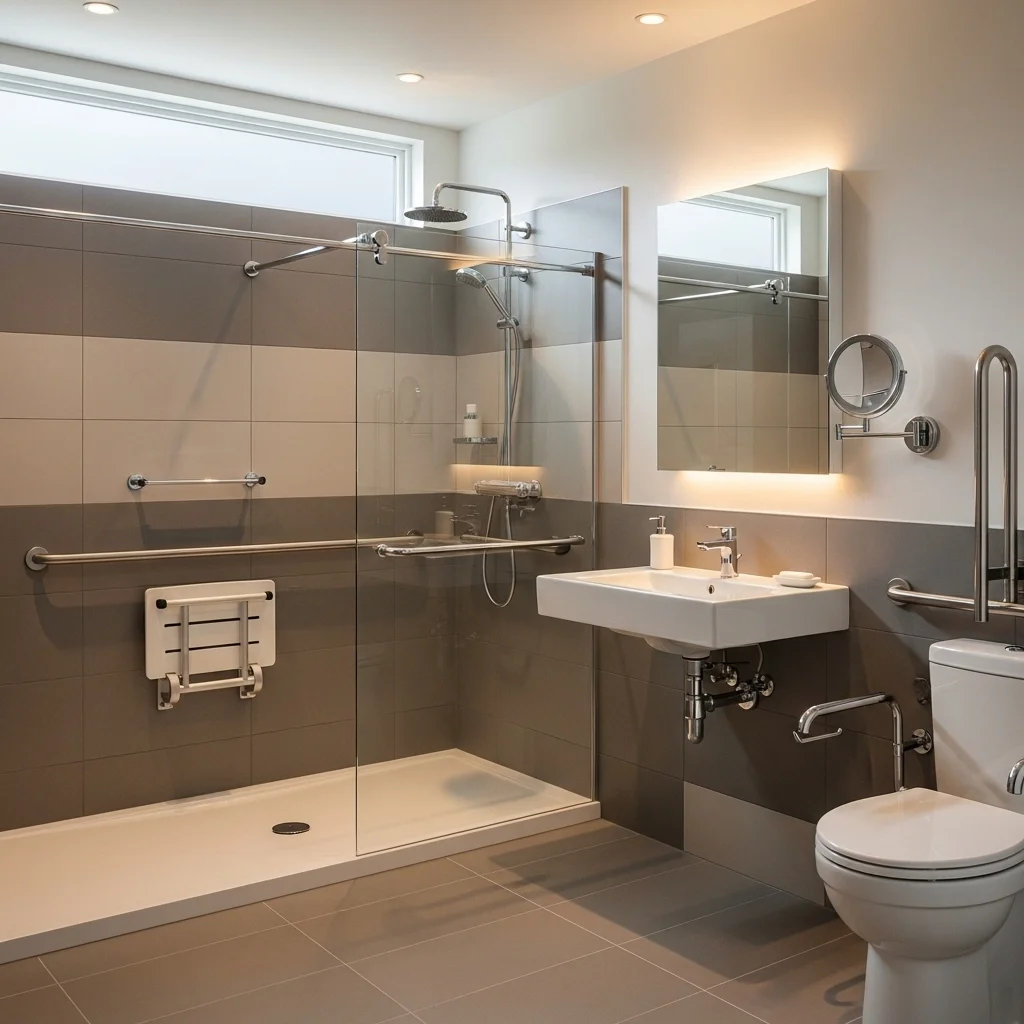
A handheld showerhead offers flexibility and control for users of all abilities. It allows seated or assisted showering with ease.
Mount it on an adjustable slide bar so the height can be changed as needed. This small feature exemplifies safety bathroom upgrades that blend comfort, customization, and functionality.
6. Include a Shower Bench or Fold-Down Seat
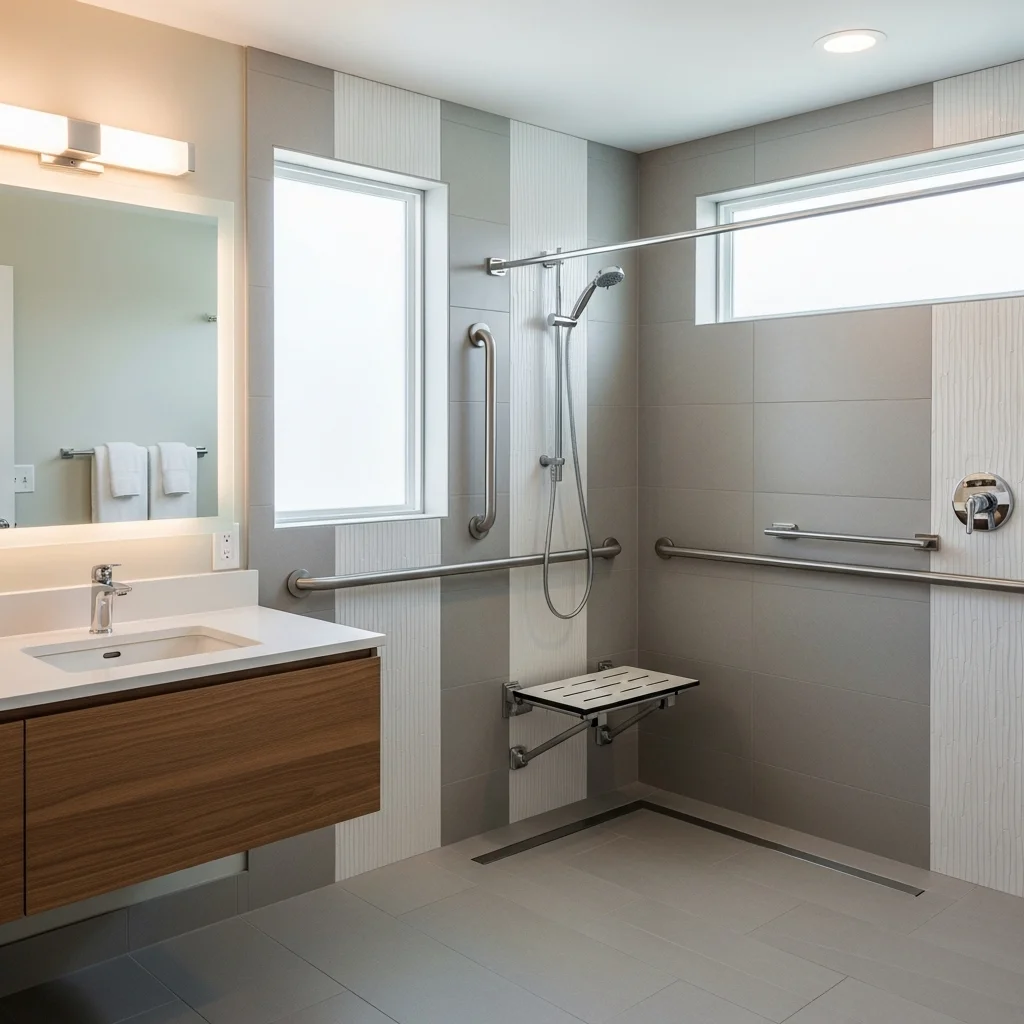
A shower bench adds comfort, safety, and convenience. Choose a built-in bench for a seamless look or a fold-down model for flexibility in smaller spaces.
Materials like teak or molded plastic provide both durability and beauty. This simple addition enhances both accessibility and spa-like comfort — the perfect harmony of wheelchair-friendly bathroom layouts and modern relaxation.
7. Incorporate Lever-Style Faucets and Handles
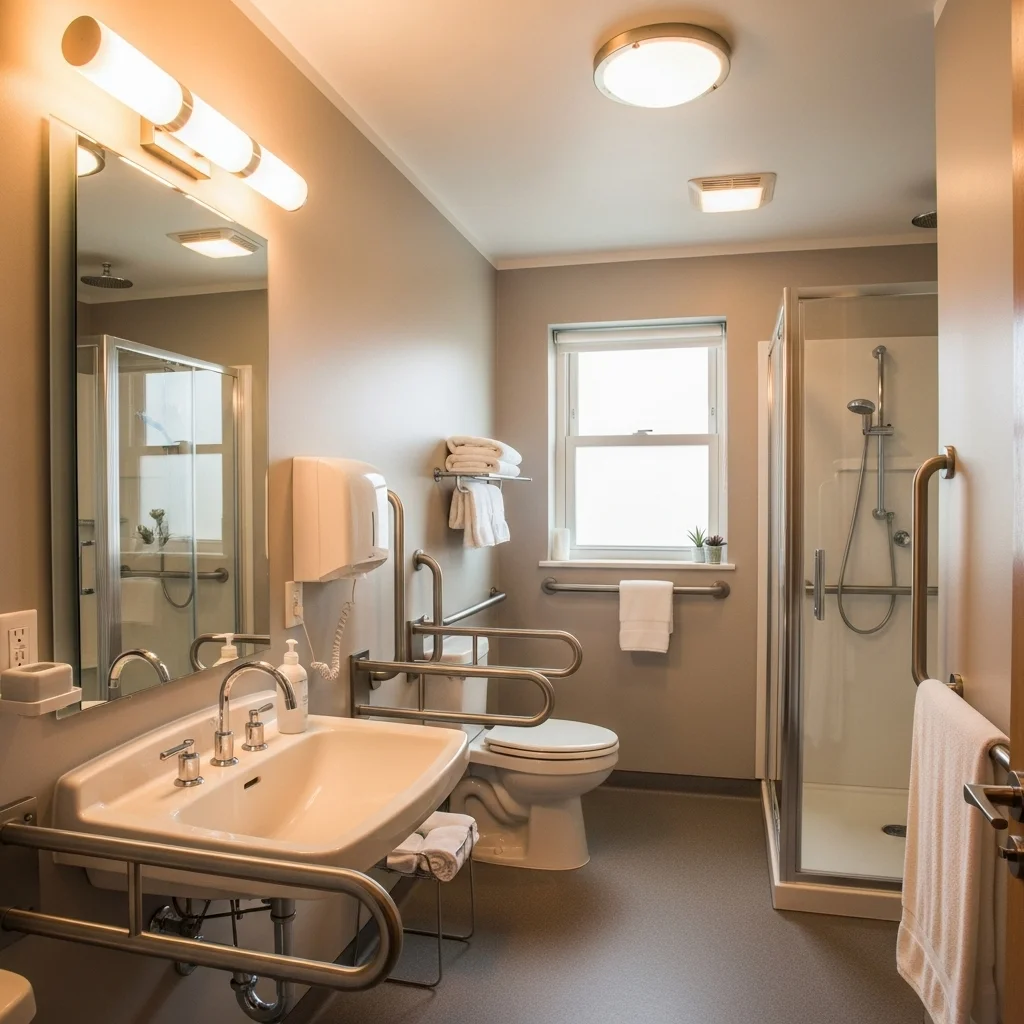
Knob handles can be difficult to grip for those with arthritis or limited hand strength. Lever-style faucets require minimal effort and allow smooth control.
Install them on sinks, tubs, and showers for universal ease. They’re a small but impactful part of ADA bathroom remodel tips, promoting inclusivity through subtle design innovation.
8. Widen Doorways and Clear Floor Space
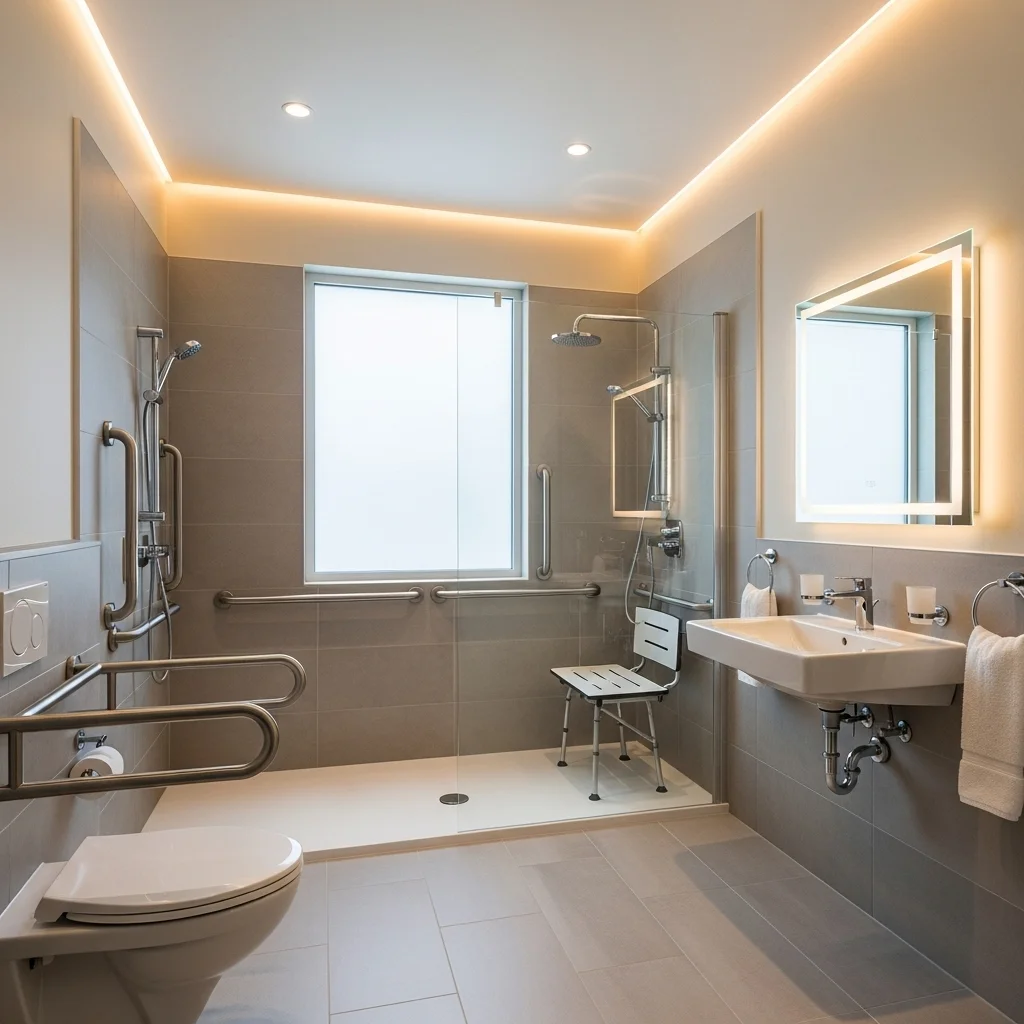
A crucial aspect of accessibility is space. Ensure at least 32 inches of clear doorway width and 5 feet of turning radius for wheelchairs.
Pocket doors or sliding barn doors can save space while maintaining easy entry. These structural adjustments define thoughtful accessible bathroom design, balancing practicality and elegance.
Read also.How to Remove Bathroom Sink Drain
9. Use Wall-Mounted Vanities for Better Mobility

Wall-mounted or floating vanities create ample legroom underneath, making them easier for wheelchair users to access. They also give your bathroom a clean, open, and modern appearance.
Pair these vanities with shallow sinks and lever-style handles for convenience. This combination of beauty and function defines accessible bathroom design, proving that practicality can look stunning while offering true independence and ease.
10. Install Motion-Sensor Lighting
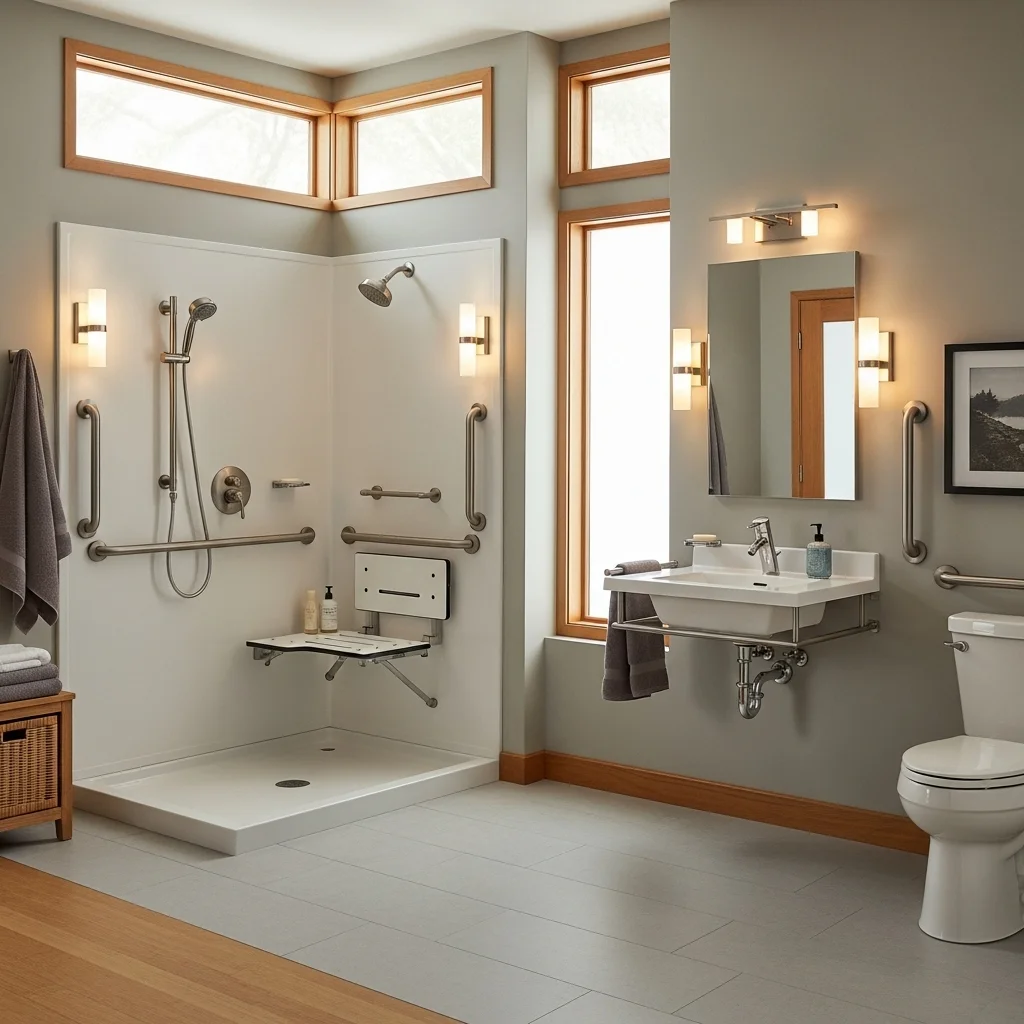
Proper lighting is crucial for visibility and safety, especially during nighttime use. Motion-sensor lights automatically illuminate the bathroom when someone enters, removing the need to fumble for switches.
Layered lighting — overhead, task, and ambient — enhances both accessibility and atmosphere. These smart safety bathroom upgrades improve confidence and mobility for users of all ages.
11. Add Heated Flooring for Comfort and Safety
Cold tile floors can be uncomfortable and slippery. Heated floors not only keep your feet warm but also help dry surfaces faster, reducing moisture and fall risk.
Pair them with textured tiles for added traction. This thoughtful luxury is becoming a staple in ADA bathroom remodel tips, offering both comfort and practicality in one elegant solution.
12. Use Contrasting Colors for Visual Clarity
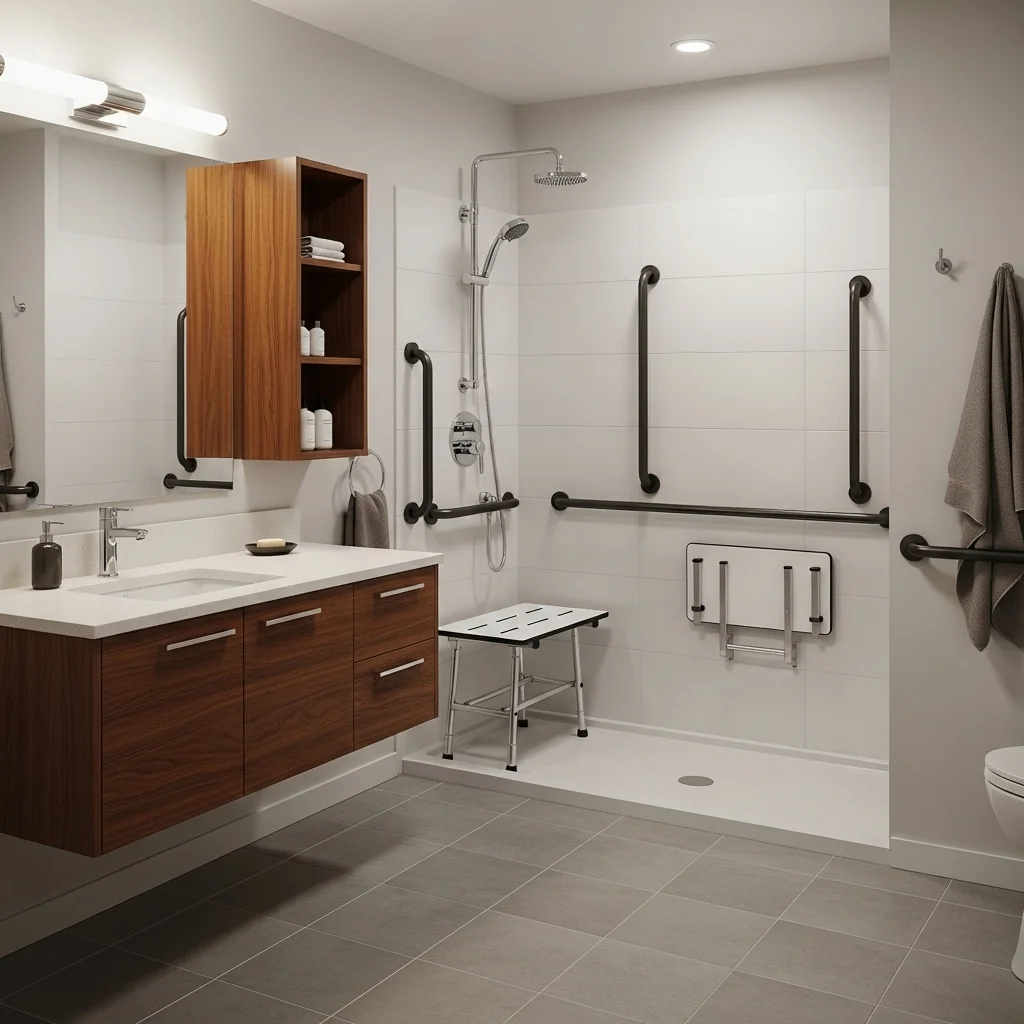
High contrast between walls, floors, and fixtures helps visually impaired individuals navigate safely. For instance, pair a light vanity with a darker floor or use colored grab bars for easy visibility.
Design-wise, contrast adds sophistication and depth. It’s one of the most subtle yet effective handicap bathroom ideas, blending accessibility with interior style seamlessly.
13. Add an Adjustable Mirror
Traditional mirrors can be difficult to use for wheelchair users. Install an adjustable or tilting mirror that pivots to accommodate various heights and angles.
This simple change makes grooming easier and more comfortable. Accessibility-focused mirrors are small details that greatly enhance usability in wheelchair-friendly bathroom layouts.
14. Ensure Adequate Ventilation and Air Quality
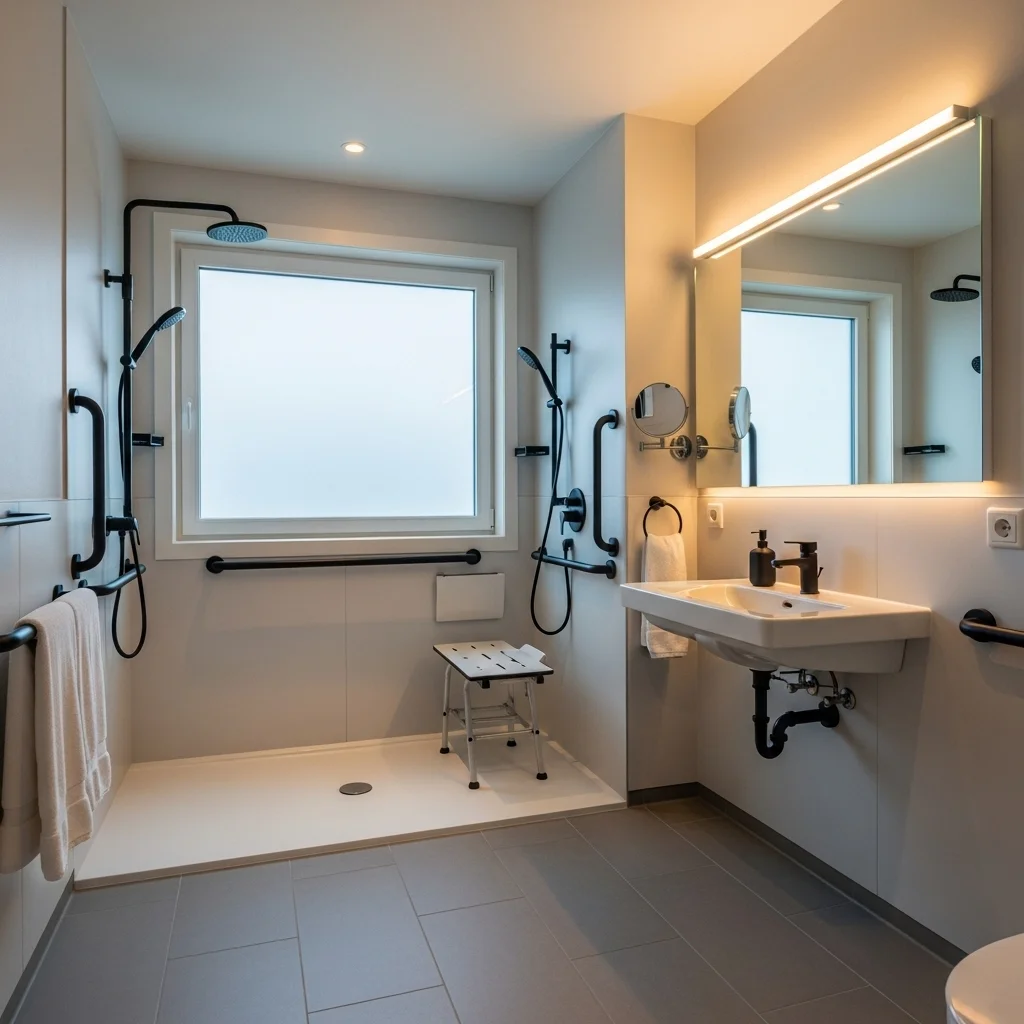
Proper airflow is often overlooked in accessibility design. Good ventilation prevents humidity buildup, which can cause mold and slippery surfaces. Install a quiet exhaust fan with humidity sensors for effortless maintenance.
Fresh, clean air supports comfort and safety — essential components of safety bathroom upgrades that create a healthier environment for everyone.
15. Include Smart Technology for Convenience
Voice-activated fixtures, temperature-controlled showers, and smart toilets simplify daily routines while adding luxury. These technologies can also be life-changing for people with limited mobility.
They elevate modern accessible bathroom design, creating a high-tech yet warm and inviting atmosphere. Smart features show that innovation and independence can coexist beautifully.
16. Keep Design Open and Clutter-Free
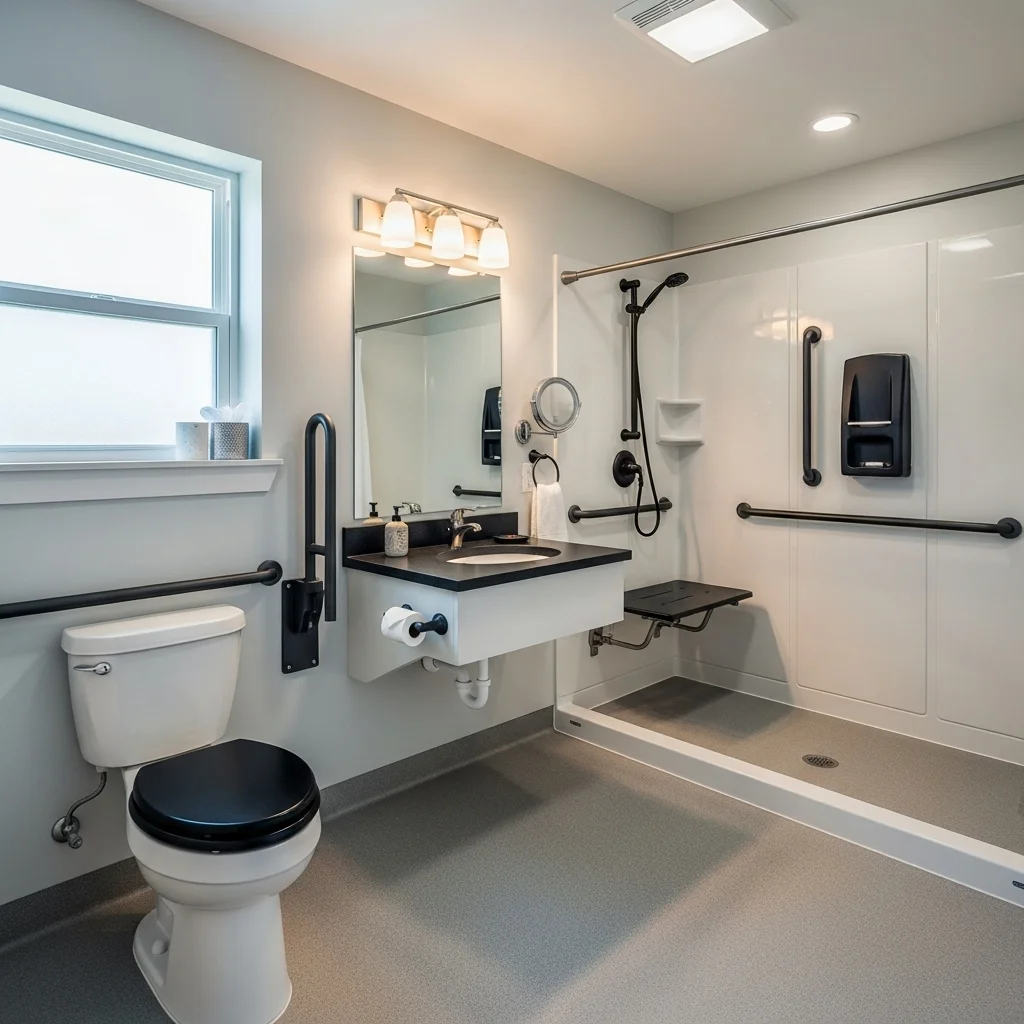
An open layout ensures maneuverability and reduces hazards. Use built-in storage and wall-mounted accessories to keep pathways clear. Every inch of space should serve both function and flow.
Minimalism enhances accessibility by creating simplicity and serenity. It’s the foundation of all handicap bathroom ideas — merging safety, clarity, and style into a single thoughtful design.
Final Thoughts
Designing an accessible bathroom is about empathy — creating a space that feels safe, comfortable, and empowering for everyone who uses it. These handicap bathroom ideas prove that function and elegance can exist side by side. With smart planning, your bathroom can be both universally inclusive and deeply personal.
By combining key features like grab bars, barrier-free showers, and adjustable fixtures with warm lighting and beautiful materials, you craft an environment that promotes dignity and peace of mind. Accessibility doesn’t have to look clinical — it can be modern, soothing, and stylish. When safety meets design, the result is true luxury: a space that welcomes all.
FAQs About Handicap Bathroom Design
Q1: What is the best flooring for accessible bathrooms?
Non-slip porcelain or vinyl flooring is ideal for accessible bathroom design, offering traction and easy maintenance.
Q2: How wide should an accessible bathroom doorway be?
A minimum of 32 inches is recommended, but 36 inches allows more comfortable access for wheelchairs in wheelchair-friendly bathroom layouts.
Q3: What’s the safest shower design for limited mobility?
A roll-in, curbless shower with a fold-down seat and handheld showerhead ensures independence and safety — essential in barrier-free shower solutions.
Q4: How do I make my bathroom safer without remodeling?
Add grab bars, anti-slip mats, and motion-sensor lights. These easy safety bathroom upgrades improve stability without structural changes.
Q5: Can accessibility and style coexist in bathroom design?
Absolutely! Modern ADA bathroom remodel tips focus on combining function with sleek materials, muted tones, and elegant fixtures that enhance both form and safety.