How to Get Rid of Gnats in House Plants: Best Fungus Gnat Control & Natural Solutions
Finding tiny gnats hovering around your favorite indoor plants can be incredibly frustrating, especially when you’ve put so much love into nurturing them. These pests, commonly known as fungus gnats, thrive in moist soil and quickly multiply, creating a noticeable disturbance around your home. Understanding how to get rid of gnats in house plants starts with identifying what attracts them, why they flourish, and how to break their life cycle gently and effectively. Once you understand their habits, removing them becomes a matter of thoughtful, consistent care rather than harsh chemicals or stressful guesswork.
Getting rid of gnats is more than pest removal — it’s about restoring harmony to your indoor environment. The key is creating a balance of healthy soil, proper watering habits, and natural pest barriers that disrupt gnat breeding conditions. With the right approach, you can reclaim your greenery, protect your home from annoying swarms, and encourage a thriving indoor garden that grows stronger over time. Below, you’ll find practical, effective, and gentle fungus gnat control methods that work beautifully for every plant parent, whether you’re caring for succulents, ferns, or tropical favorites.
1. Let the Soil Dry Out Completely
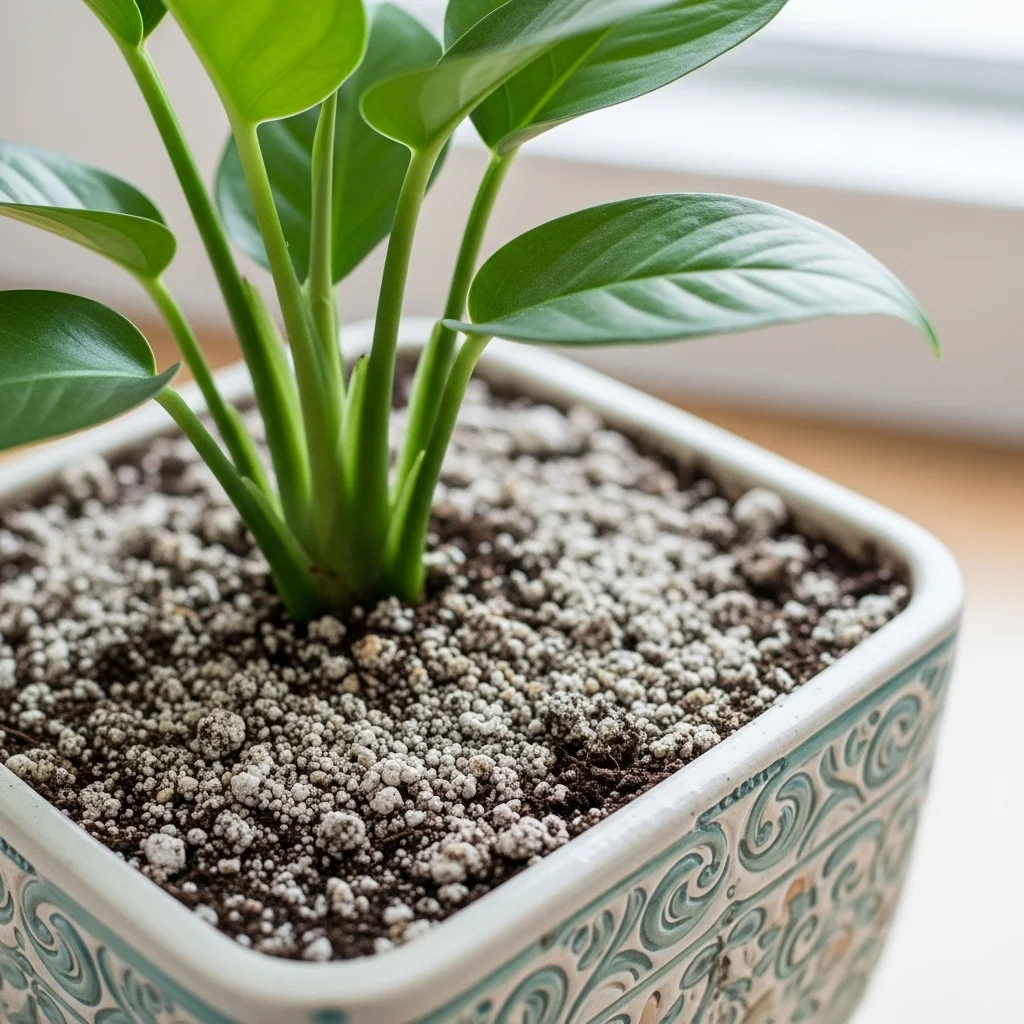
Allowing the top layer of soil to dry is one of the most powerful natural solutions for eliminating gnats because their larvae depend on moist environments to survive. When the soil dries, their eggs and larvae can no longer thrive, naturally interrupting their reproduction cycle. This simple shift in watering rhythms creates a soil environment that supports your plant’s health but discourages pests, reinforcing your understanding of proper houseplant pest removal without chemicals.
Drying the soil also encourages stronger root systems, since many plants — including pothos, monstera, and snake plants — prefer to dry out between waterings. This habit supports long-term plant wellness while solving your immediate gnat issue. It becomes a gentle yet effective way to enhance your indoor garden and reinforce healthy, balanced care habits that prevent future infestations.
2. Add a Layer of Sand or Decorative Gravel

Covering the top layer of soil with coarse sand, small gravel, or tiny pebbles creates a barrier that prevents adult gnats from laying eggs. Since fungus gnats need exposed moist soil to reproduce, this simple layer disrupts their life cycle entirely. The result is a beautiful plant display with added texture and protection, making your pots feel more refined and visually unique.
This method embodies natural pest solutions that work effortlessly without harming your plant. It slows soil moisture evaporation just enough to keep your plant hydrated, while still preventing gnats from burrowing into the soil. Over time, this top layer becomes a long-term shield, keeping your indoor garden healthy and pest-free.
3. Use Yellow Sticky Traps
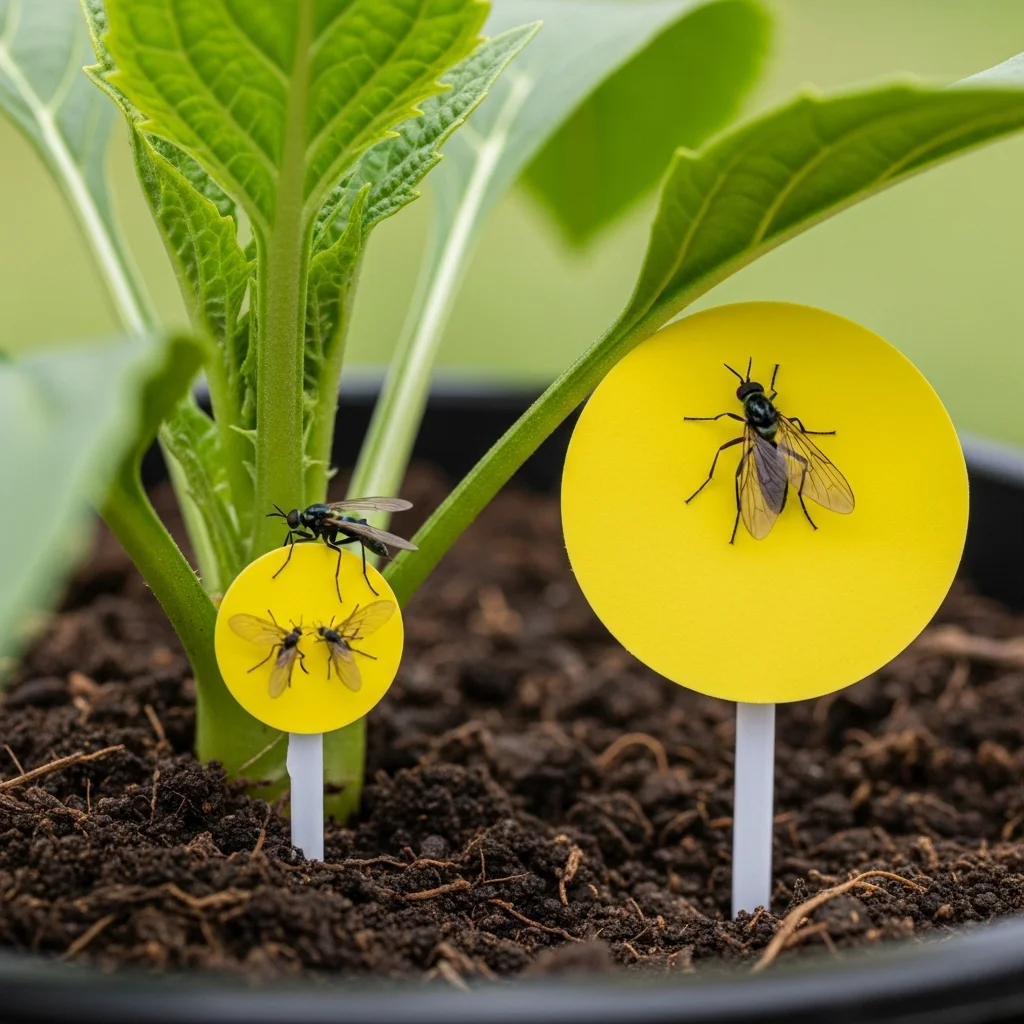
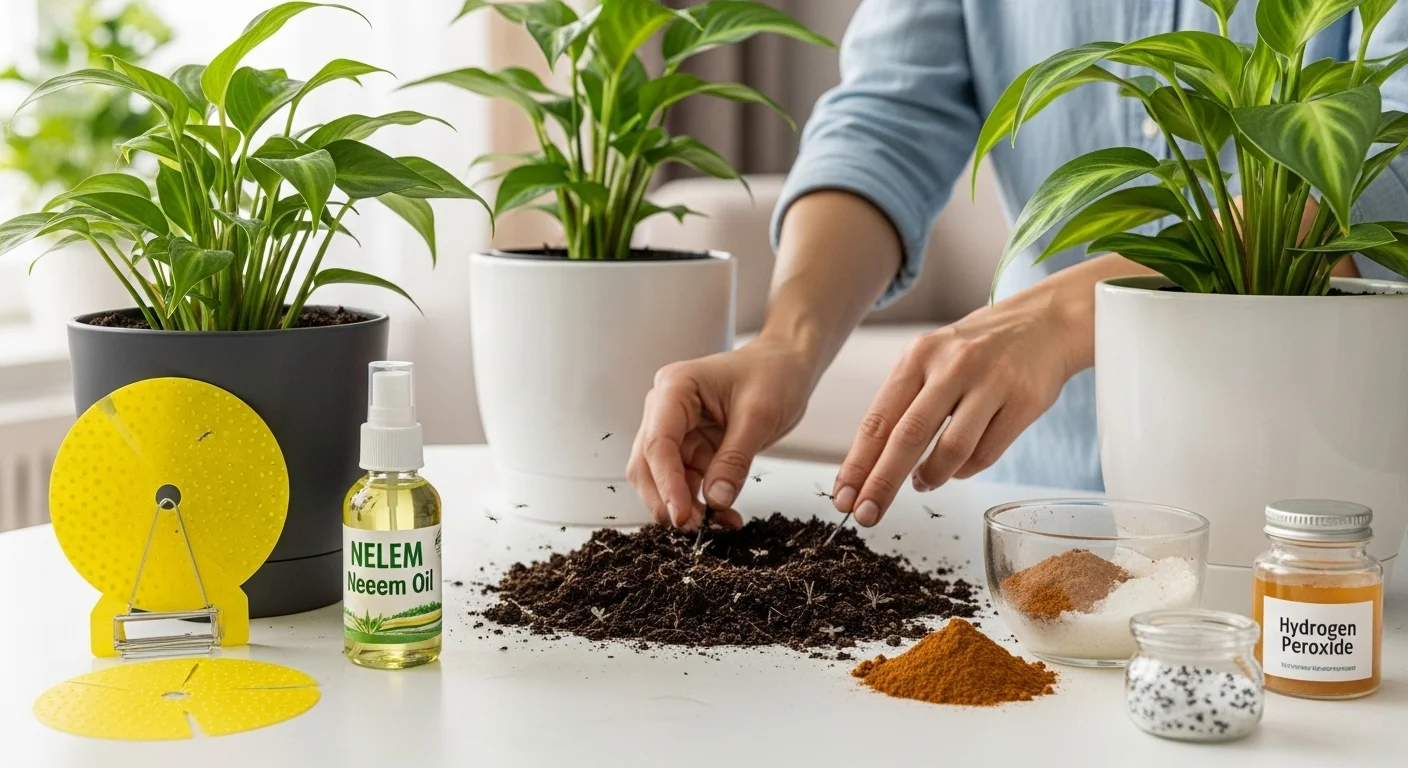
Yellow sticky traps attract and capture adult gnats, reducing the visible population quickly and efficiently. Their bright color mimics decaying plant material that gnats naturally seek, making the traps highly effective for controlling adult flyers while you treat the soil for larvae. Place them directly into the soil or hang them just above the plant for maximum impact.
Sticky traps work beautifully as part of a holistic fungus gnat control strategy. While they don’t eliminate larvae, they dramatically reduce breeding adults, giving your soil treatments time to work. The combination of soil treatment and adult capture creates a comprehensive approach that restores balance to your plant environment.
4. Water with a Hydrogen Peroxide Solution
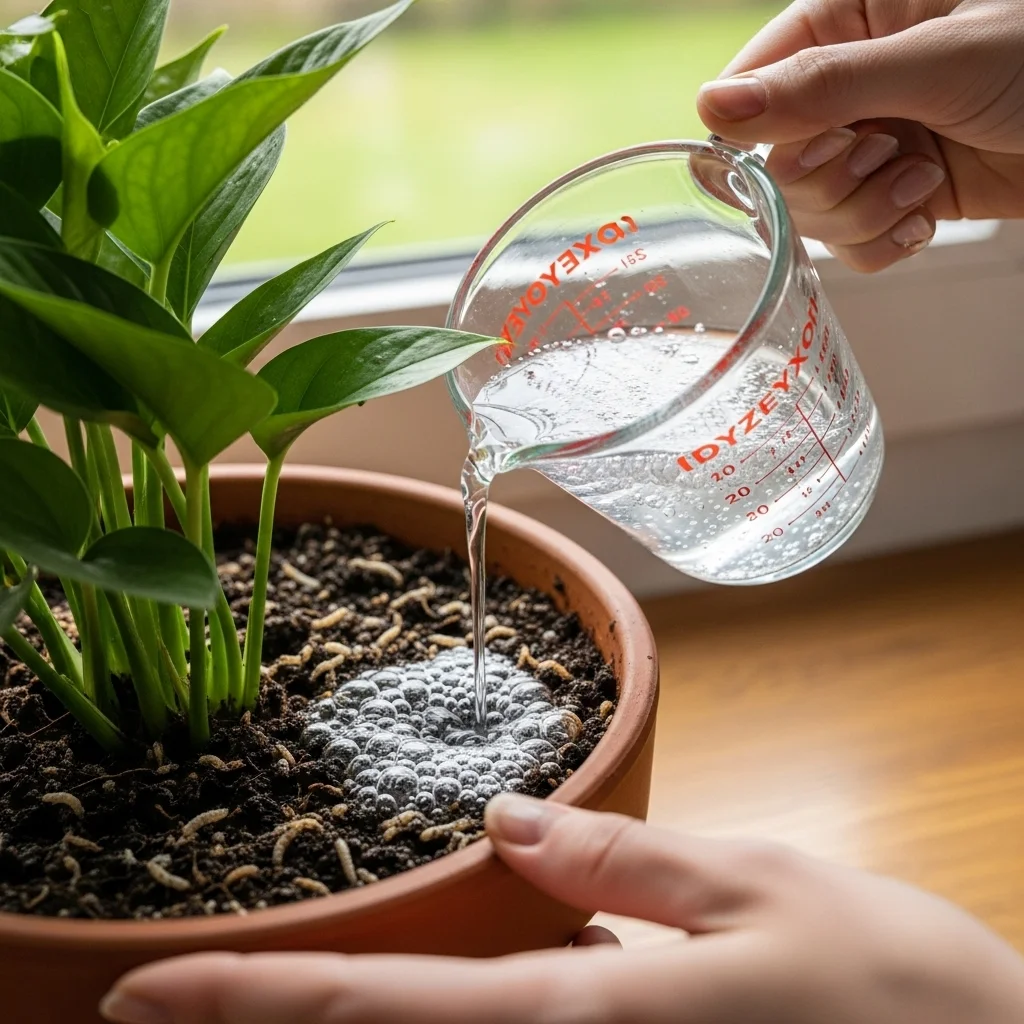
Mix 1 part 3% hydrogen peroxide with 4 parts water, then use this solution to water your plants. This treatment kills gnat larvae instantly without harming the plant if used in proper dilution. It oxygenates the soil, helping roots breathe while simultaneously cleansing the topsoil of harmful pests.
This technique is excellent for houseplant pest removal because it’s fast-acting and safe. It penetrates deep into soil layers where larvae hide, delivering a clean, airy environment for roots to thrive. Over time, it freshens compacted soil and supports healthier growth, giving your plant renewed vitality.
Read also. 18 Giant Indoor Plants
5. Introduce Neem Oil Soil Drench
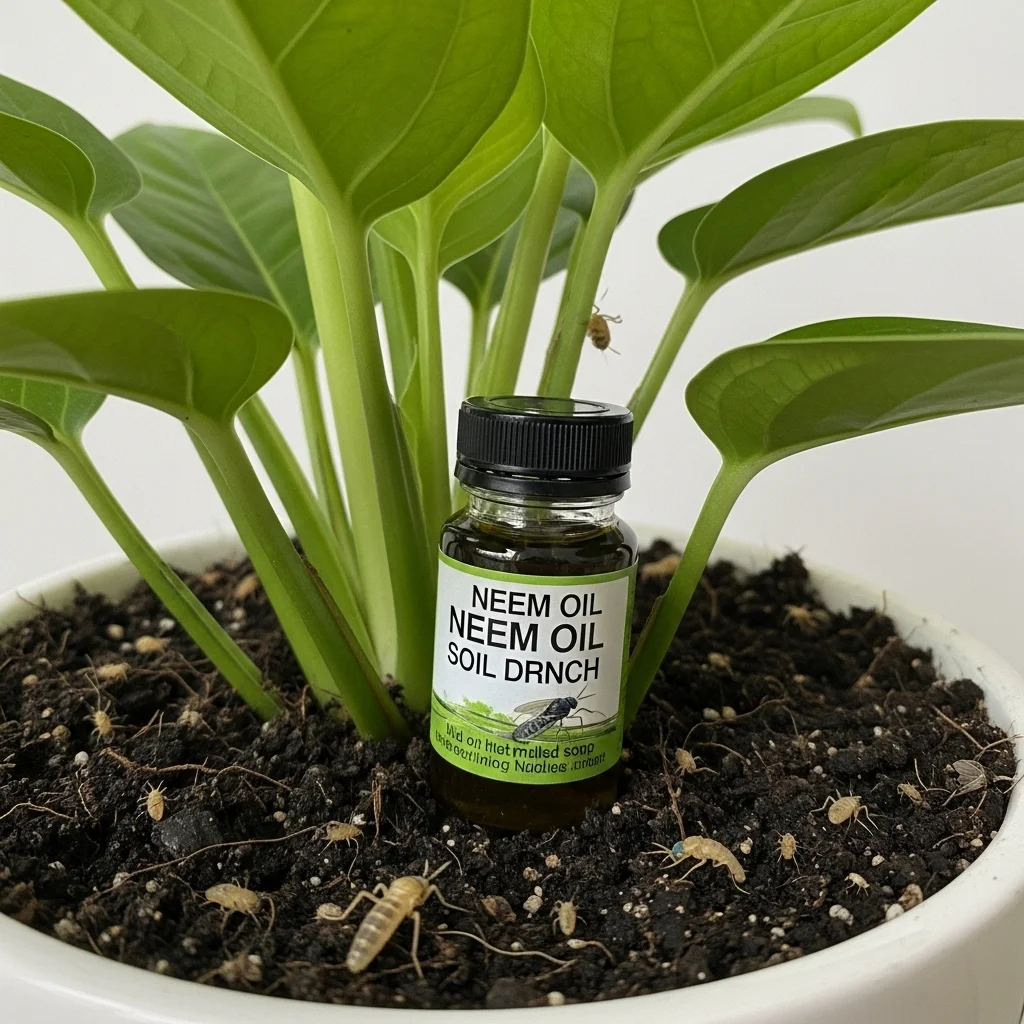
Neem oil is one of nature’s strongest plant-safe pest remedies. Mix neem oil with water and a small amount of mild soap to create a soil drench that targets larvae and repels adults. Neem disrupts insect reproduction, ensuring gnats cannot continue their life cycle within your pots.
This gentle approach highlights natural pest solutions that protect your plants without introducing harsh chemicals. Neem’s slow-release properties provide long-term protection, making it ideal for recurring infestations or plants that are sensitive to synthetic treatments. Over time, neem enhances soil health and resilience.
6. Try Cinnamon as a Natural Antifungal
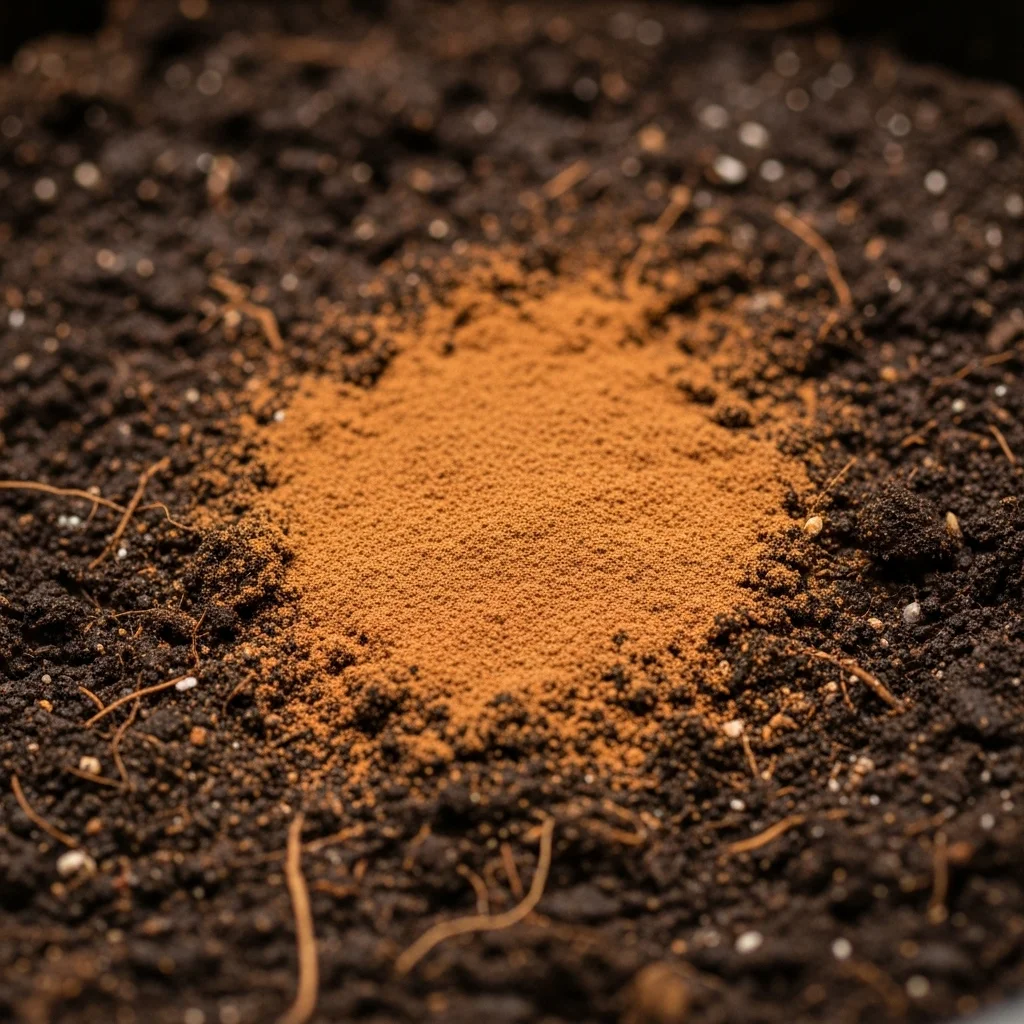
Cinnamon powder sprinkled lightly across your soil works as an antifungal agent, preventing the growth of fungus that gnats feed on. Since fungus is a key part of their diet, eliminating it causes the gnat population to decline naturally and effectively.
This method supports soil pest prevention by targeting the root cause rather than the insect itself. Cinnamon’s warm, subtle aroma also makes your plants smell pleasant while keeping them healthy. It’s an ideal solution for homes with pets or sensitive individuals who prefer chemical-free approaches.
7. Use Mosquito Bits (BTI)

Mosquito Bits contain BTI, a bacteria that targets gnat larvae safely. Sprinkle them on your soil or steep them in water to create a BTI-infused watering solution. It eliminates larvae without harming plants, people, or pets.
This treatment aligns perfectly with indoor plant care tips that focus on safe, long-term solutions. BTI interrupts larval development without disrupting your plant’s ecology, making it a favorite among plant enthusiasts who want reliable, science-backed results.
8. Repot the Plant with Fresh Soil
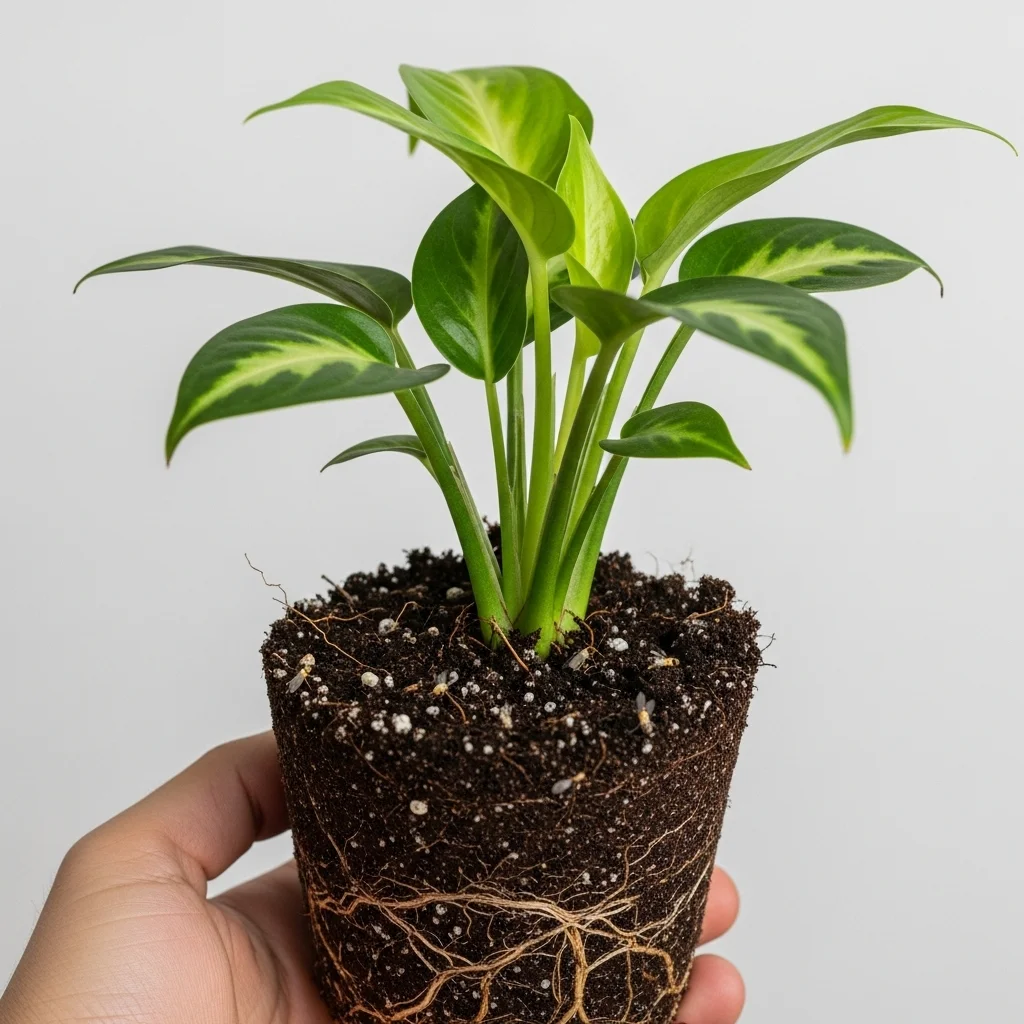
If the infestation is severe, repotting the plant into fresh, sterile soil can completely reset its environment. Remove as much old soil as possible, trim damaged roots, and replant in new potting mix. Clean the pot with hot water or rubbing alcohol before reusing it.
Repotting supports soil pest prevention by removing eggs, larvae, and fungus entirely. It also gives your plant renewed space, nutrients, and airflow, setting the stage for healthier, more vigorous growth that naturally resists future pests.
Final Thoughts
Learning how to get rid of gnats in house plants is about creating an environment where healthy plants thrive and pests cannot. The best solutions blend gentle treatments with mindful habits — from proper watering to natural soil barriers. By understanding gnat behavior and combining multiple methods, you can restore peace to your indoor garden and prevent future infestations with confidence and ease.
Through a blend of fungus gnat control and thoughtful care practices, you transform your home into a nurturing, pest-free sanctuary. Remember, consistency is key. Each step strengthens your plant’s resilience, helping you build an indoor garden that feels calm, vibrant, and beautifully alive.
FAQs About Getting Rid of Gnats in House Plants
Q1: Why do gnats appear in houseplant soil?
Gnats thrive in moist soil rich in fungus. Overwatering and poor drainage encourage their growth, making infestation more likely.
Q2: How long does it take to get rid of fungus gnats?
With consistent treatment, most infestations can be eliminated in 1–3 weeks using combined fungus gnat control methods.
Q3: Are gnats harmful to plants?
Adult gnats are harmless, but larvae can damage roots by feeding on them, weakening growth.
Q4: Can I use vinegar traps for gnats?
Yes — vinegar traps attract adult gnats, but they won’t remove larvae. Use this alongside soil treatments for full removal.
Q5: How do I prevent gnats from returning?
Let soil dry between waterings, improve drainage, and add sand or gravel to the top layer for long-term soil pest prevention.