Modern and Functional: 18 Open Kitchen Renovation Ideas That Work for Every Home
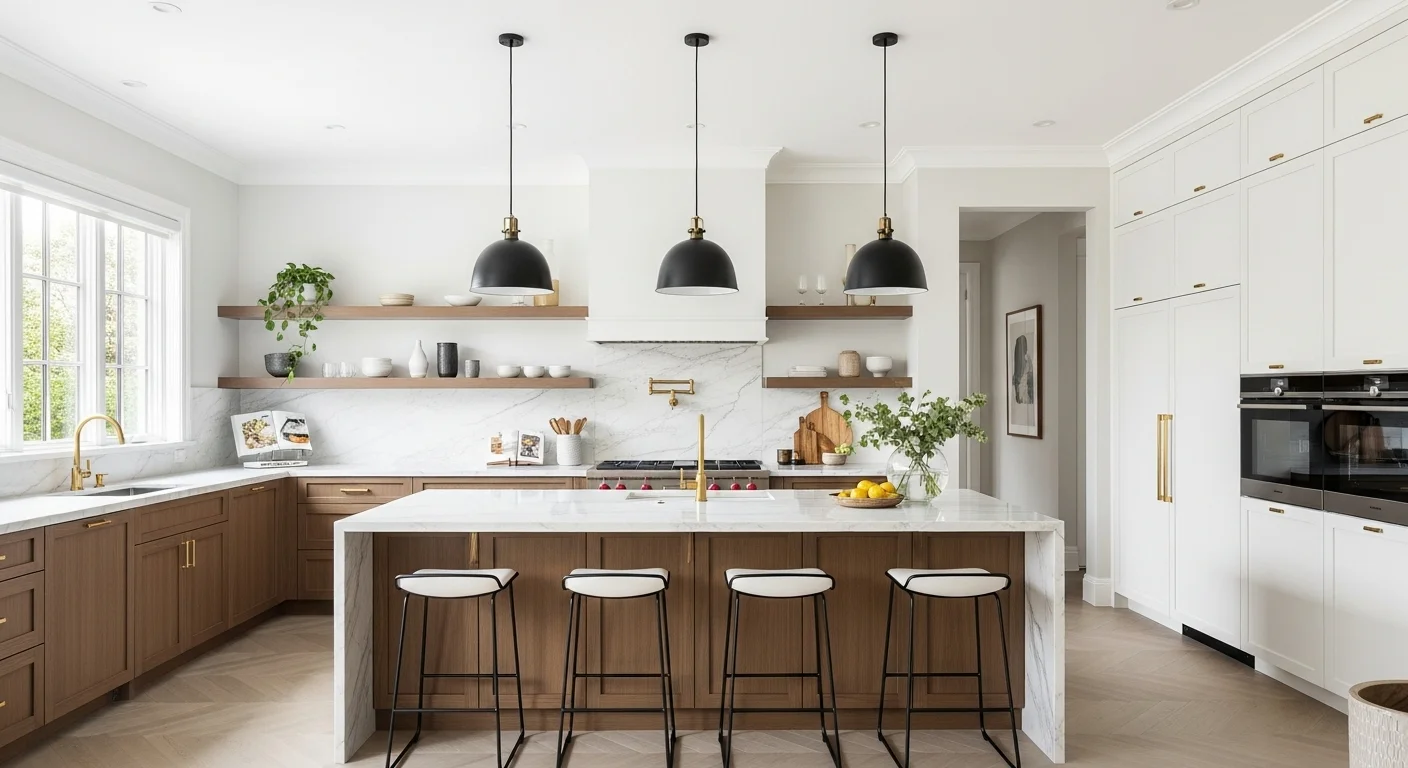
An open kitchen renovation can transform the way you interact with your space every single day. By removing barriers and embracing open layouts, the kitchen becomes the heart of the home, a place where cooking, dining, and gathering flow together effortlessly. This type of design brings more natural light, improves sightlines, and creates a sense of connection — allowing you to stay engaged with family and guests whether you’re preparing a meal or enjoying a cup of coffee. With the right renovation choices, an open kitchen can feel more spacious and functional without expanding your home’s footprint.
Today’s open kitchens balance beauty and practicality, incorporating smart storage, sleek finishes, and thoughtful zoning to keep everything organized and visually appealing. From cabinetry and countertops to lighting and island design, every detail plays a role in shaping a welcoming, modern atmosphere. The ideas below will help you design an open kitchen that enhances everyday living and makes the entire home feel fresh, inviting, and well-integrated.
1. Embrace a Unified Color Palette
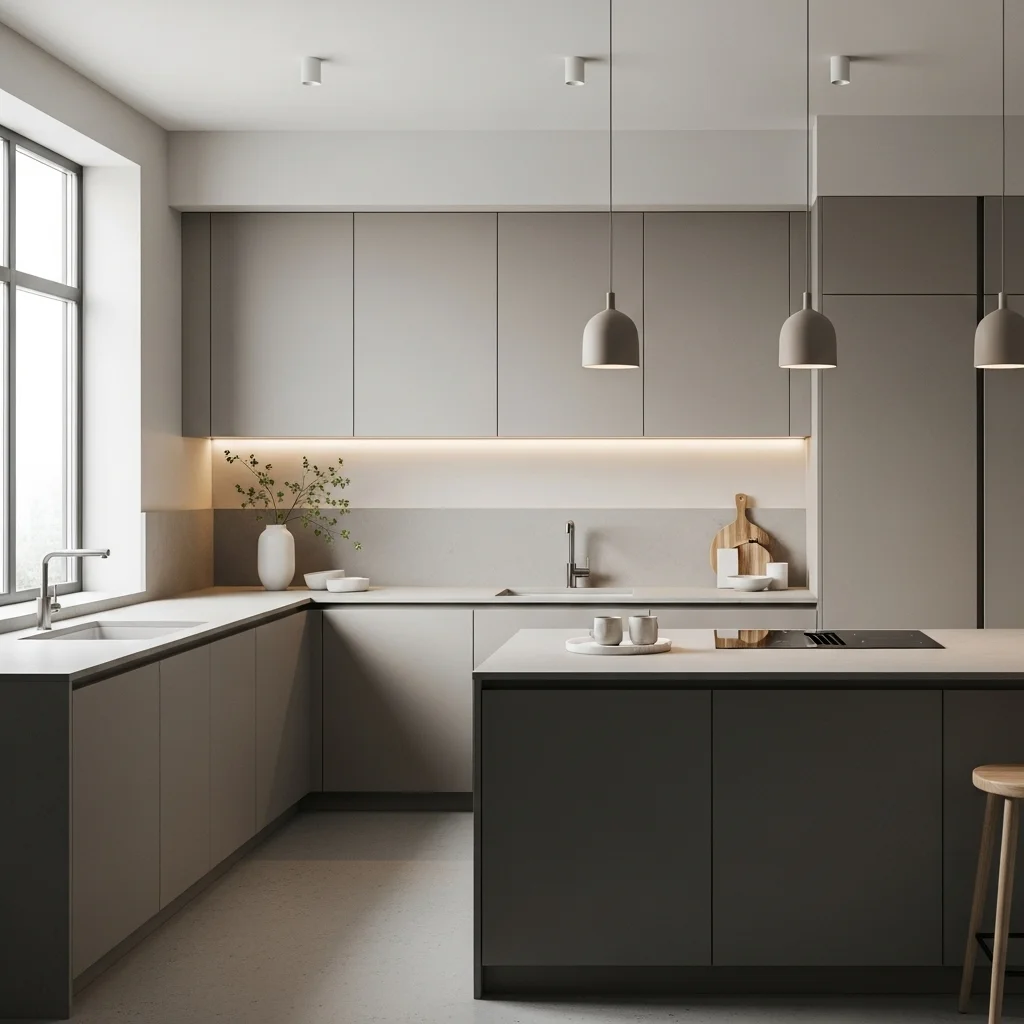
Consistency is key in an open layout, where the kitchen blends naturally with the living or dining area. Choose a cohesive color scheme that flows throughout connected spaces to keep the eye moving and maintain harmony. Neutrals like warm whites, soft grays, and beige tones are excellent for a spacious feel, but you can also introduce subtle accent colors through decor or furniture. The goal is a seamless connection that visually enlarges the home and creates a smooth transition between different zones. A unified palette keeps the open design from feeling chaotic or overly busy.
2. Add a Functional and Stylish Kitchen Island
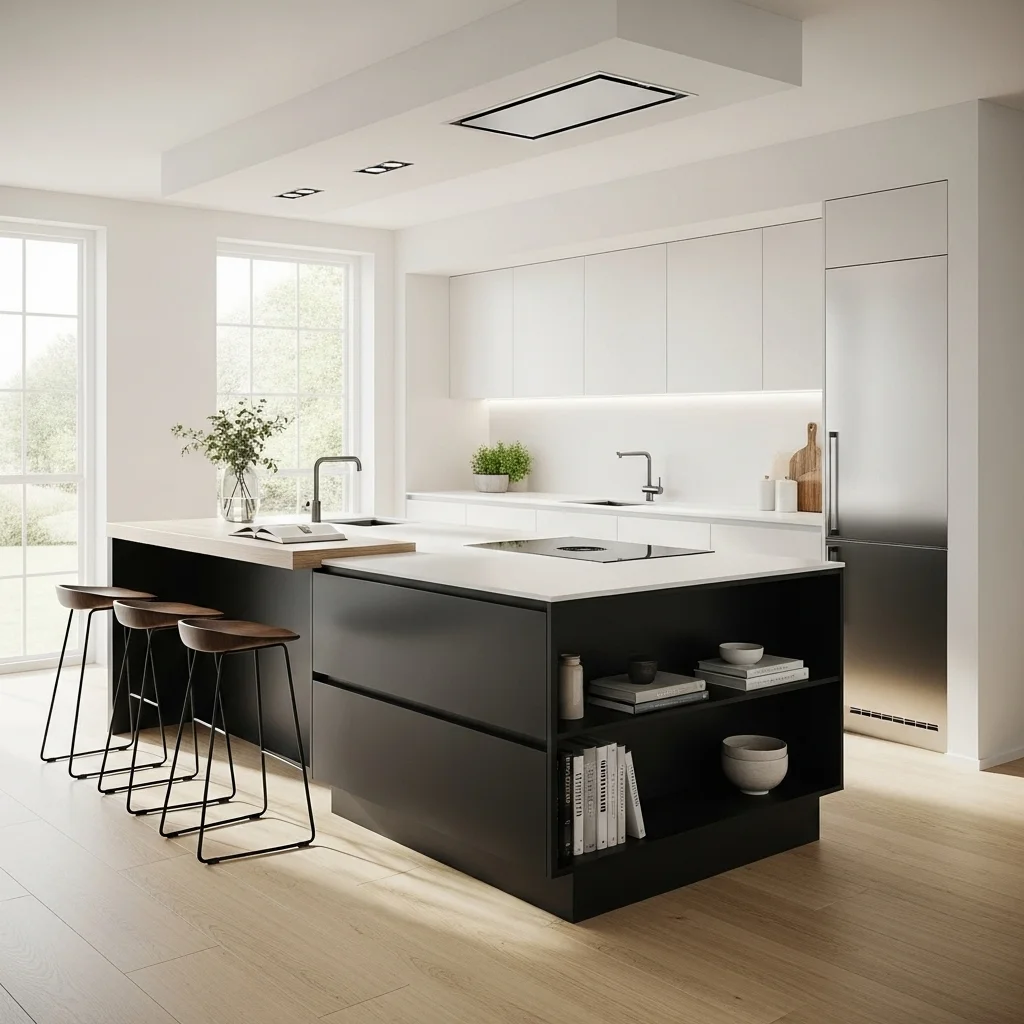
A kitchen island becomes the centerpiece of the open layout — ideal for cooking, serving, dining, and socializing all in one spot. Consider an island with built-in storage, seating, and appliances like a cooktop or wine fridge for maximum efficiency. The island helps define the kitchen zone without adding barriers, creating both structure and openness. The size and shape should suit the room’s proportions and allow comfortable traffic flow. Whether modern and sleek or rustic with warm textures, a well-designed island enhances both style and practicality.
3. Maximize Natural Light with Open Sightlines
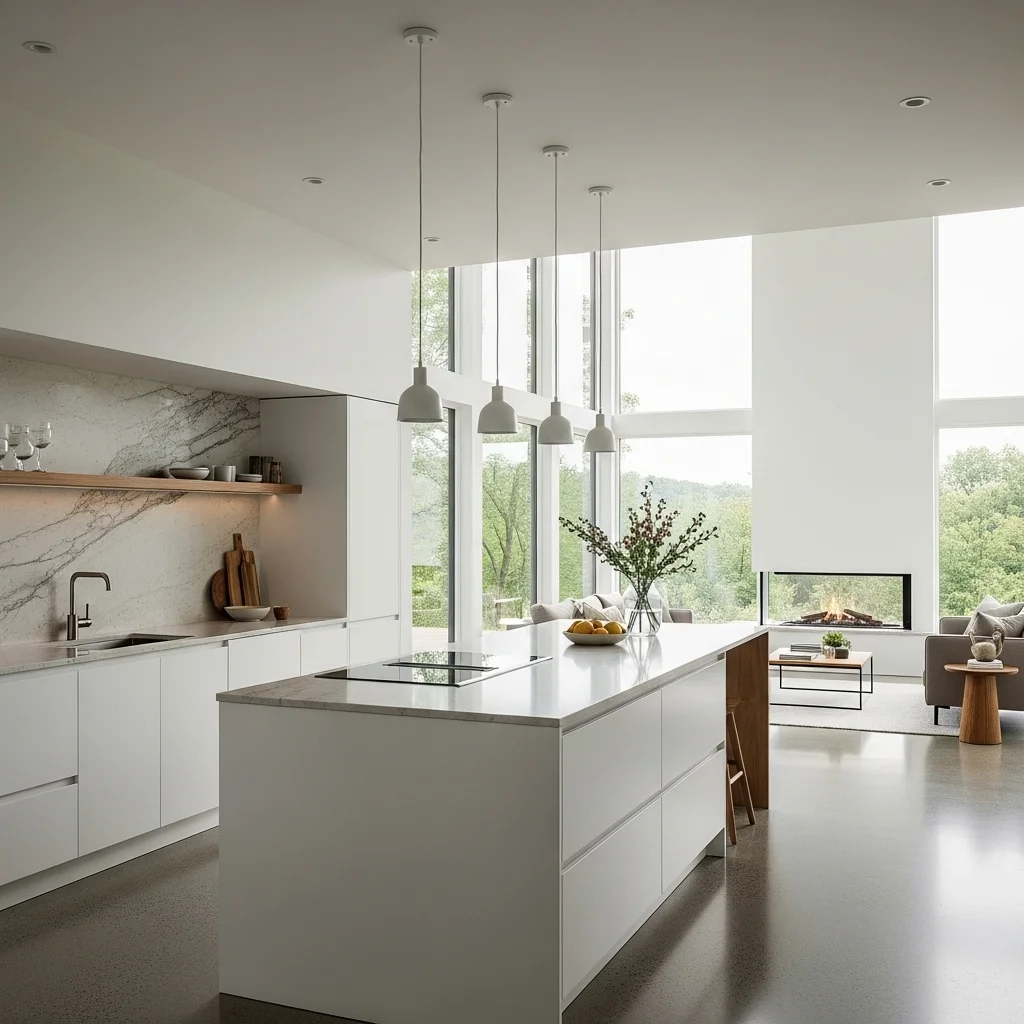
One of the biggest advantages of open kitchens is the abundance of natural light that flows freely across the space. Removing upper cabinets along a wall, expanding windows, or opening a wall to the living room brightens the entire area. Light reflects off smooth surfaces like quartz countertops, glass pendants, and glossy backsplashes to make the kitchen feel even larger. Position seating or prep zones near windows to enjoy daylight as you cook or dine. Light enhances mood and makes the kitchen welcoming throughout the day.
4. Use Flooring to Create Flow
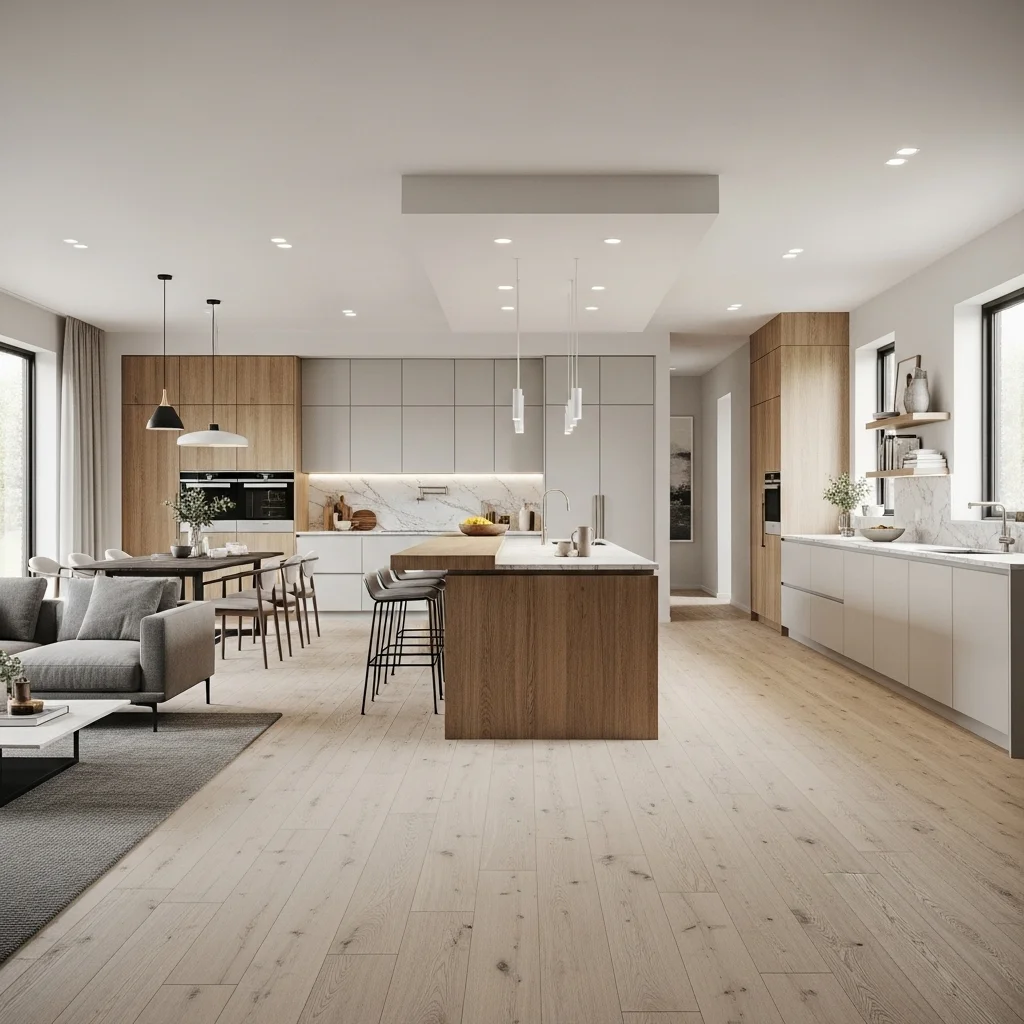
Flooring plays a powerful role in visually connecting a kitchen to adjoining spaces. Continuous flooring — such as hardwood, luxury vinyl planks, or large tiles — removes visual breaks and enhances the open, spacious feel. If you want subtle zoning, try area rugs or pattern shifts near the dining or lounge area while keeping the same material. Durable, moisture-resistant surfaces ensure longevity in busy family kitchens. The right flooring ties the whole space together while adding warmth and cohesive style.
5. Add Statement Lighting Above Key Areas
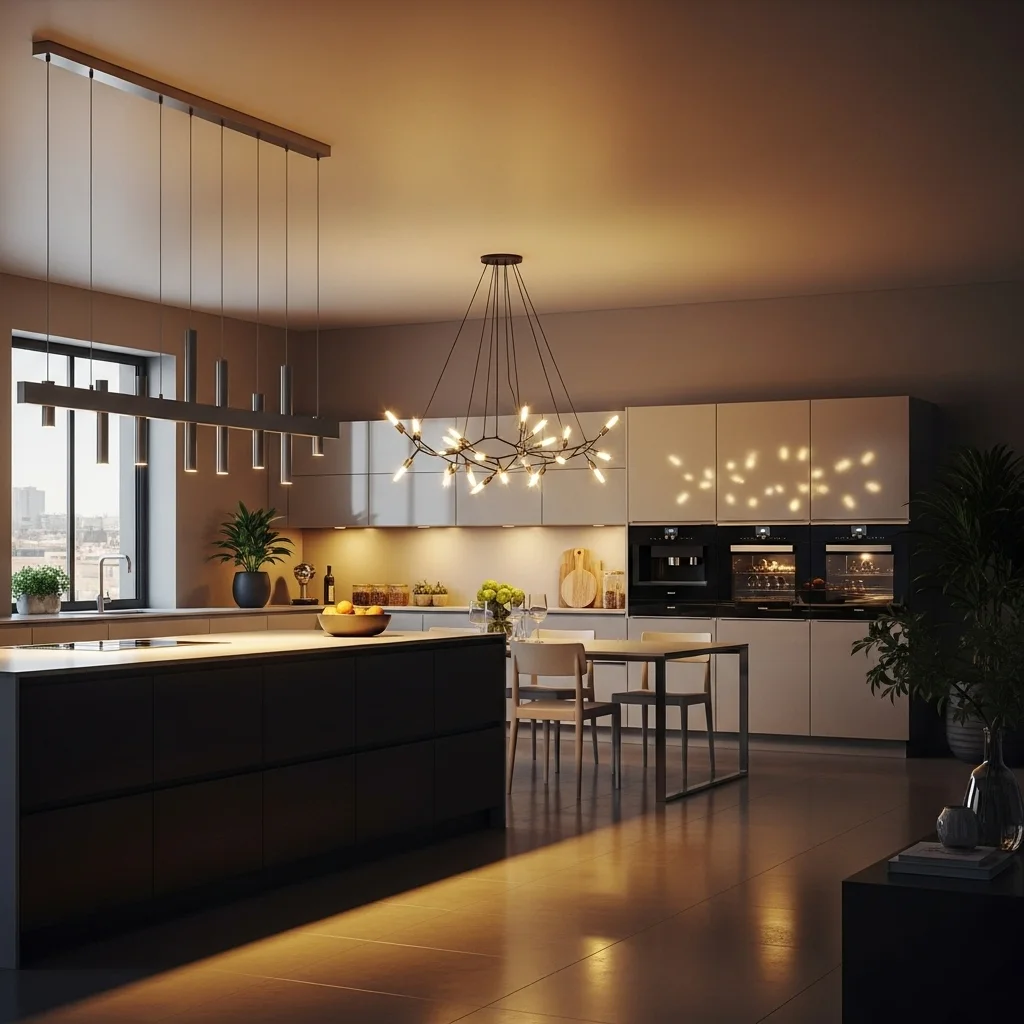
Lighting isn’t just functional — it helps define zones without closing off the space. Pendant lights above the island or dining area draw attention and provide essential illumination. Recessed lighting keeps ceilings clean and unobstructed throughout the kitchen space. Dimmers offer flexibility, allowing you to shift from bright cooking mode to soft, cozy ambiance when entertaining. Choosing lighting fixtures that complement surrounding furniture and decor helps unify the open layout, making the entire space feel thoughtfully designed and beautifully balanced.
Read also. 25 Beige Kitchen Ideas to Try
6. Incorporate Open Shelving for Airy Style
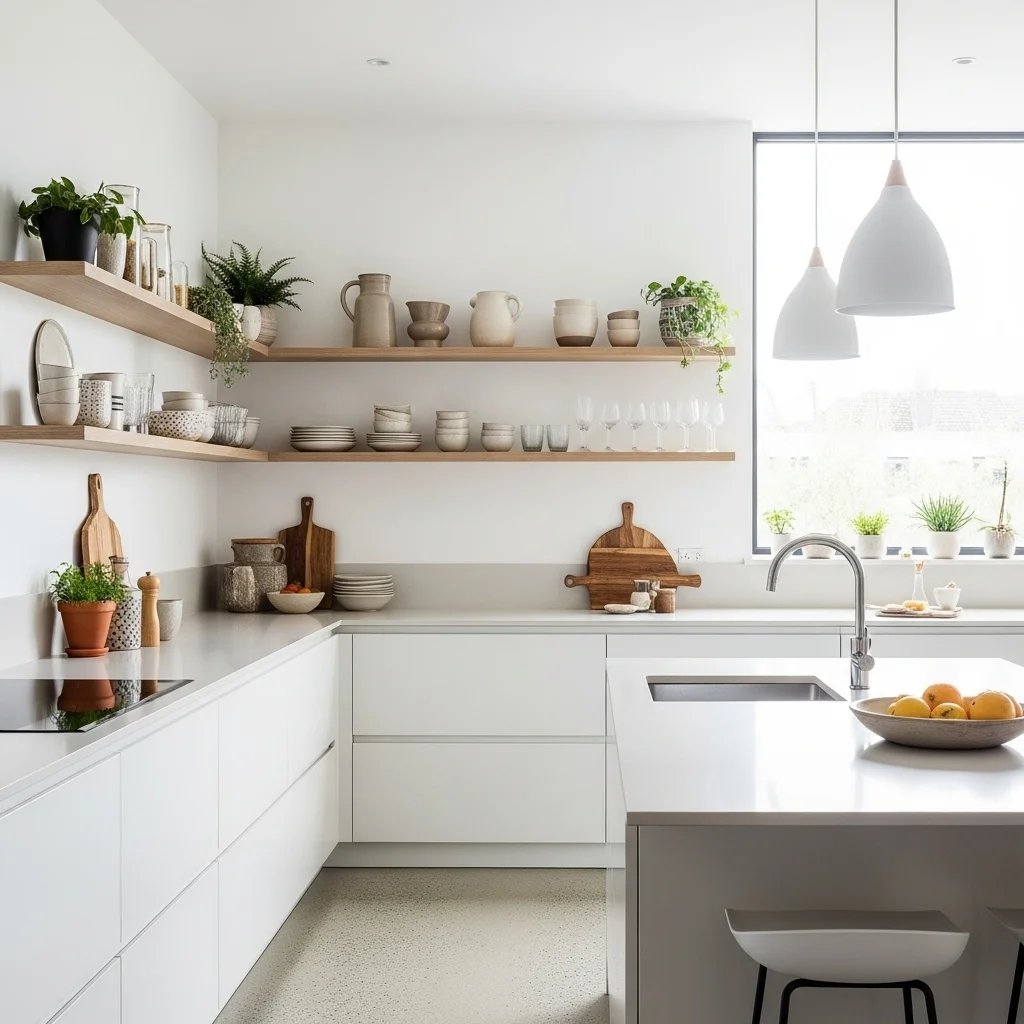
Open shelving enhances the spacious feeling in an open kitchen by replacing bulky upper cabinets with lighter visual structure. It allows you to display attractive dishware, glassware, or decorative accents that tie into the style of the adjoining rooms. To keep the look fresh and tidy, pair open shelves with lower cabinets for hidden storage. Choose durable materials like wood, glass, or metal brackets that complement your overall theme. The key is styling shelves with intention so the kitchen remains airy and organized rather than cluttered.
7. Add Seamless Integrated Appliances

In an open layout, appliances are always on display — so choosing integrated or panel-ready designs keeps the kitchen looking sleek and refined. Built-in refrigerators and hidden dishwashers blend into the cabinetry, reducing visual distractions and maintaining a streamlined look. Even small changes like selecting a flush cooktop or wall ovens help keep the space elegant and modern. These upgrades ensure the kitchen remains functional for everyday cooking while still complementing surrounding décor and furniture in a connected living environment.
Read also. 20 Kitchen design Colors That Designers Swear By
8. Create Defined Zones for Cooking, Dining, and Relaxation
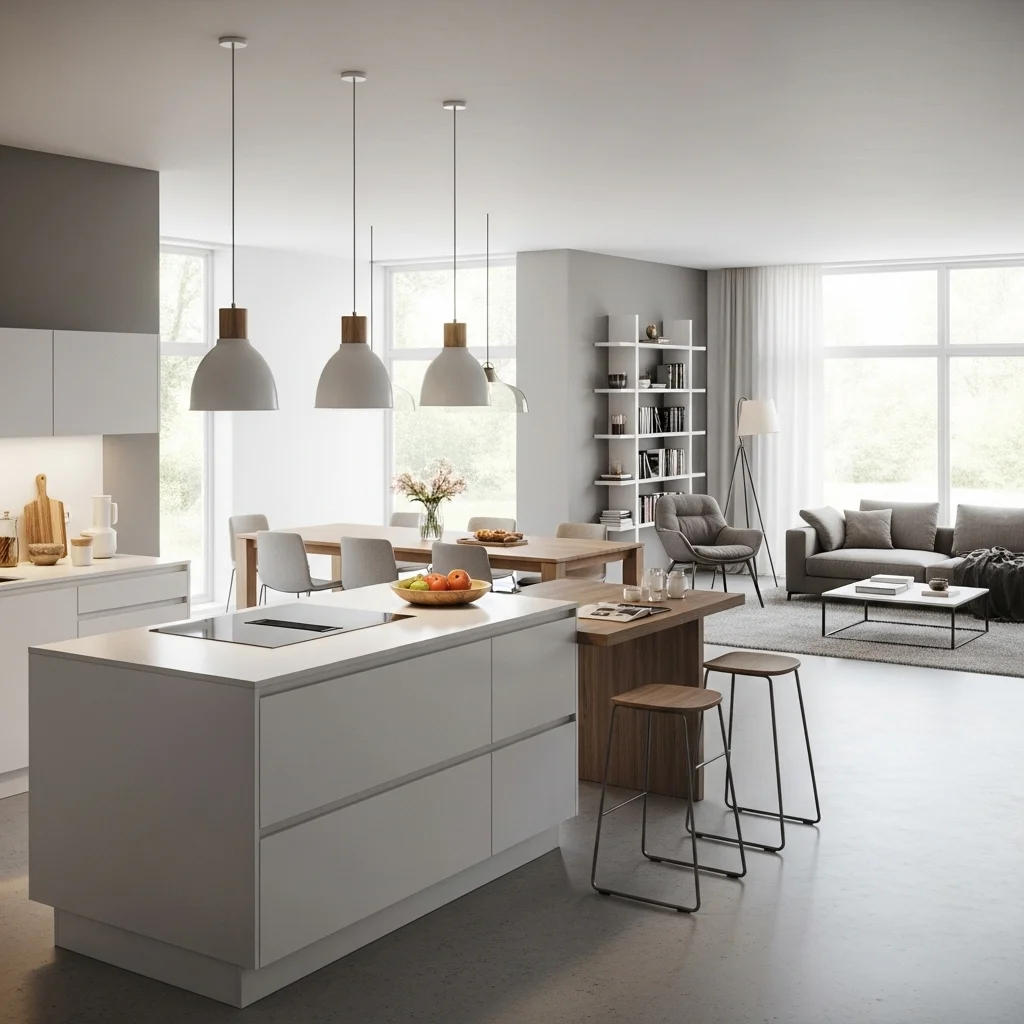
Open kitchens thrive on flow, but clear zoning prevents the space from feeling too blended. Use furniture placement, area rugs, or lighting changes to distinguish different activity areas. The cooking zone should remain efficient and close to storage, while the dining space can feature cozy seating connected visually to the living room. Even subtle distinctions — such as a different backsplash material or change in wall decor — help maintain organization. Defined zones ensure the kitchen serves multiple purposes without losing its clarity and comfort.
9. Choose Sleek, Low-Profile Cabinetry
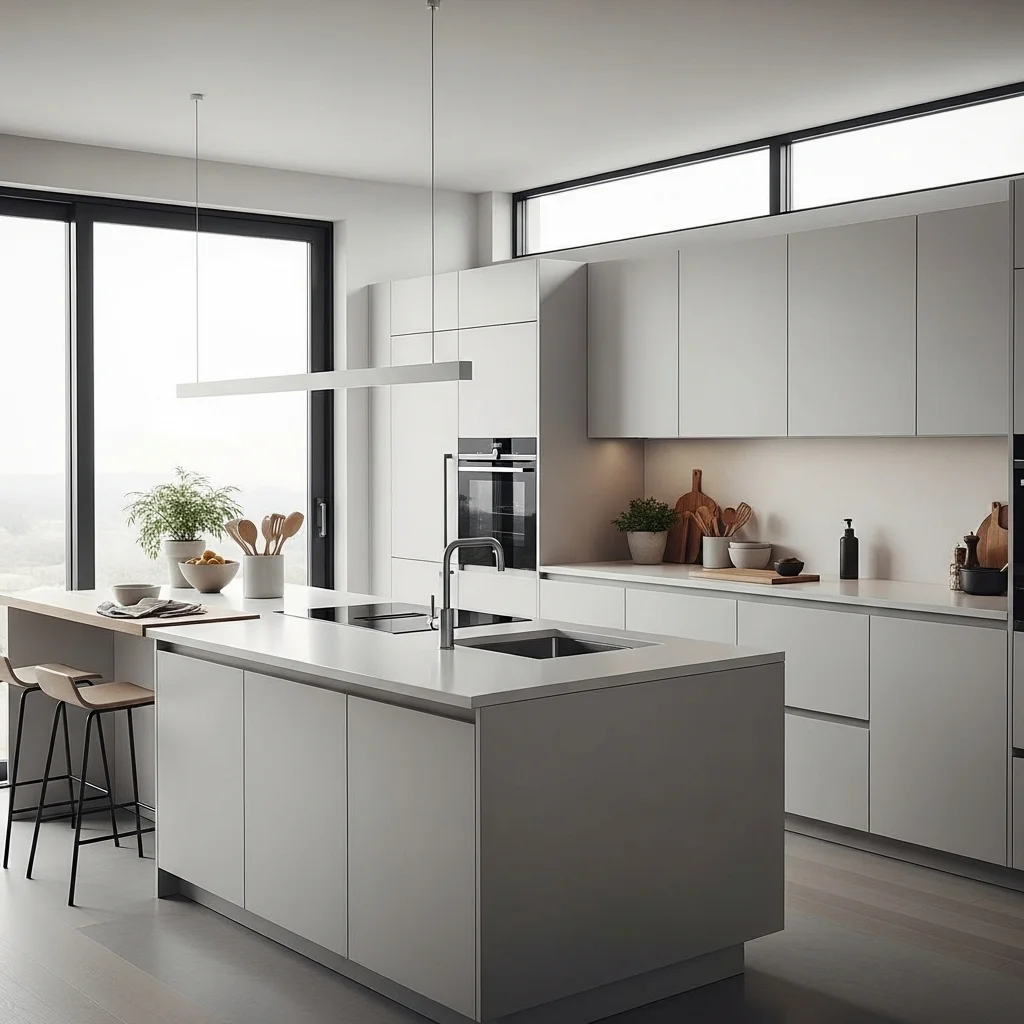
Cabinetry plays a significant role in creating a clean, open environment. Flat-panel or slab cabinet doors offer modern simplicity, while light finishes reflect brightness throughout the home. Handle-less designs or slim hardware contribute to a polished, streamlined look that avoids overwhelming the eye. Choosing cabinetry that stretches vertically creates additional storage while elongating the room visually. Minimalist, low-profile cabinets enhance the open concept by allowing the architecture and furnishings to shine without unnecessary distraction.
10. Add a Multi-Purpose Dining Space
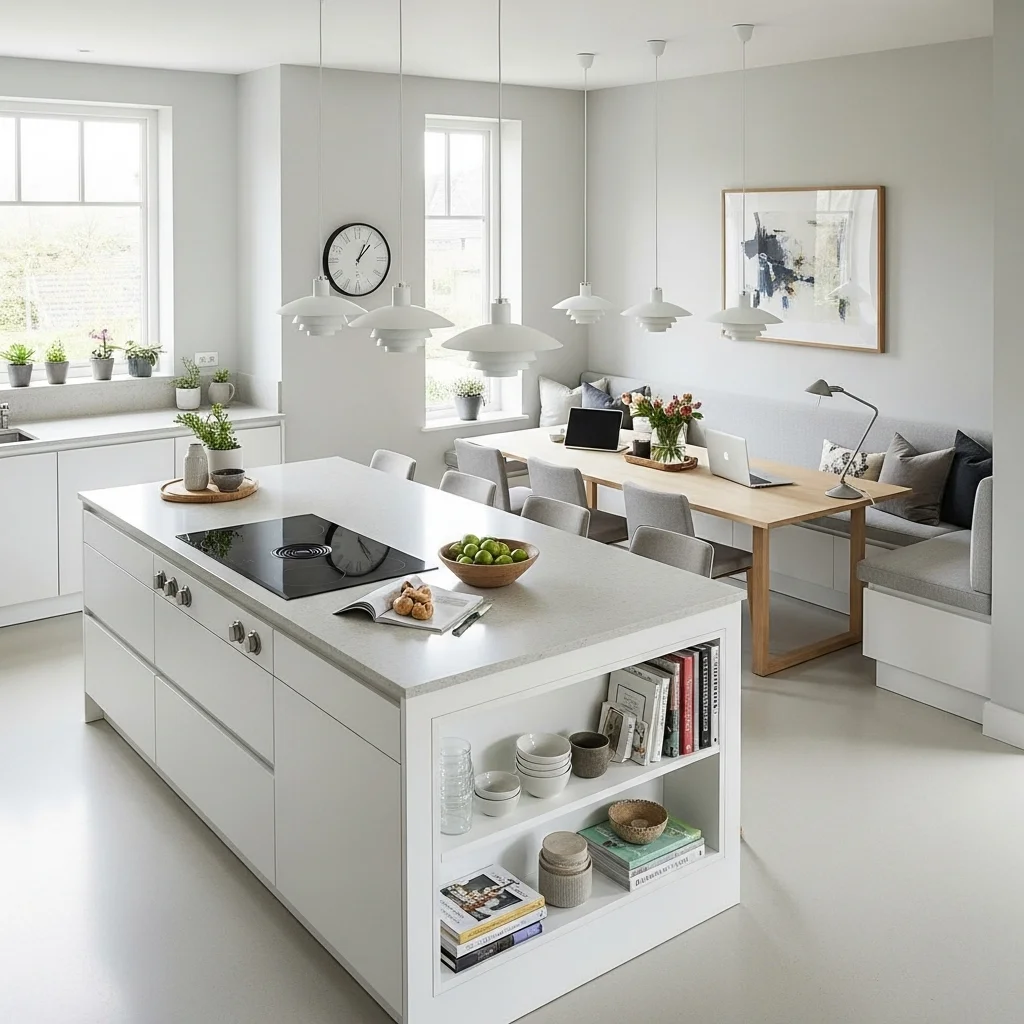
Whether it’s a built-in banquette, an extended island, or a full dining table, the dining space in an open kitchen should feel welcoming and versatile. Comfortable seating encourages lingering after meals, while durable materials ensure longevity for everyday use. Integrate colors or textures from the living area to keep the entire space cohesive. As homes increasingly blend cooking and gathering spaces, a well-designed dining area creates a warm social hub, perfect for family dinners, casual breakfasts, or entertaining friends.
11. Add a Stylish and Functional Backsplash
In an open kitchen, the backsplash becomes a visible design feature that can elevate the entire shared space. Choose materials like glossy subway tiles, marble, textured stone, or even metal finishes to add depth and personality. Extend the backsplash higher up the wall or behind open shelves to create impact and continuity. Since it’s always in view from multiple angles, select a style that complements furniture and décor beyond the kitchen boundaries. A thoughtfully chosen backsplash adds both protection and beauty without overwhelming the open layout.
12. Upgrade to Modern Smart Storage
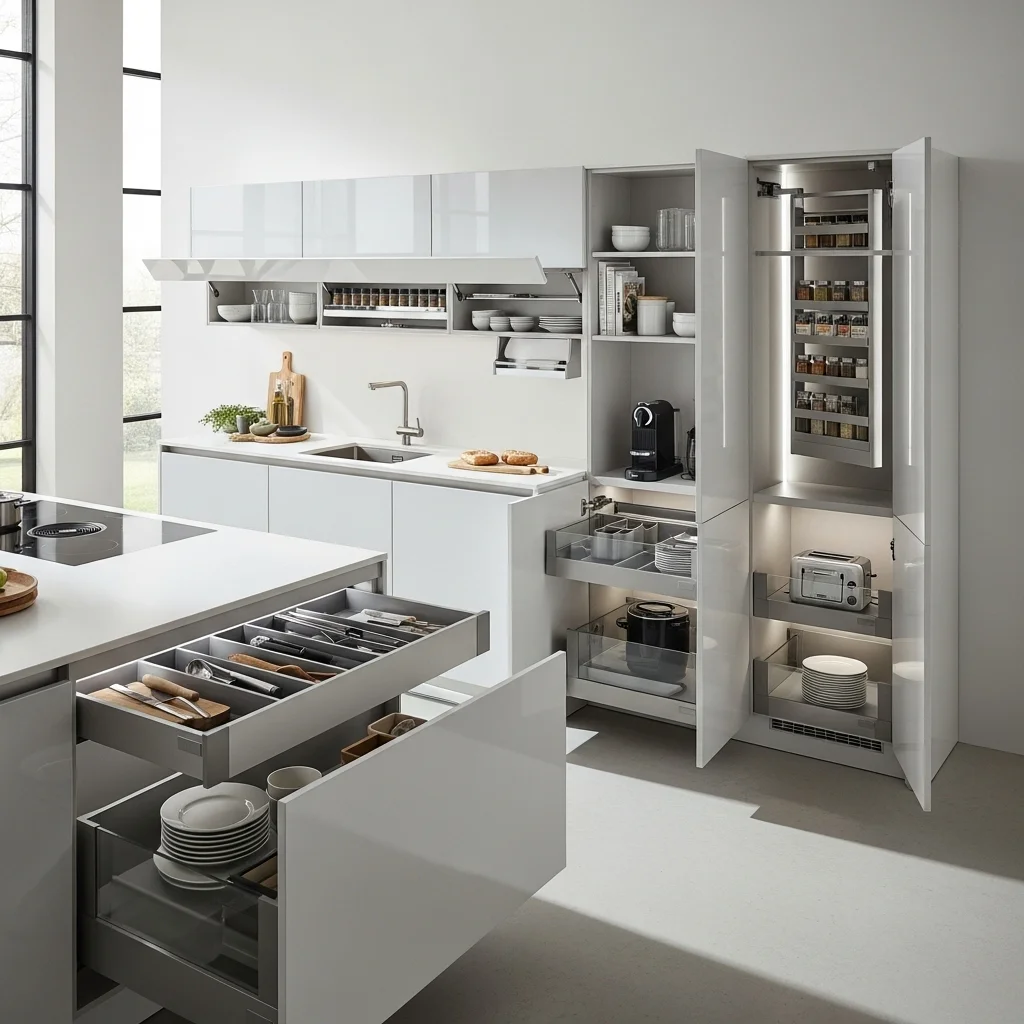
A clutter-free open kitchen is essential since everything remains within sight. Smart organizational features such as pull-out pantry drawers, corner carousels, and appliance garages keep countertops clear and essentials easy to reach. Toe-kick drawers, dividers for utensils, and vertical tray storage maximize space without compromising aesthetics. Concealed storage ensures a neat, polished look, while still supporting daily functionality. With intelligent organization, the open concept feels spacious, calm, and highly efficient.
13. Introduce Warm, Natural Materials
To prevent an open kitchen from feeling too sterile or industrial, incorporate organic textures that soften the space. Wood cabinets, butcher block accents, woven bar stools, or natural stone counters add warmth and a lived-in charm that connects seamlessly with living areas. Plants bring freshness and color, enhancing the connection between indoor and outdoor elements. The mix of natural materials keeps the design inviting and grounded, perfect for a space where family and friends love to gather.
14. Maintain Comfortable Noise and Air Control
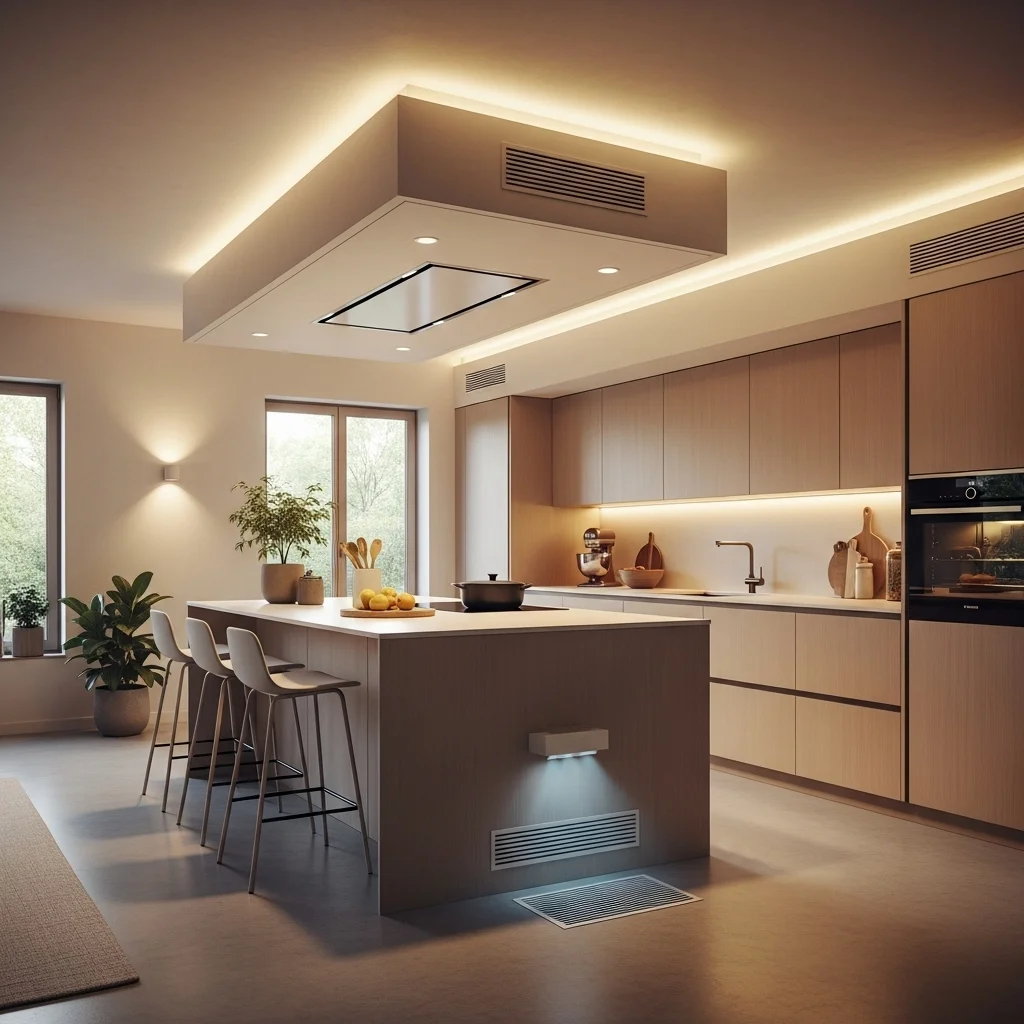
Open kitchens often mean sound and smells travel more freely — so renovation planning should include ventilation and acoustic improvements. A powerful yet quiet range hood helps remove smoke and cooking odors before they spread. Soft furnishings like rugs and curtains in adjoining areas improve sound absorption, reducing echo in large open spaces. These subtle upgrades ensure comfort for everyone, whether someone is cooking or others are relaxing nearby. Effective control keeps the openness enjoyable without compromising daily convenience.
15. Incorporate Multi-Level Countertops
Multi-level countertops add both functionality and visual interest to an open kitchen. A higher bar-level surface can serve as a casual dining area or conversation spot, while a lower level provides a dedicated workspace for cooking and food prep. Different countertop heights also help define zones without physical barriers. Choose materials that complement the kitchen’s overall design, such as matching quartz or contrasting wood finishes, to enhance style while maintaining seamless flow between cooking and social areas.
16. Add Statement Open Shelving or Display Units

Open shelving or display units not only provide storage but also act as design statements in an open kitchen. Glass-fronted cabinets or floating shelves allow you to showcase dishware, cookbooks, or decorative items, adding personality to the space. Keep styling consistent and organized to maintain a clean look. Strategic placement of these shelves can frame key kitchen areas, highlighting the island or sink while integrating the kitchen visually with the living and dining spaces.
17. Upgrade Lighting With Layered Options
Layered lighting is essential in open kitchens to combine task, ambient, and accent lighting effectively. Pendant lights over the island, recessed ceiling lights for general illumination, and under-cabinet lights for workspaces create balance and flexibility. Dimmable controls allow you to shift the atmosphere from bright and energetic during cooking to cozy and inviting during meals or entertaining. Well-planned lighting enhances functionality while emphasizing architectural and decorative features in the open space.
18. Incorporate Flexible Seating Solutions
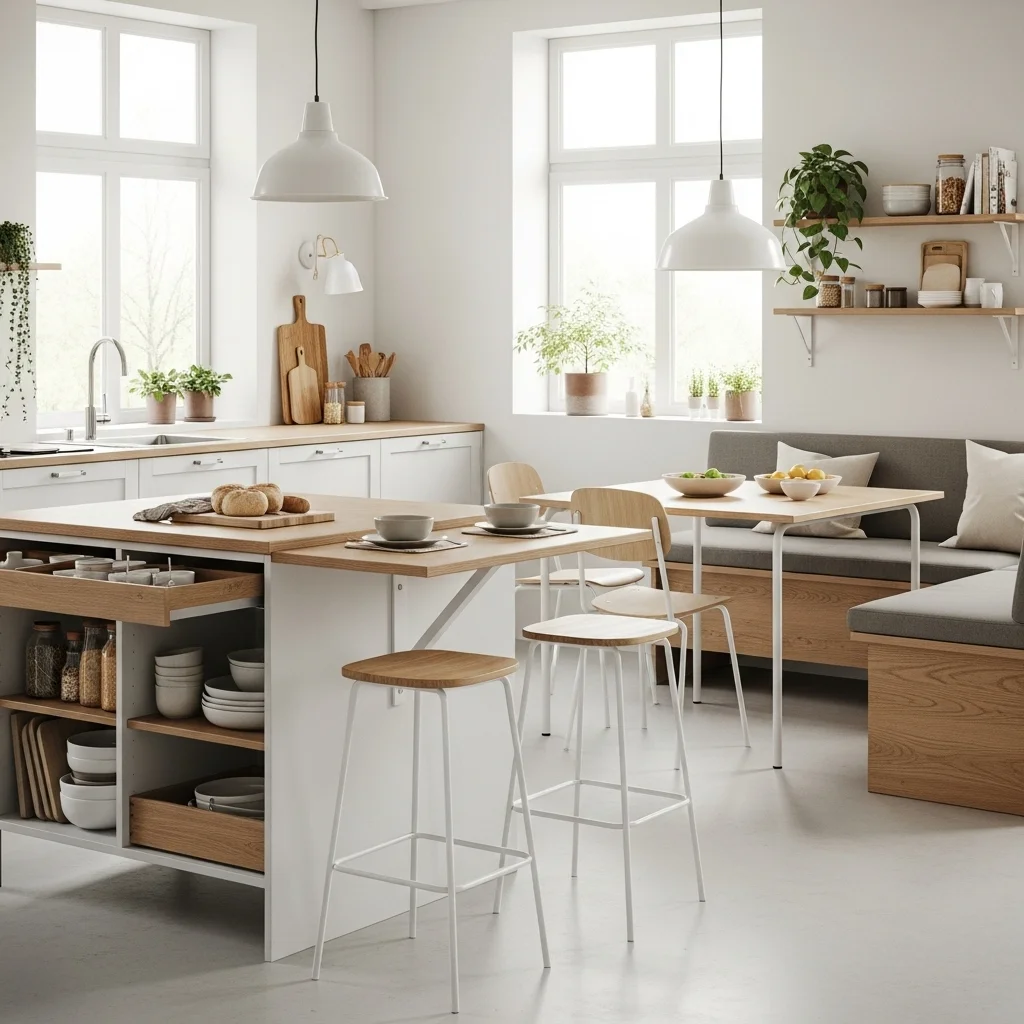
Seating in an open kitchen should be versatile and comfortable, supporting both casual family meals and social gatherings. Consider movable stools at the island, a built-in banquette with storage, or a dining table that can extend when needed. Choose durable materials that withstand heavy use while complementing the overall kitchen design. Flexible seating allows the space to adapt to different occasions, ensuring the kitchen remains functional, inviting, and at the center of daily life and entertaining.
Final Thoughts
Open kitchen renovations are a fantastic way to enhance both the beauty and functionality of your home. By combining seamless layouts, smart storage, and stylish design elements, you create a space that invites social interaction while maintaining efficiency for daily cooking. Thoughtful choices in lighting, materials, and zoning allow the kitchen to serve as a central hub for family life, gatherings, and relaxation.
Every design decision, from flooring and countertops to seating and decorative accents, contributes to a cohesive and welcoming environment. Open kitchens not only improve sightlines and lighting but also integrate with adjoining living areas, making your home feel larger and more connected. Whether you prefer sleek modern designs or warm, natural textures, these renovation ideas ensure your open kitchen is both functional and visually stunning for years to come.