18 Creative Rooftop Vegetable Garden Ideas to Grow Fresh Produce
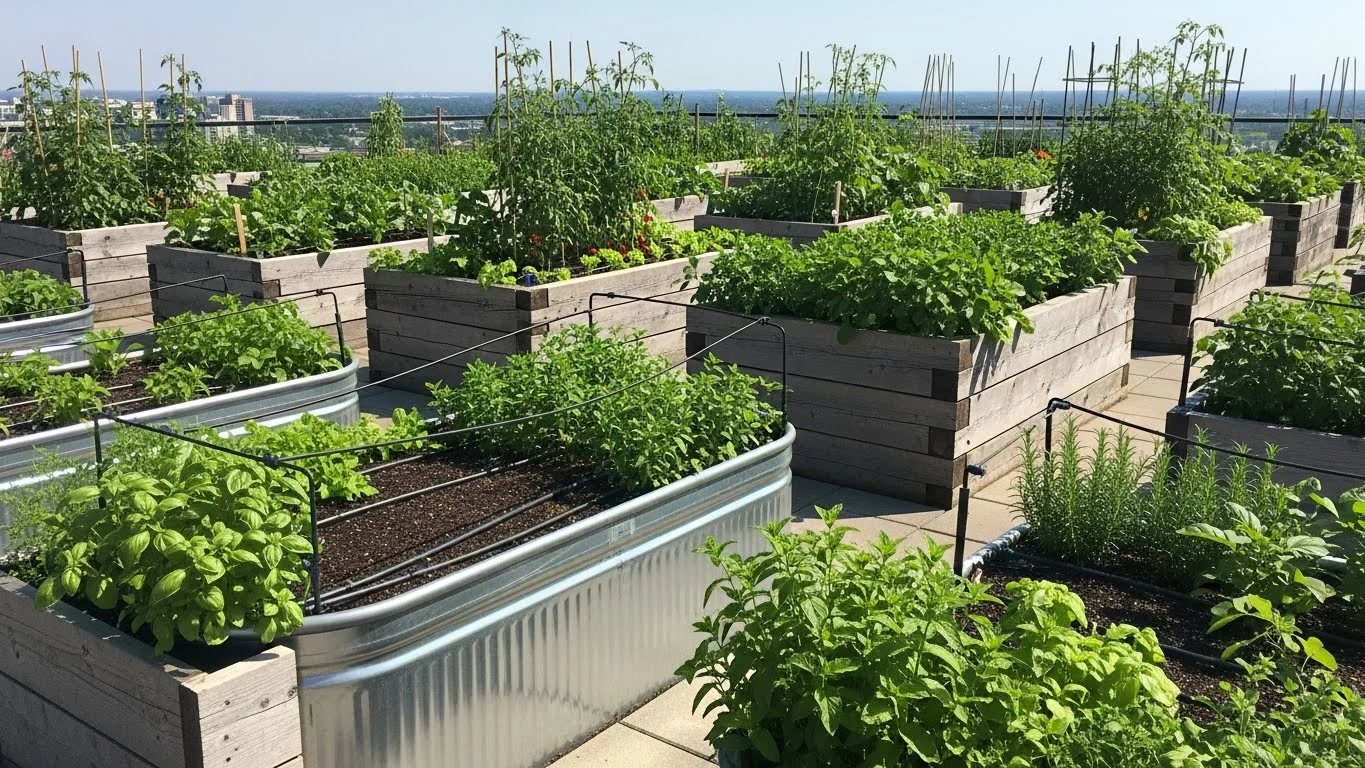
Rooftop vegetable gardens are a brilliant way to utilize urban spaces, grow fresh produce, and embrace sustainable living. They provide access to homegrown vegetables, herbs, and fruits while adding greenery to otherwise unused rooftops. Rooftop gardening also improves air quality, reduces urban heat, and creates a peaceful outdoor retreat above city life.
With thoughtful planning and design, rooftops can transform into thriving vegetable gardens, regardless of size. Using raised beds, containers, vertical planting, and trellises allows you to maximize space while maintaining accessibility and aesthetics. Growing vegetables at home encourages healthier eating habits and a deeper connection with the food you consume.
In this article, we share 18 rooftop vegetable garden ideas that combine practicality with style. Each idea includes tips on layout, container choice, plant selection, lighting, and watering strategies to help you create a productive and visually appealing rooftop garden.
1. Raised Bed Planters
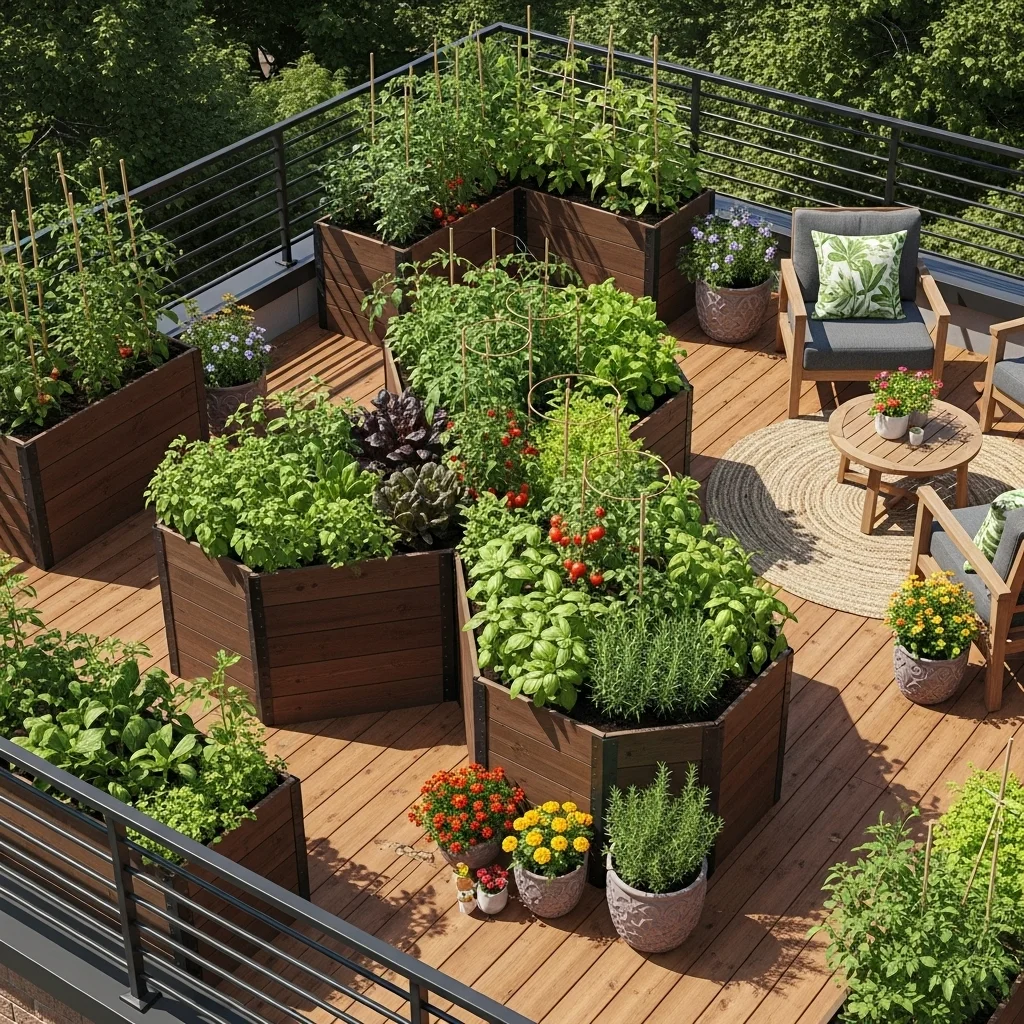
Raised bed planters make rooftop gardening efficient by providing good drainage and soil control. Use wooden or metal boxes filled with nutrient-rich soil for vegetables like tomatoes, peppers, and lettuce.
Raised beds define your garden area while allowing easy maintenance and harvesting. They prevent soil compaction and can be customized in height, width, and shape to fit your rooftop layout.
2. Container Gardening
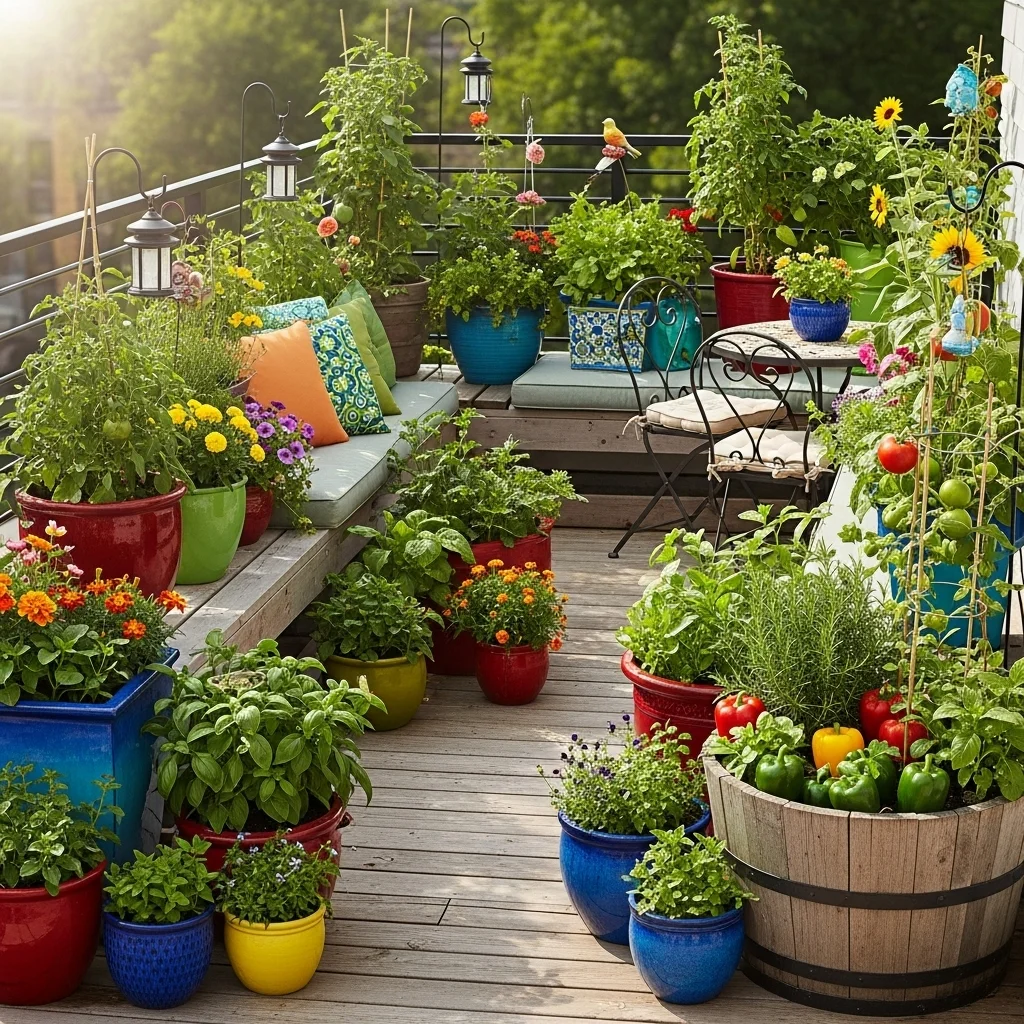
Use pots, barrels, or large containers to grow vegetables on rooftops with limited space. Containers are flexible, movable, and perfect for seasonal rotation of crops.
Select sturdy, weather-resistant containers with proper drainage. Grouping containers by plant type or sunlight requirements creates an organized and productive rooftop garden.
3. Vertical Planters
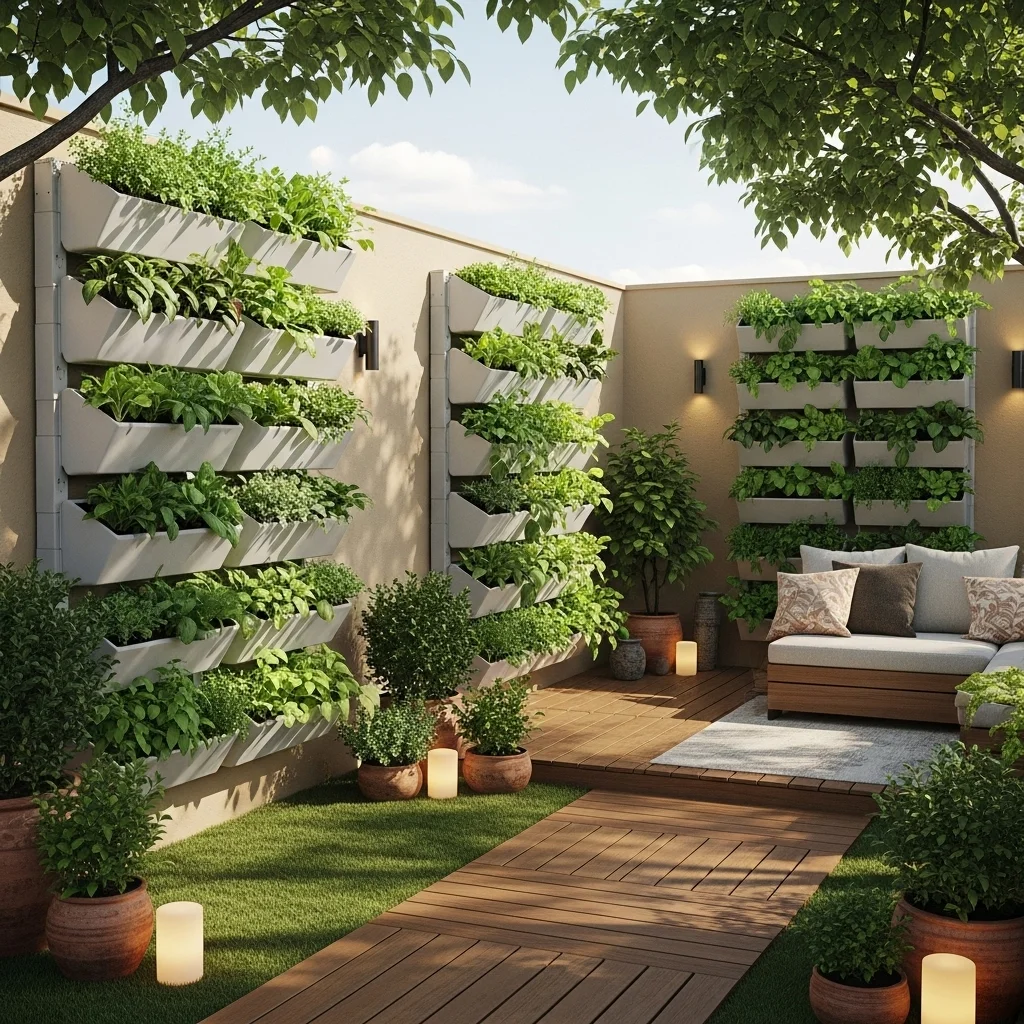
Vertical planters or wall-mounted pockets are ideal for small rooftop spaces. They allow herbs, leafy greens, and vine crops to grow upward, saving floor area.
Vertical gardens maximize space and add visual interest. Using trellises, hanging pockets, or stacked planters also improves airflow and reduces pest problems, ensuring healthy growth.
4. Hydroponic Rooftop Gardens
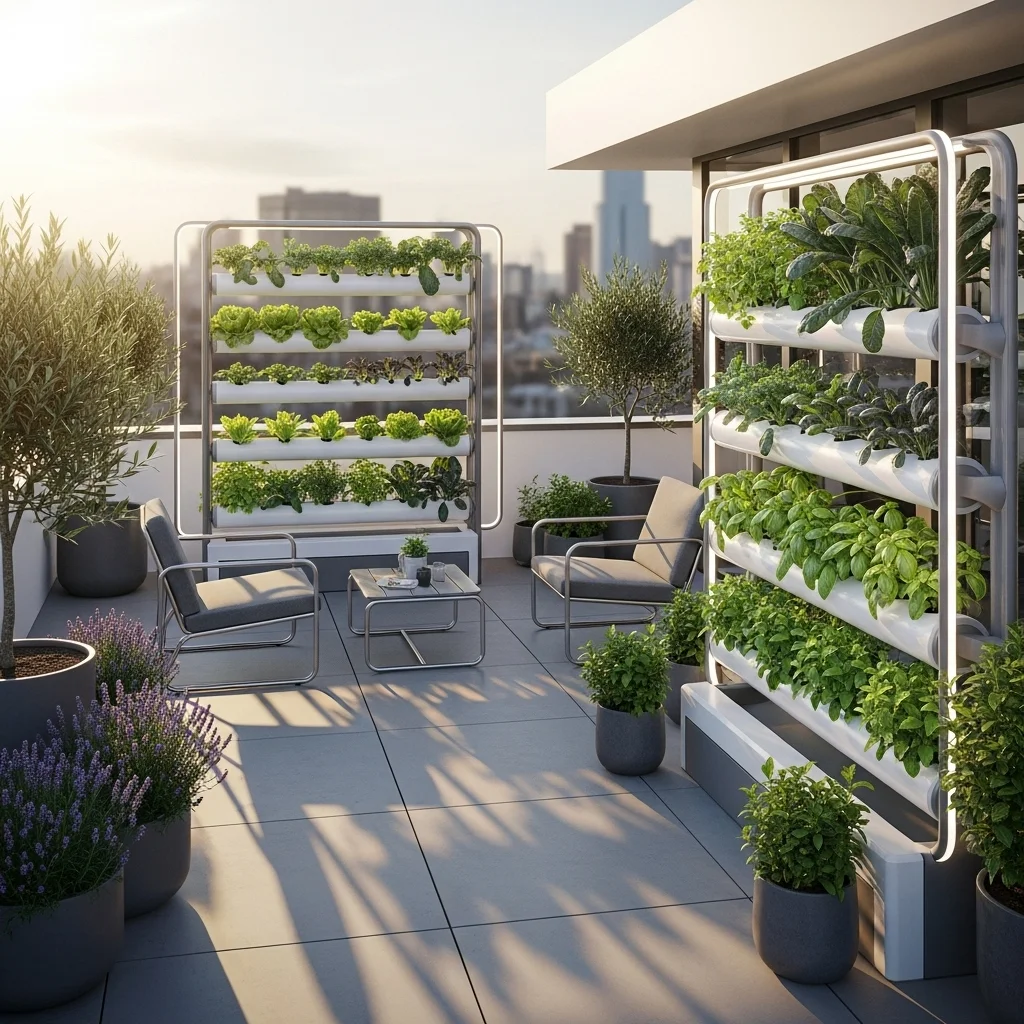
Hydroponic systems allow soil-free growth of vegetables using nutrient-rich water. They’re space-efficient and perfect for high-density rooftop gardens.
Hydroponics can support a variety of crops, including lettuce, spinach, and herbs. Automated watering and nutrient delivery reduce maintenance while ensuring high productivity and consistent harvests.
5. Herb Towers
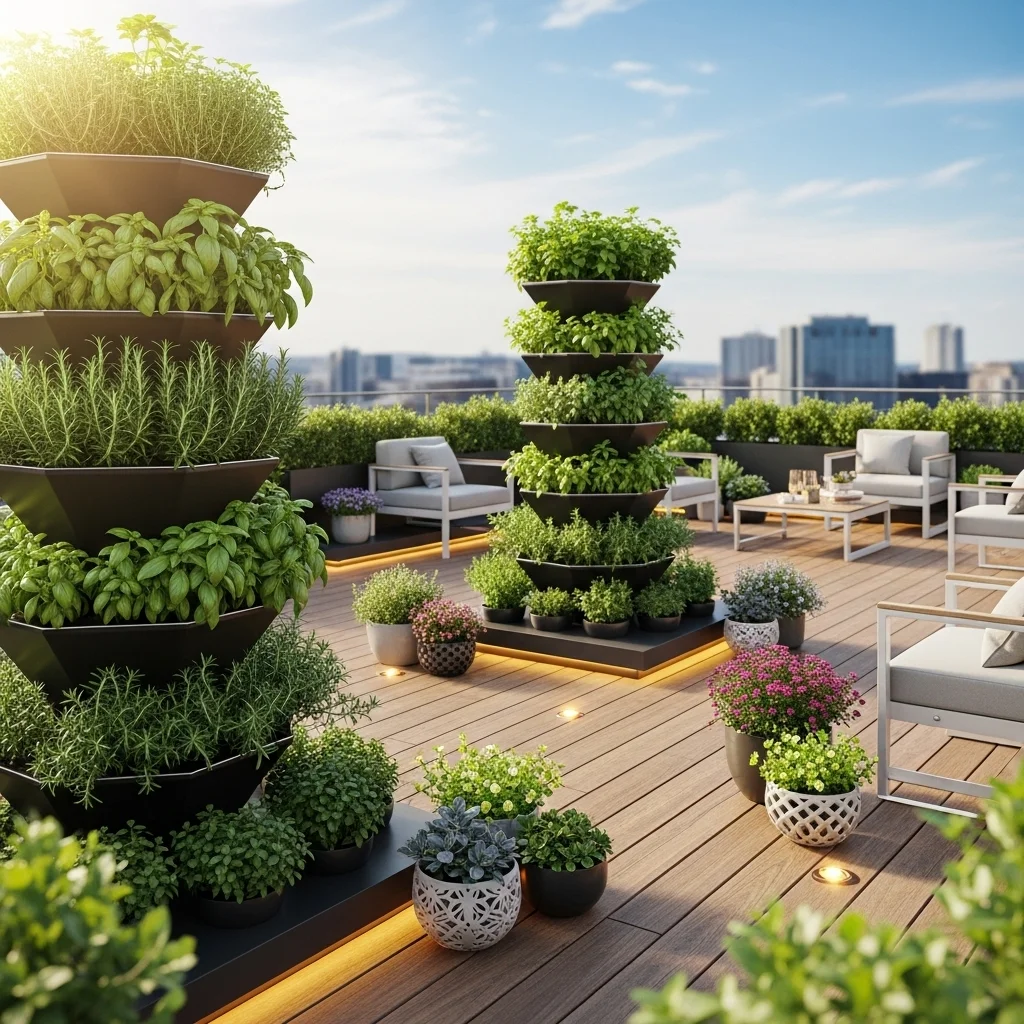
Stacked herb towers let you grow multiple herbs in vertical columns. They save space while providing easy access for culinary use.
Herb towers are decorative and functional, ideal for small rooftops or balconies. Use lightweight soil mixes and ensure proper sunlight to keep herbs thriving throughout the year.
6. Trellised Vegetable Vines
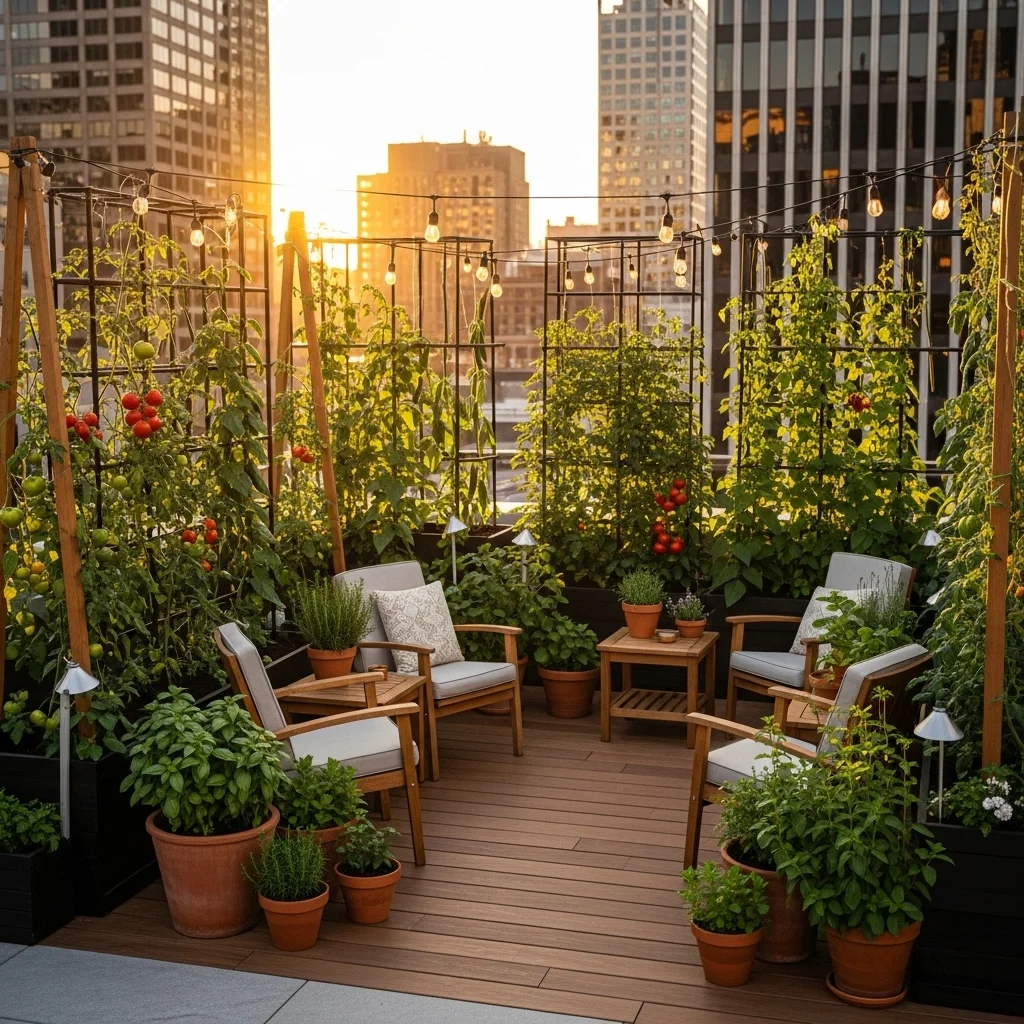
Install trellises to support climbing vegetables like beans, peas, cucumbers, and tomatoes. Vertical growth saves space and improves air circulation.
Trellises also create visual layers, turning your rooftop into a structured and attractive garden. Training vines along supports ensures higher yields and easier harvesting while keeping walkways clear.
7. Raised Planter Benches
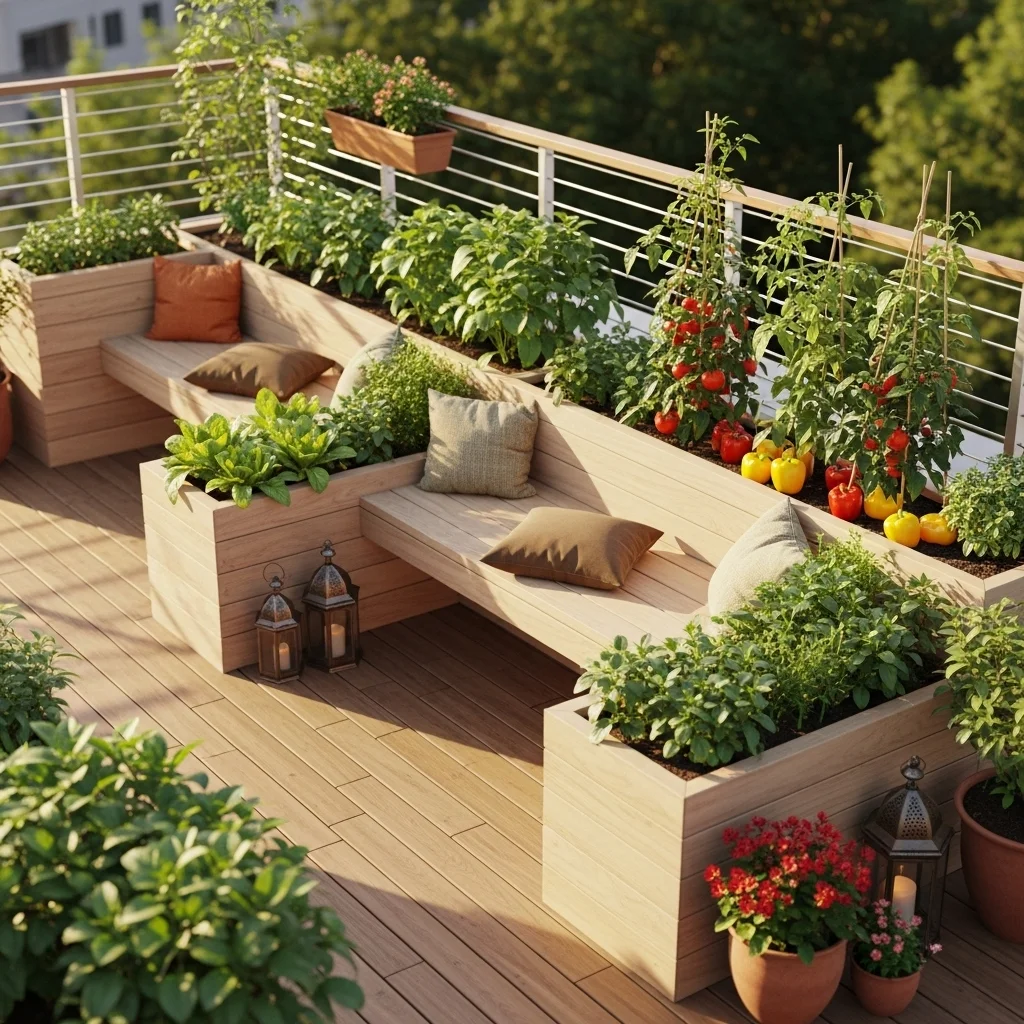
Combine seating with planter boxes to create functional raised planter benches. You can grow leafy greens or small vegetables while offering comfortable seating for relaxation.
These integrated designs maximize rooftop utility, adding style and functionality. They make harvesting convenient and provide a cozy spot to enjoy the garden, blending decor with productivity.
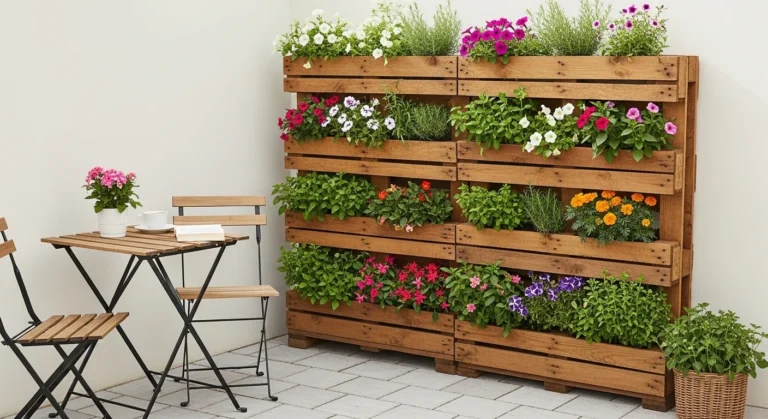
8. Pallet Gardens
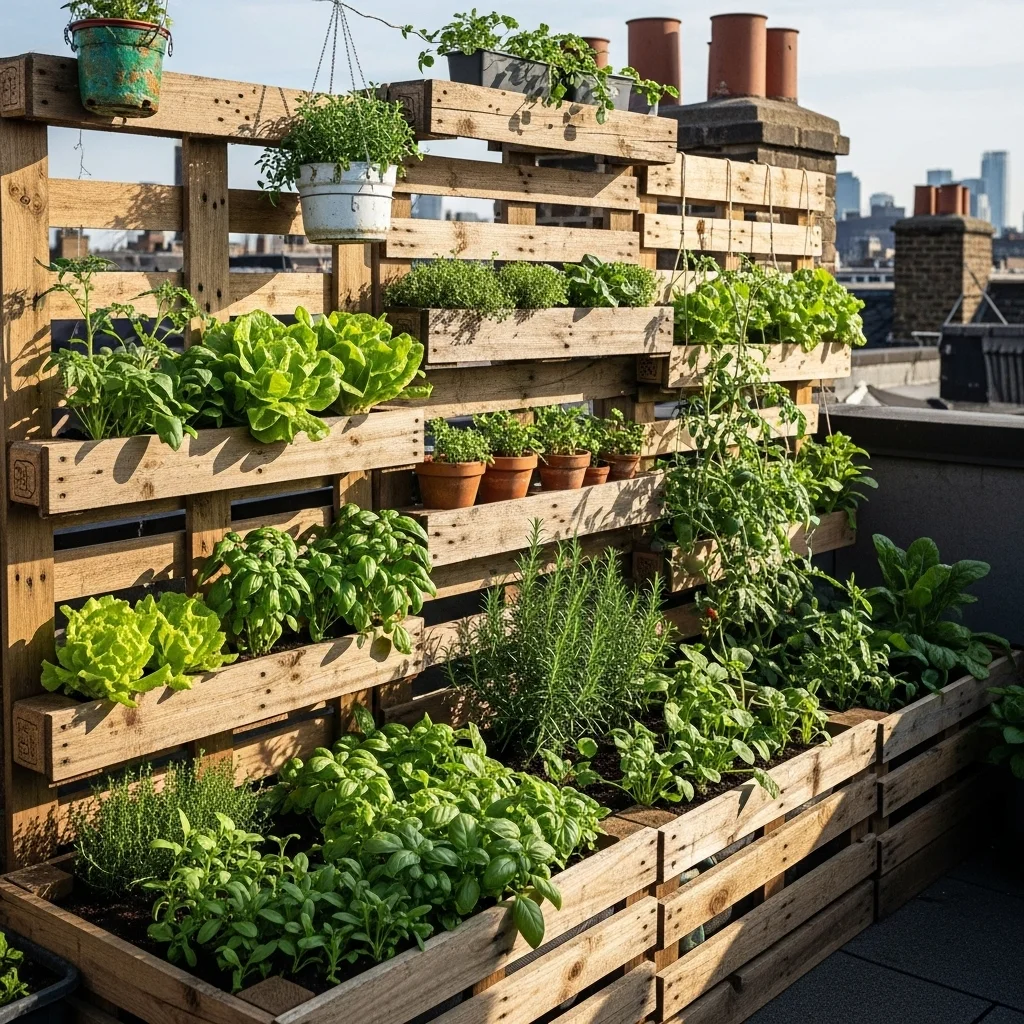
Repurpose wooden pallets as vertical or horizontal planters for rooftop vegetables. Fill pallet pockets with soil to grow herbs, lettuce, or small fruiting plants.
Pallet gardens are cost-effective, eco-friendly, and flexible. They can be moved, stacked, or mounted against walls to save floor space while adding rustic charm to the rooftop garden.
9. Hanging Basket Gardens
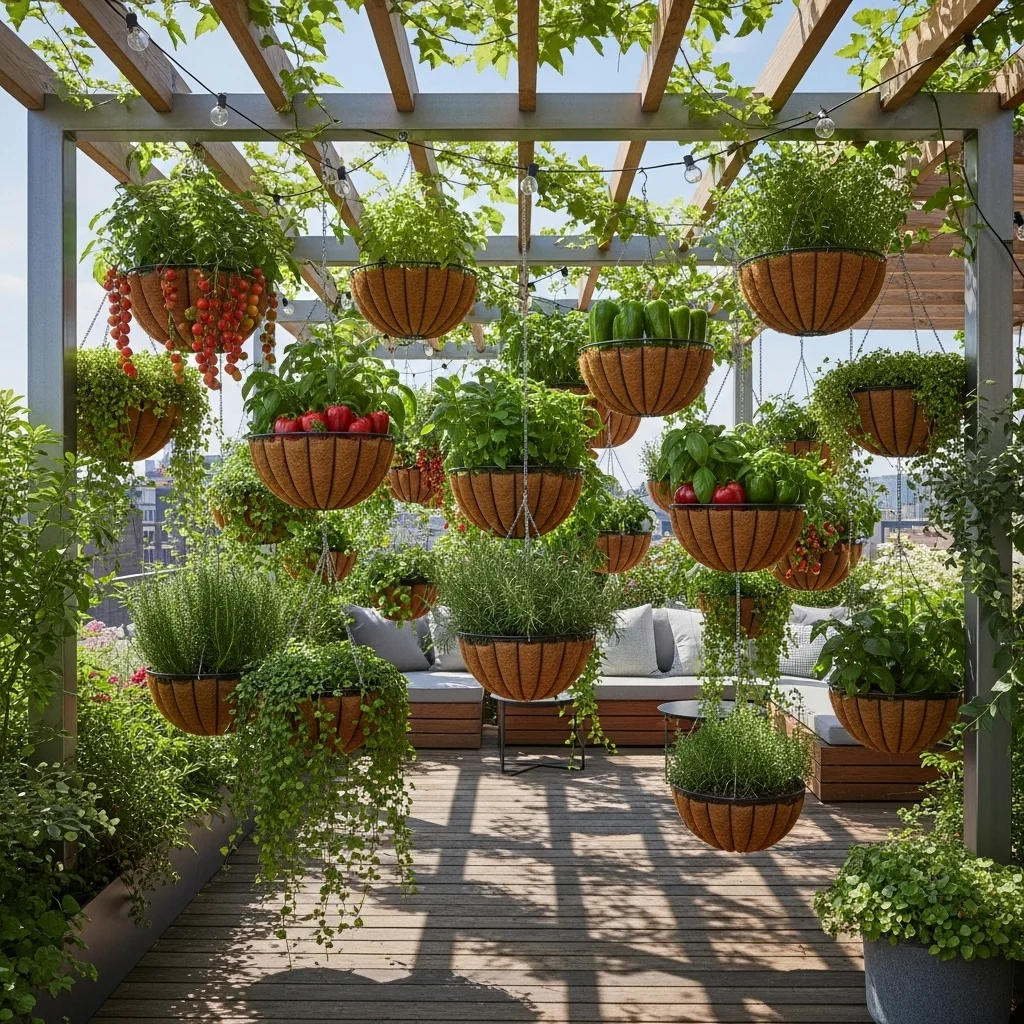
Grow small vegetables like cherry tomatoes, strawberries, or herbs in hanging baskets. They make use of overhead space and keep plants off the ground.
Hanging gardens create layers of greenery, improving aesthetic appeal. They are easy to water and maintain and help protect plants from pests while providing charming vertical interest.
10. Companion Planting in Containers
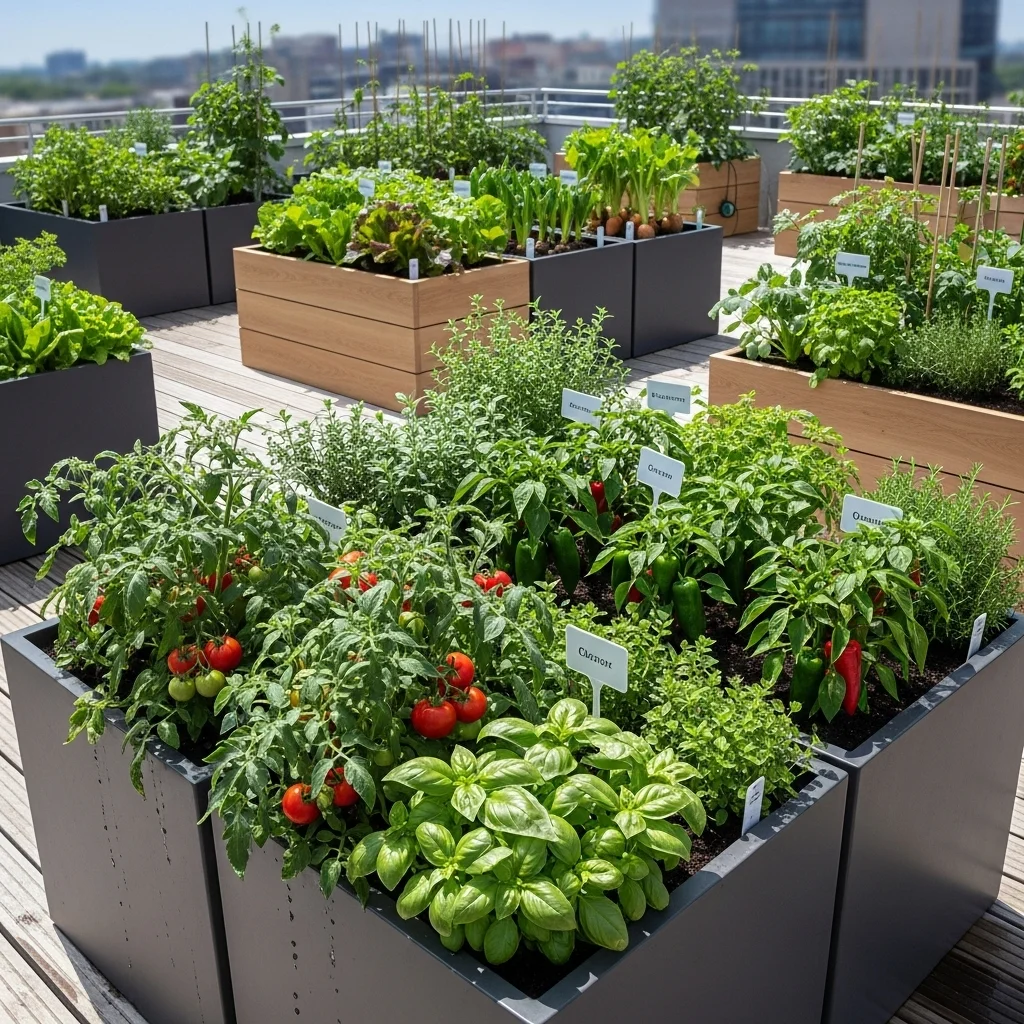
Plant complementary vegetables together in containers to maximize space and improve growth. For example, tomatoes and basil or carrots and onions thrive when paired.
Companion planting reduces pests, encourages pollination, and increases yield. Grouping plants strategically in containers optimizes sunlight exposure and makes the rooftop garden highly productive and visually appealing.
11. Container Raised Beds with Drip Irrigation
Integrate drip irrigation into container raised beds to provide consistent watering for rooftop vegetables. This reduces manual labor and ensures plants receive optimal moisture.
Drip systems prevent overwatering, improve growth, and conserve water. Pairing efficient irrigation with container gardening boosts productivity and keeps the rooftop garden low-maintenance.
12. Balcony Edge Planters
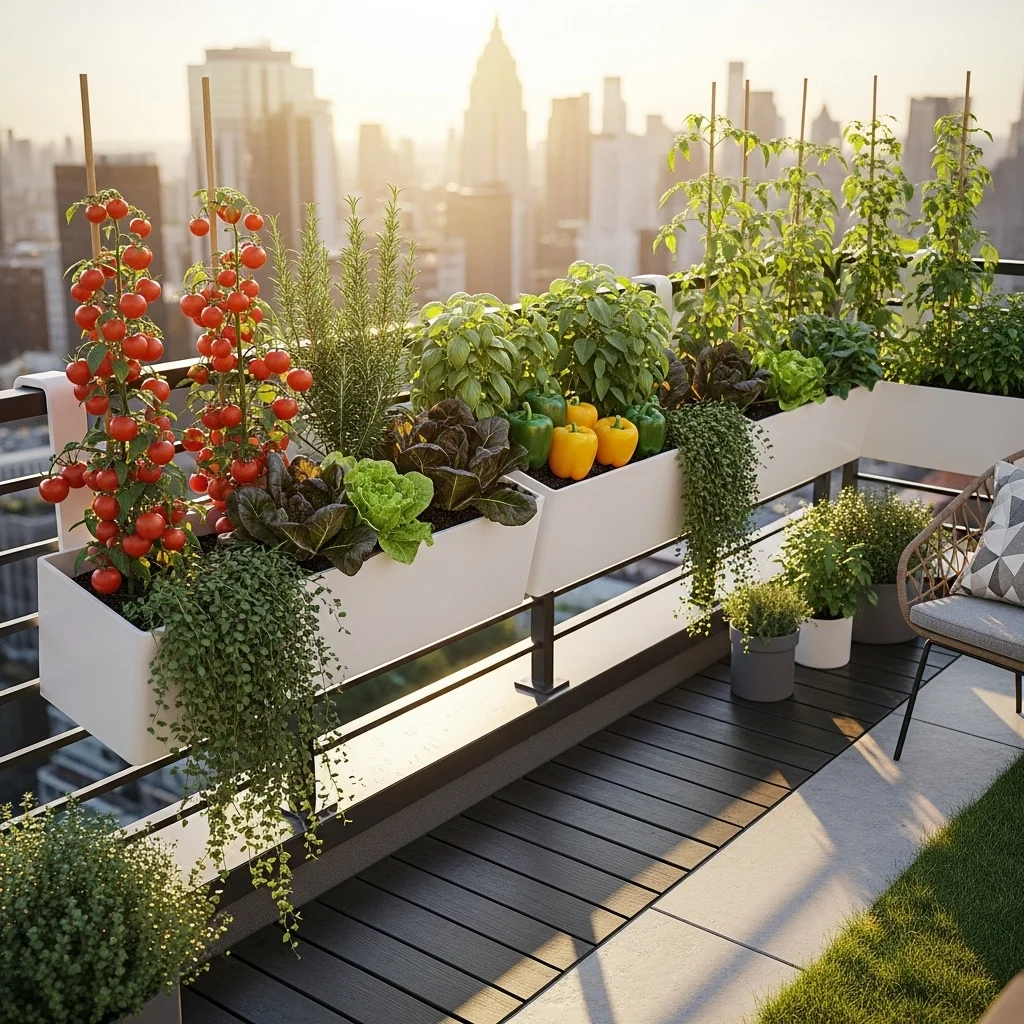
Install long, narrow planters along balcony edges or railings to grow herbs, leafy greens, or compact vegetables. They save space and make use of often-unused areas.
Edge planters provide easy access for watering and harvesting. They also act as green barriers, adding privacy and visual interest while keeping plants exposed to sunlight.
13. Multi-Tiered Planter Stands
Use multi-tiered planter stands to stack vegetables vertically, allowing maximum use of limited rooftop space. This works for small roots, herbs, or potted vegetables.
Tiered stands create an organized and attractive layout. By layering plants at different heights, you enhance sunlight exposure, airflow, and overall rooftop productivity.
14. Portable Raised Planters
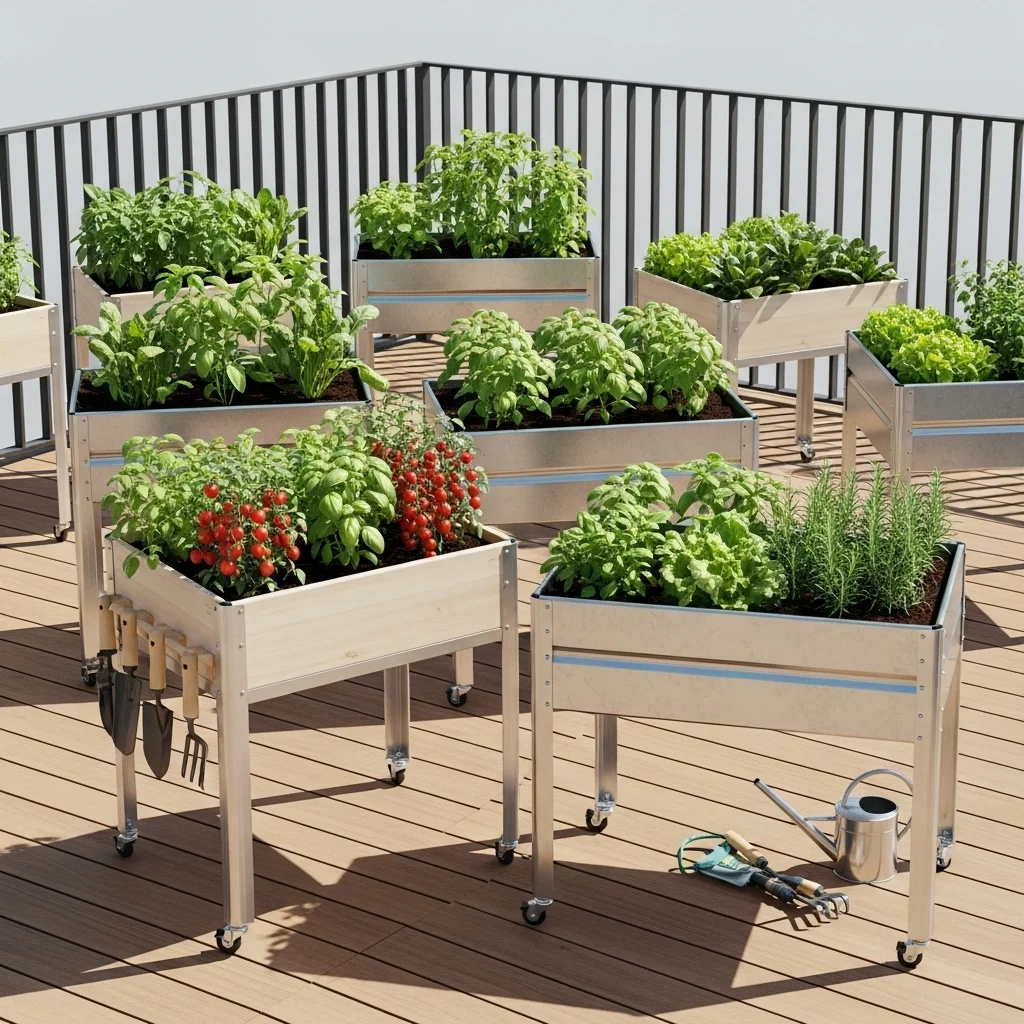
Portable raised planters on wheels allow flexibility in arranging vegetables and rotating crops according to sunlight or weather.
Movable planters make seasonal changes easy and protect delicate plants from harsh sun or wind. They also simplify maintenance and harvesting while keeping your rooftop adaptable.
15. Indoor-Outdoor Hybrid Spaces
Create semi-covered rooftop zones with lightweight structures or pergolas to grow vegetables alongside potted ornamental plants. This allows controlled sunlight exposure and wind protection.
Hybrid rooftop spaces combine utility and aesthetics. They offer shelter for tender crops, enhance visual appeal, and provide areas to relax while surrounded by greenery.
16. Rooftop Greenhouse Boxes
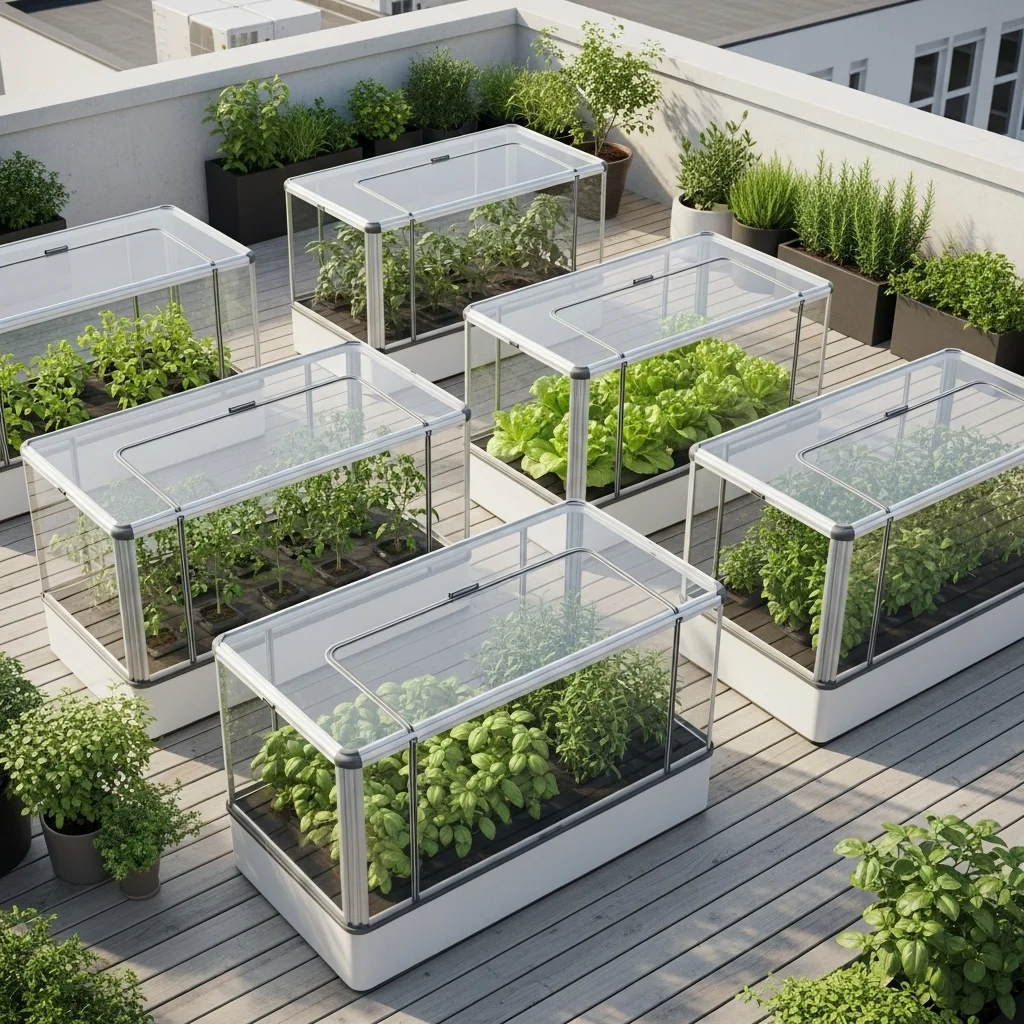
Use small rooftop greenhouse boxes or mini hoop tunnels to protect vegetables from harsh sun, wind, or pests. They create a controlled microclimate that boosts growth.
Greenhouse boxes extend the growing season, allowing delicate crops like lettuce, spinach, or peppers to thrive. Transparent covers ensure sunlight penetration while maintaining optimal temperature and humidity for plants.
17. Companion Vertical Planting
Combine climbing and trailing vegetables vertically using trellises, poles, or cages. For example, beans with tomatoes or cucumbers with herbs.
Vertical companion planting maximizes rooftop space and improves yield. It also enhances airflow, reduces pest problems, and creates a visually dynamic, layered garden environment.
18. Rooftop Watering System with Reservoirs
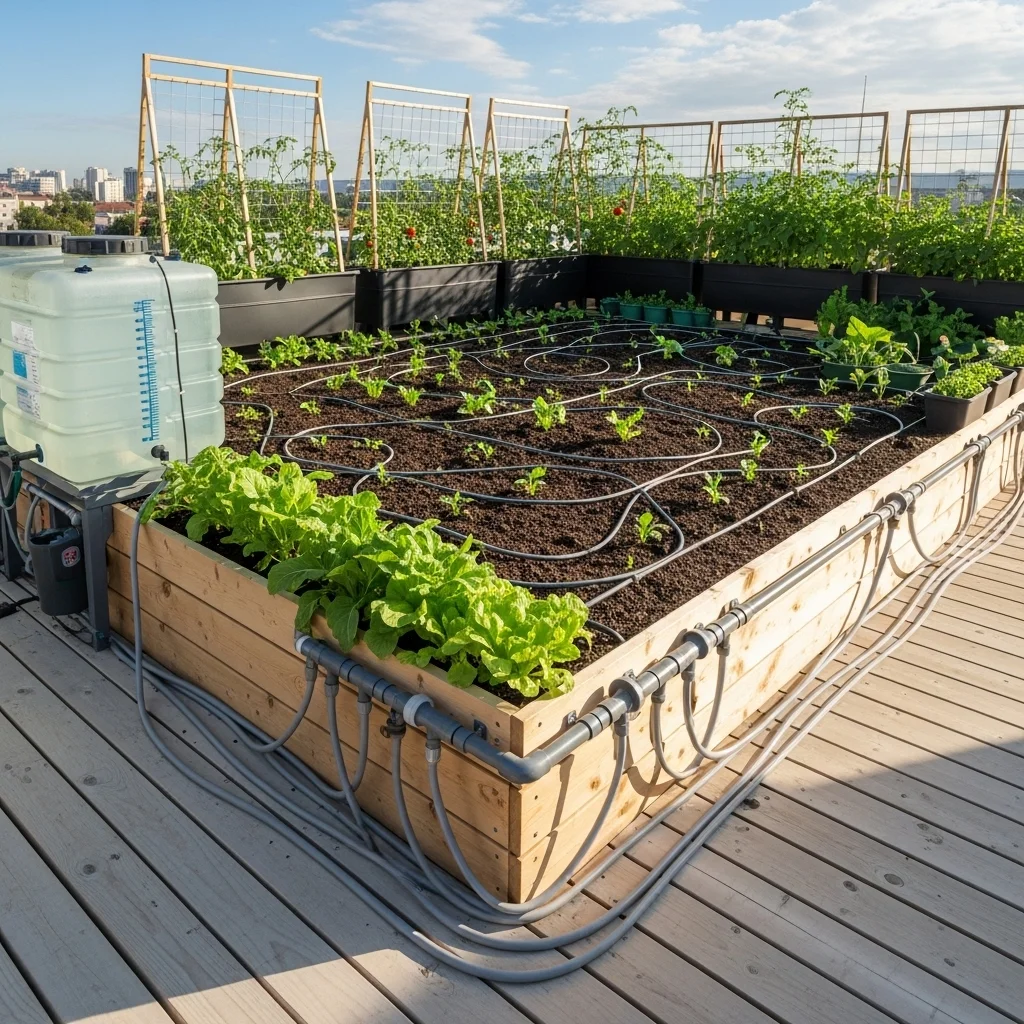
Install a rooftop watering system using water reservoirs connected to containers or raised beds. This ensures consistent hydration for all vegetables and reduces daily maintenance.
Automated watering systems save time and effort, especially in hot urban climates. Properly designed reservoirs and drip lines distribute water evenly, keeping vegetables healthy, productive, and vibrant.
Final Thoughts
Rooftop vegetable gardens are a practical and visually appealing way to grow fresh produce in urban spaces. They maximize unused areas, promote sustainability, and provide access to healthy, homegrown food.
By combining raised beds, vertical planting, container gardens, and innovative watering systems, you can create productive and aesthetically pleasing rooftop green spaces. Thoughtful planning, sunlight management, and plant selection allow these gardens to flourish while maintaining ease of care.
With these 18 rooftop vegetable garden ideas, you can transform your rooftop into a lush, productive, and inviting space that supports fresh food, greenery, and sustainable urban living.
FAQs
1. What vegetables grow best on rooftops?
Leafy greens, tomatoes, peppers, herbs, and dwarf varieties thrive in containers or raised beds. Secondary keyword: rooftop vegetable garden ideas.
2. How much sunlight is needed for a rooftop garden?
Most vegetables require 6–8 hours of direct sunlight daily. Shade-tolerant crops can also be incorporated in partially sunny areas.
3. Can I use small pots instead of raised beds?
Yes, containers are flexible and can be moved for sunlight optimization. Tertiary keyword: container rooftop garden.
4. How do I protect rooftop plants from strong winds?
Use windbreaks, greenhouse boxes, or heavy planters to shield delicate crops while allowing airflow.
5. How often should I water rooftop vegetable gardens?
Watering frequency depends on plant type, container size, and climate. Automated drip systems or reservoirs help maintain consistent moisture.