16 Zen Living Room Ideas for a Peaceful, Minimal, and Nature-Inspired Home
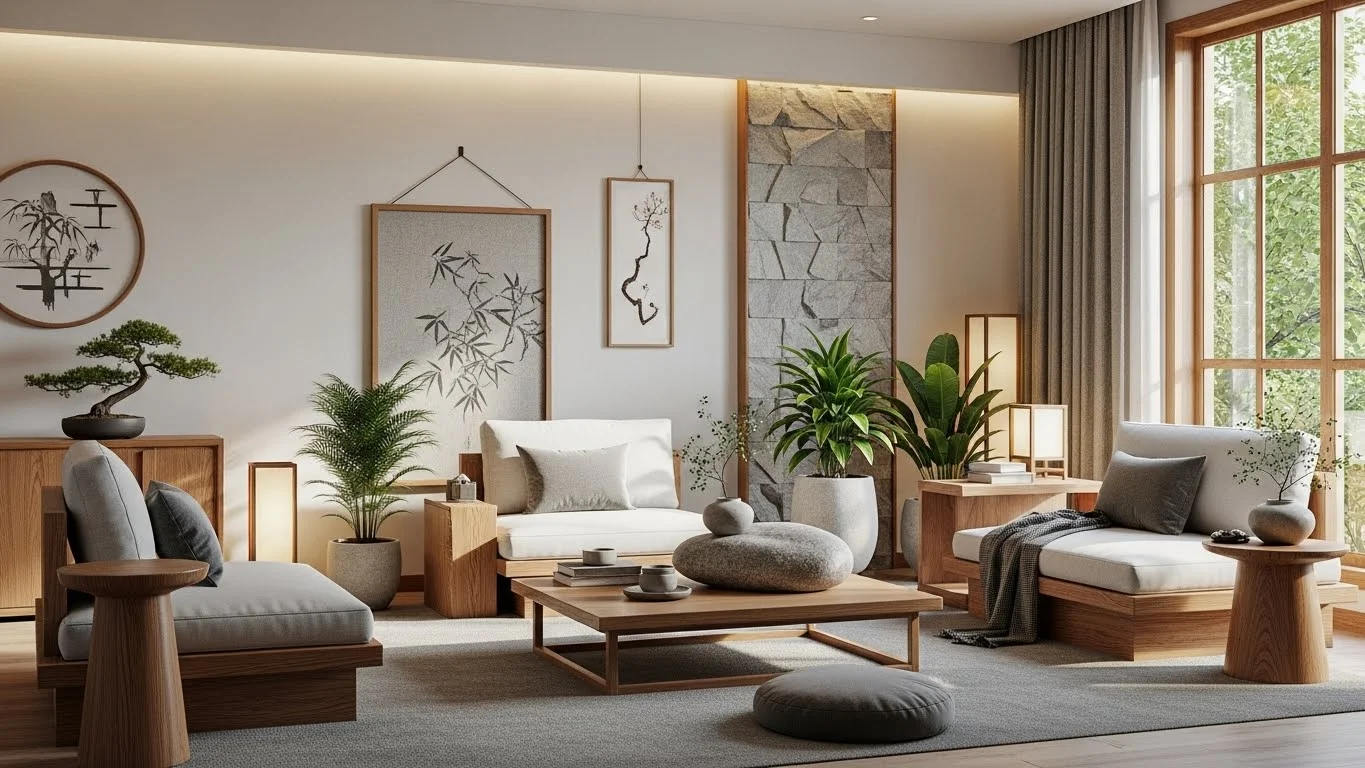
Creating a Zen-inspired living room is one of the most meaningful ways to bring tranquility, warmth, and mindful beauty into your home. These Zen living room ideas help you design a space where stress melts away and quiet harmony becomes part of your everyday life. Zen design embraces simplicity, nature, balance, and intentionality—shaping a room that feels timeless, grounding, and emotionally replenishing.
A Zen living room isn’t about adding more things; it’s about curating the right elements that support calmness and flow. Through natural textures, soft colors, low furniture, and warm lighting, you can transform your space into a peaceful retreat where every moment feels soothing. The goal is to create a living room that invites rest and mindful presence rather than noise and distraction.
With these calming minimalist living room inspiration ideas, you’ll connect nature, subtle textures, and gentle design choices into a serene environment. Each idea introduces detail that enhances mental clarity and emotional softness—bringing the spirit of Zen into the heart of your home.
1. Start With a Soft Neutral Color Palette
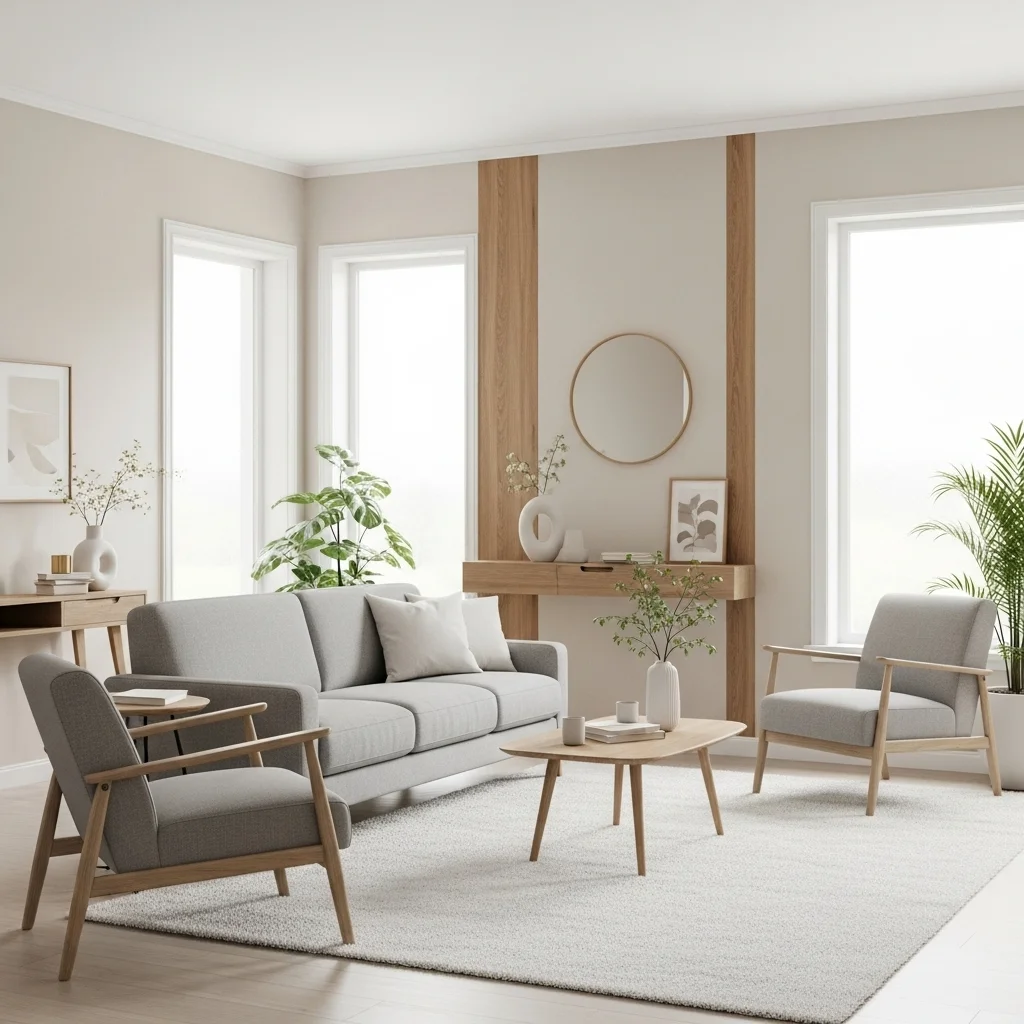
Neutral tones—beige, warm white, stone grey, and muted taupe—form the foundation of a Zen living room. These hues create a calming backdrop that feels gentle on the eyes and emotionally balancing. A neutral palette also allows natural textures and subtle décor pieces to shine without overwhelming the room.
This idea reflects the grounding simplicity inside serene Japanese-inspired décor, helping the room feel quiet, airy, and harmonious. Neutral colors open the space visually, inviting peaceful energy and supporting the minimalist essence of Zen design.
2. Add Low, Minimalist Furniture
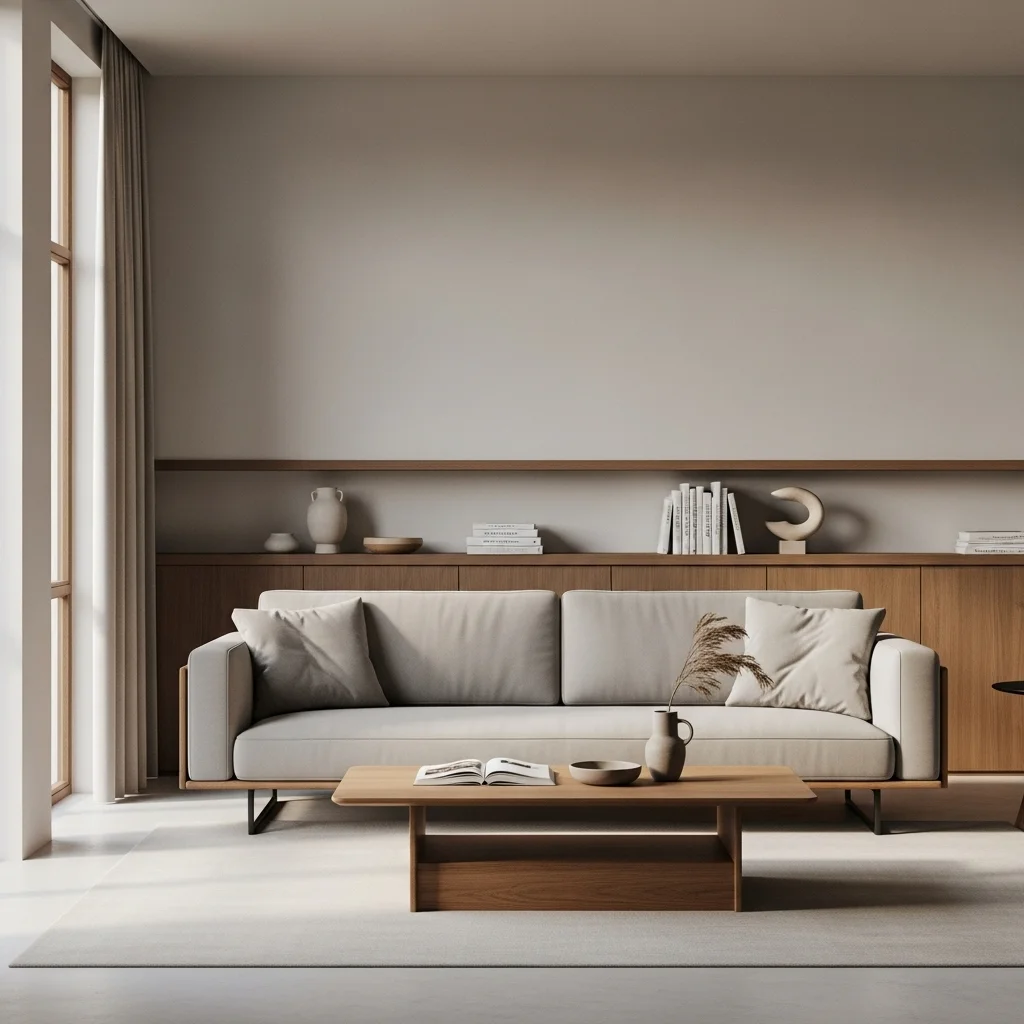
Low furniture mimics traditional Japanese design principles by keeping the room feeling connected to the ground. Low sofas, floor cushions, and simple wooden tables bring a sense of stability and calmness. Their clean lines and minimal silhouettes create a visual openness that supports mental clarity.
This idea aligns with the quiet balance within Zen living room ideas, anchoring the space with subtle presence. Low furniture makes the room feel warm, centered, and intentionally uncluttered—perfect for peaceful living.
3. Incorporate Natural Wood Elements
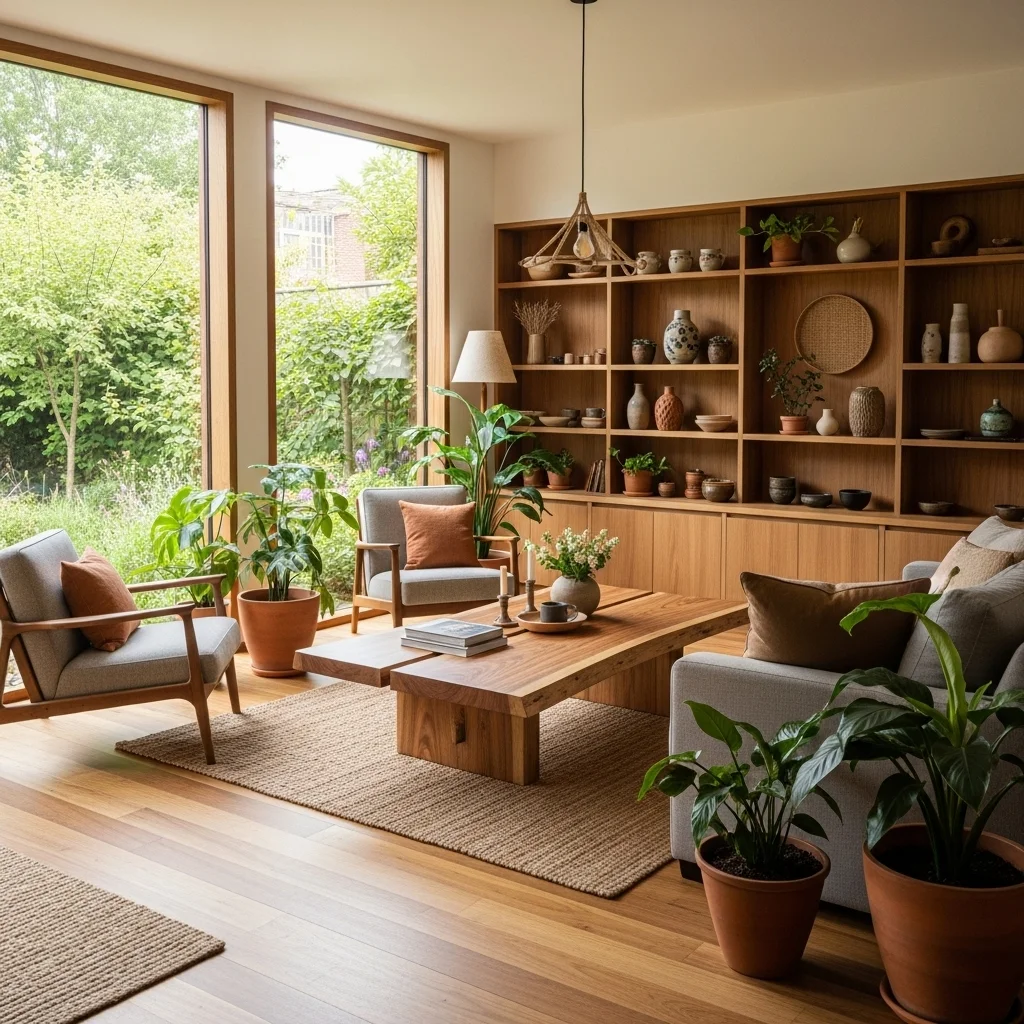
Wood introduces warmth, nature, and quiet beauty. Whether through a wooden coffee table, shelving, sideboards, or simple open frames, wood softens the room and adds grounding energy. Light or medium-toned wood works particularly well for a Zen look, keeping the aesthetic soft and natural.
This idea enhances the organic comfort behind natural Zen textures, making the space feel earthy and soothing. Wood helps create a balanced living environment where each element feels connected to nature.
4. Use Soft, Diffused Lighting
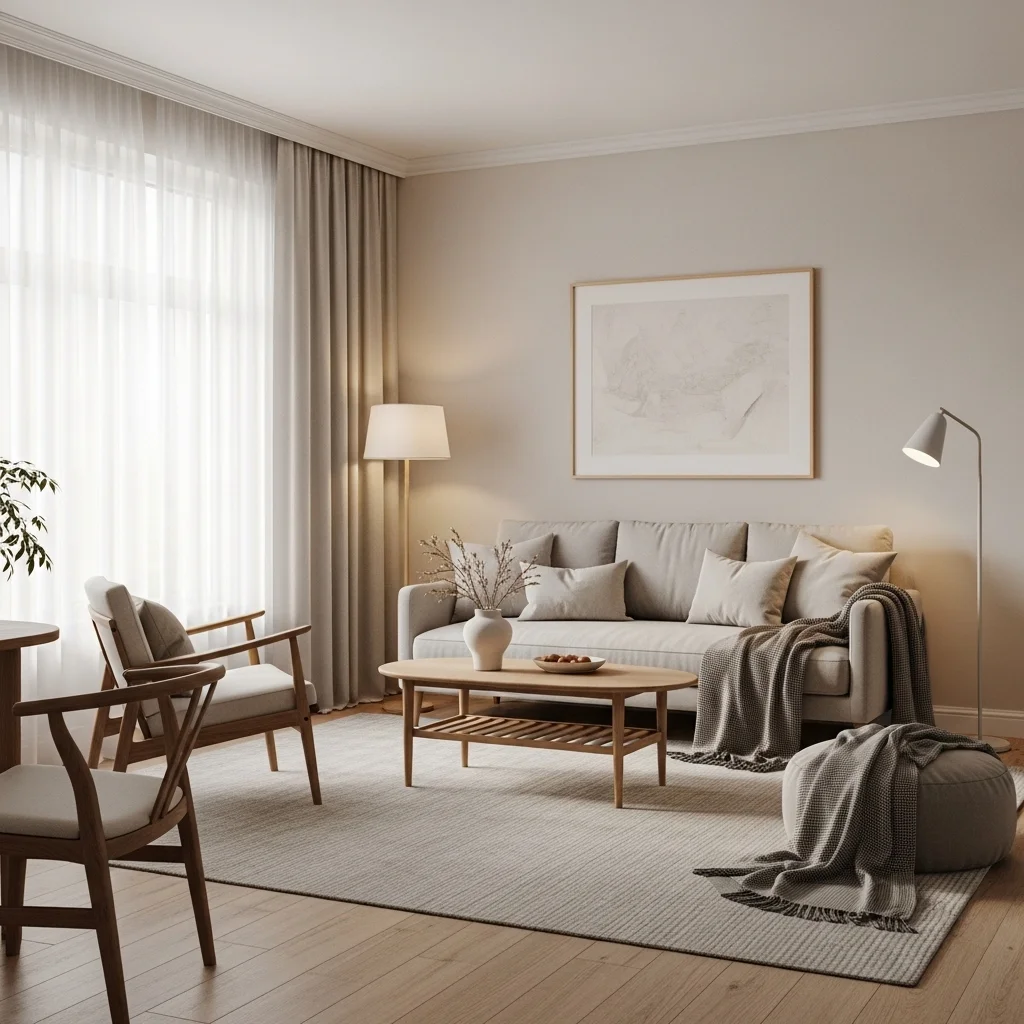
Zen spaces thrive on gentle, warm lighting. Paper lanterns, floor lamps with soft shades, candles, or warm LED strips create a cozy glow without harshness. Diffused lighting softens shadows, adding emotional warmth and a meditative atmosphere to the living room.
This idea aligns with the atmospheric calm found in calming minimalist living room inspiration, helping the space feel serene and deeply relaxing. Lighting becomes a subtle emotional anchor, inviting slow evenings and mindful rest.
5. Add Plants for Freshness and Balance
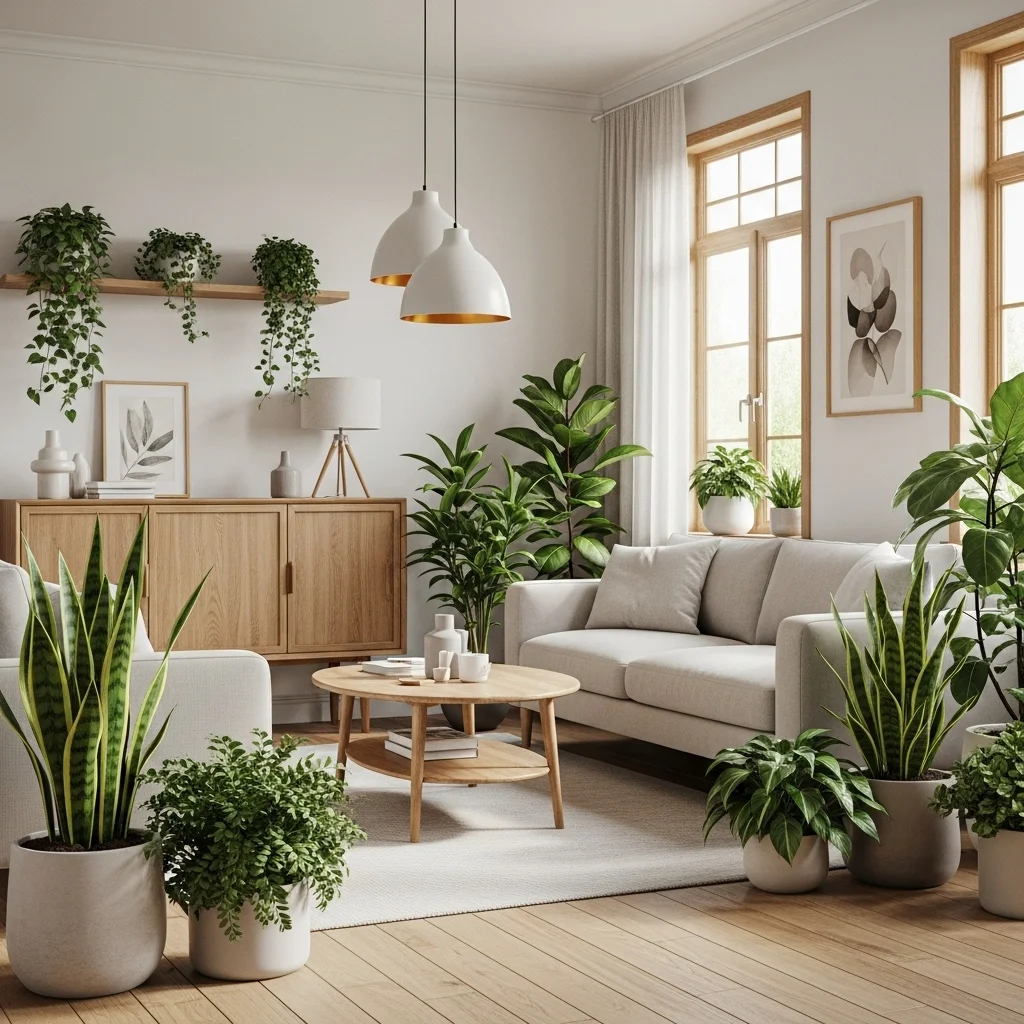
Plants bring life, oxygen, and subtle movement to a Zen living room. Bamboo, bonsai trees, leafy greens, or potted ferns create a calming connection to nature. Their gentle shapes and organic colors soften the room and bring emotional grounding.
This idea supports the natural harmony inside peaceful interior accents, helping the space feel refreshed and balanced. Plants introduce simplicity and gentle energy, contributing to a nurturing living room atmosphere.
6. Declutter and Embrace Open Spaces
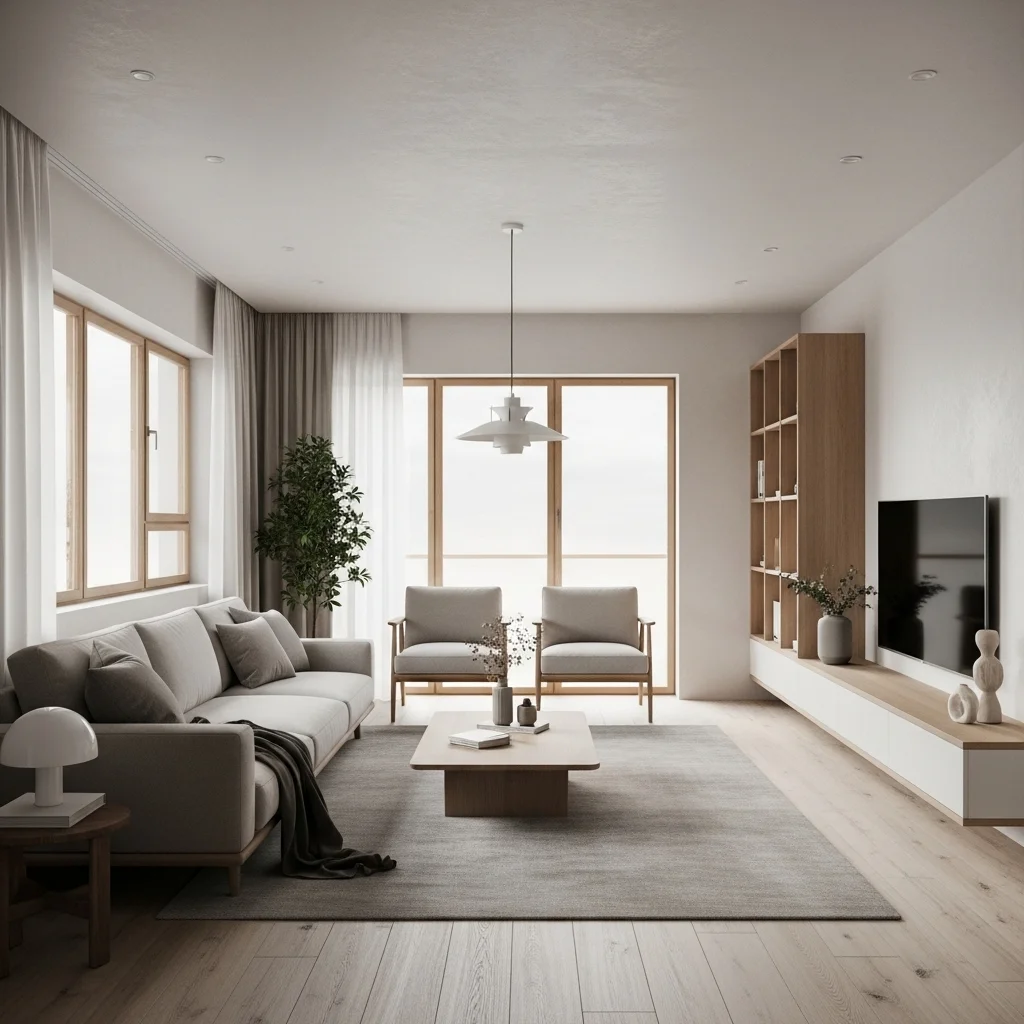
Zen design values spaciousness and visual breathing room. Removing unnecessary furniture, minimizing décor, and keeping open pathways help create a living room that feels free, open, and mentally clear. The goal is intentional simplicity—not emptiness, but purposeful space.
This idea reflects the philosophical clarity within Zen living room ideas, supporting mindful living. Open spaces allow energy to flow, helping your mind unwind naturally every time you step into the room.
7. Add Soft Textiles in Natural Fibers

Introduce cozy textures through cotton throws, linen cushions, wool rugs, or woven blankets in neutral tones. These fabrics add comfort while maintaining the room’s peaceful look. Natural fibers bring warmth without disrupting the Zen aesthetic.
This idea enhances the tactile calm within natural Zen textures, giving the room softness and balance. Textiles invite relaxation and gentle sensory comfort, helping create a soothing living environment.
8. Create a Minimalist Meditation Corner
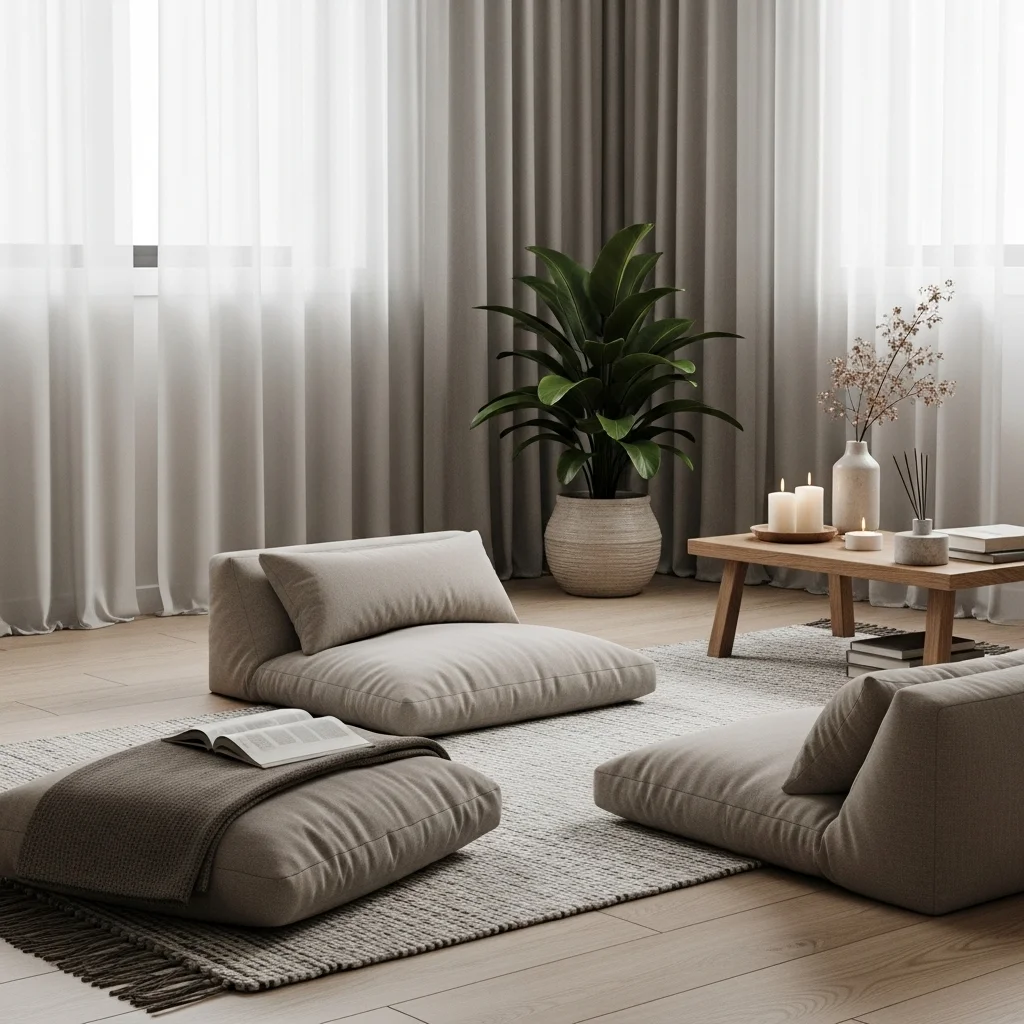
A small corner with a cushion, soft lighting, a plant, and a simple mat adds a mindful touch to a Zen living room. This corner becomes a retreat for quiet breathing, journaling, or light stretching—encouraging presence and peace throughout the day.
This idea ties into the nurturing calm behind serene Japanese-inspired décor, creating a space that feels emotionally grounding. A meditation corner enriches the overall Zen essence of the living room.
Read also. 25 Dark Brown Couch Living Room Ideas
9. Add Stone or Ceramic Accents
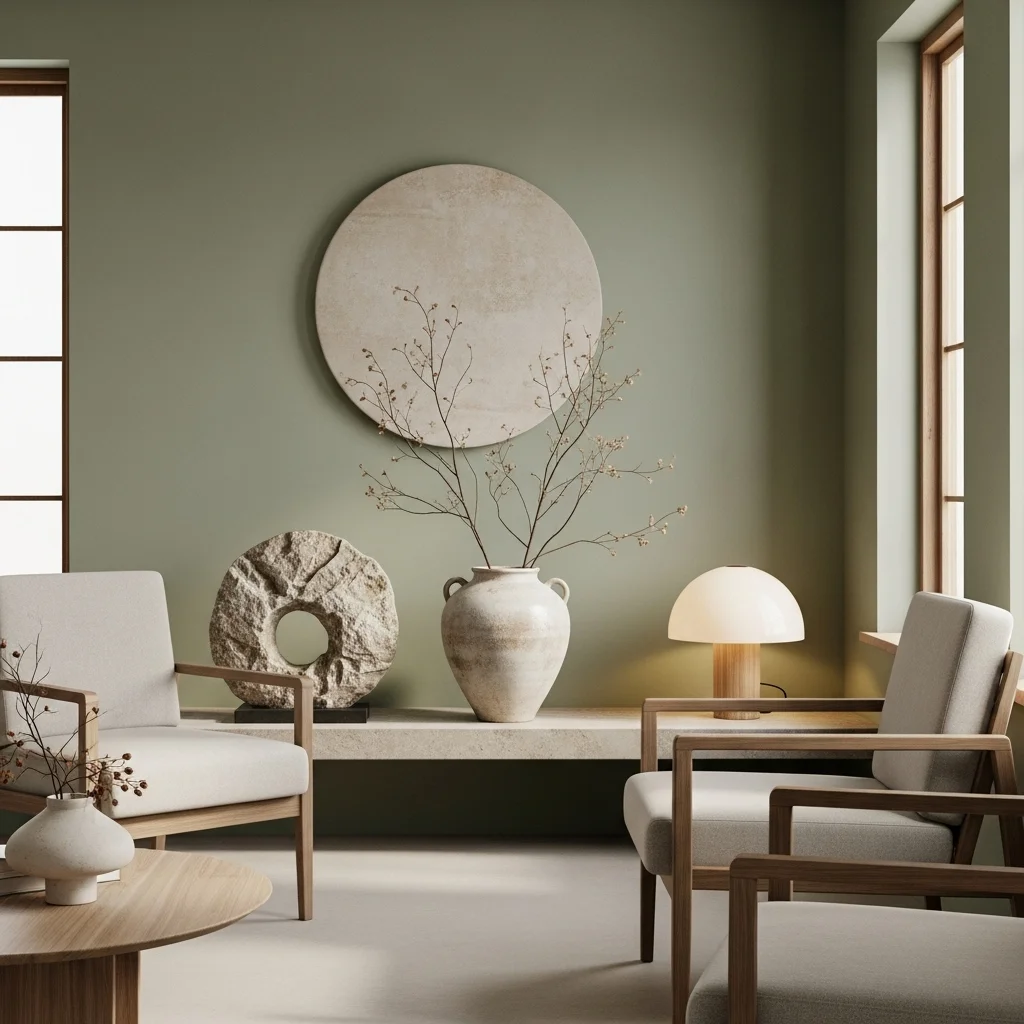
Stone bowls, ceramic vases, or matte pottery pieces add quiet elegance to the room. These natural materials balance softness with structure, creating grounding energy through organic textures and simple shapes. Their understated beauty complements the Zen aesthetic.
This idea amplifies the natural sophistication within peaceful interior accents, offering tactile serenity without overwhelming the eye. Stone and ceramics add soulful weight and balance to the minimalist setup.
10. Choose Artwork With Quiet, Minimalist Themes

Zen artwork often features calm landscapes, abstract shapes in neutral tones, Japanese ink designs, or simple botanical sketches. These pieces add gentle visual interest without overstimulating the space. Each artwork becomes a moment of stillness, adding depth without noise.
This idea supports the soft expressiveness inside calming minimalist living room inspiration, allowing art to enhance serenity. Minimalist artwork enriches the room’s emotional balance and encourages peaceful reflection.
11. Use Sliding Screens or Light Partitions
Sliding screens—especially shoji-inspired panels—add softness, privacy, and fluidity to a Zen living room. They divide space without closing it off, letting light pass gently through while creating subtle boundaries. These lightweight partitions maintain a sense of openness and allow for flexible room layouts.
This idea reflects the flowing harmony inside serene Japanese-inspired décor, offering a functional yet graceful element that enhances calm. Screens add architectural texture and help the living room feel airy, organized, and beautifully composed.
12. Bring in Water-Inspired Elements

A small tabletop fountain, a water bowl with floating stones, or artwork depicting calm water scenes introduces fluid, peaceful energy. The sound or imagery of water supports mental relaxation, deep breathing, and emotional clarity—making the living room feel like a soothing retreat.
This idea connects beautifully to peaceful interior accents, helping the space embody Zen serenity. Water-inspired décor adds stillness and balance, reinforcing the meditative rhythm of the room.
13. Add Minimalist Storage Solutions
Clutter disrupts the Zen spirit, so focus on closed storage options like low wooden cabinets, neutral baskets, or built-in shelving with clean lines. These pieces maintain visual calm by concealing everyday items while preserving the minimalist aesthetic.
This idea supports the organizational clarity central to Zen living room ideas, keeping the room neat, breathable, and mentally refreshing. Thoughtful storage ensures every item has a place, reducing stress and increasing harmony.
14. Introduce Organic Shapes and Curves
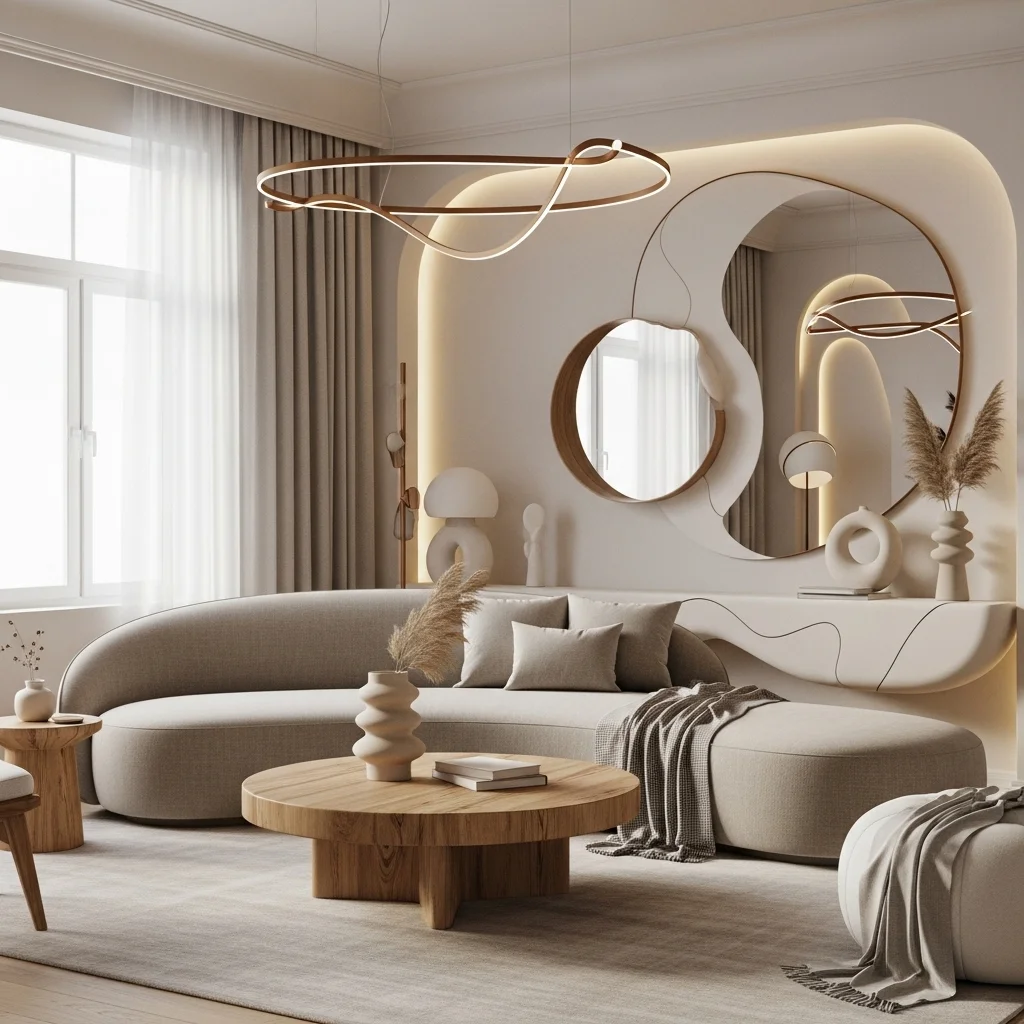
Zen interiors benefit from soft shapes—rounded tables, curved pottery, circular mirrors, or organic-shaped decor pieces. These gentle forms add balance and soften the straight lines in the room. Curves create visual flow, enhancing the soothing, effortless atmosphere.
This idea enhances the natural rhythm inside natural Zen textures, offering a subtle sense of movement that feels comforting and serene. Organic shapes help the room feel more inviting and emotionally warm.
15. Use Scent to Deepen the Zen Atmosphere
Aromatherapy plays a powerful role in Zen design. Essential oils, incense, or natural candles with calming scents—such as sandalwood, bamboo, lavender, or cedar—help create a meditative environment. These scents influence emotion, relaxation, and mental clarity.
This idea ties into the sensory calm behind calming minimalist living room inspiration, enriching the space with a deeper layer of tranquility. Scent adds warmth and mindfulness, elevating the overall Zen ambience.
16. Keep Decor Intentional and Minimal
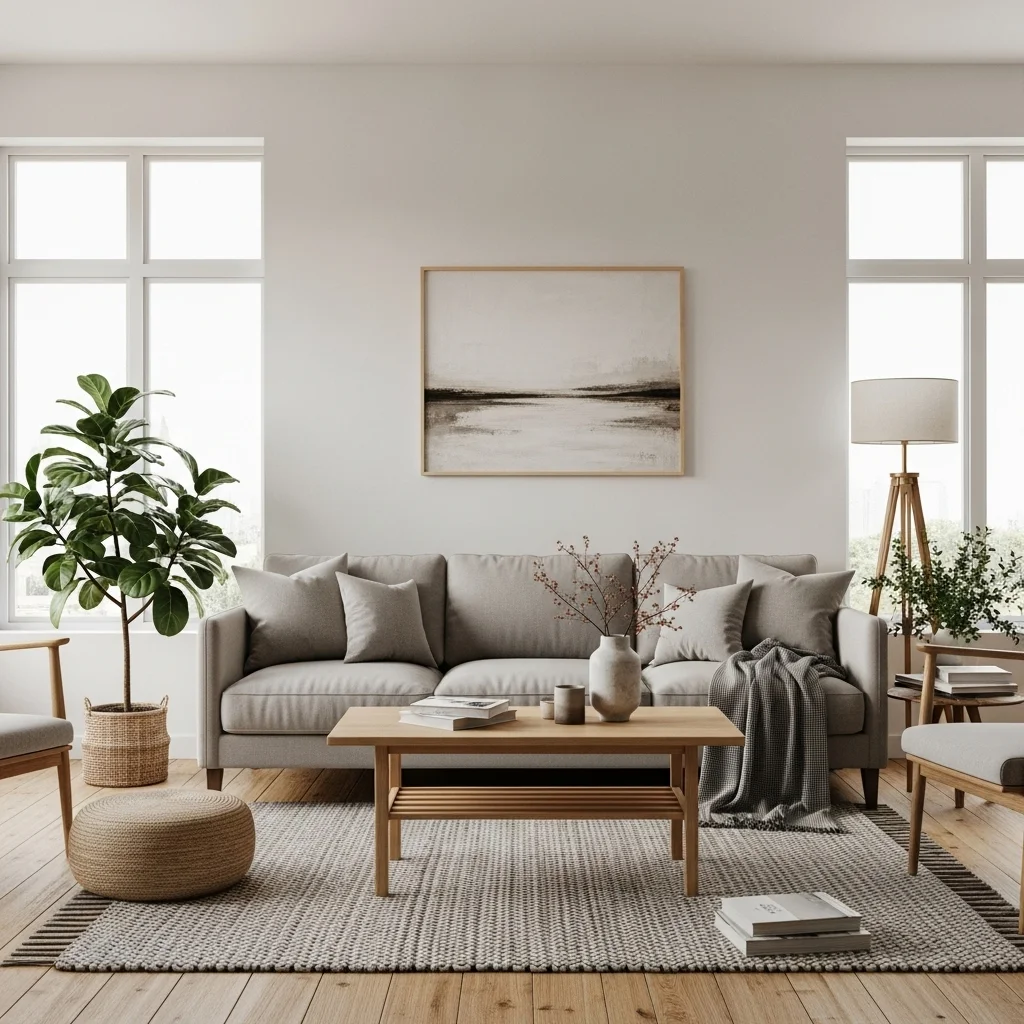
Zen design prioritizes meaning and intention over quantity. Choose a few well-crafted pieces—like a ceramic vase, a bonsai plant, or a simple bowl—rather than filling the room with many items. This enhances the sense of balance and makes the living room feel open and peaceful.
This idea embodies the essence of Zen living room ideas, reminding us that emptiness is not lack, but space for clarity. Intentional decor invites mindful living and supports a calm, uncluttered environment.
Final Thoughts
These Zen living room ideas help you create a space filled with calmness, emotional balance, and natural beauty. By embracing simplicity, thoughtful textures, and nature-inspired elements, your living room becomes a sanctuary where stress gently fades and tranquility takes center stage. Zen design reminds us to slow down, breathe deeply, and choose what truly brings peace into our surroundings.
What makes Zen style so powerful is its quiet confidence—a blend of warm neutrals, natural materials, and mindful placement that transforms any space. Whether your home is small or spacious, these ideas bring harmony, grounding energy, and inviting softness into your daily life.
FAQs About Zen Living Rooms
Q1: What colors are best for a Zen living room?
Soft neutrals like beige, warm white, stone grey, sand, and muted earth tones.
Q2: How do I make my living room feel more Zen?
Add natural materials, warm lighting, plants, minimal decor, and lots of open space.
Q3: Can Zen style work in small living rooms?
Yes—use light colors, low furniture, and intentional decor to maintain openness.
Q4: Do Zen living rooms require plants?
Plants aren’t mandatory but highly recommended, as they bring life and natural calm.
Q5: What textures define Zen interiors?
Linen, bamboo, stone, wood, cotton, ceramics, and woven natural fibers.