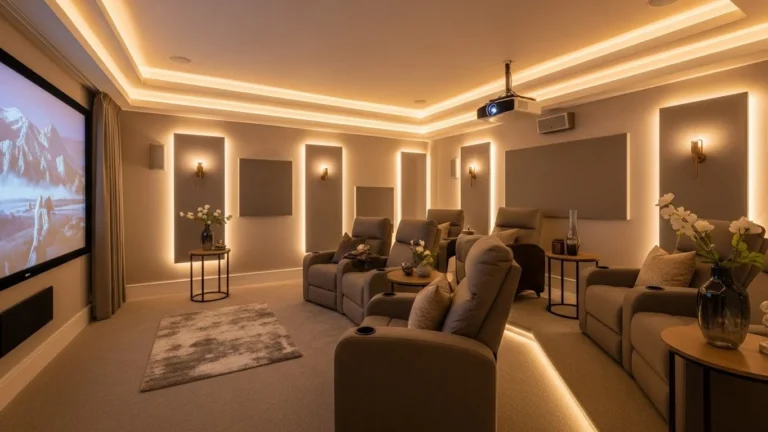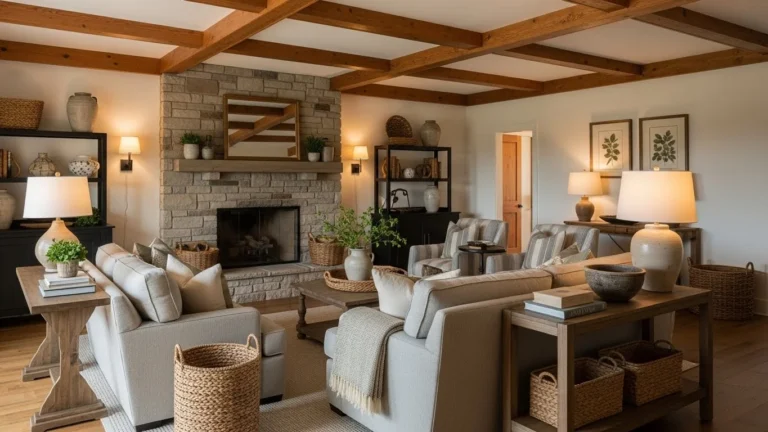
Why Good Lighting Is the Most Overlooked Design Element in Every Home
When we think about designing a beautiful home, our minds often rush toward furniture, color palettes, décor, and textures — but rarely toward lighting. Yet, good lighting is the most overlooked design element, even though it has more power than any paint color, sofa, or rug. Lighting shapes how a room feels emotionally; it determines whether a space feels warm, cold, inviting, flat, or beautifully alive. It highlights textures, deepens shadows, and gives meaning to every design choice you make. Without proper lighting, even the most luxurious décor can look dull and lifeless.
Lighting is emotionally transformative. A single warm lamp can make a room feel like a sanctuary, while harsh overhead lights can drain all softness from a space. The right lighting enhances color, emphasizes architectural features, and creates depth and movement that elevate the entire interior. It directs the eye, softens the mind, and sets a rhythm your home naturally responds to. Yet while lighting influences everything, it often becomes an afterthought — added at the end instead of forming the foundation of the room’s atmosphere.
Understanding why good lighting is so overlooked helps reveal its true importance. Lighting is subtle, so people underestimate its impact. It’s often overshadowed by more “exciting” design choices, even though it plays the most important role in how we actually experience a space. When lighting is designed with intention—layered, warm, soft, and atmospheric—it becomes the heart of the room, quietly shaping emotion and enhancing beauty in ways we rarely notice yet always feel.
Good Lighting Shapes the Mood of a Room
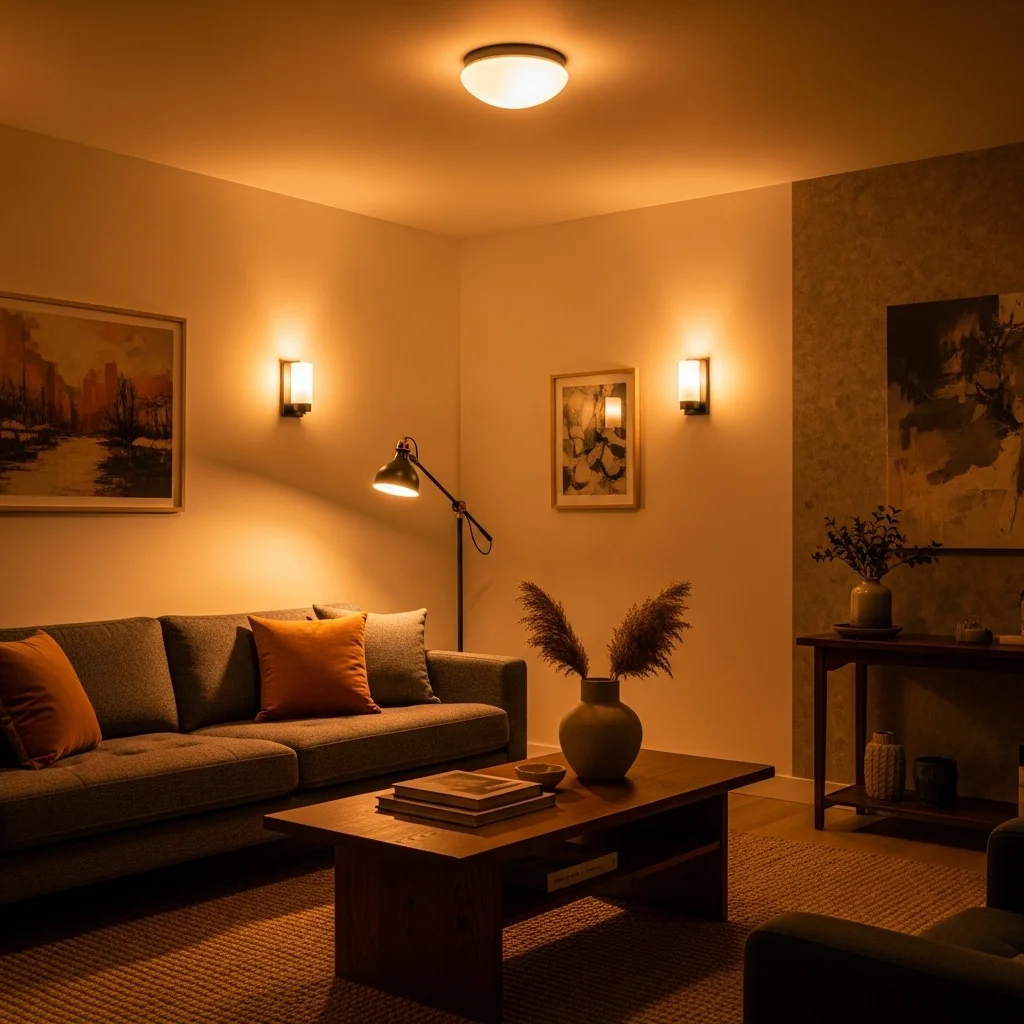
Lighting sets the emotional tone before you even register the décor around you. Soft, warm lighting makes a room feel cozy and inviting, encouraging relaxation. Bright, cool lighting energizes the space and keeps you alert. This emotional influence is why cafes, spas, and hotels spend so much effort perfecting lighting — it’s the true storyteller of the space.
This emotional influence demonstrates the importance of how lighting affects a room, revealing that color, decor, and furniture become secondary to the atmosphere created by light. When the lighting is right, everything else begins to feel harmonious, intentional, and beautifully grounded.
Light Can Make or Break Your Color Palette
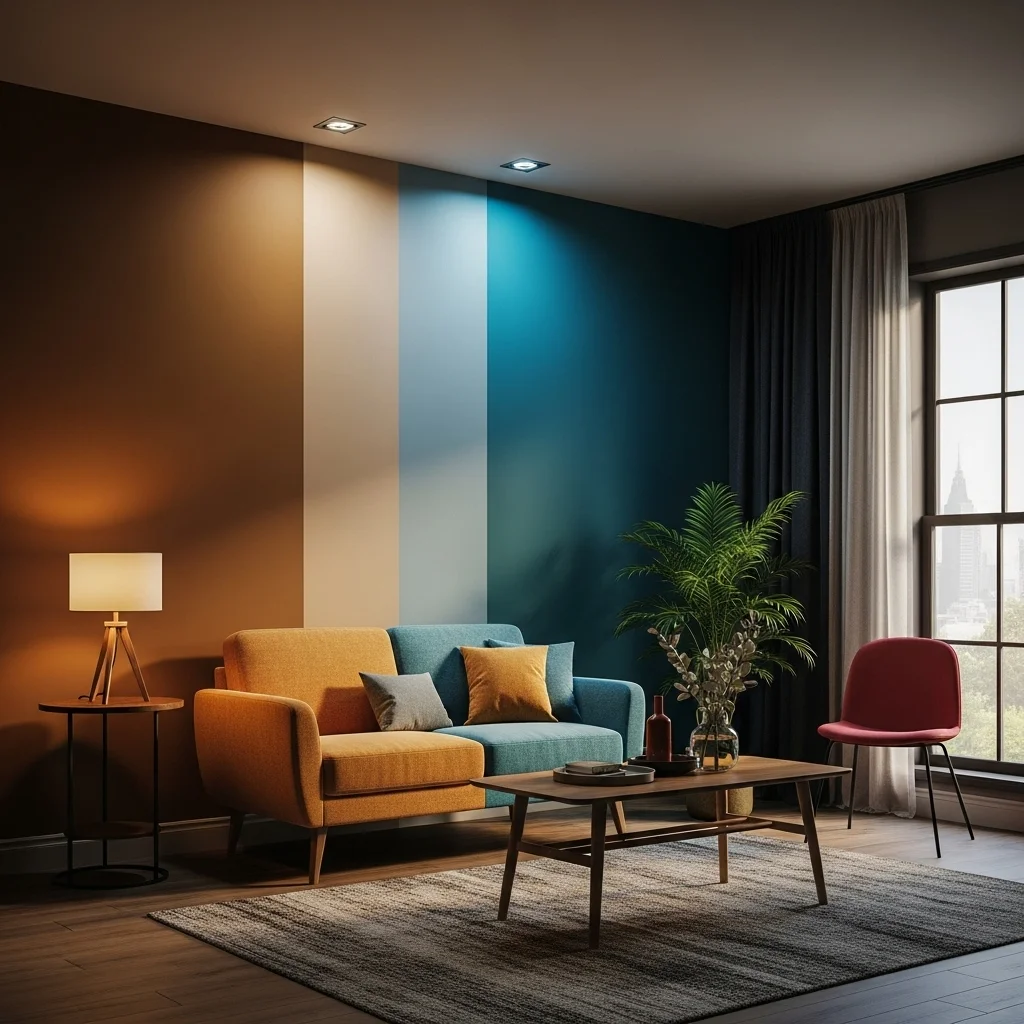
A paint color in the store can look entirely different once it meets the lighting in your home. Warm lights deepen earthy colors; cool lights might wash out soft neutrals. Shadows can emphasize textures or erase them entirely. Poor lighting can make even the best-designed space look flat, grey, or muddy.
This is where many people misunderstand design — they choose colors first and lighting last. But the truth is that color doesn’t exist without light. Understanding this connection is essential to designing a space that feels rich, layered, and emotionally fulfilling.
Lighting Adds Depth, Texture, and Dimension
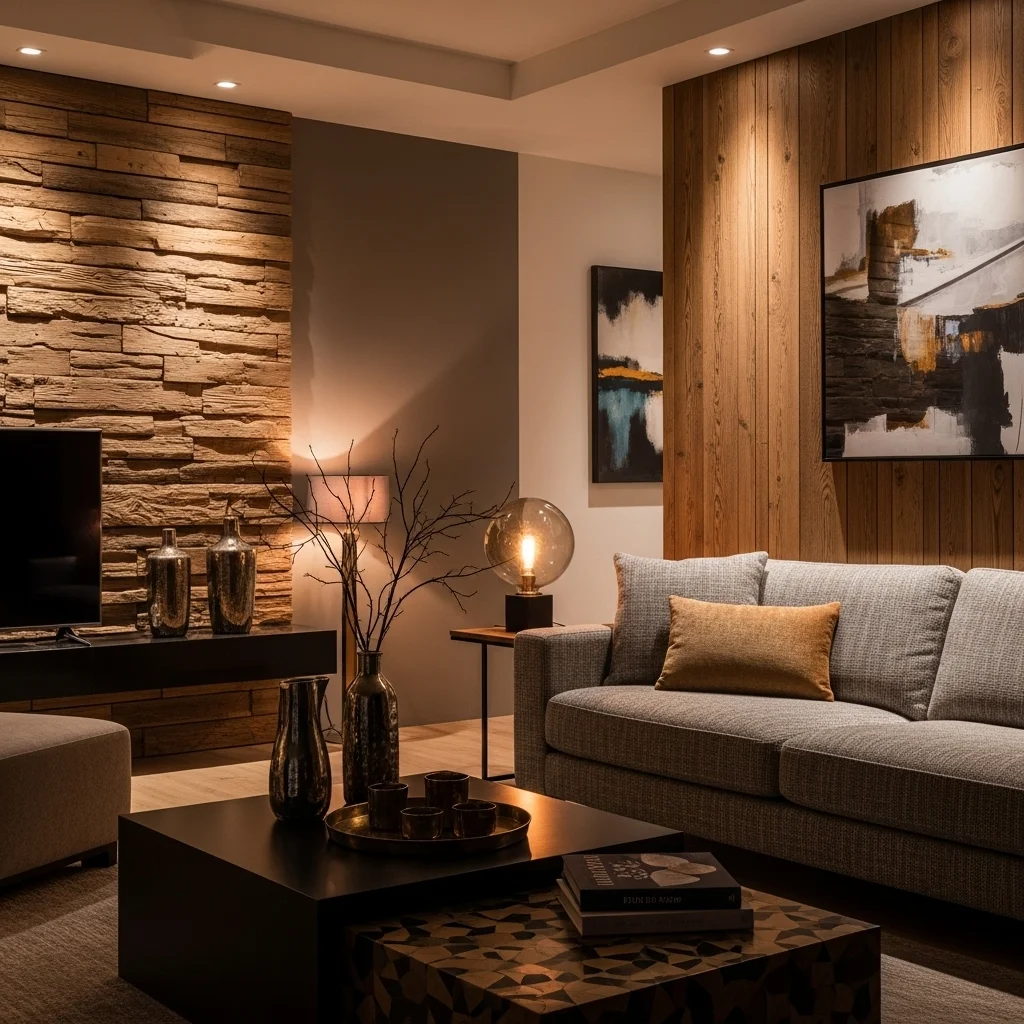
Without good lighting, a room loses its layers. Light adds highlights and shadows that bring visual depth. It emphasizes wood grains, textiles, art, and architectural shapes. A perfectly styled shelf looks empty without the right lighting; a textured rug loses its warmth in flat overhead light.
This relationship between interior mood lighting and texture reveals why lighting is foundational. It enriches everything: the softness of fabrics, the curves of furniture, the character of materials. Good lighting makes a room feel alive.
People Focus on Décor, Not Atmosphere
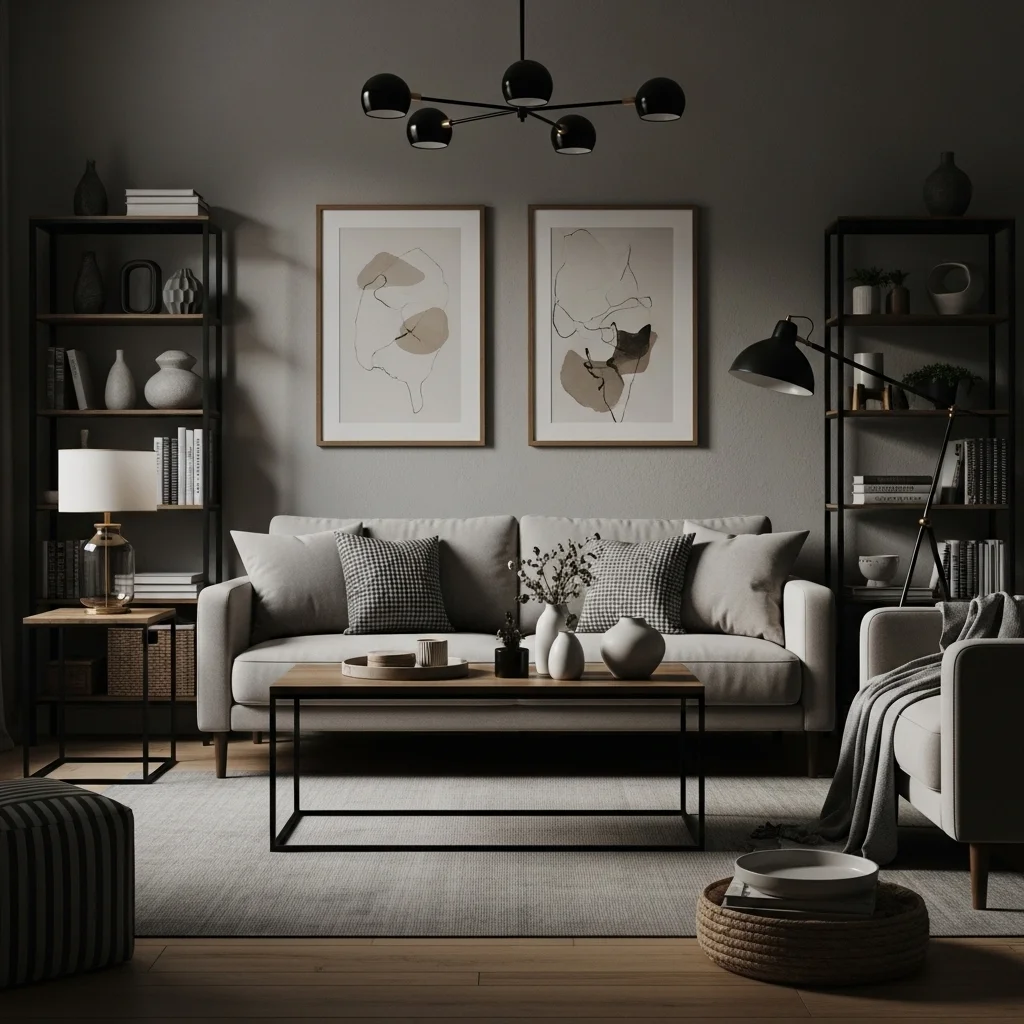
Most design decisions focus on what we can see and touch: furniture, rugs, wall art, accessories. These items feel tangible and exciting, so they get the most attention. Lighting, however, is subtle and often invisible until it’s done wrong. Because of this, it’s easy to overlook even though it has the biggest effect on atmosphere.
This oversight explains why homes often feel “off” despite having beautiful décor. When lighting lacks warmth, layers, or direction, the space feels unfinished and emotionally disconnected. Lighting is the quiet but essential element holding everything together.
Read also. 22 Hardscaping Ideas
Lighting Is Often Added Last — When It Should Come First
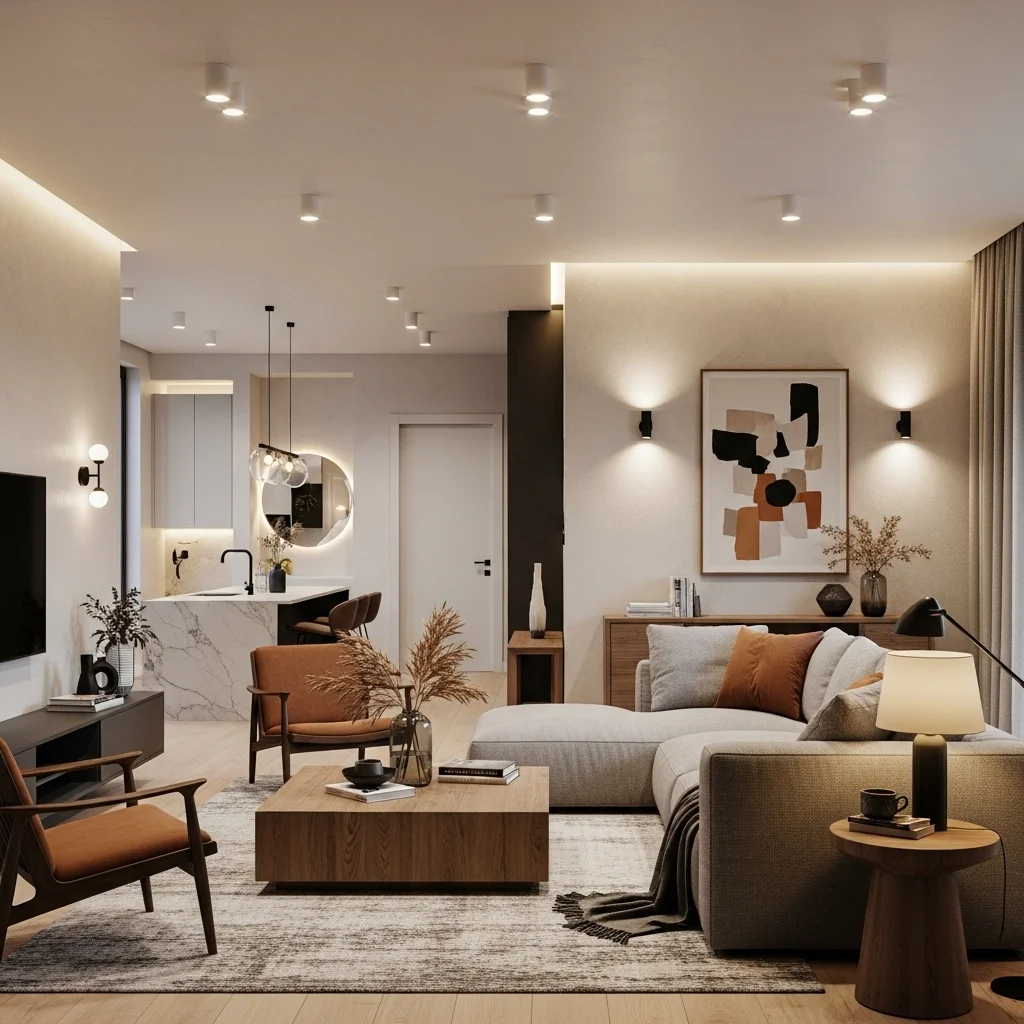
Good lighting isn’t something you sprinkle on at the end; it should guide the design process from the beginning. Where will the natural light fall? What will you highlight? What kind of mood should the space evoke? Most people skip these questions entirely.
This lack of planning leads to single overhead fixtures, mismatched lighting temperatures, or harsh bulbs that flatten the entire room. When lighting becomes an afterthought, the design loses its emotional rhythm.
Most Homes Rely Too Much on Overhead Lighting
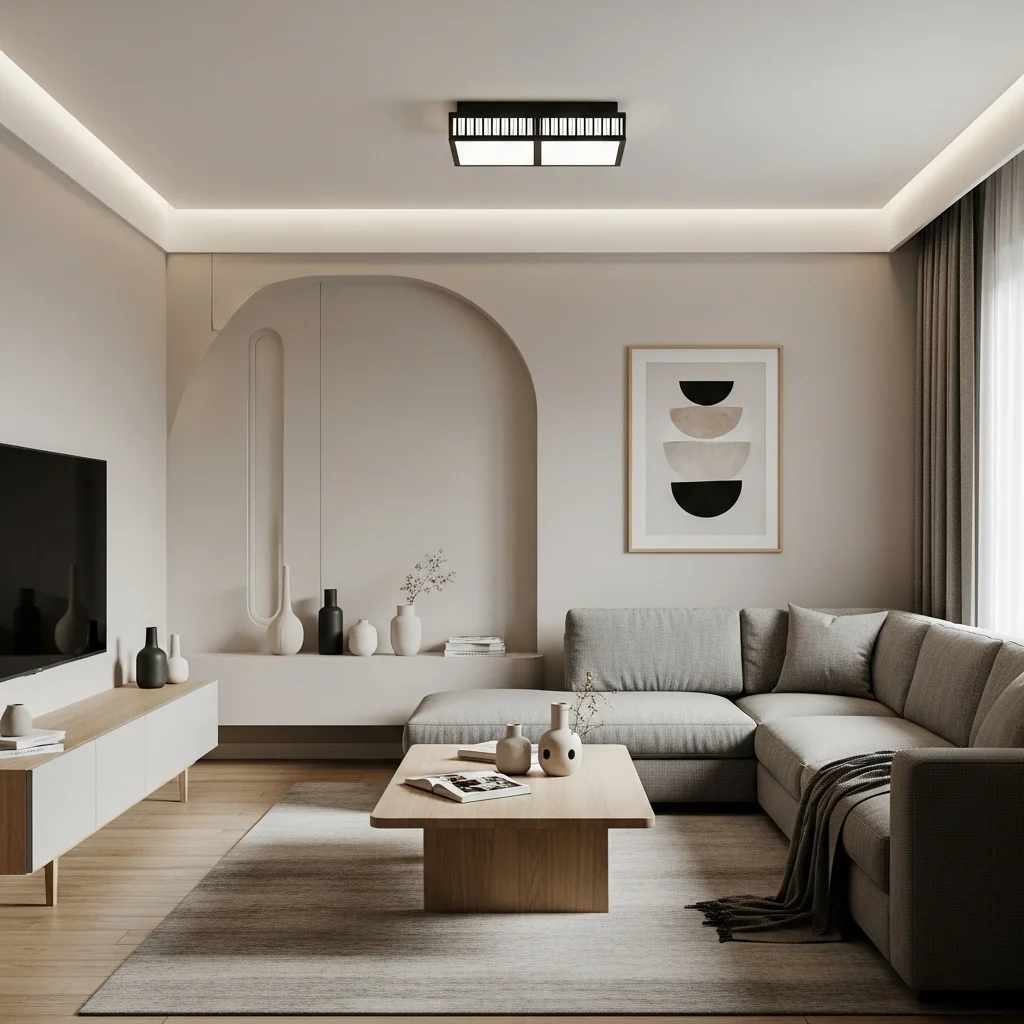
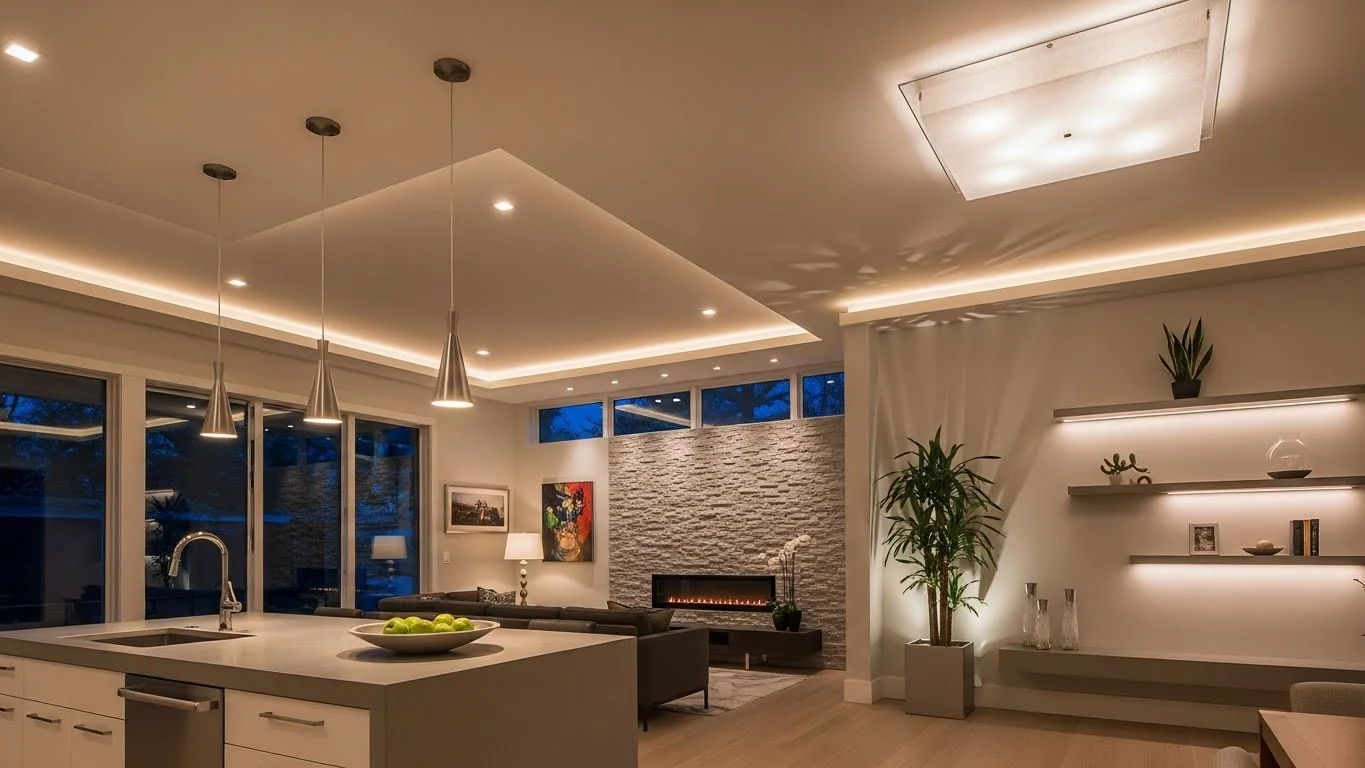
Overhead lights have their place, but relying on them alone creates cold, unbalanced spaces. A room needs layers — table lamps, floor lamps, sconces, soft accent lights, and natural light all working together. This layering adds movement and softness that overhead lights could never provide alone.
This layered approach reveals why good lighting is so essential: it turns rooms into environments rather than just collections of furniture. Without layers, a space feels empty and emotionally flat.
Lighting Connects the Home to Natural Rhythm
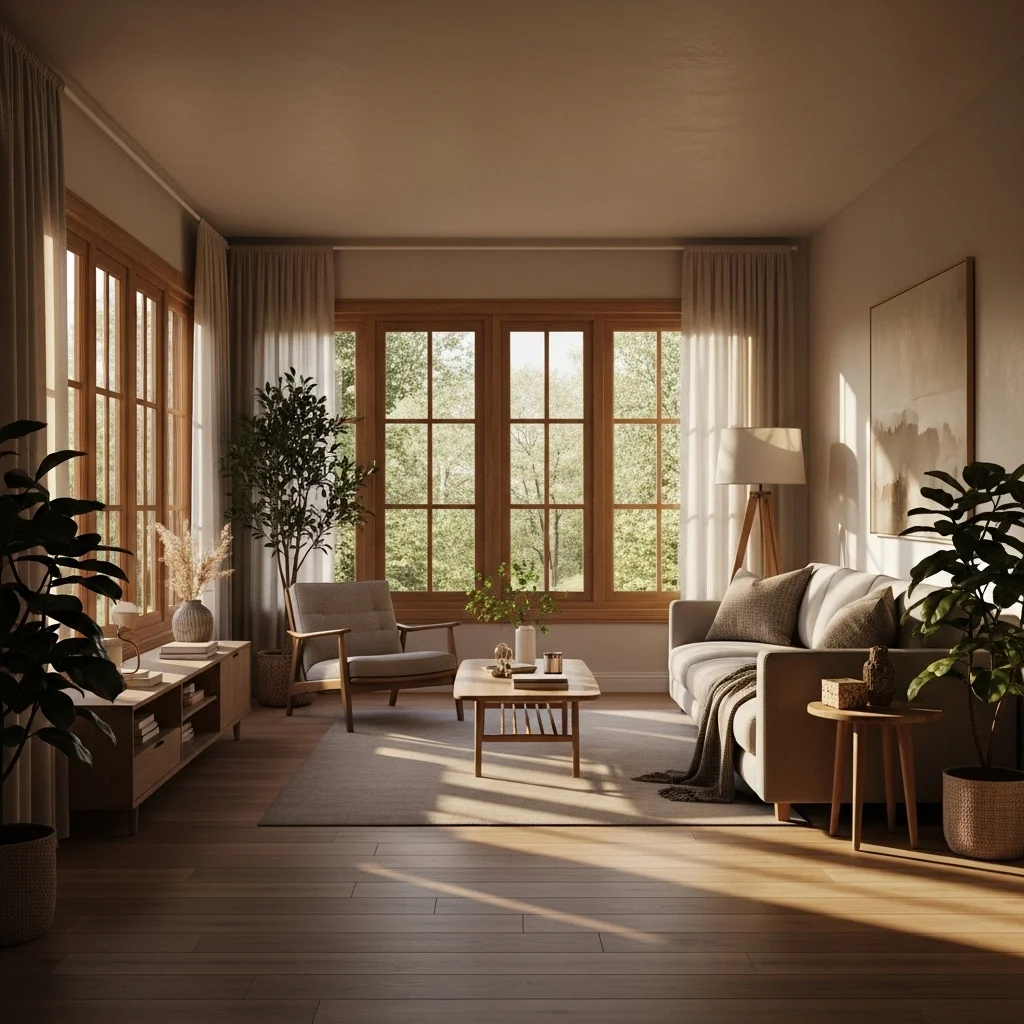
Humans respond instinctively to light. Morning light wakes us, golden-hour light calms us, and soft nighttime light prepares us for rest. Artificial lighting that mimics this rhythm makes a home feel more comfortable and grounded.
This connection to nature demonstrates the importance of lighting in interior design, blending emotional wellness with visual beauty. When lighting supports the natural cycle, the home feels more nurturing and emotionally balanced.
Final Thoughts
Lighting is the quiet hero of interior design — the element that transforms mood, enhances beauty, and creates emotional depth. It’s often overlooked because it doesn’t shout for attention, yet it influences every corner of your home more powerfully than any piece of furniture or décor. When you recognize how lighting shapes atmosphere, you begin to design more intentionally, focusing not just on how a room looks but on how it feels.
These insights explain why good lighting is the most overlooked design element, even though it’s the foundation of every beautiful space. Once you treat lighting as a core design tool—layering soft glows, embracing natural light, using warmth, and highlighting texture—your home becomes more harmonious, peaceful, and deeply expressive. Good lighting doesn’t simply illuminate a room; it elevates it.
By paying attention to light, your home becomes a sanctuary filled with clarity, comfort, and quiet elegance — a place that feels as beautiful emotionally as it does visually.
FAQs About Lighting in Interior Design
Q1: Why is lighting so important in design?
Because lighting affects mood, color, depth, and the overall feeling of a space more than any other design choice.
Q2: What’s the biggest lighting mistake homeowners make?
Relying only on overhead lighting instead of layering multiple light sources.
Q3: Does natural lighting matter as much as artificial lighting?
Yes — natural light sets the emotional tone of the entire space and should guide your design layout.
Q4: What lighting color temperature works best at home?
Warm white (2700–3000K) creates calm, inviting spaces that feel restful and natural.
Q5: How do I fix bad lighting without spending much?
Use lamps you already own, open curtains fully, rearrange furniture, or switch to warm bulbs.